Artificial Light for Houseplants in Winter: Surviving the Dark Season
As days shorten from autumn through winter, most houseplants receive a fraction of the light they got in summer — sometimes less than a tenth, depending on latitude and window orientation. For plants that evolved under tropical canopies or bright equatorial sun, this seasonal dimming can trigger real physiological stress. Understanding the warning signs and knowing how to supplement light properly can mean the difference between a plant that merely survives winter and one that sails through it.
Signs Your Plant Isn’t Getting Enough Light
Low light doesn’t usually kill a plant outright — it shows up gradually, through changes in growth habit. Watch for these symptoms:
- Etiolation: stems stretch and elongate with unusually long gaps between leaves, as the plant “reaches” toward the nearest light source.
- Leggy, sparse growth: new leaves emerge smaller and further apart than older growth, giving the plant a thin, stringy silhouette.
- Leaning or phototropism: the whole plant tilts dramatically toward a window.
- Leaf drop: lower or older leaves yellow and fall as the plant reallocates limited energy to newer growth.
- Fading variegation: variegated plants often revert to solid green, since chlorophyll-rich tissue photosynthesizes more efficiently than pale patterned areas.
- Stalled growth: little to no new growth for weeks, beyond the normal winter dormancy slowdown.
Choosing and Positioning Supplemental Lighting
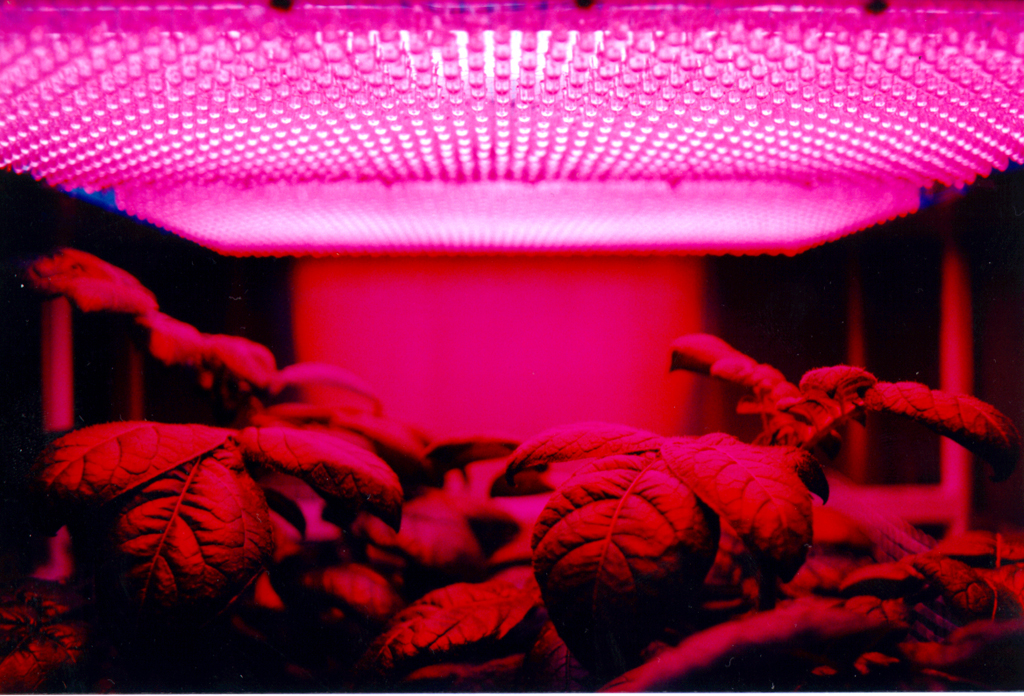
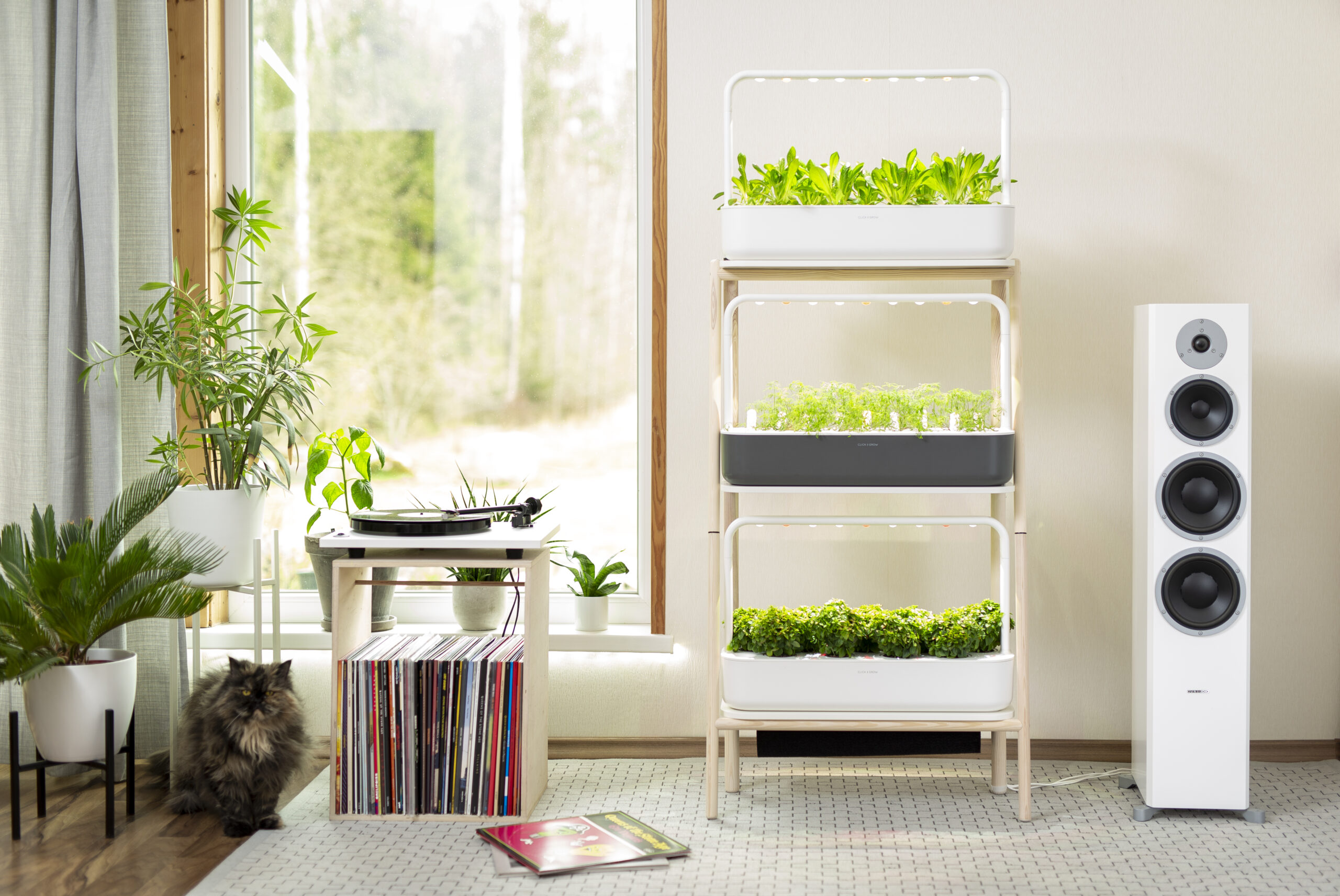
Full-spectrum LED grow lights are the most practical option for home use — they run cool, use little electricity, and last for years. Look for a light rated between 4000K and 6500K (cooler, bluer light supports vegetative growth) with an output measured in PAR or PPFD rather than just wattage, since wattage alone doesn’t indicate usable light for photosynthesis.
Position lights 12 to 24 inches above the foliage for most low- to medium-light houseplants; high-light plants like succulents or citrus may need to sit closer, around 6 to 12 inches. Run supplemental lights for 10 to 14 hours a day during the darkest months — a simple outlet timer removes the guesswork and keeps the cycle consistent, which matters more to plants than raw intensity. Avoid running grow lights around the clock; plants still need a dark rest period for normal metabolic processes.
Adjusting Water and Fertilizer for Winter
Even with supplemental lighting, most houseplants slow their growth in winter due to shorter natural daylight and cooler indoor temperatures near drafty windows. This means their water and nutrient needs drop too. Reduce watering frequency and always check the soil before adding more — a plant using less energy also transpires less water through its leaves. Overwatering during dormancy is one of the most common causes of winter plant loss, since cold, wet soil encourages root rot far more readily than in summer.
Hold off on fertilizing or cut back to a quarter-strength feeding once a month at most. Actively growing plants under strong supplemental light can tolerate light feeding, but plants in true dormancy should not be fed at all, since unused nutrients can build up as salts in the potting mix and burn roots.
Other Winter Adjustments
Wipe dust off leaves periodically — a dusty leaf surface can block a meaningful amount of already-scarce light. Keep plants away from cold drafts and heating vents, both of which stress plants further and compound low-light symptoms. If natural window light is your main source, rotate pots a quarter turn every week or two so growth doesn’t become one-sided. With a bit of extra light and a lighter hand on the watering can, most houseplants come through winter looking healthy and ready to surge again once spring daylight returns.
This article may contain affiliate links. If you purchase a product through one of these links, Plantgecko may earn a commission at no extra cost to you. This never influences our editorial independence or which products we recommend.