Amaryllis (Hippeastrum): A Spectacular Winter Bloomer
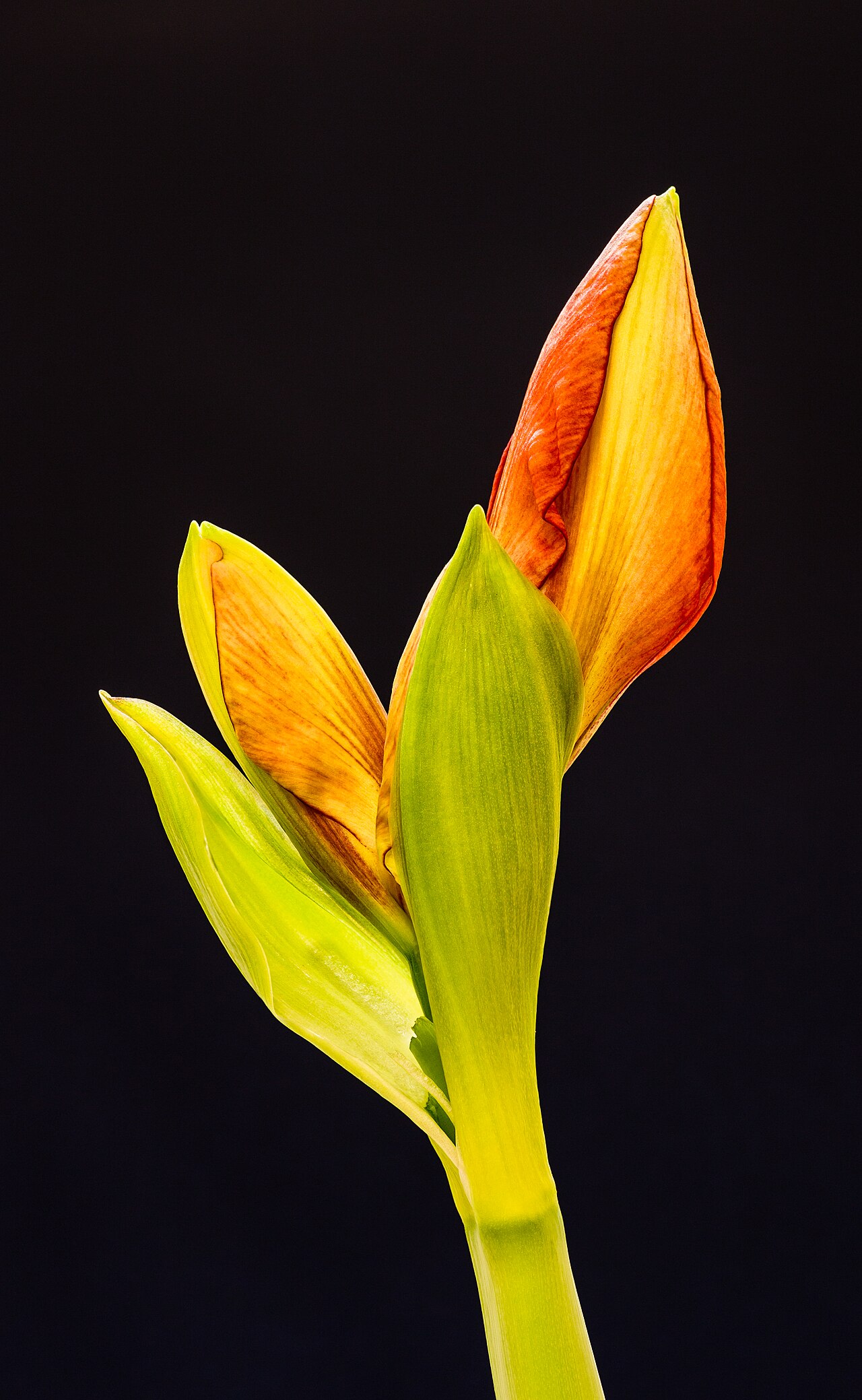
Amaryllis (Hippeastrum) produces some of the most spectacular blooms of any bulb, sending up thick, sturdy stalks topped with enormous trumpet-shaped flowers in red, white, pink, or striped patterns, often perfectly timed for the winter holiday season with proper planning.
Planting the Bulb
Choose a pot only slightly larger than the bulb itself, with good drainage, and use a well-draining potting mix. Plant the bulb so that roughly one-third to one-half of it sits above the soil line – amaryllis bulbs should never be fully buried. Water lightly at planting, then hold off on regular watering until you see the first signs of growth.
Light and Watering During Growth
Place the newly planted bulb in bright, indirect light while the flower stalk is developing; once a flower bud is visible and the stalk has some height, move it to brighter, even direct light to keep growth sturdy rather than leggy. Water when the top few centimetres of soil feel dry, being careful not to let water sit directly on top of the bulb, which can encourage rot.
Supporting the Flower Stalk
Amaryllis flower stalks grow tall and the blooms are large and heavy, so top-heavy plants can tip over. A stake inserted early, before the stalk gets too tall to avoid damaging the bulb, along with soft ties, keeps the display upright and prevents snapping.
After Flowering: The Path to Reblooming
Amaryllis bulbs can rebloom for years with the right aftercare, though it takes some planning. Once flowers fade, cut the flower stalk down to a couple of inches above the bulb, but leave the strap-like leaves intact – they photosynthesize and rebuild the bulb’s energy reserves for next year’s bloom. Continue watering and feed every few weeks with a balanced liquid fertilizer through spring and summer.
The Dormancy Period
In late summer, amaryllis naturally wants to enter dormancy. Reduce watering gradually and stop altogether once the leaves yellow and die back on their own; do not cut green leaves prematurely, as this reduces the bulb’s stored energy. Store the dormant bulb, still in its pot or removed and kept dry, in a cool, dark spot around 10 to 13°C (50 to 55°F) for eight to ten weeks.
Restarting the Cycle
After the rest period, bring the bulb back into a warm, bright spot, resume watering lightly, and new growth should emerge within a few weeks, timed so that many gardeners can reliably enjoy blooms again around the same time each year with a little practice adjusting the dormancy start date.
Common Issues
A bulb that produces only leaves and no flower stalk usually didn’t get a proper dormancy and cool rest period, or is not yet mature enough to bloom (younger, smaller bulbs may need an extra year). Soft, mushy spots on the bulb indicate rot, usually from overwatering or water sitting on the bulb’s crown, and affected bulbs should have the soft tissue trimmed away and be allowed to dry before replanting.
Timing Blooms for the Holidays
Because amaryllis takes roughly six to eight weeks from planting to flower, timing the start of growth is the key to holiday blooms. Planting a dormant bulb in late September to mid-October typically produces flowers around the December holidays, while a slightly later planting in November pushes bloom time into January. Gardeners who want continuous color often stagger plantings of several bulbs two to three weeks apart. After the initial bloom cycle, remember that reblooming the same bulb the following year depends on properly completing the post-bloom leaf-growing and dormancy cycle described above; skipping the rest period or cutting leaves too early is the most common reason a previously spectacular bulb fails to flower again the next season.
Supporting a Spectacular Bloom
Given how tall and top-heavy amaryllis flower stalks become, a simple plant stake inserted early alongside the bulb, paired with soft plant ties, prevents the frustration of a beautiful stalk snapping or toppling over just as it comes into full bloom. For gardeners hoping to rebloom the same bulb, a bulb-specific or balanced liquid fertilizer applied through the post-bloom leaf-growing phase also supports a stronger flush of flowers the following year.
Frequently Asked Questions
Can I plant amaryllis bulbs outdoors?
In warm climates (generally USDA zones 8 and above), amaryllis bulbs can be grown outdoors year-round; in colder regions they are typically grown as indoor container plants or lifted and stored over winter like other tender bulbs.
Why is my amaryllis stalk leaning or falling over?
Top-heavy flower stalks combined with insufficient light, which causes the stalk to stretch and lean toward a light source, are the most common causes. Staking early and rotating the pot regularly helps keep growth straight and sturdy.
Can one amaryllis bulb produce more than one flower stalk?
Yes, large, mature, well-fed bulbs often produce two or even three flower stalks in a single season, each with multiple blooms, giving an especially dramatic display.
Do amaryllis bulbs need to be repotted every year?
Not necessarily; amaryllis often flowers well for two to three years in the same pot. Repot when the bulb has visibly outgrown the container or produced several offset bulbs crowding the original.
This article may contain affiliate links. If you purchase a product through one of these links, Plantgecko may earn a commission at no extra cost to you. This never influences our editorial independence or which products we recommend.