Growing Tomatoes on Balcony and Terrace
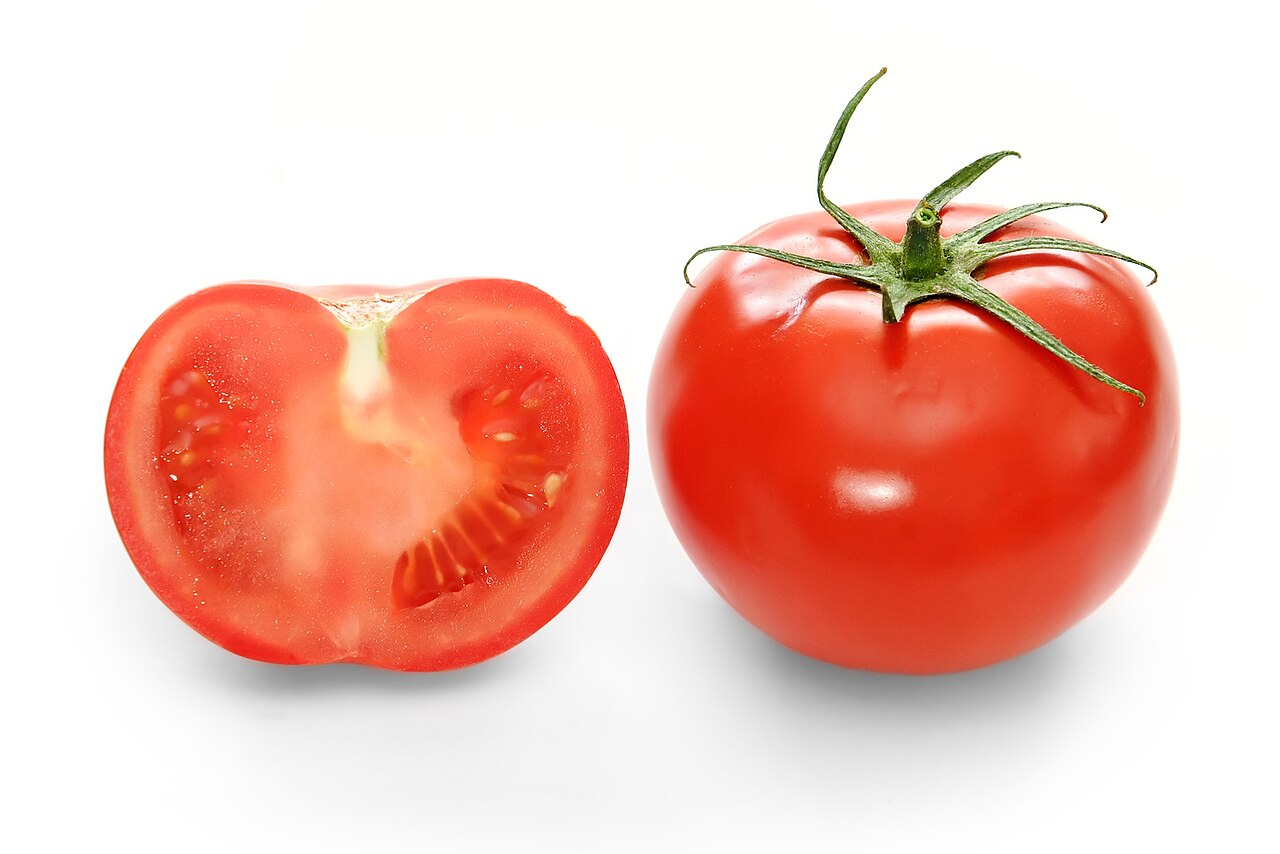
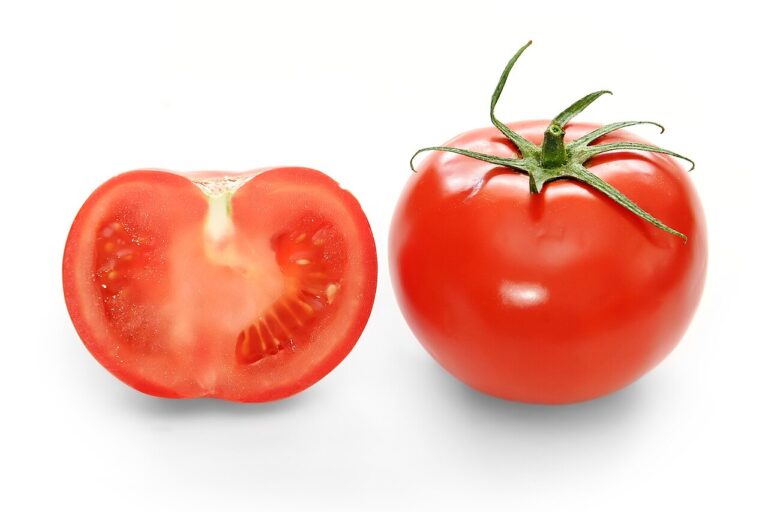
Canon 20D + Sigma 150mm f/2.8 (GFDL 1.2, Wikimedia Commons)
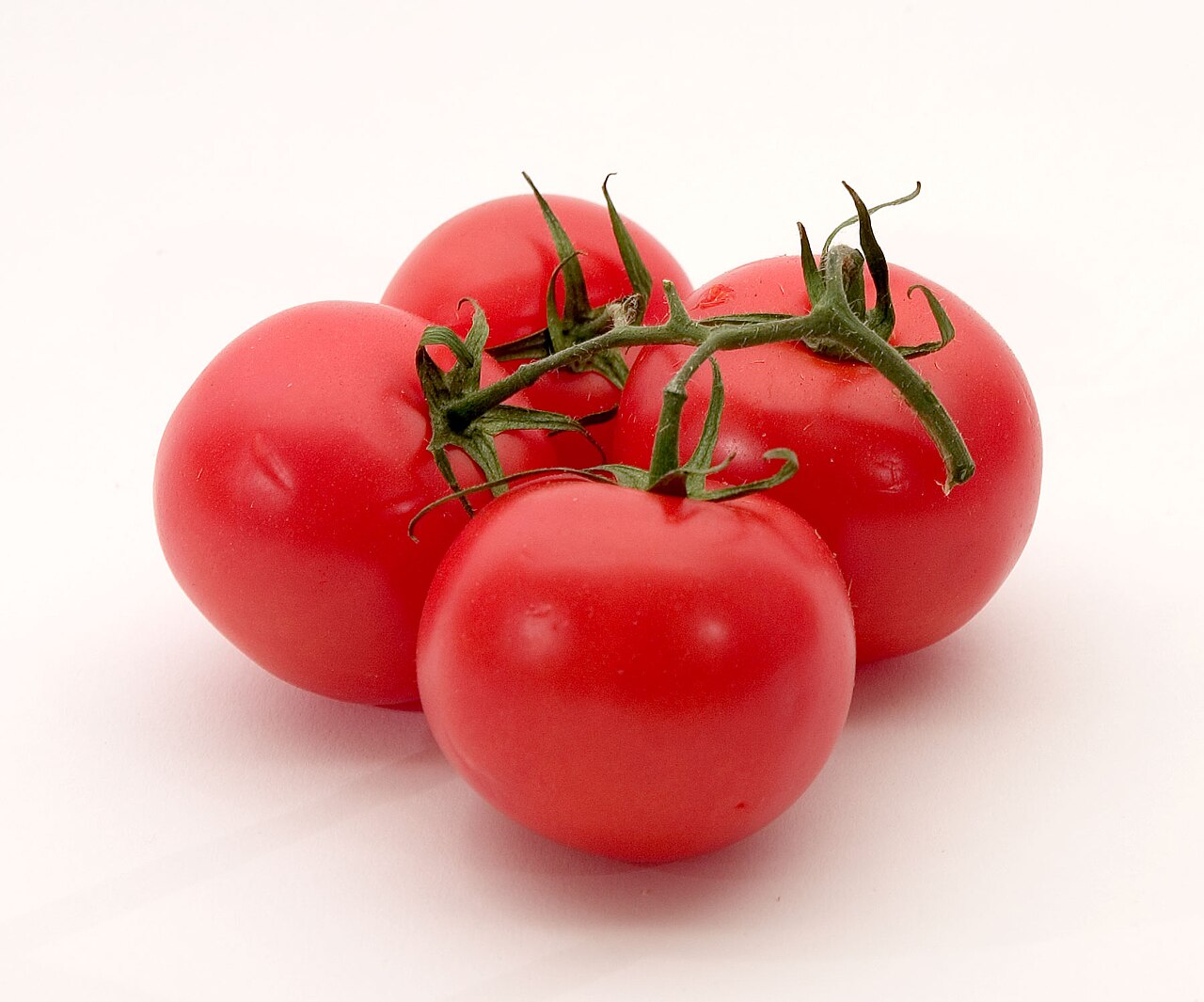
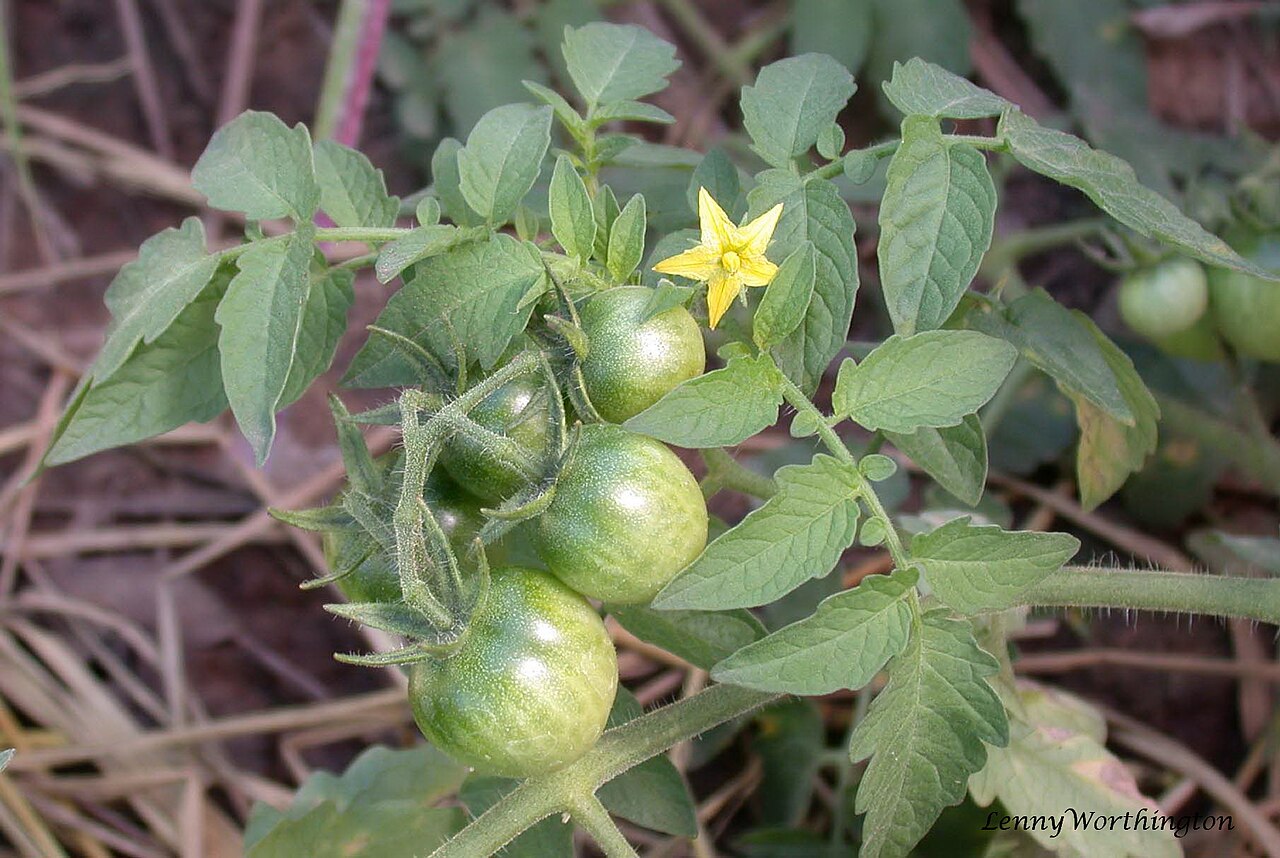
Growing your own tomatoes doesn’t require a large garden — a sunny balcony or terrace is more than enough space for a productive harvest of sweet, sun-ripened fruit that puts store-bought tomatoes to shame. Success comes down to choosing the right variety, giving plants enough root room, and staying on top of watering, since containers dry out much faster than garden soil.
Choosing the Right Variety
Not every tomato suits container growing. Determinate (bush) varieties stay compact and stop growing at a set height, making them well-suited to pots and requiring less staking. Indeterminate (vining) varieties keep growing and producing all season but need larger containers and sturdy support. Cherry and patio tomato varieties, such as ‘Tumbling Tom’ or ‘Patio Princess’, are especially forgiving for beginners and tend to be more tolerant of the temperature swings and wind exposure common on balconies.
Container Size Matters
Undersized pots are the single biggest reason balcony tomatoes underperform. Use a container holding at least 5 gallons of soil per plant — bigger is genuinely better, since tomatoes are deep-rooted, heavy feeders. A large fabric grow bag or plastic tomato planter with drainage holes works well and is often more affordable than ceramic options of the same size.
Sun and Placement
Tomatoes need at least 6-8 hours of direct sun daily to fruit well; less than that produces mostly leafy growth and disappointing yields. A south- or west-facing balcony is ideal. Be aware that reflected heat from walls and paving can push container temperatures higher than expected, which is usually beneficial for tomatoes but may increase watering needs significantly on hot days.
Watering Consistency
Container tomatoes need consistent, even watering — irregular watering, especially alternating between very dry and very wet, is the main cause of blossom end rot (a dark, sunken patch on the fruit bottom caused by disrupted calcium uptake) and cracked fruit. In hot weather, daily watering is often necessary; a saucer beneath the pot or a simple drip system can help maintain consistency when you can’t check plants every day.
Feeding for Fruit Production
Tomatoes are hungry plants. Start with a balanced fertilizer at planting, then switch to a tomato-specific fertilizer higher in potassium once flowering begins, since potassium supports fruit development while excess nitrogen mainly produces leafy growth at the expense of tomatoes. Feed every one to two weeks throughout the fruiting season, following label dilution rates carefully to avoid overfeeding.
Staking and Support
Even determinate varieties usually benefit from a stake or small cage once fruit weighs the stems down; indeterminate types absolutely require sturdy support, ideally 5-6 feet tall, installed at planting time before roots fill the container and staking becomes disruptive. Tie stems loosely as they grow, and consider pinching out side shoots (suckers) on indeterminate varieties to focus energy into fewer, larger trusses of fruit.
Common Balcony Problems
Wind exposure on upper-floor balconies can be more damaging than expected, snapping stems and drying soil rapidly — a wind-sheltered corner or a temporary windbreak helps considerably. Blossom drop, where flowers fall without setting fruit, is often caused by temperatures above 90°F or below 55°F, or by inconsistent watering, rather than a pest problem. Aphids and whitefly can appear on balcony plants due to lack of natural predators; a strong water spray or insecticidal soap usually keeps populations in check.