Honeysuckle (Lonicera): Fragrant Climbing Plant for Summer Evenings
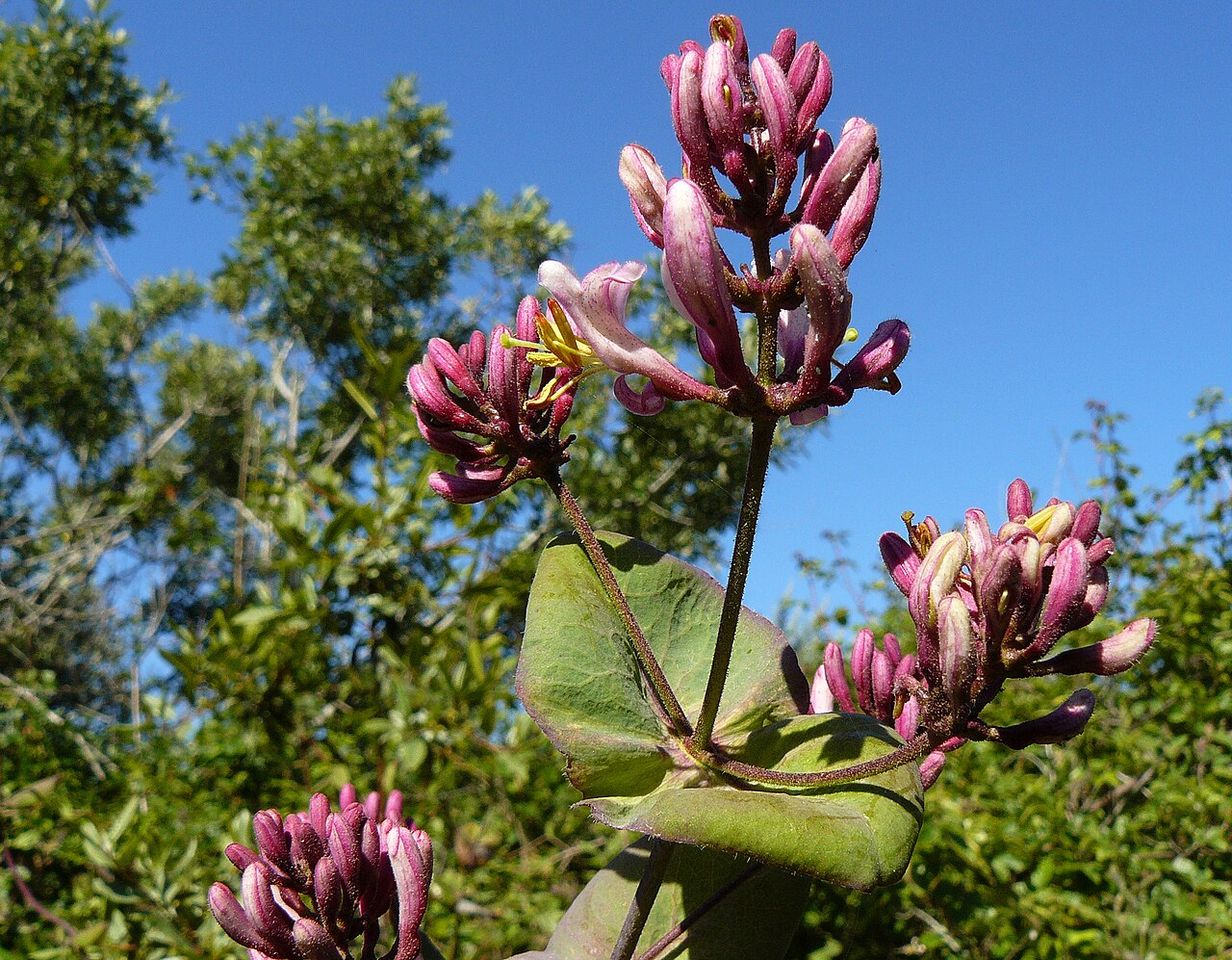
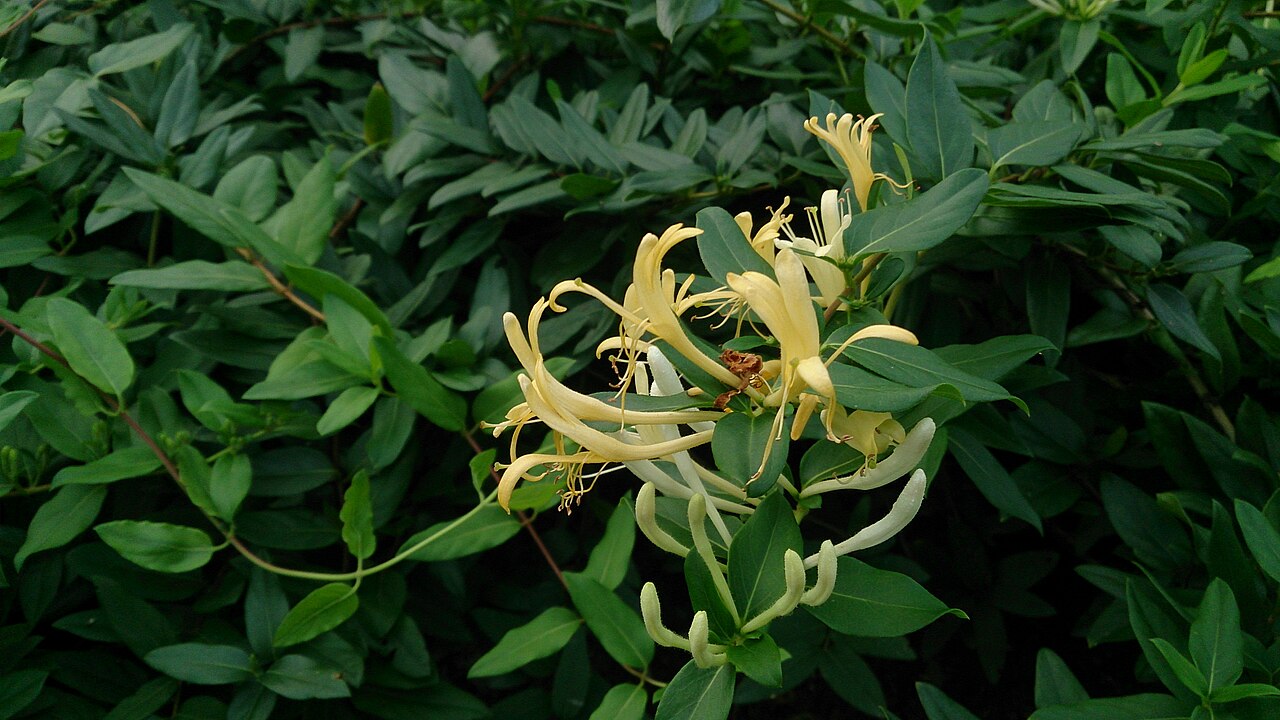
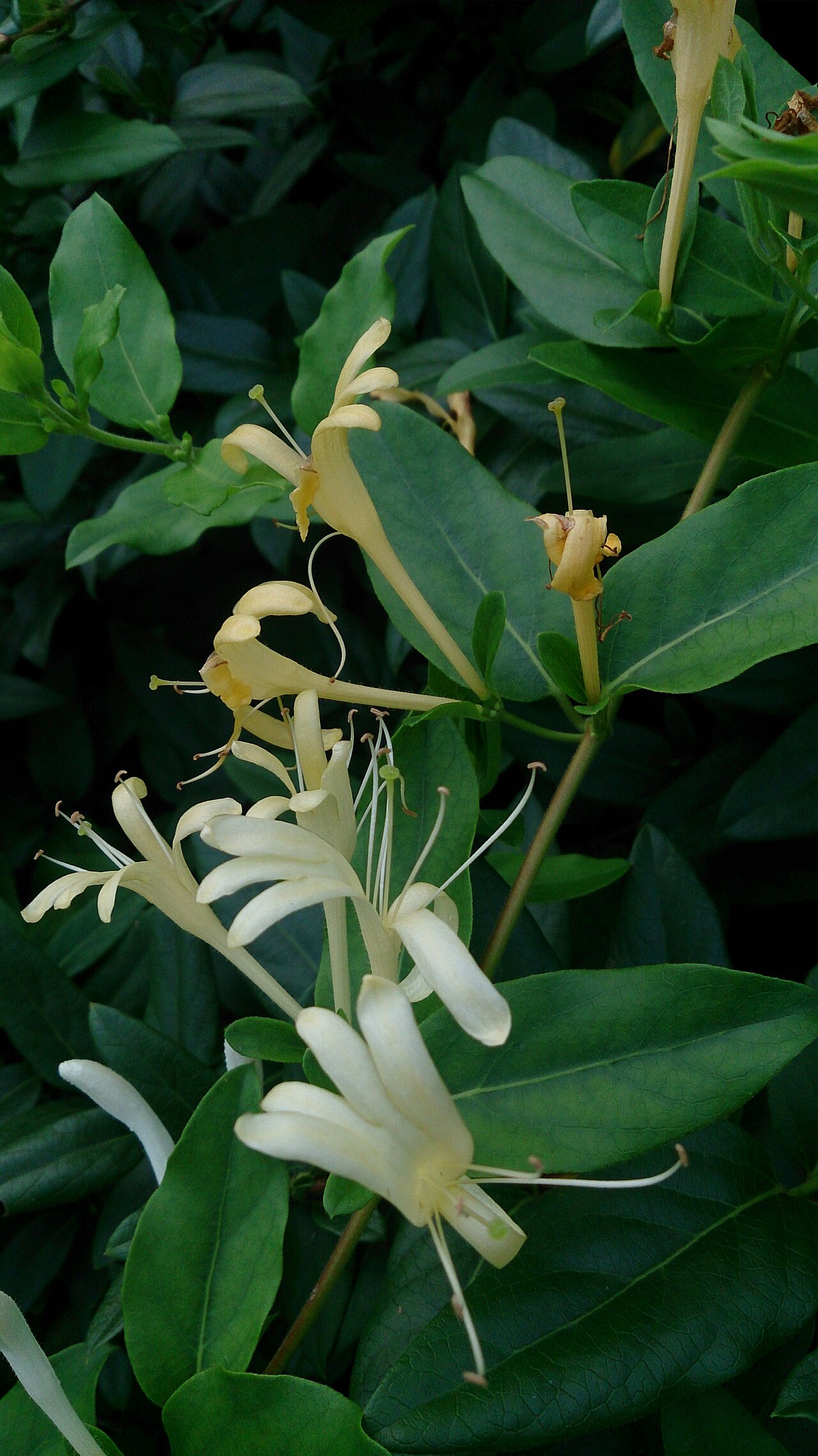
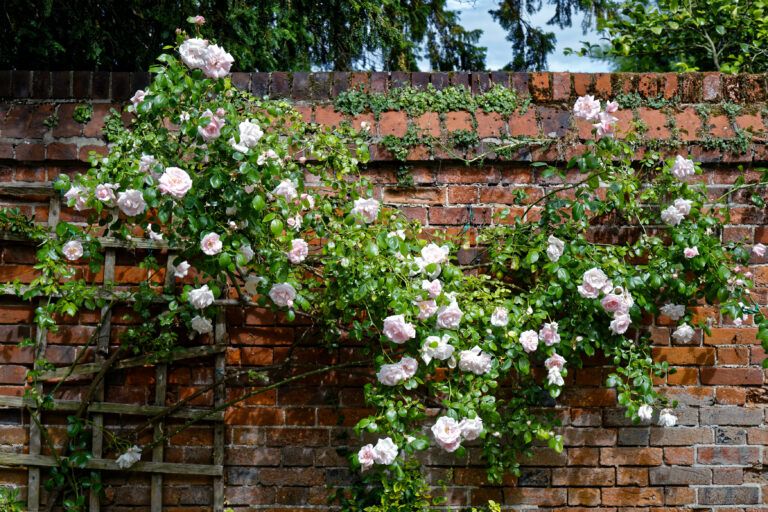
Honeysuckle (Lonicera) is one of the most sensuous climbing plants in the garden. Especially in the evening hours, it releases an intoxicatingly sweet fragrance that attracts moths and other insects. Its trumpet-shaped flowers, in cream-white, yellow, pink, and red tones, open in summer and transform fences, pergolas, and house walls into fragrant walls of blossom.
Species Diversity and Varieties
The best-known climbing honeysuckle is Lonicera caprifolium, the native perfoliate honeysuckle, which bears cream-white, fragrant flowers in May and June. Lonicera periclymenum, the common honeysuckle, blooms from June to September and is especially valuable for native insect life. The variety ‘Serotina’ impresses with purple buds and flowers that are purple outside and yellowish inside. ‘Graham Thomas’ has an especially strong fragrance and bears pure white flowers that later turn yellow. Evergreen honeysuckle (Lonicera henryi) keeps its leaves through winter and is excellent for year-round green privacy screens.
Location and Planting
The ideal spot for honeysuckle is partial shade with a cool, moist root zone — as with clematis, the rule is “head in the sun, feet in the shade.” The soil should be humus-rich, loose, and evenly moist. Planting is best done in spring or autumn. Plant one specimen per running meter of climbing area. Underplanting with low perennials shades the root zone and helps retain soil moisture.
Care and Uses
Honeysuckle grows about 30 to 60 centimeters per year and needs a sturdy support to climb. Pruning is done after flowering — heavily overgrown plants can be cut back hard in spring and will reliably resprout. Regular watering during dry spells and a spring feeding with compost encourage lush growth and abundant flowering. Honeysuckle works beautifully as a privacy screen on fences, for greening pergolas, and for planting near seating areas, where its evening fragrance is best appreciated. Caution: the red berries of many species are mildly toxic and should not be eaten.
This article may contain affiliate links. If you purchase a product through one of these links, Plantgecko may earn a commission at no extra cost to you. This never influences our editorial independence or which products we recommend.