Best Soil Mixes for Houseplants: DIY Recipes and Commercial Mix Reviews
Why Your Potting Mix Matters
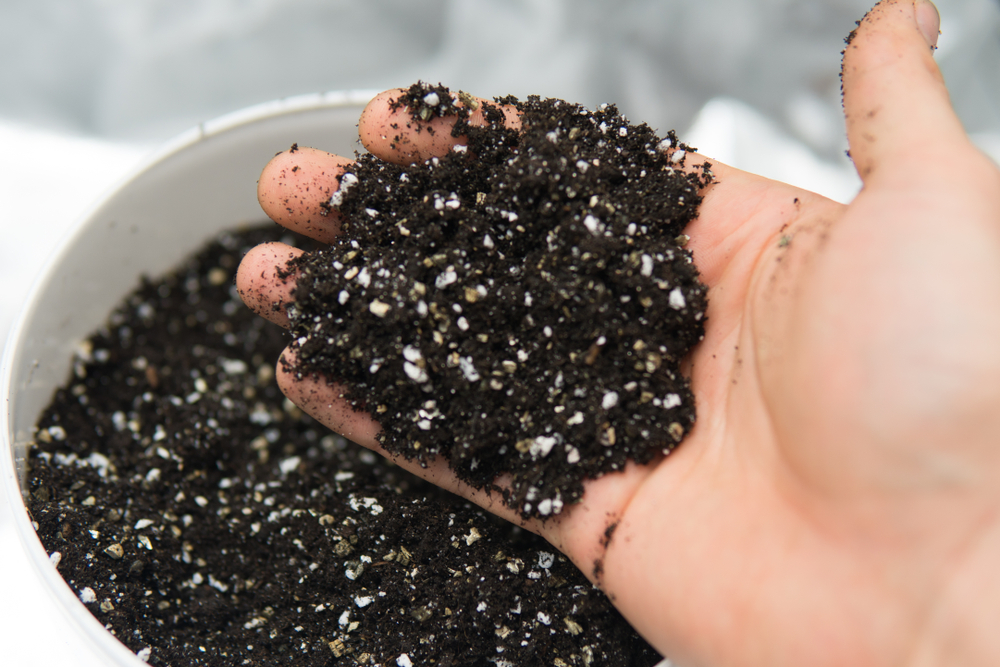
Ask any experienced indoor gardener about the single most impactful change they made to their plant care routine, and a surprising number will point to potting mix. The soil, or more accurately the growing medium, is the foundation of everything: it anchors the roots, holds water and nutrients, provides aeration, and hosts the complex microbial life that supports root health. Get the potting mix wrong, and even perfect watering habits and optimal light will not save a plant from a slow decline. Get it right, and many common houseplant problems simply never materialize.
This guide explains what makes a good potting mix, breaks down the function of each common ingredient, provides DIY recipes for different plant types, and compares some of the most popular commercial mixes available.
What Makes a Good Potting Mix?
A high-quality potting mix balances three competing demands: it must retain enough water to keep roots hydrated between waterings, drain quickly enough to prevent roots from sitting in saturated conditions, and maintain enough air pockets that oxygen can reach the root zone. These three properties, water retention, drainage, and aeration, are sometimes called the “soil triangle” of container gardening.
In nature, soil structure is maintained by earthworms, fungal networks, freeze-thaw cycles, and the gradual decomposition of organic matter. In a pot, none of these processes operate effectively, so the potting mix must be engineered to maintain its structure over time. A mix that starts out well-draining can compact into dense, airless sludge within 6 to 12 months if it is composed primarily of fine peat or compost.
The other critical factor is pH. Most houseplants prefer a slightly acidic to neutral pH range of 5.5 to 6.5. Some ingredients, particularly peat moss, are naturally acidic and may need to be balanced with lime. Others, like coir, are closer to neutral.
Key Potting Mix Ingredients Explained
Peat Moss
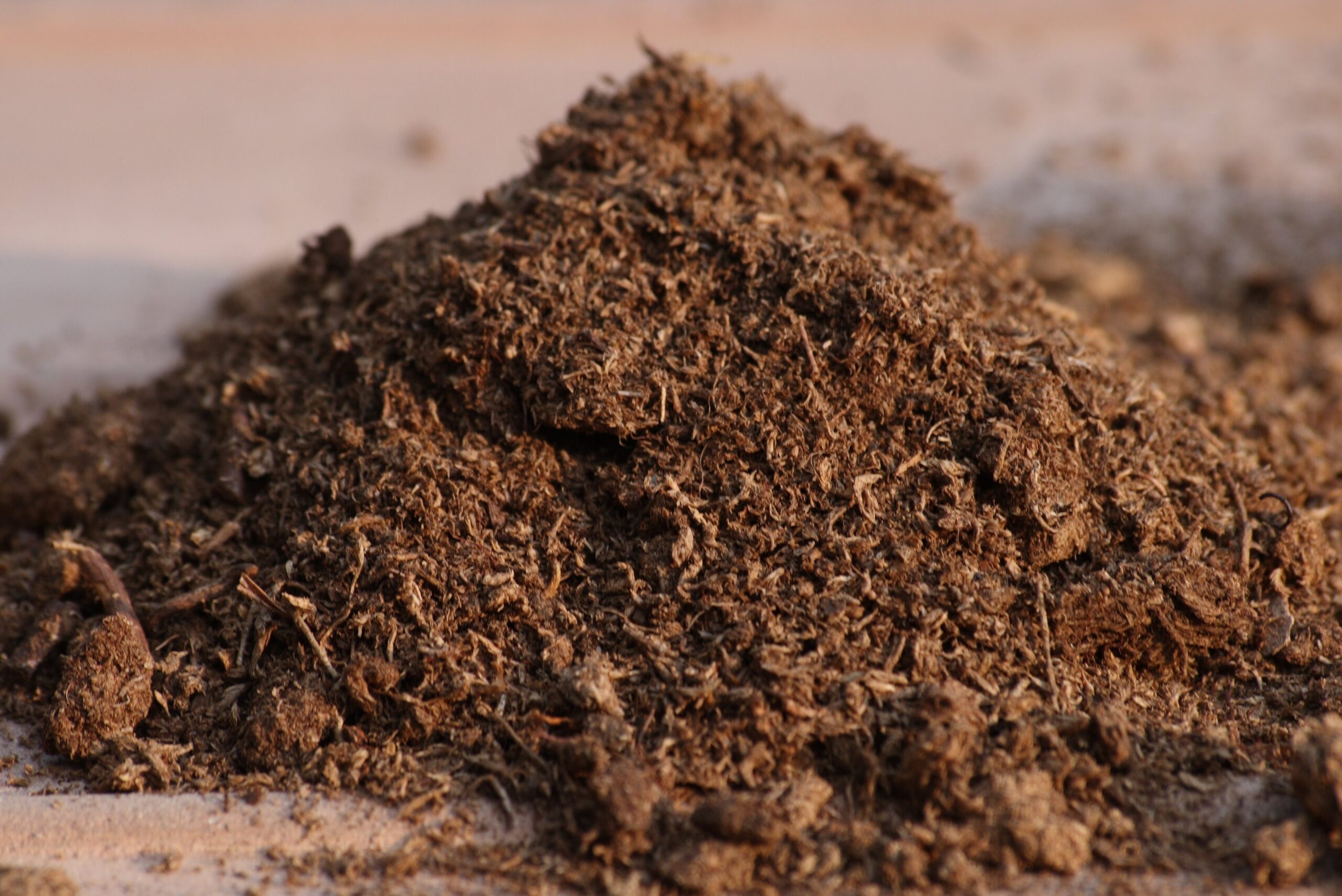
Sphagnum peat moss is the base of most commercial potting mixes. It is lightweight, holds up to 20 times its weight in water, and has a fibrous structure that resists compaction better than compost. The downside is sustainability: peat is harvested from bogs that take thousands of years to form, and peat mining releases significant carbon dioxide. Peat is also naturally acidic (pH 3.5 to 4.5) and becomes hydrophobic when allowed to dry out completely, repelling water rather than absorbing it.
Coconut Coir
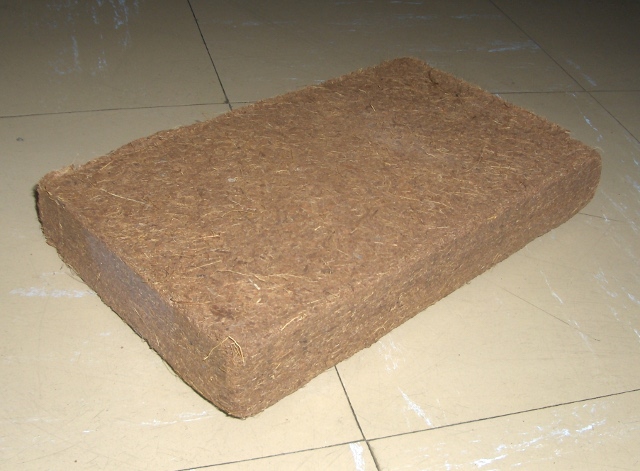
Coir, made from the fibrous husks of coconuts, is increasingly popular as a peat alternative. It holds water similarly well, is closer to pH neutral (5.8 to 6.8), and re-wets easily after drying. Coir is a byproduct of the coconut industry and is considered more sustainable than peat. The trade-off is that coir can be high in salts if not properly washed during processing, and it breaks down slightly faster than peat. Always buy coir labeled as “washed” or “low EC” for horticultural use.
Perlite
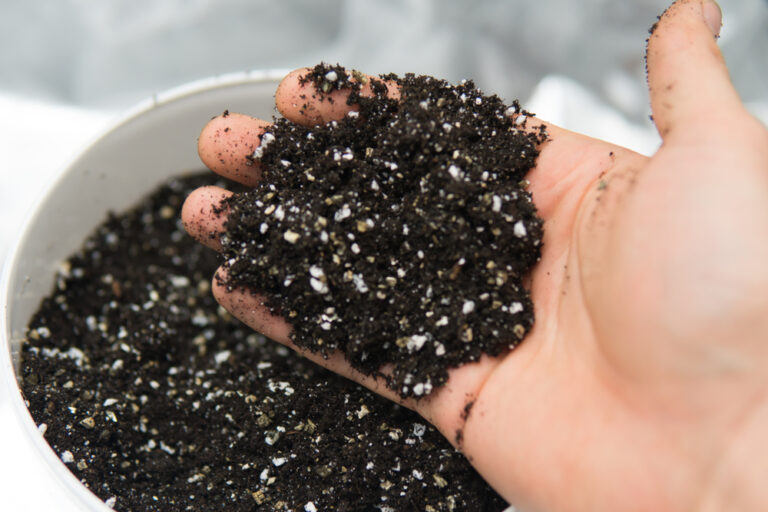
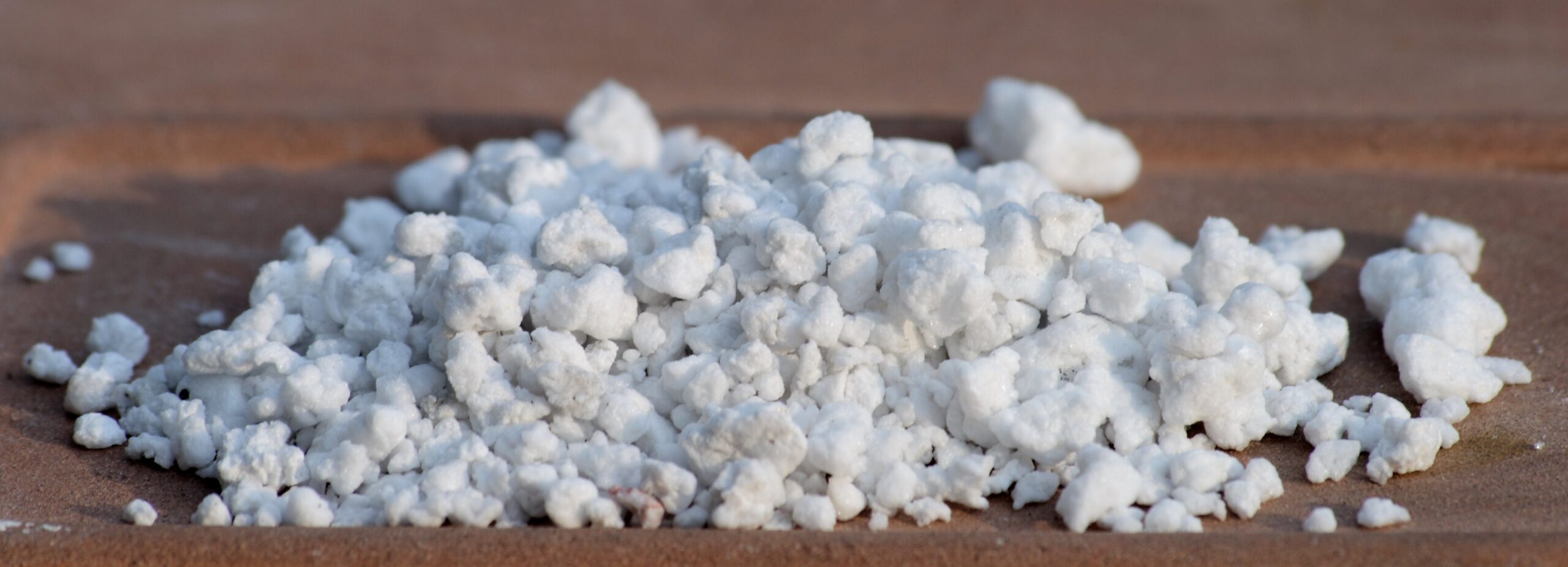
Those small white granules you see in potting mixes are perlite, a volcanic glass that has been heated to over 870 degrees Celsius (1600 degrees Fahrenheit), causing it to expand like popcorn. Perlite is lightweight, sterile, pH-neutral, and does not decompose. Its primary function is to create air pockets in the mix and improve drainage. It holds some water on its rough surface but does not absorb it internally.
Vermiculite
Often confused with perlite, vermiculite is a mica-like mineral that expands into accordion-shaped particles when heated. Unlike perlite, vermiculite absorbs and holds water and nutrients within its layered structure, releasing them gradually. It is ideal for plants that prefer consistently moist conditions, such as ferns, calatheas, and prayer plants, but should be used sparingly in mixes for succulents, cacti, or other plants that need sharp drainage.
Orchid Bark / Pine Bark Fines
Chunky bark pieces, typically from fir or pine, are a staple ingredient for epiphytic plants (orchids, bromeliads, many aroids) and are increasingly added to general houseplant mixes. Bark creates large, stable air pockets, resists compaction for years, and slowly releases organic acids as it decomposes. Bark-based mixes are the gold standard for aroids like Monstera, Philodendron, and Anthurium.
Horticultural Charcoal
Charcoal is not just for terrariums. Added to potting mixes at 5 to 10 percent by volume, it absorbs excess moisture, helps prevent fungal and bacterial issues, and keeps the mix “sweet” by filtering impurities. It is particularly useful in mixes for plants that are prone to root rot.
Worm Castings
Worm castings are the end product of earthworm digestion and are rich in beneficial microbes, enzymes, and slow-release nutrients. Added at 10 to 20 percent of a mix, they improve soil structure, provide gentle fertilization, and suppress certain soil-borne pathogens. They are an excellent ingredient for organic gardeners.
Sand and Grit
Coarse builder’s sand or horticultural grit adds weight and dramatically improves drainage. This is essential for succulents, cacti, and Mediterranean herbs. Do not use fine play sand or beach sand, which compacts and impedes drainage. Look for sand labeled as “horticultural sand” or “coarse sharp sand” with particle sizes of 2 to 4 millimeters.
DIY Potting Mix Recipes
General Houseplant Mix (Aroids, Ficus, most foliage plants)
- 40% high-quality potting soil or coir
- 30% perlite
- 20% orchid bark (medium grade)
- 10% worm castings
This mix drains freely while retaining adequate moisture. The bark keeps it chunky and well-aerated for at least 18 to 24 months before it needs refreshing. This is an excellent all-purpose blend for Monstera, Philodendron, Pothos, Ficus, and most other common houseplants.
Succulent and Cactus Mix
- 30% potting soil or coir
- 30% perlite or pumice
- 30% coarse sand or horticultural grit
- 10% orchid bark (fine grade)
This mix is sharply draining and dries within 2 to 3 days after watering. It mimics the gritty, mineral-rich soils that succulents and cacti grow in naturally. Avoid adding worm castings or other rich organic amendments to cactus mixes; these plants have evolved in nutrient-poor environments and grow best in lean soil.
Moisture-Retentive Mix (Ferns, Calathea, Maranta, Peace Lily)
- 40% potting soil or coir
- 20% perlite
- 20% vermiculite
- 10% orchid bark (fine grade)
- 10% worm castings
The addition of vermiculite helps this mix stay evenly moist, which is exactly what humidity-loving tropical foliage plants prefer. The bark and perlite still provide drainage, but the overall moisture retention is higher than in the general mix.
Orchid Mix (Phalaenopsis, Cattleya, Dendrobium)
- 60% medium-grade fir bark
- 20% sphagnum moss (for moisture retention)
- 10% perlite (large grade)
- 10% horticultural charcoal
This is a true epiphyte mix with large particle sizes and maximum aeration. The sphagnum moss holds some moisture between waterings, but the overall structure is extremely open and airy. Some growers prefer 100% bark or 100% sphagnum, but this blend provides a balanced middle ground.
Seed Starting Mix
- 50% coir or fine peat
- 25% perlite (fine grade)
- 25% vermiculite
This mix is fine-textured, sterile, and moisture-retentive without being soggy. It provides the consistent moisture and gentle structure that germinating seeds need. Do not add fertilizer at the seed-starting stage; seedlings get all their initial nutrition from the seed itself.
Commercial Potting Mix Reviews
| Product | Best For | Notes |
|---|---|---|
| FoxFarm Ocean Forest | General houseplants, heavy feeders | Rich in composted forest humus, bat guano, and earthworm castings. Excellent nutrient content but may be too rich for succulents. Drains well but retains moisture effectively. |
| Espoma Organic Potting Mix | Organic gardeners, all houseplants | Peat-based with added mycorrhizae and yucca extract for water penetration. A reliable, widely available option. Benefits from added perlite for aroids. |
| Black Gold Cactus Mix | Succulents and cacti | Ready to use out of the bag with good drainage. Contains pumice, perlite, and composted forest products. One of the better off-the-shelf succulent mixes. |
| Bonsai Jack Succulent Soil | Succulents, especially Echeveria and Lithops | Extremely gritty and fast-drying. Composed of montmorillonite clay, pine bark, and grit. Excellent for plants that demand sharp drainage but may dry too quickly in hot, arid climates. |
| Better-Gro Special Orchid Mix | Phalaenopsis and Cattleya orchids | Chunky fir bark with charcoal and perlite. A solid, no-nonsense orchid mix at a reasonable price. Works for mounting epiphytic aroids as well. |
| Molly’s Aroid Mix | Aroids (Monstera, Philodendron, Anthurium) | A pre-blended mix containing bark, coir, perlite, charcoal, and worm castings. Saves the effort of sourcing individual ingredients and produces excellent results for aroids. |
Signs Your Potting Mix Is Wrong
- Water pools on the surface and runs down the sides: The mix has become hydrophobic. Peat-heavy mixes are prone to this. Soak the entire pot in a bucket of water for 30 minutes to rehydrate, or top-dress with fresh coir.
- Soil stays wet for more than a week: Drainage is insufficient. The mix is too dense or the pot lacks drainage holes. Repot with more perlite or bark added to the mix.
- White crust on the soil surface: Mineral salt buildup from hard water or over-fertilization. Scrape off the crust, flush the soil thoroughly with distilled water, and consider switching to filtered water.
- Fungus gnats everywhere: These pests breed in consistently moist, organic-rich soil. Let the top 3 to 5 centimeters of soil dry out between waterings and consider adding a layer of horticultural sand or fine gravel to the surface as a barrier.
- Roots emerging from drainage holes: Not a soil problem per se, but the plant is root-bound and needs repotting into a larger container with fresh mix.
How Often Should You Change Potting Mix?
Potting mix does not last forever. Most peat- and coir-based mixes begin to break down and compact within 12 to 24 months. Bark-based aroid mixes last longer, typically 2 to 3 years. As a general rule, repot most houseplants every 1 to 2 years with fresh potting mix, even if the plant has not outgrown its pot. You do not need to replace all the mix every time; gently shaking off the loose, degraded material from the root ball and replacing it with fresh mix in the same pot, sometimes called a “soil refresh,” is often sufficient.
Recommended Potting Mix Supplies
- Indoor Potting Mix: A high-quality indoor potting mix provides a solid foundation that you can customize with additional amendments.
- Horticultural Perlite: Horticultural perlite is the most versatile soil amendment for improving drainage and aeration in any mix.
- Orchid Bark: Fir bark creates the chunky, airy structure that aroids and epiphytes need to thrive.
- Worm Castings: Pure worm castings add beneficial microbes and gentle, slow-release nutrition to your homemade mixes.
- Coconut Coir: Compressed coconut coir bricks are a sustainable, peat-free alternative that expands into a generous volume when hydrated.
At a Glance: Price and Best Use
A condensed price-and-use comparison of the commercial mixes reviewed above.
| Product | Price Tier | Key Differentiator | Best For |
|---|---|---|---|
| FoxFarm Ocean Forest | $$$ | Nutrient-dense, ready to use out of the bag | Heavy-feeding foliage plants |
| Espoma Organic Potting Mix | $$ | OMRI organic with added mycorrhizae | Organic-focused, all-purpose use |
| Black Gold Cactus Mix | $$ | Pre-mixed pumice and perlite, ready out of the bag | Succulents and cacti without DIY mixing |
| Molly’s Aroid Mix | $$$ | Pre-blended bark, coir, perlite, and charcoal | Aroid collectors wanting a done-for-you chunky mix |