Forsythia: Growing the Bright Yellow Herald of Spring
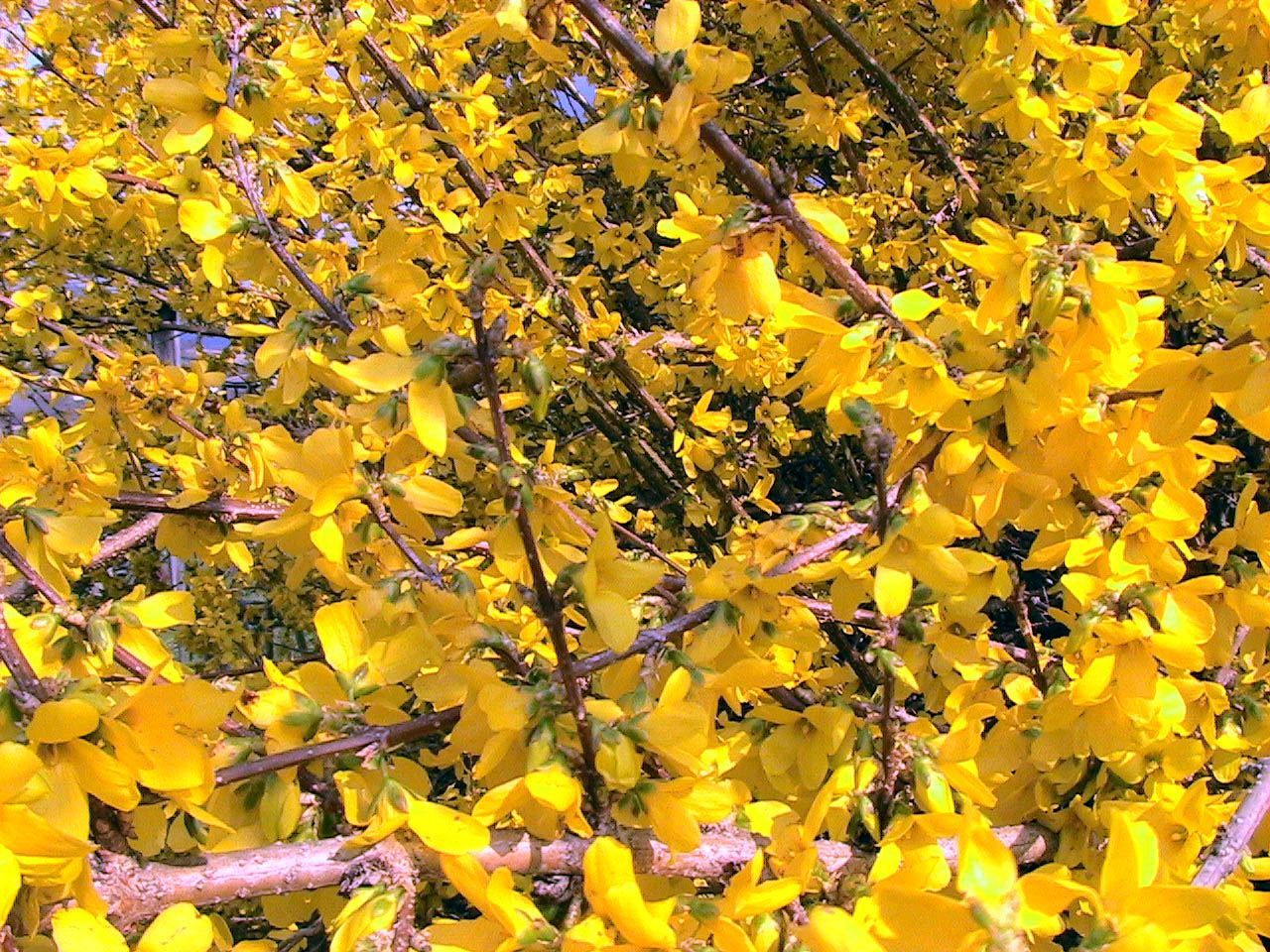
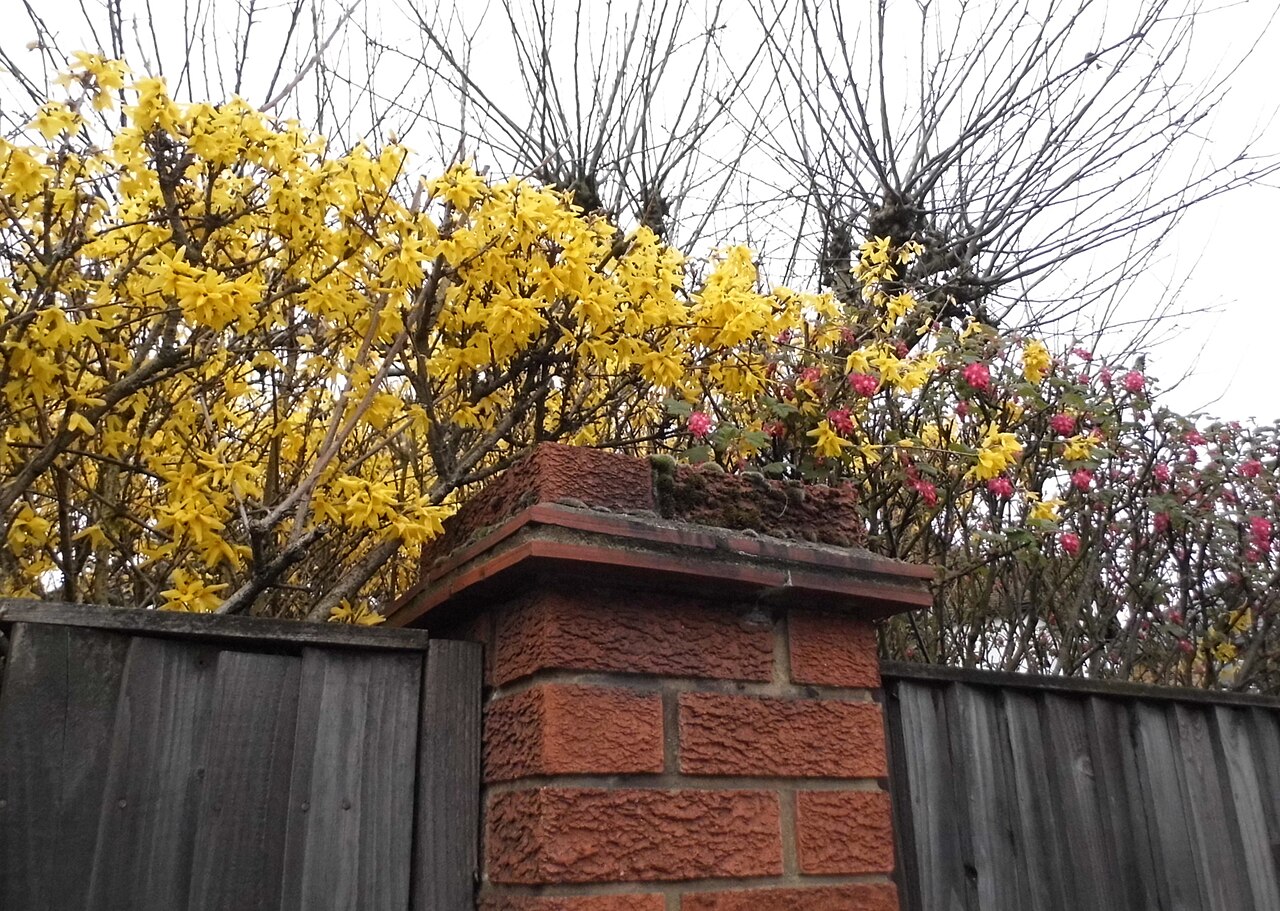
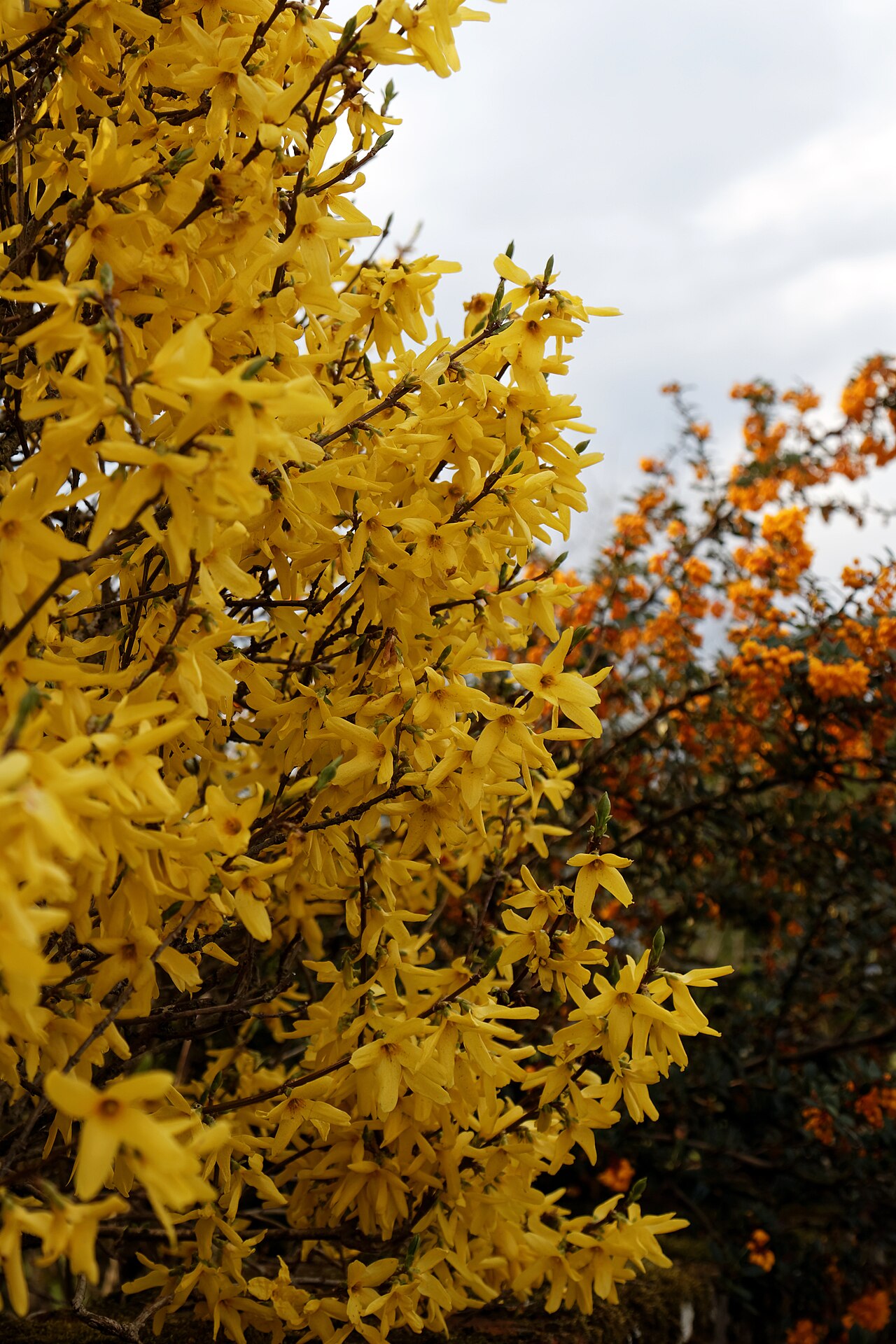
One of the First Signs of Spring
Forsythia is a deciduous shrub prized for producing masses of small, four-petaled bright yellow flowers along its bare branches weeks before the leaves emerge, making it one of the earliest and most visible signals that winter is ending. Native to eastern Asia and named after the Scottish botanist William Forsyth, it is tough, fast-growing, and extremely easy to care for, which has made it a garden staple for generations. Most garden varieties grow into an arching, fountain-shaped shrub 1.5 to 3 metres tall and wide.
Site, Soil, and Watering
Forsythia flowers most heavily in full sun, though it tolerates partial shade at the cost of a sparser bloom. It is not fussy about soil type and will grow in anything from sandy to clay soil, provided drainage is reasonable; it does not tolerate permanently waterlogged ground. Once established, forsythia is quite drought-tolerant and rarely needs supplemental watering except during extended dry spells in its first one to two years, when deep watering helps the root system establish.
Feeding requirements are minimal. A light application of balanced, slow-release fertilizer in early spring, before flowering, is sufficient; over-fertilizing tends to encourage leafy growth at the expense of flowers.
Pruning: Timing Is Everything
Forsythia blooms on wood produced the previous year, so correct pruning timing is critical to avoid cutting off next year’s flowers. Prune immediately after flowering finishes in spring, never in autumn or winter. Remove around one-third of the oldest, thickest stems at ground level each year to rejuvenate the shrub and keep it from becoming a woody, flower-sparse tangle. Lightly shape the remaining stems if needed, but avoid shearing it into a tight ball, which destroys its natural arching habit and reduces flowering.
Neglected, overgrown forsythia responds well to hard renewal pruning: cutting the entire shrub back to 15–20 cm above the ground in late winter. It will regrow vigorously through the following season, though it typically skips flowering for a year while it rebuilds.
Common Problems
- Sparse flowering: usually caused by pruning at the wrong time of year, too much shade, or late frosts damaging the flower buds after a mild winter tricked them into swelling early.
- Leggy, bare-based growth: a sign the shrub has gone too long without renewal pruning; remove old stems at the base to encourage fresh growth from the crown.
- Leaf spot and twig blight: occasional fungal issues in humid conditions; improve air circulation by thinning dense growth and avoid overhead watering.
Propagation
Forsythia roots so readily that it is one of the easiest shrubs to propagate at home. Softwood cuttings taken in late spring or early summer root within a few weeks in a moist potting mix. Even simpler, forsythia branches that touch the ground often root naturally where they contact soil; these can be dug up as small rooted plants and transplanted. Hardwood cuttings taken in late autumn, and hardwood dormant cuttings kept over winter, also root reliably.
This article may contain affiliate links. If you purchase a product through one of these links, Plantgecko may earn a commission at no extra cost to you. This never influences our editorial independence or which products we recommend.