Hydrangea Care: From Bigleaf to Panicle Types
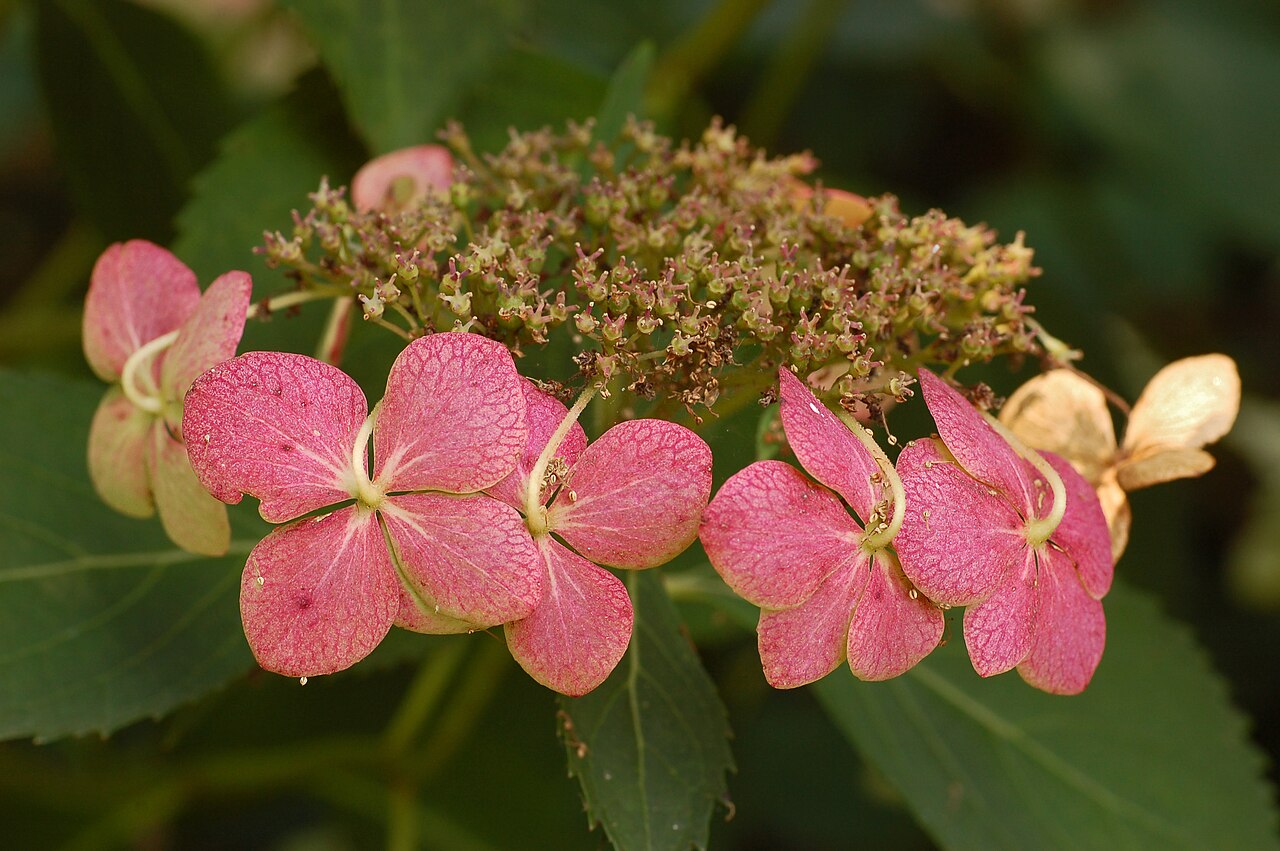
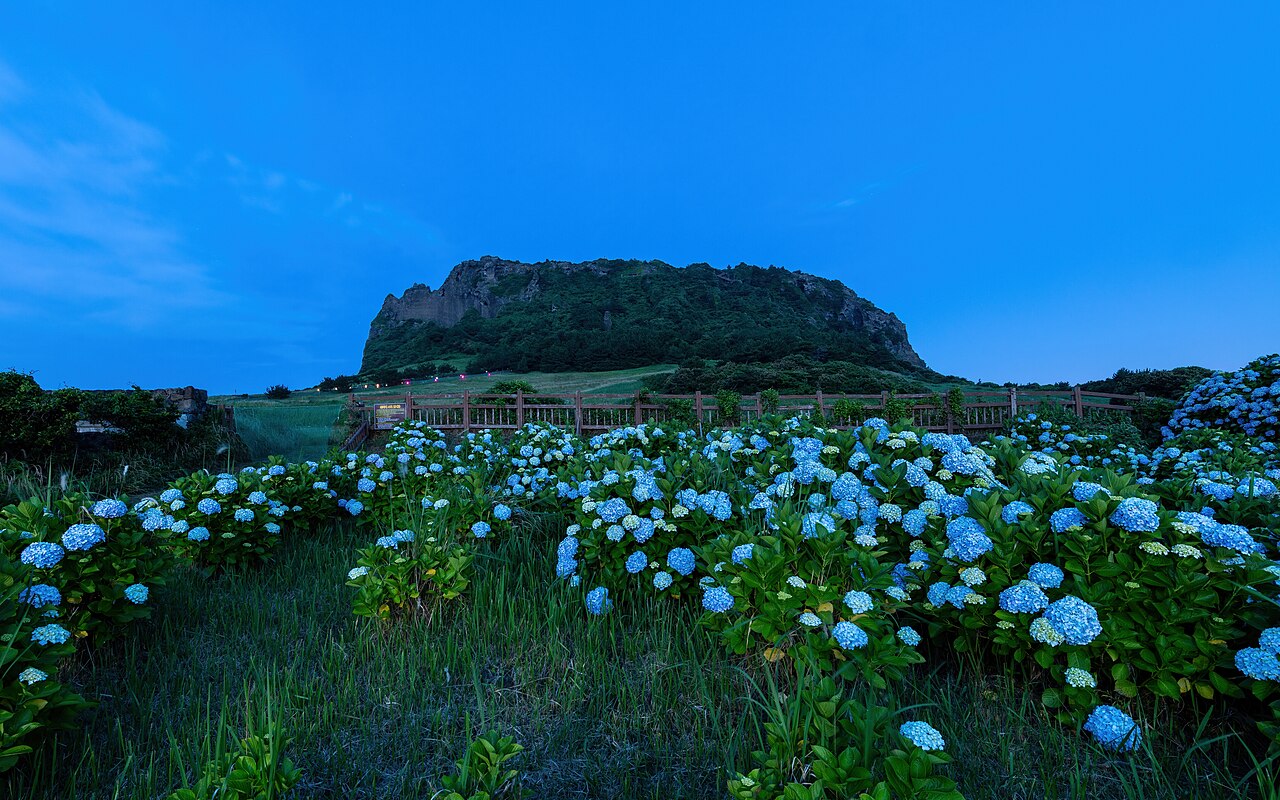
Few shrubs give as much color for so little effort as the hydrangea. From the huge mophead and lacecap flowers of bigleaf types to the cone-shaped blooms of panicle hydrangeas, this genus offers something for nearly every garden, from a shady courtyard corner to a full-sun border. Understanding which type you have is the single most important step in caring for one correctly, since pruning and bloom-color needs differ significantly between species.
Bigleaf Hydrangea (Hydrangea macrophylla)
This is the classic hydrangea most people picture, with rounded mophead or flat lacecap flowers in blue, pink, purple, or white. Bigleaf hydrangeas bloom on old wood — the stems grown the previous year — which is why hard pruning or a late frost can wipe out a whole season of flowers. They prefer morning sun with afternoon shade, and consistently moist, humus-rich soil; the name ‘hydrangea’ literally references its thirst for water.
Panicle Hydrangea (Hydrangea paniculata)
Panicle hydrangeas, including popular varieties like ‘Limelight’ and ‘Little Lime’, produce cone-shaped flower clusters that open lime-green to white and often age to pink or burgundy by autumn. Unlike bigleaf types, they bloom on new wood grown the same season, so they can be pruned hard in late winter without sacrificing flowers. They also tolerate full sun and are noticeably more cold-hardy and drought-tolerant than bigleaf hydrangeas, making them a better choice for exposed or drier sites.
Other Common Types
Smooth hydrangea (Hydrangea arborescens), including ‘Annabelle’, also blooms on new wood and produces large white or pink globes; it’s very cold-hardy and tolerant of hard pruning. Oakleaf hydrangea (Hydrangea quercifolia) offers attractive lobed foliage with brilliant autumn color in addition to its elongated white flower panicles, and generally needs minimal pruning.
Changing Flower Color
For bigleaf hydrangeas, flower color is determined by soil pH and aluminum availability, not variety alone — white hydrangeas are the exception and stay white regardless. Acidic soil (pH below 6) with available aluminum produces blue flowers; alkaline soil (pH above 7) produces pink. To shift blooms bluer, work in aluminum sulfate soil amendment; to shift them pinker, apply garden lime. Changes take a full season or more to show, since they depend on what the roots absorb as new growth develops.
Watering and Soil
Hydrangeas, especially bigleaf types, are notorious for wilting dramatically in hot afternoon sun even when the soil is adequately moist — this is a natural response to large leaf surface area, and the plant usually recovers by evening. Consistent watering, a thick mulch layer, and morning-sun placement all reduce this stress. Panicle and smooth hydrangeas are considerably more drought-tolerant once established.
Pruning by Type
This is where most hydrangea mistakes happen. Bigleaf and oakleaf hydrangeas should only be pruned right after flowering, removing spent blooms and any dead wood, since next year’s flower buds form later that same summer on the current stems. Panicle and smooth hydrangeas can be cut back hard in late winter or early spring, well before new growth starts, without affecting flowering. If in doubt about which type you have, prune lightly and only remove clearly dead wood until you can confirm.
Feeding and Winter Protection
Feed in spring with a balanced, slow-release fertilizer as new growth begins; avoid heavy nitrogen late in the season, which encourages soft growth vulnerable to frost. In colder climates, protect bigleaf hydrangea flower buds by mulching heavily around the base in late autumn and, in the most exposed sites, loosely wrapping the plant in burlap, since it’s the flower buds — not the plant itself — that are usually killed by hard winters.
Container-Grown Hydrangeas
Compact panicle and bigleaf varieties do well in large containers on a patio or balcony, provided the pot is sizable — at least 16-18 inches across — since hydrangeas have substantial root systems and dry out fast in small containers. Use a rich, moisture-retentive potting mix, and check soil daily during hot summer weather, since container plants can wilt within hours of drying out where in-ground plants would tolerate the same conditions for a day or more.
Using Hydrangeas as Cut and Dried Flowers
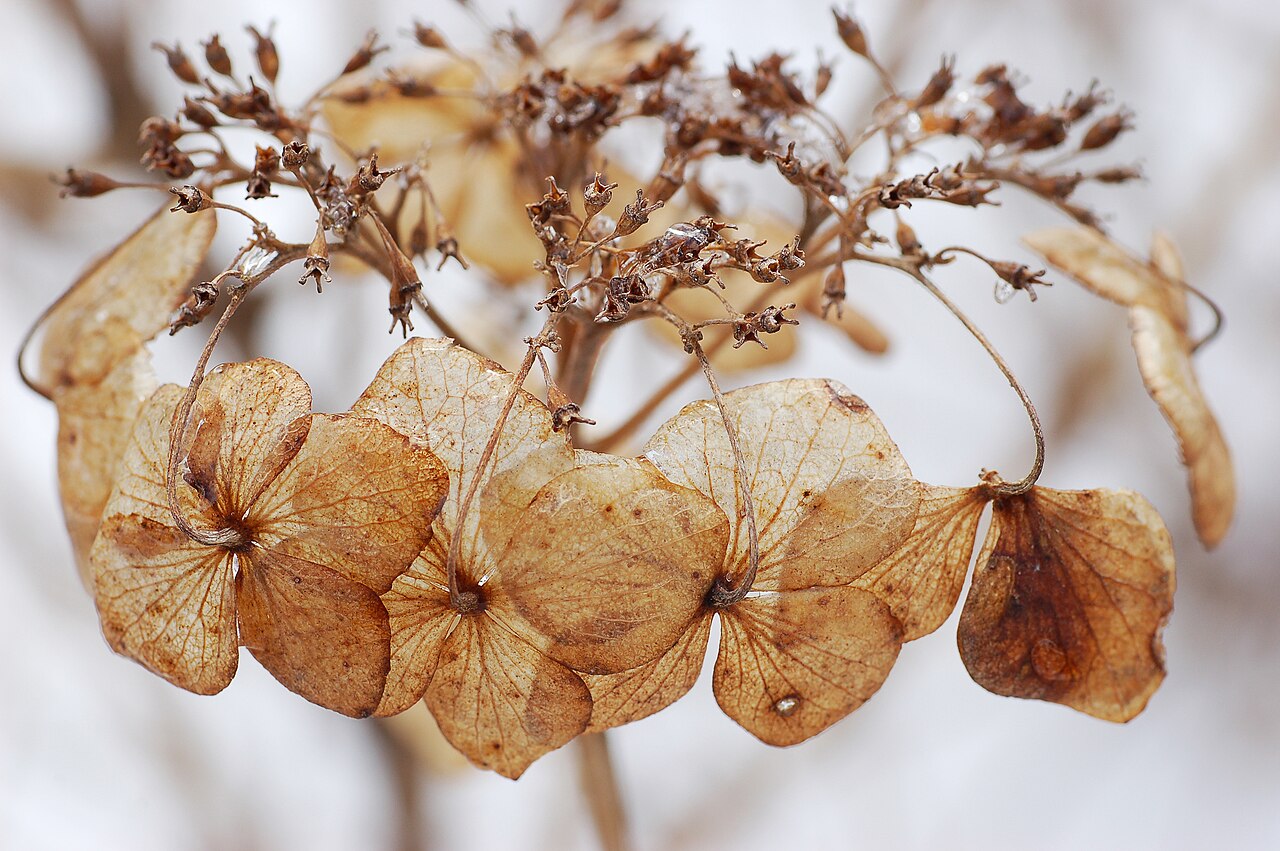
Hydrangea blooms make dramatic cut flowers, though freshly cut stems can wilt quickly unless conditioned properly: cut in the cool of morning, immediately plunge stems into deep water, and consider searing or dipping the cut ends in a small amount of alum to help them take up water. For dried arrangements, panicle hydrangea flowers dry particularly well left on the stem into autumn, retaining their papery texture and antique color for indoor arrangements that last for months.
Common Pests and Diseases
Aphids and spider mites occasionally trouble hydrangeas, especially plants under stress from heat or drought; a strong water spray or insecticidal soap usually resolves minor infestations. Powdery mildew can appear as a white coating on leaves in humid conditions with poor air circulation — space plants generously and water at the soil line rather than overhead to reduce the risk. Leaf spot diseases are mostly cosmetic and rarely require treatment beyond removing badly affected leaves.
This article may contain affiliate links. If you purchase a product through one of these links, Plantgecko may earn a commission at no extra cost to you. This never influences our editorial independence or which products we recommend.