Growing and Caring for Cranesbill – A Hardy Bloomer for Every Garden
Introduction
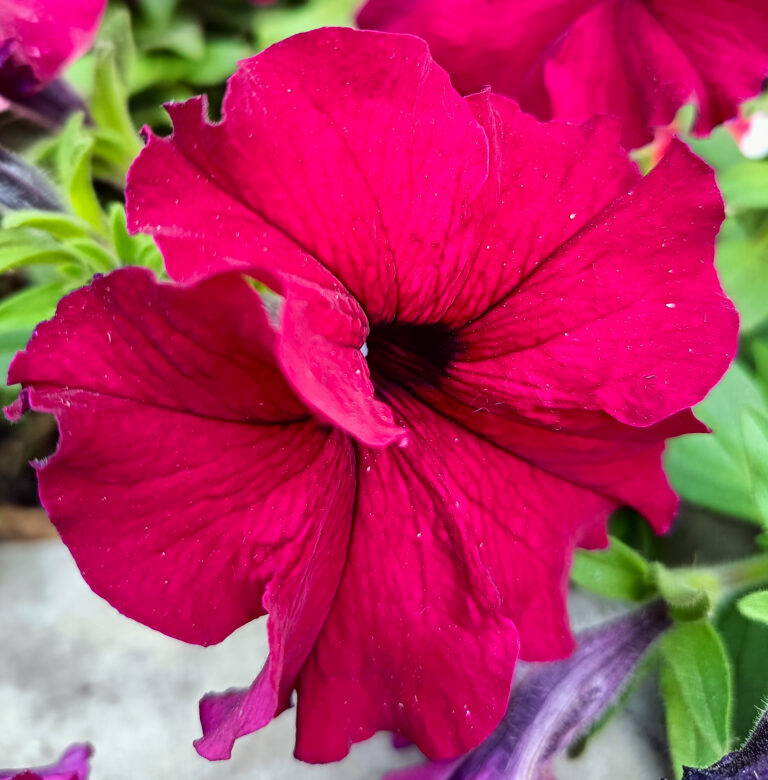
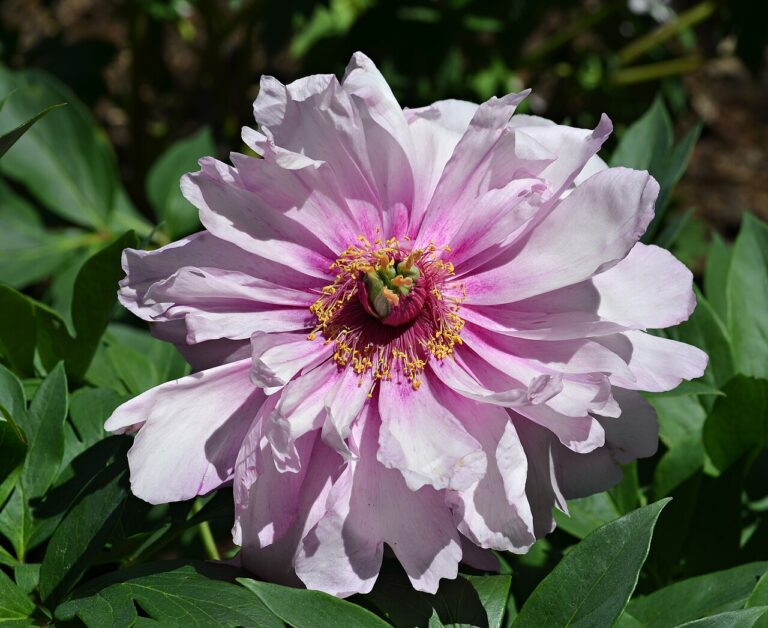
Photo: Julie Anne Workman (CC BY-SA 3.0, Wikimedia Commons)
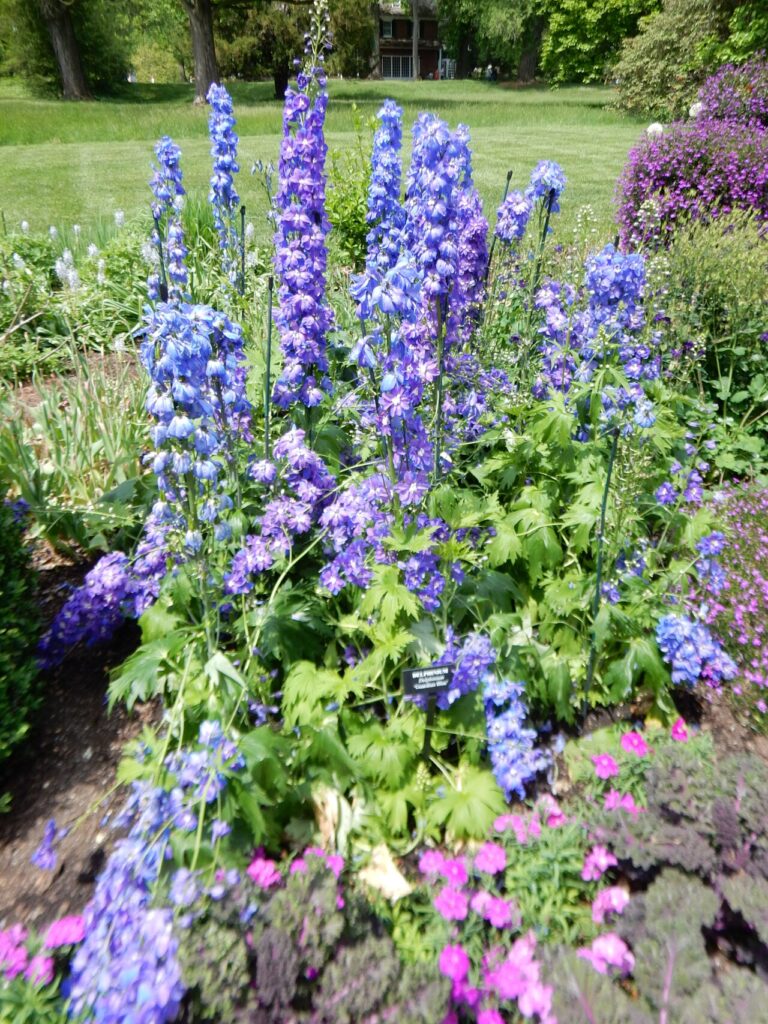
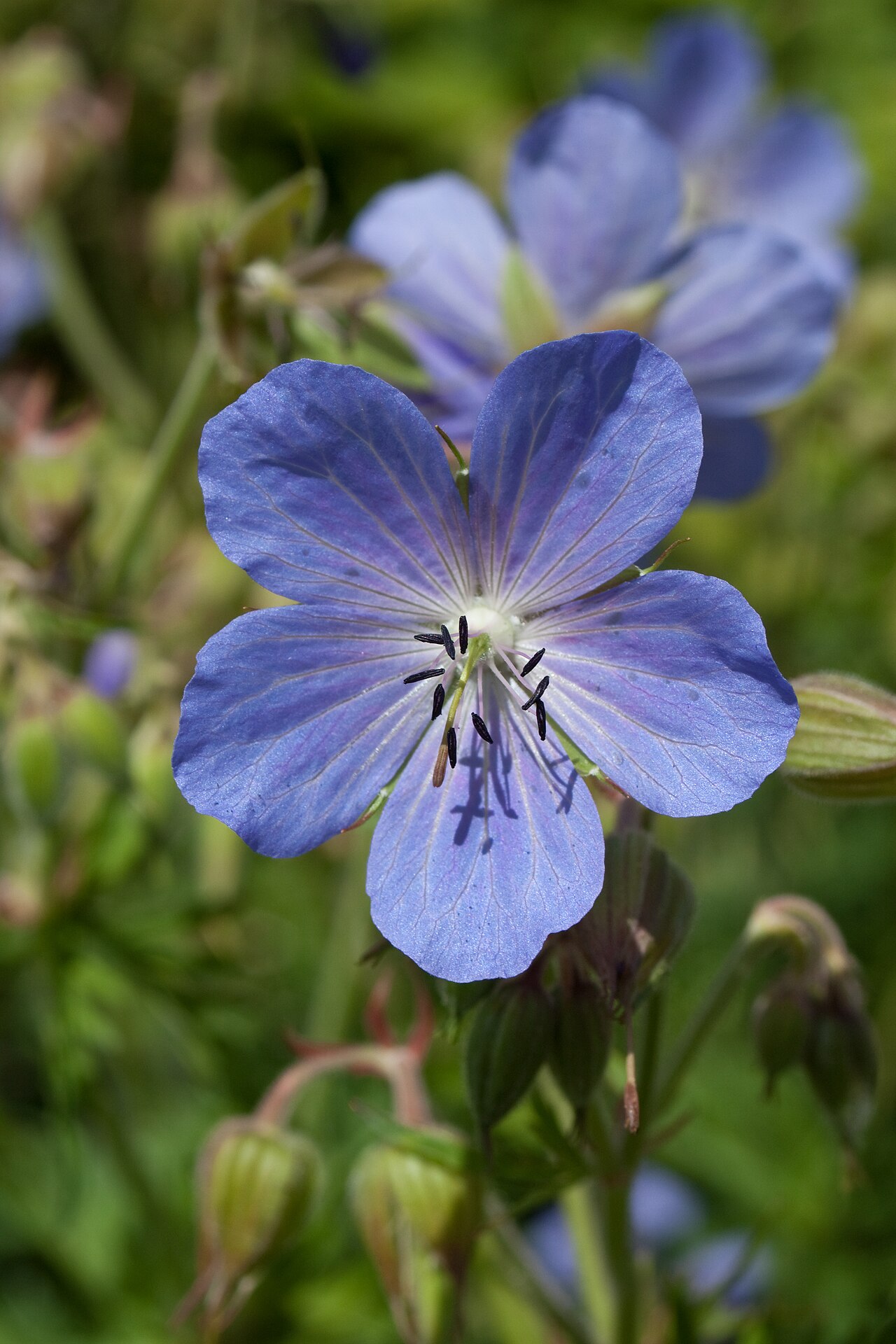
Photo: Andrew Curtis (CC BY-SA 2.0, Wikimedia Commons)
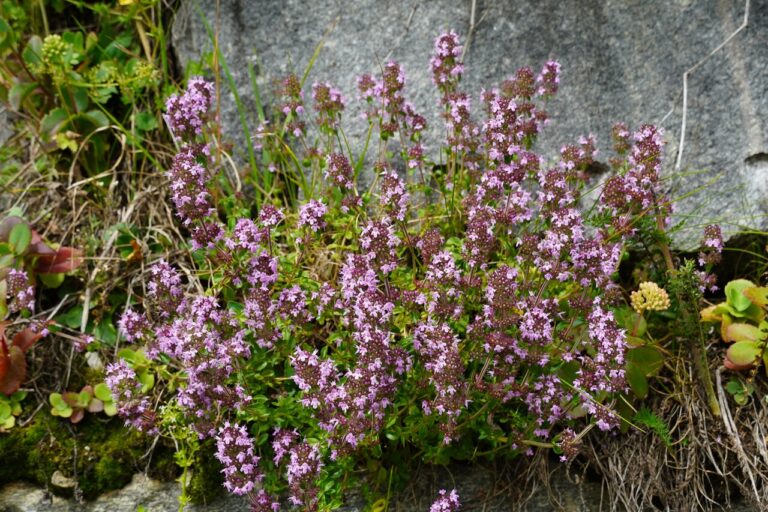
Photo: Humoyun Mehridinov (CC BY-SA 4.0, Wikimedia Commons)
Cranesbill (Geranium) is one of the most versatile and rewarding perennials you can grow in a home garden. With more than 400 species, this genus offers the right plant for almost any spot — from sunny rock gardens to shady woodland borders. This guide explains how to plant, care for, and propagate cranesbill successfully.
Who This Is For
The Diversity of Cranesbill
Not to be confused with frost-sensitive pelargoniums (which are also often casually called “geraniums”), true cranesbill is a remarkably hardy, winter-tolerant perennial. Some particularly popular varieties include:.
Buying Criteria
Geranium ‘Rozanne’: The long-bloomer above all others — flowers in vivid blue from June until the first frost
Geranium sanguineum (bloody cranesbill): Compact growth with deep magenta-red flowers, ideal for rock gardens
Geranium macrorrhizum (Balkan cranesbill): Evergreen, aromatic, and a superb ground cover.
Product/Option Categories
Geranium phaeum (dusky cranesbill): Thrives even in the shadiest spots
Location and Soil
Most cranesbill species prefer a sunny to partially shaded spot with well-drained, humus-rich soil. Balkan cranesbill and dusky cranesbill will even thrive in deep shade beneath trees. Improve heavy soils with compost and sand before planting. A soil pH between 6.0 and 7.5 is ideal.
Trade-offs
Planting and Care
The best times to plant cranesbill are spring or autumn. Space plants 30 to 50 cm apart, depending on the variety and its vigor. Water newly planted specimens regularly until they are established; mature plants cope remarkably well with dry spells.
Disclosure
This article may contain affiliate links. If you purchase a product through one of these links, Plantgecko may earn a commission at no extra cost to you. This never influences our editorial independence or which products we recommend.
| Product | Best For | Price | |
|---|---|---|---|
| Geranium ‘Rozanne’ | Top Pick | Check price | View |
| a slow-release organic fertilizer | Budget Alternative | Check price | View |
Recommendation Framework
Feed once in spring with compost or a slow-release organic fertilizer. Cutting the plant back by about half after the first flush of flowers encourages many varieties to rebloom in late summer.
Propagation and Division.
Conclusion
Cranesbill divides beautifully in spring or autumn. Dig up the plant and use a sharp spade to split the root ball into several sections, each with at least two or three shoots. Division is also the best way to rejuvenate older plants that have grown woody or sparse in the center.