Periwinkle (Vinca minor): The Hardy Ground Cover for Shady Locations
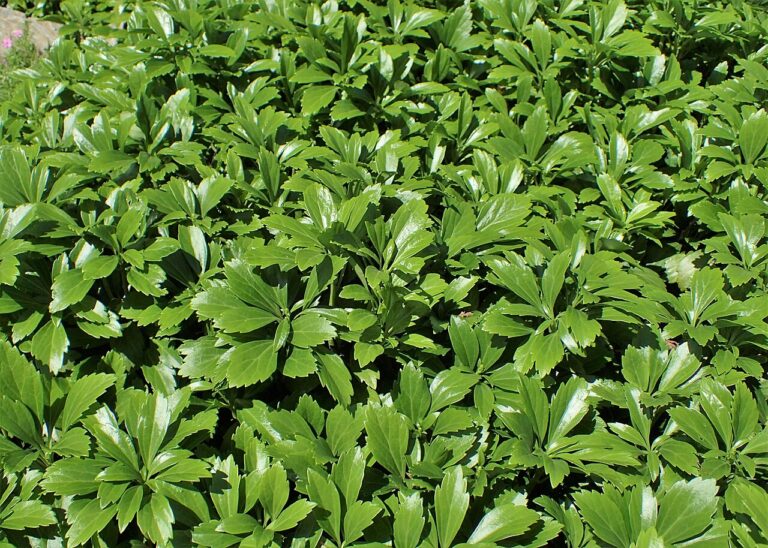
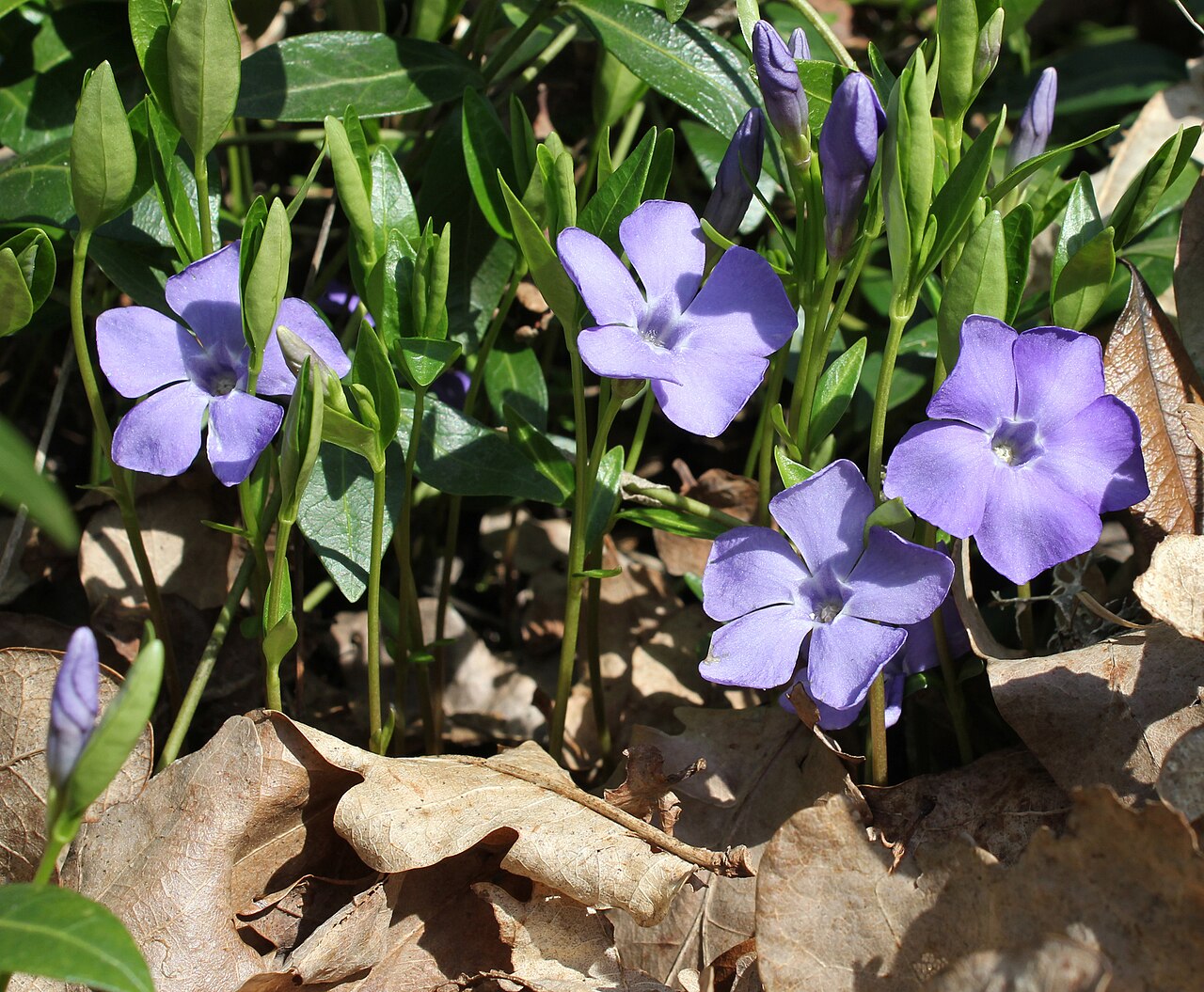
Periwinkle (Vinca minor) is a trailing, evergreen ground cover that solves one of gardening’s most persistent problems: what to plant in dry shade where grass won’t grow and few flowering plants thrive. Its glossy dark green leaves stay attractive year-round, punctuated in spring by delicate blue-violet, five-petaled flowers.
Where Periwinkle Thrives
Periwinkle is exceptionally shade tolerant, making it ideal beneath trees, along the north side of buildings, or in other spots that receive little direct sun. It also tolerates partial sun, though foliage color and density are often best in filtered or dappled shade rather than deep, dense shadow or full blazing sun.
Soil and Planting
This ground cover adapts to a wide range of soil types, from sandy to clay, as long as drainage is adequate; it does not tolerate constantly waterlogged ground. Plant rooted sections or nursery starts about 30 cm (12 inches) apart for full coverage within one to two growing seasons, working a little compost into poor soils at planting time to help establishment.
Watering Needs
Water regularly for the first growing season while roots establish. After that, periwinkle is genuinely drought tolerant and, once established, typically needs no supplemental irrigation beyond normal rainfall except during severe, prolonged dry spells.
Spreading Habit and Control
Periwinkle spreads by trailing stems that root wherever they touch soil, forming a dense mat that effectively suppresses weeds. This vigor is a great asset on a slope or difficult bank, but it also means periwinkle has become invasive in some wooded areas of North America, escaping gardens and outcompeting native woodland plants. Where this is a concern, plant it in contained beds bordered by paving, edging, or lawn, and avoid planting near natural woodland areas.
Maintenance
Periwinkle needs very little upkeep. An annual trim with shears or a mower set high in early spring keeps growth dense and tidy and removes any winter-damaged foliage, encouraging fresh new leaves and better flowering.
Propagation
New plants are simple to create by dividing rooted sections from an established patch, or by taking stem cuttings, which root readily in moist soil. This makes periwinkle an economical choice for covering large areas – a single flat of plants can be multiplied over a couple of seasons to fill an entire bed.
Uses in the Landscape
Beyond general ground cover duty, periwinkle’s spreading root system makes it valuable for erosion control on slopes and banks, and its evergreen foliage provides year-round structure in shaded borders that might otherwise look bare in winter.
Caring for Periwinkle Through the Seasons
Periwinkle’s evergreen foliage means it provides year-round ground cover, but its care needs still shift with the seasons. In early spring, before major new growth begins, is the ideal time for the annual tidy-up trim, along with dividing and replanting any sections you’d like to use to fill gaps or start new areas. Through the flowering period in mid-spring, little maintenance is needed beyond normal watering during dry spells. Summer heat is when established periwinkle shows its drought tolerance most clearly, generally needing no supplemental water except in prolonged dry conditions, though a struggling first-year planting still benefits from occasional deep watering. Going into autumn and winter, periwinkle needs essentially no special care in most temperate climates; its evergreen leaves persist through cold weather, sometimes taking on a slightly bronzed or purplish tint in freezing conditions before returning to green as temperatures rise again in spring.
Keeping Periwinkle Contained
Since periwinkle spreads by rooting wherever its trailing stems touch soil, garden edging strips installed along the border of a planting area is one of the most effective ways to keep it from creeping into a lawn or neighboring beds without constant manual trimming. Metal or heavy-duty plastic edging set a few centimetres into the ground creates a physical barrier that low, spreading ground covers like periwinkle can’t easily cross.
Frequently Asked Questions
Is periwinkle the same as invasive vinca reported in some areas?
Vinca minor is the species most often flagged as locally invasive in wooded parts of North America; it is worth checking local invasive plant lists before planting it near natural or wooded areas in your region.
Can periwinkle grow under large trees with heavy shade?
Yes, periwinkle is one of the more shade-tolerant flowering ground covers and generally performs well under deciduous trees, though flowering is usually lighter in very deep, dense shade than in dappled or partial shade.
How do I stop periwinkle from spreading into the lawn?
A physical barrier such as metal or plastic garden edging, or a mowed strip, along the bed’s border is the most reliable way to contain periwinkle’s trailing, rooting stems and keep them from creeping into adjacent lawn or beds.
Does periwinkle flower more than once a year?
The main flush of blue-violet flowers appears in mid-spring, though established plants often produce a scattering of additional blooms sporadically through summer and into early autumn under good conditions.
This article may contain affiliate links. If you purchase a product through one of these links, Plantgecko may earn a commission at no extra cost to you. This never influences our editorial independence or which products we recommend.