Thyme as Ground Cover: The Best Varieties for Fragrant Flower Carpets
Why Thyme Makes Excellent Ground Cover
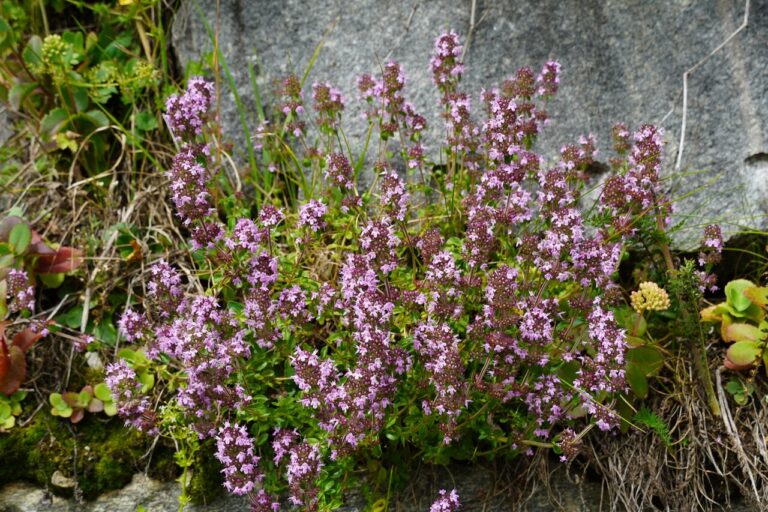
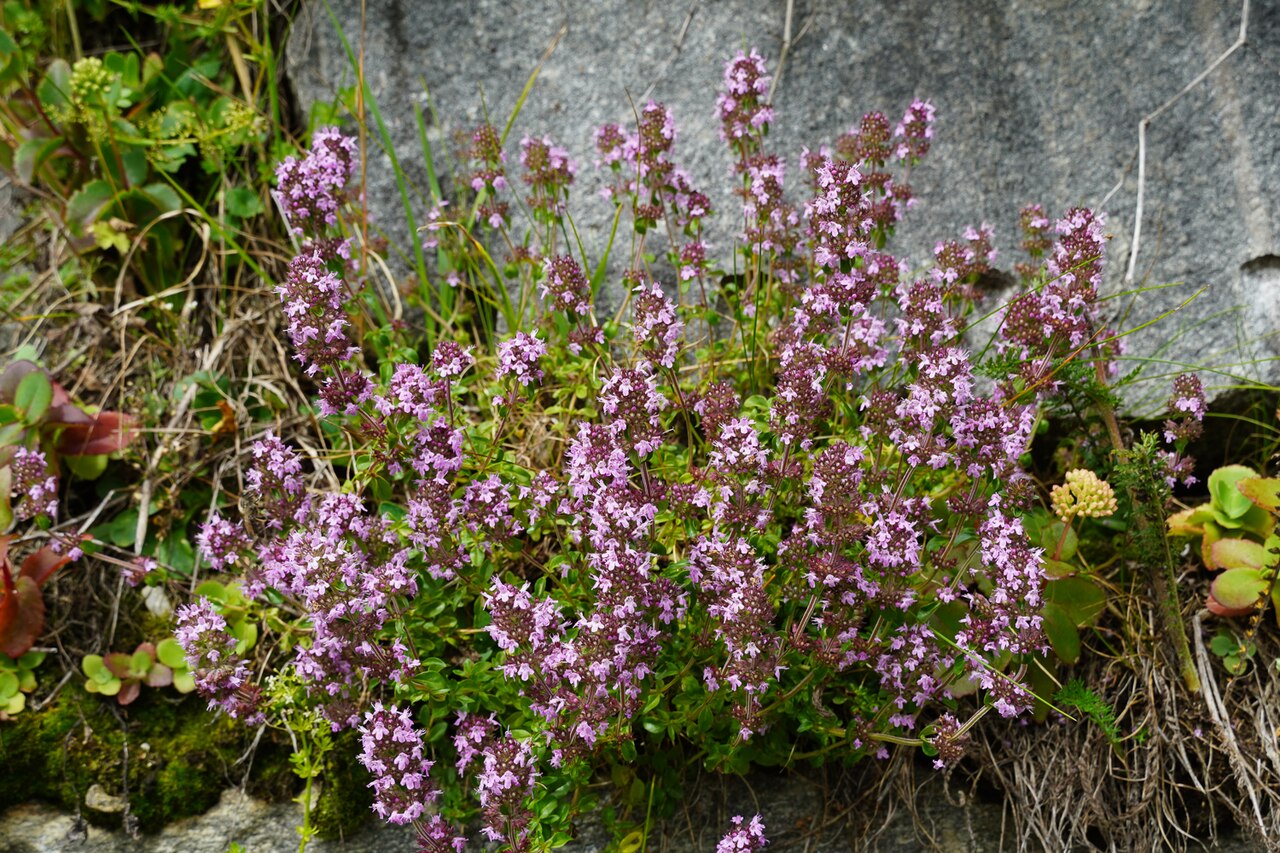
Thyme (Thymus) is one of the best low-growing plants for covering sunny, dry ground where grass struggles. Its tiny aromatic leaves form a dense evergreen mat that suppresses weeds, tolerates being walked on occasionally, and bursts into a haze of pink, purple, or white flowers in early summer that pollinators love. Because thyme is drought-tolerant once established, it is an ideal choice for rock gardens, gravel paths, the gaps between paving stones, and sunny slopes that are difficult to mow or water.
Best Creeping Varieties
- Thymus serpyllum (creeping thyme / wild thyme): the classic low carpeting species, growing just 2–5 cm tall with pink to purple flowers; extremely tough and cold-hardy.
- Thymus praecox ‘Coccineus’: a compact variety with vivid crimson-pink flowers, forming a tight, weed-smothering mat.
- Thymus pseudolanuginosus (woolly thyme): grown mainly for its soft, silvery, felted foliage; flowers sparsely but is exceptional for texture between stepping stones.
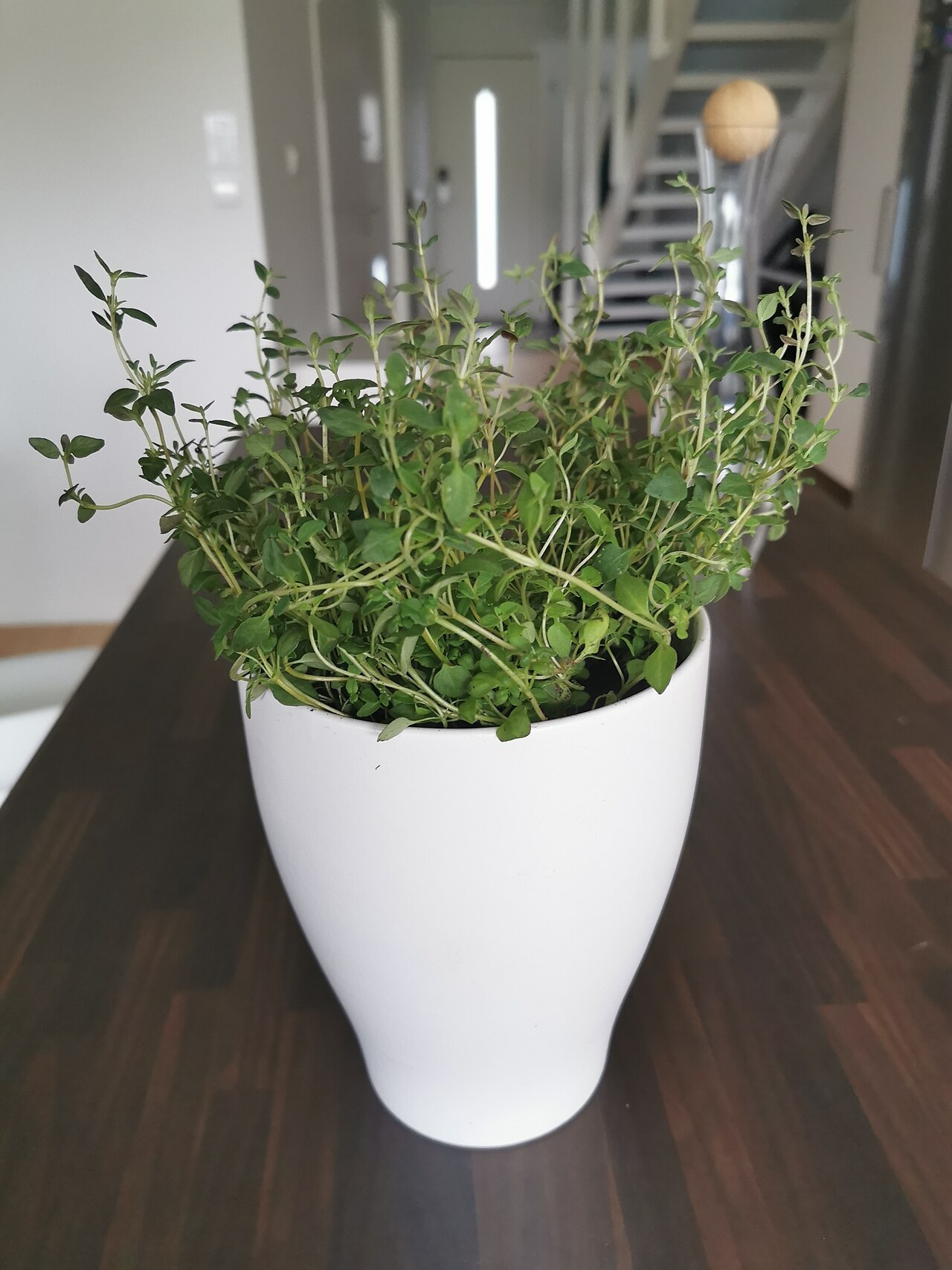
- Thymus citriodorus (lemon thyme): slightly more upright, with lemon-scented foliage; some cultivars have attractive gold or variegated leaves.
- Thymus ‘Albiflorus’: a white-flowered form that contrasts nicely when planted alongside the pink and purple varieties.
Planting and Site Conditions
Thyme needs full sun and sharply drained soil to thrive as ground cover; it dislikes heavy clay and wet feet, which quickly lead to root rot. If your soil is dense, work in coarse sand or grit before planting to improve drainage. Space young plants 20–30 cm apart, since they will spread to knit together within a season or two. Planting through landscape fabric or directly into gravel mulch helps keep the foliage clean and further improves drainage.
Care and Maintenance
Once established, thyme needs very little attention. Water new plantings regularly for the first few weeks, then only during prolonged drought. Avoid fertilizing heavily — rich soil produces soft, floppy growth and dilutes the fragrance and flavor of the leaves. After flowering, shear the plants back lightly by about a third to keep the mat dense and encourage fresh growth; this also prevents the centre of older plants from becoming woody and bare. Divide and replant sections every three to four years if growth becomes sparse in the middle.
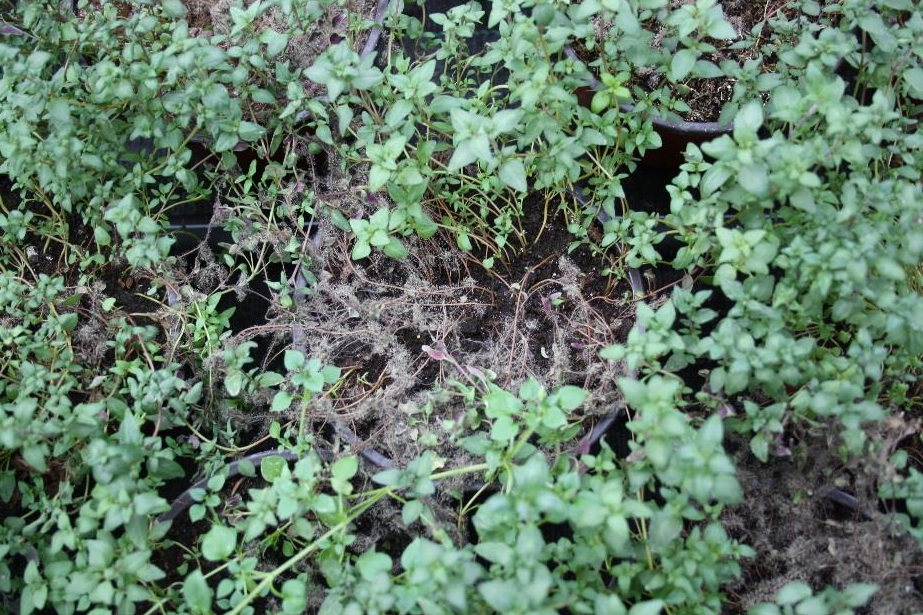
Thyme ground cover is generally trouble-free, though poorly drained soil can lead to root rot, and overly shaded or crowded conditions can encourage fungal issues. Keep it in full sun with good air circulation and it will reward you with years of fragrant, low-maintenance color.
Comparison: Best Thyme Varieties to Buy
The named cultivars from above, compared for quick shopping.
| Product | Price Tier | Key Differentiator | Best For |
|---|---|---|---|
| Thymus serpyllum | $ | Classic tough carpeting species, very cold-hardy | Large sunny slopes or rock gardens |
| Thymus praecox ‘Coccineus’ | $ | Vivid crimson-pink flowers in a tight mat | High-impact flower color in small beds |
| Thymus pseudolanuginosus | $$ | Soft, silvery, felted foliage; flowers sparsely | Texture between stepping stones |
| Thymus citriodorus | $$ | Lemon-scented foliage, more upright habit | Herb gardens doing double duty as groundcover |
This article may contain affiliate links. If you purchase a product through one of these links, Plantgecko may earn a commission at no extra cost to you. This never influences our editorial independence or which products we recommend.