Wisteria: Planting and Care Guide for This Stunning Purple-and-Blue Bloomer
Few climbing plants make as dramatic a spring statement as wisteria, with its cascading clusters of fragrant purple-blue (or occasionally white or pink) flowers draping over pergolas, arbors, and house facades. It is also one of the most vigorous vines a gardener can plant, and understanding its needs – especially pruning – is essential for both controlling its growth and coaxing it to bloom generously.
Choosing a Wisteria
Chinese wisteria (Wisteria sinensis) and Japanese wisteria (Wisteria floribunda) are the most commonly grown species, both extremely vigorous and, in some regions, considered invasive due to their ability to seed and spread. American wisteria (Wisteria frutescens) is a gentler, native North American alternative that blooms slightly later and is far less aggressive, making it a good choice where the Asian species have become a problem.
Site and Support
Wisteria needs full sun, at least six hours daily, to flower well – shaded plants may grow lush foliage but produce few or no blooms. It also needs a genuinely sturdy support structure: a mature wisteria vine becomes immensely heavy and can bend or collapse a flimsy trellis or pergola within a few years, so build or choose supports rated for significant, long-term weight.
Soil and Watering
Well-drained, moderately fertile soil suits wisteria best; it is not particular about pH. Water regularly during the first two to three years while the root system establishes, after which established plants are quite drought tolerant and need supplemental water only in extended dry periods.
The Key to Blooming: Pruning
Pruning is the single most important factor in getting a wisteria to flower well. Prune twice a year: in late summer, cut back the long whippy green side shoots to five or six leaves to control size and encourage flower bud formation; in late winter, cut those same shoots back further to two or three buds. This double pruning redirects the plant’s energy from vegetative growth into flower production.
Patience With Young Plants
Wisteria grown from seed can take anywhere from seven to fifteen years to flower for the first time, which is why nearly all garden wisteria sold is grafted from a known flowering variety. Even grafted plants may take two to three years after planting to settle in and bloom reliably, so patience is genuinely part of growing this plant.
Feeding
Avoid high-nitrogen fertilizers, which encourage leafy growth at the expense of flowers. If soil is poor, a low-nitrogen, phosphorus-rich feed in spring can support bud development; otherwise, established wisteria in reasonable soil rarely needs supplemental feeding.
Pests and Problems
Wisteria is largely trouble-free, with few serious pests or diseases. The most common complaint is a lack of flowering, which almost always traces back to insufficient sun, inconsistent pruning, or a young, not-yet-established plant rather than a pest or disease issue.
Understanding the Growth Cycle
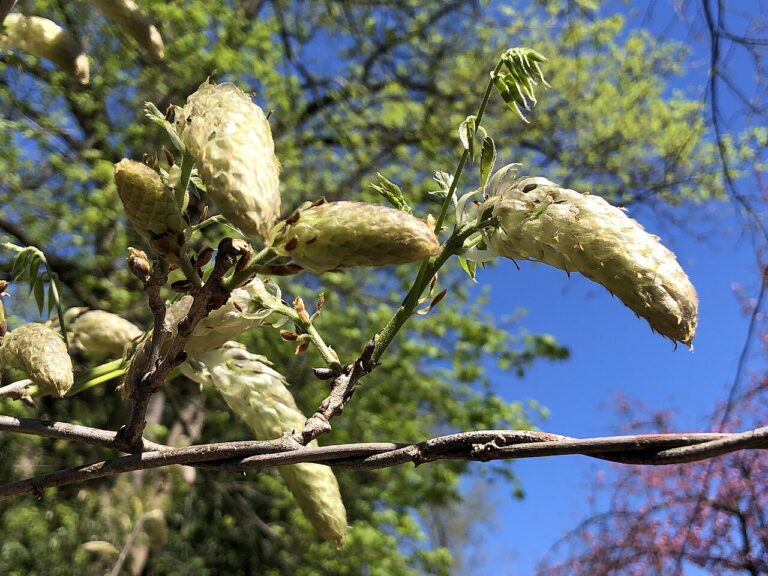
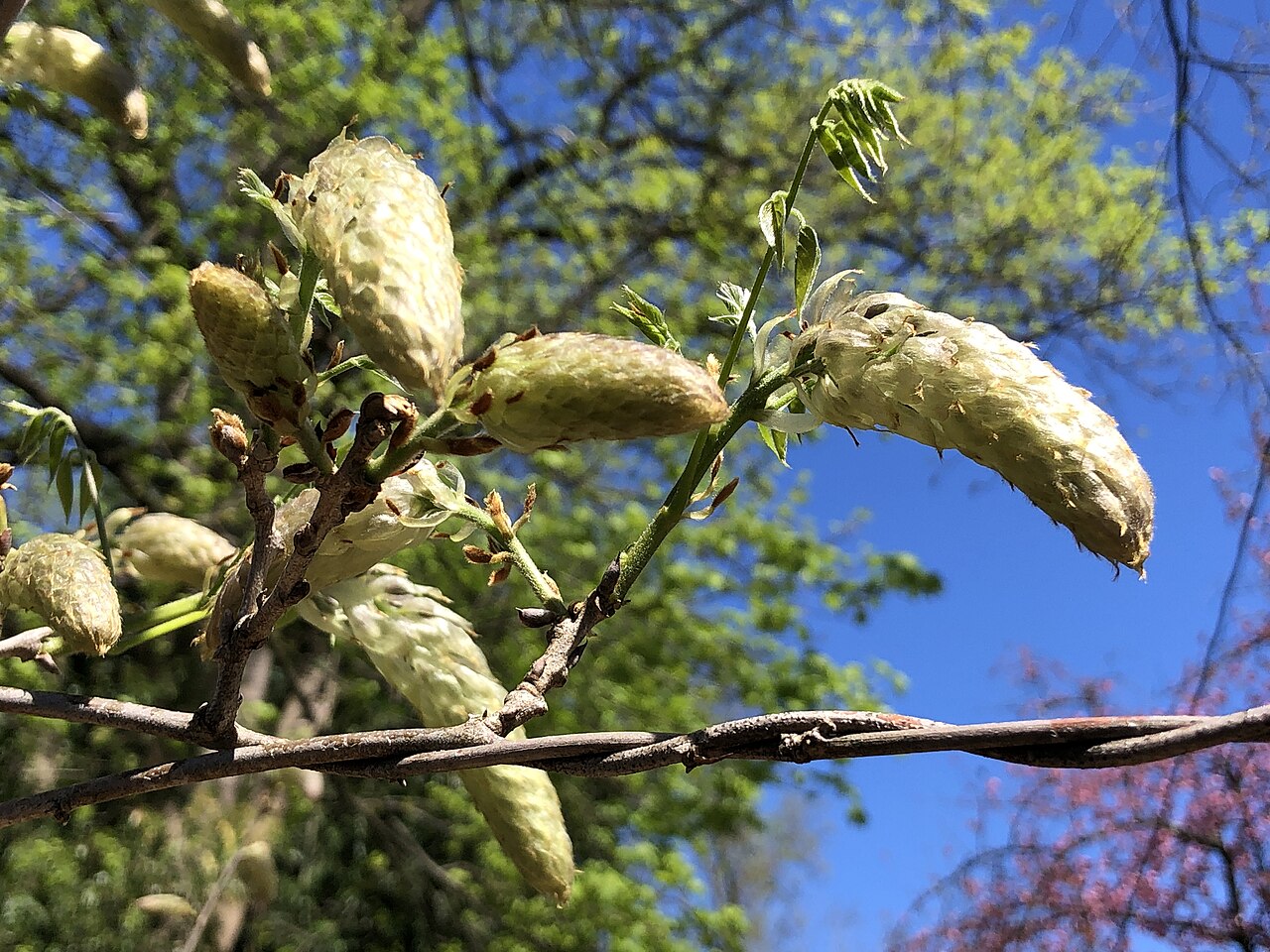
Wisteria’s growth cycle explains why its two-stage pruning schedule works. In spring, dormant flower buds formed the previous year open into the plant’s famous cascading blooms, typically before or alongside the emerging leaves. Through summer, the vine channels enormous energy into producing long, fast-growing shoots that, left unchecked, can extend a metre or more in weeks; the summer prune interrupts this vegetative sprint and redirects energy toward setting next year’s flower buds instead. By late summer and autumn, those flower buds are forming along the shortened side shoots, visible as small swollen nodes that will overwinter dormant until spring. The late-winter prune, done while the plant is fully dormant and bare, further shortens growth and makes it easy to see and preserve these developing flower buds while removing excess wood, setting up a strong, well-controlled bloom for the coming spring.
Tools for Twice-Yearly Pruning
Wisteria’s woody, sometimes thick side shoots call for sturdy, sharp tools. A quality pair of bypass pruning shears handles the summer trim of green shoots easily, while a small pruning saw is worth keeping on hand for the occasional thicker, older branch that needs removing during the late-winter structural prune. Clean, sharp cuts heal faster and reduce the entry points available to disease.
Frequently Asked Questions
Why won’t my wisteria bloom?
Lack of flowering is almost always due to insufficient sun, missed pruning (particularly the summer prune), a young plant that hasn’t yet matured, or a seed-grown (non-grafted) plant that can take many years longer to flower than grafted stock.
Is wisteria safe to plant near a house?
Wisteria can be planted near a house as long as it has its own sturdy, separate support structure like a pergola rather than being allowed to climb directly onto siding, gutters, or roof edges, where its weight and growth can cause damage over time.
How long does wisteria live?
Wisteria is remarkably long-lived, with well-documented specimens surviving 50 to over 100 years, developing thick, gnarled, tree-like trunks over decades.
Are wisteria seeds or pods toxic?
Yes, wisteria seeds and pods contain compounds that are toxic if ingested by humans or pets, causing nausea and digestive upset, so it’s wise to remove and dispose of seed pods, especially where children or pets have access.