Propagating Plants from Cuttings: The Complete Guide
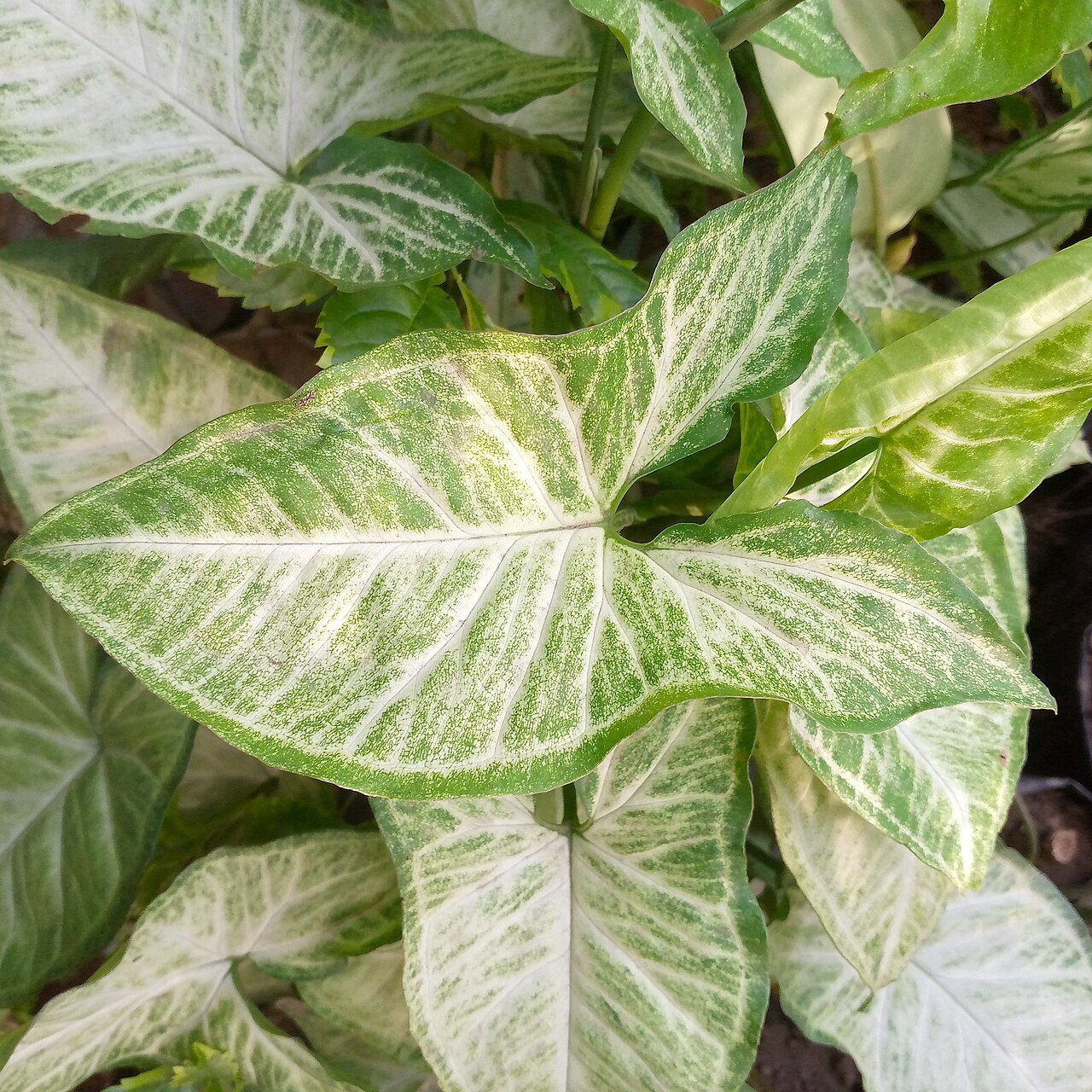
Propagating plants from cuttings is one of the most satisfying and economical ways to expand a plant collection, share favorites with friends, or replace an aging plant with a fresh, vigorous clone. Because a cutting is genetically identical to its parent, it’s also a reliable way to reproduce a plant with traits you already know and like, unlike growing from seed.
Types of Cuttings
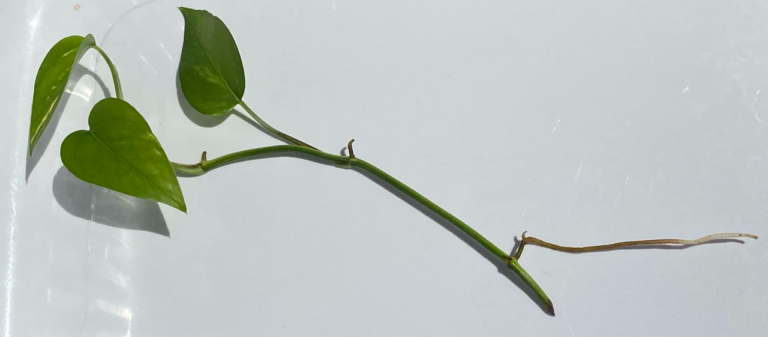
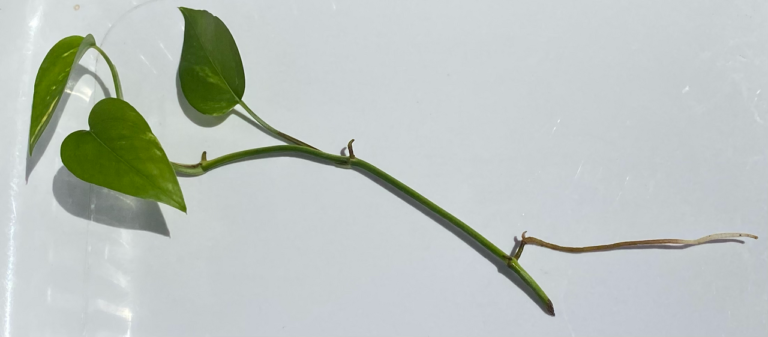
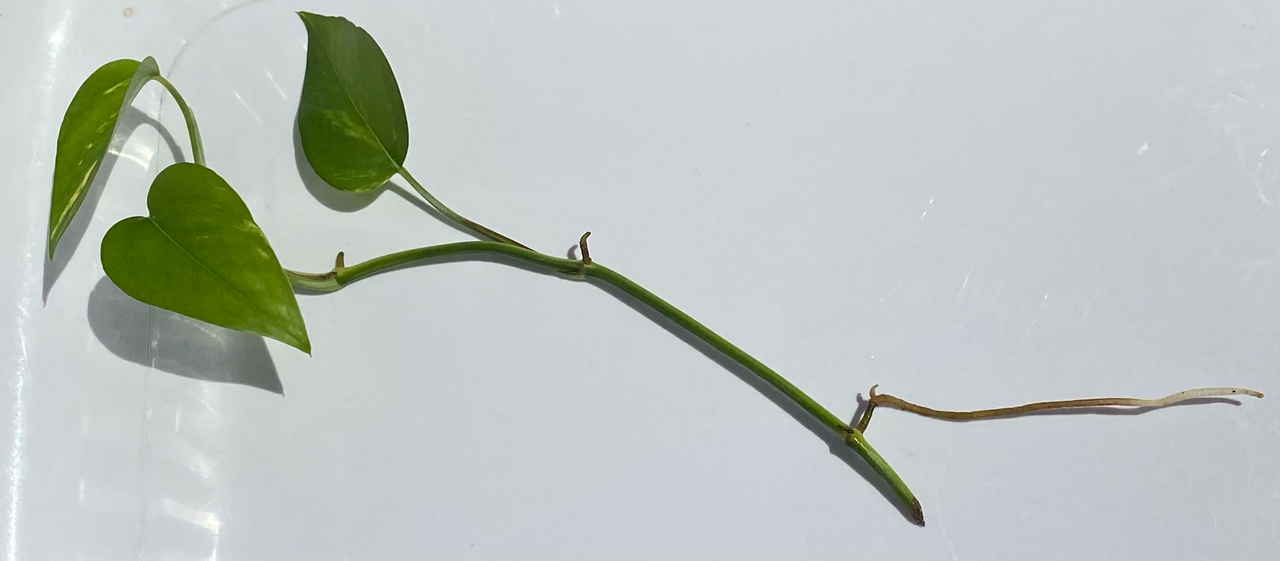
Stem cuttings are the most common method and work for a huge range of houseplants and garden shrubs. A section of stem with at least one or two leaf nodes, the points where leaves attach and new roots will form, is cut just below a node and rooted in water or soil.
Leaf cuttings work for certain succulents and plants like African violets and snake plants, where an entire leaf, sometimes with a bit of petiole attached, can generate a whole new plant from its base.
Root cuttings are used less often, mainly for certain perennials and shrubs that readily sprout new shoots from sections of root planted horizontally in soil.
Taking a Good Cutting
Choose healthy, disease-free stems, ideally from new or semi-hardwood growth rather than old, woody, or flowering stems, which root less readily. Use clean, sharp scissors or pruners to make a clean cut just below a node, and remove any lower leaves that would sit in water or soil, since submerged foliage tends to rot. Leaving two or three leaves at the top is usually enough for photosynthesis without overtaxing a cutting that has no roots yet.
Rooting Methods
- Water propagation: Place the cutting in a jar of clean water with at least one node submerged, keep it in bright, indirect light, and change the water every few days to prevent bacterial buildup. Many common houseplants, like pothos, philodendron, and coleus, root readily this way within a few weeks.
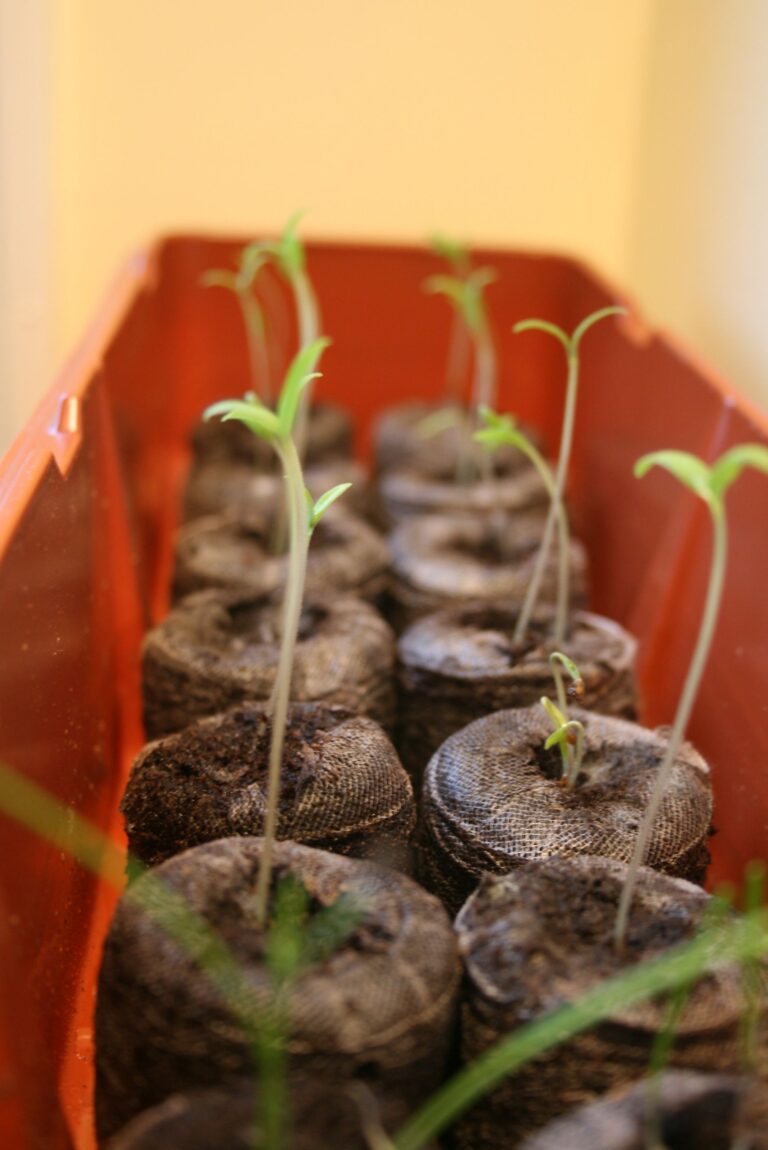
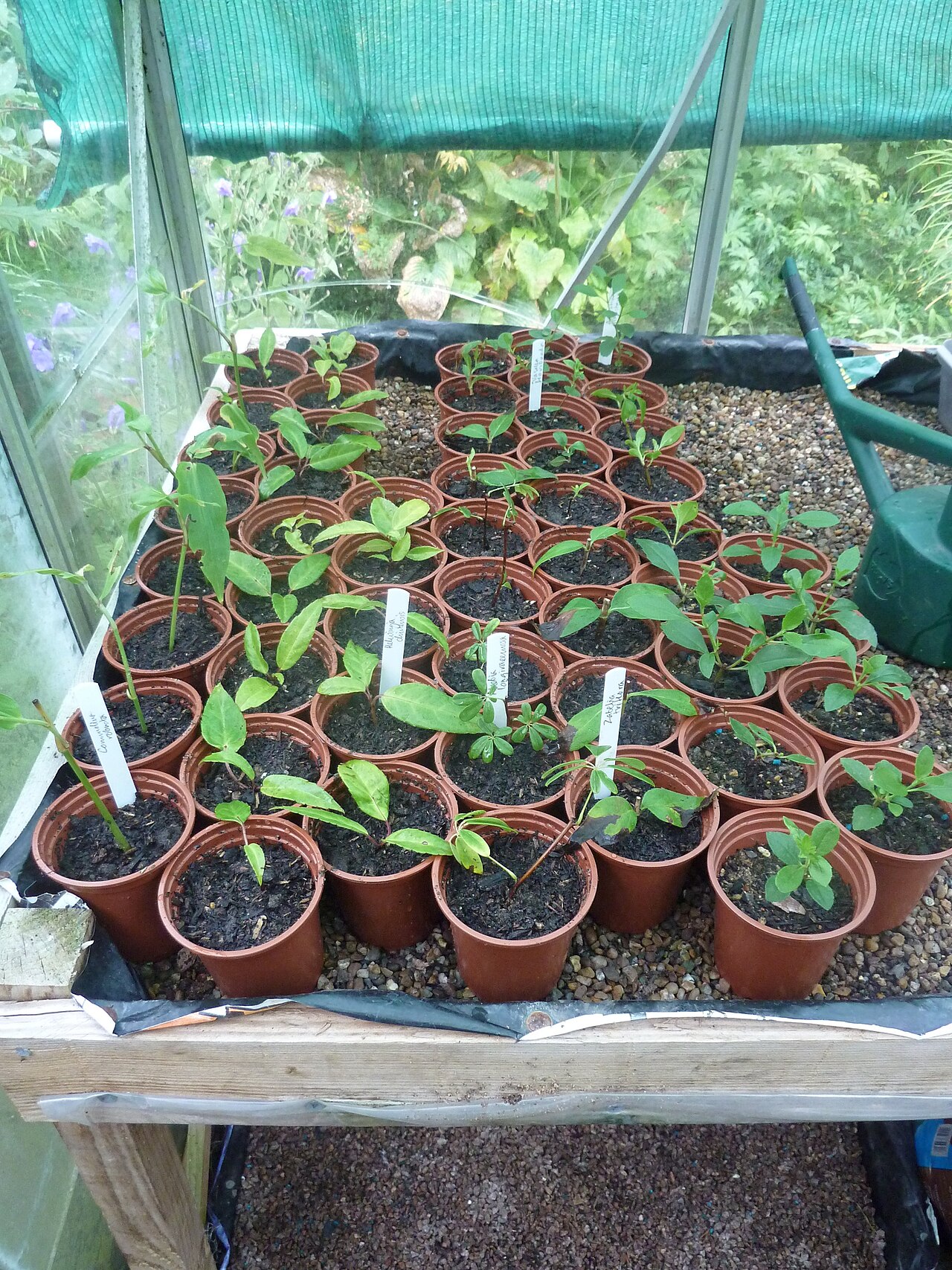
- Soil propagation: Dip the cut end in rooting hormone (optional but helpful for slower-to-root species), then insert it into moist, well-draining potting mix or a seed-starting mix. Keeping humidity high, such as with a clear plastic bag or propagation dome, reduces moisture loss while roots develop.
- Sphagnum moss: A middle-ground method for plants like monstera or philodendron, where damp sphagnum moss wrapped around a node keeps humidity high while allowing you to check root progress easily.
Aftercare and Troubleshooting
Keep cuttings out of direct, harsh sun while they root, since they can’t yet take up enough water to compensate for transpiration losses. Bright, indirect light and consistent warmth, generally above 65°F (18°C), speed up rooting. Once roots are an inch or two long, a water-rooted cutting can be potted into soil; expect a short adjustment period as it transitions from water roots to soil roots.
If a cutting turns black or mushy, it has usually rotted from excess moisture or a contaminated cut; start over with a clean cutting and fresh water or mix. If it simply sits without rooting for many weeks, try a warmer location, fresh water, or a light dose of rooting hormone. With patience, most common houseplants and many garden shrubs can be propagated successfully this way, turning one plant into many at no extra cost.
This article may contain affiliate links. If you purchase a product through one of these links, Plantgecko may earn a commission at no extra cost to you. This never influences our editorial independence or which products we recommend.