Virginia Creeper (Parthenocissus) – Autumn Colour and Facade Greening
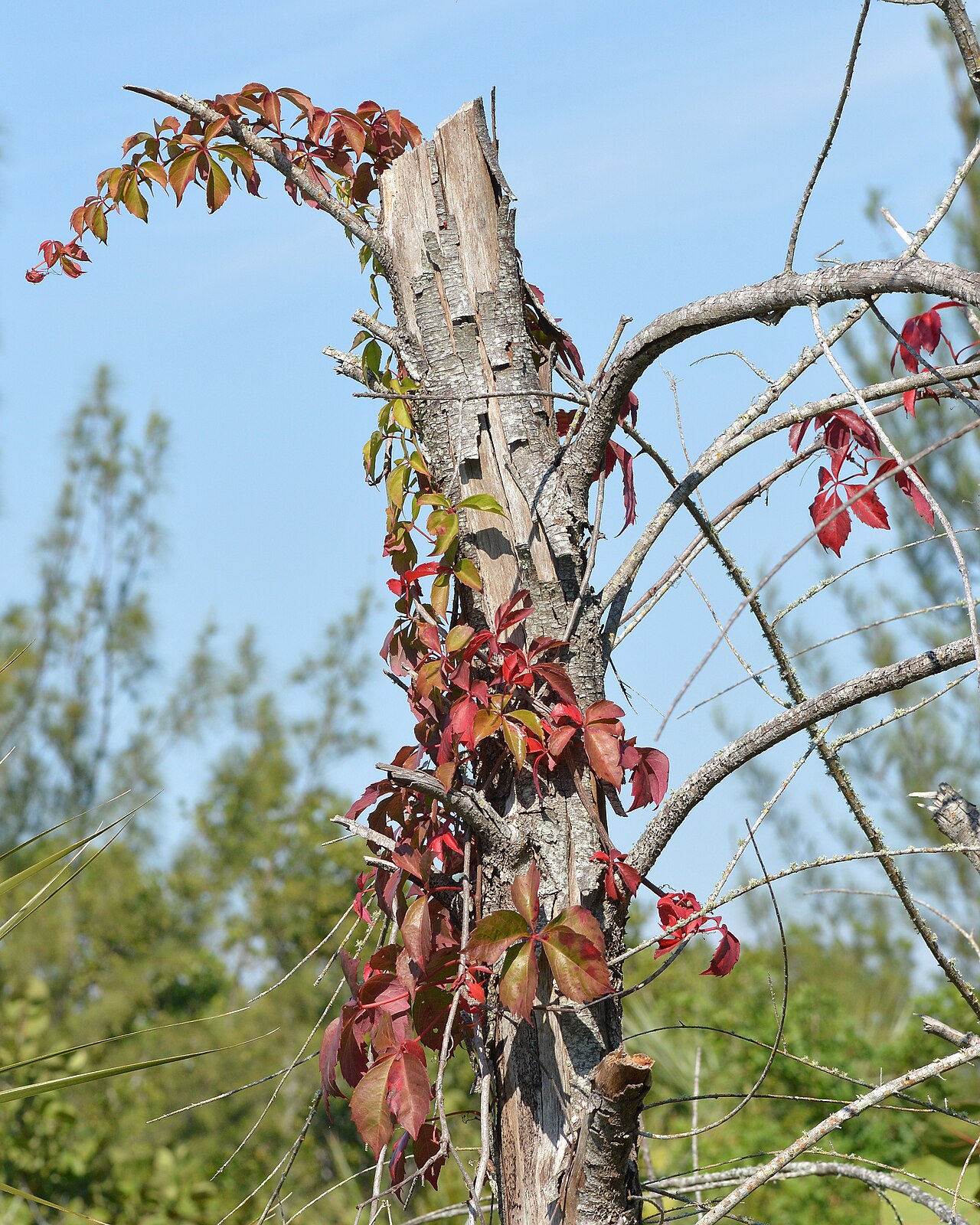
Virginia Creeper (Parthenocissus) – Spectacular Autumn Colour for House Walls and Pergolas
Virginia creeper (Parthenocissus) is one of the most striking climbing plants for facades, walls, and pergolas. It truly comes into its own in autumn, when the entire canopy transforms into a spectacular sea of colour in brilliant red, orange, and scarlet. No other climbing plant offers such intense autumn colour.
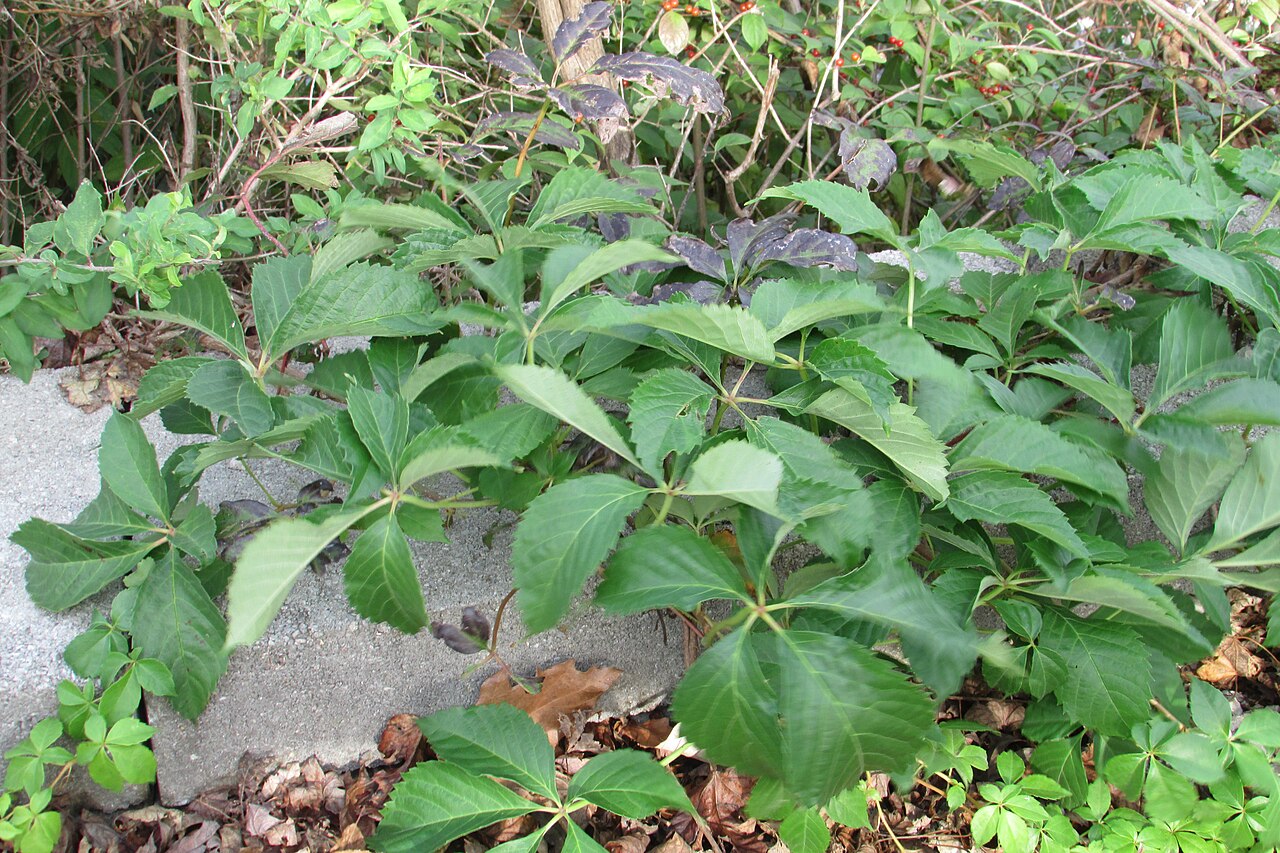
The genus Parthenocissus includes several species, two of which are especially common in our gardens: Virginia creeper proper (Parthenocissus quinquefolia, also known as five-leaved ivy) and Boston ivy (Parthenocissus tricuspidata), which has somewhat smaller, three-lobed leaves and even stronger adhesive pads.
Climbing Habit and Suitability for Facades
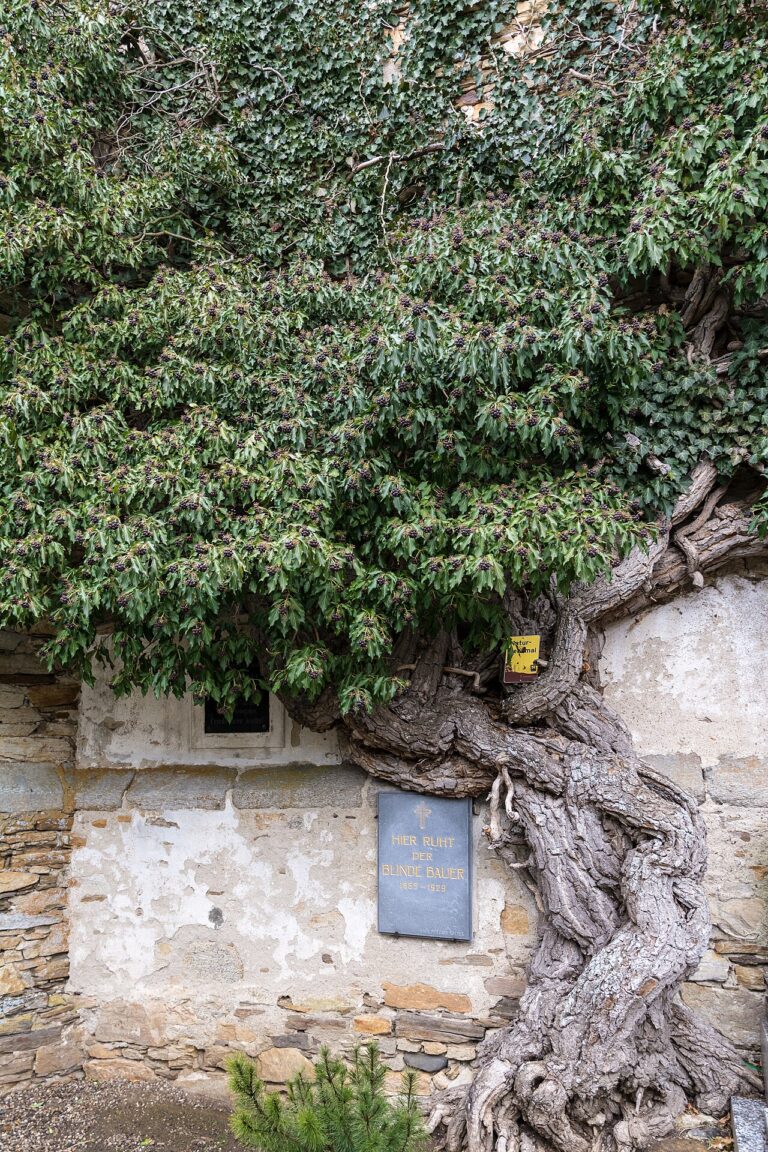
Virginia creeper is a self-clinging climber with adhesive pads. These small, disc-shaped structures at the tips of the tendrils stick to almost any rough surface — masonry, plaster, concrete, natural stone, and bark. Unlike ivy, its holdfasts do not penetrate the building material and cause no damage to intact facades. Even so, Virginia creeper should not be planted against walls that are already damaged or cracked, since the tendrils can work their way into existing gaps.
Smooth surfaces, wood facades, and exterior insulation systems are unsuitable for Virginia creeper — the adhesive pads find no grip there, and the plant’s weight can damage the insulation.
Location and Soil
Virginia creeper is remarkably adaptable. It thrives in full sun as well as in partial shade and even in shade. That said, the more sun the plant receives, the more spectacular and intense the autumn colour. The soil should be humus-rich, well-drained, and consistently moist. Heavy clay soils benefit from the addition of sand and compost.
Plant in spring or autumn, about 50 centimetres from the wall. One plant per square metre of facade is enough — it will grow plenty on its own.
Growth Rate and Control
Virginia creeper is enormously vigorous. Depending on the species and site, it produces annual shoots of one to two metres and can reach an overall height of 15 to 20 metres. This vigour is both a blessing and a curse: on one hand, it covers large areas in no time; on the other, it must be kept firmly in check.
Annual pruning is a must: cut back overly long shoots in summer (July/August) and again in winter if needed. Gutters, windows, and roof overhangs must be kept clear. Be sure to remove any shoots within reach of downspouts — they can crush the pipes!
The Best Species and Varieties
- Parthenocissus quinquefolia: The classic Virginia creeper with five-part leaves. Very frost-hardy and undemanding. Autumn colour: brilliant red.
- Parthenocissus tricuspidata ‘Veitchii’: The most popular variety for facades. Small, three-lobed leaves that hug the wall closely. Autumn colour: scarlet.
- Parthenocissus quinquefolia ‘Engelmannii’: A somewhat smaller-leaved variety with especially dense foliage. Clings less strongly — better suited to more delicate facades.
Ecological Value
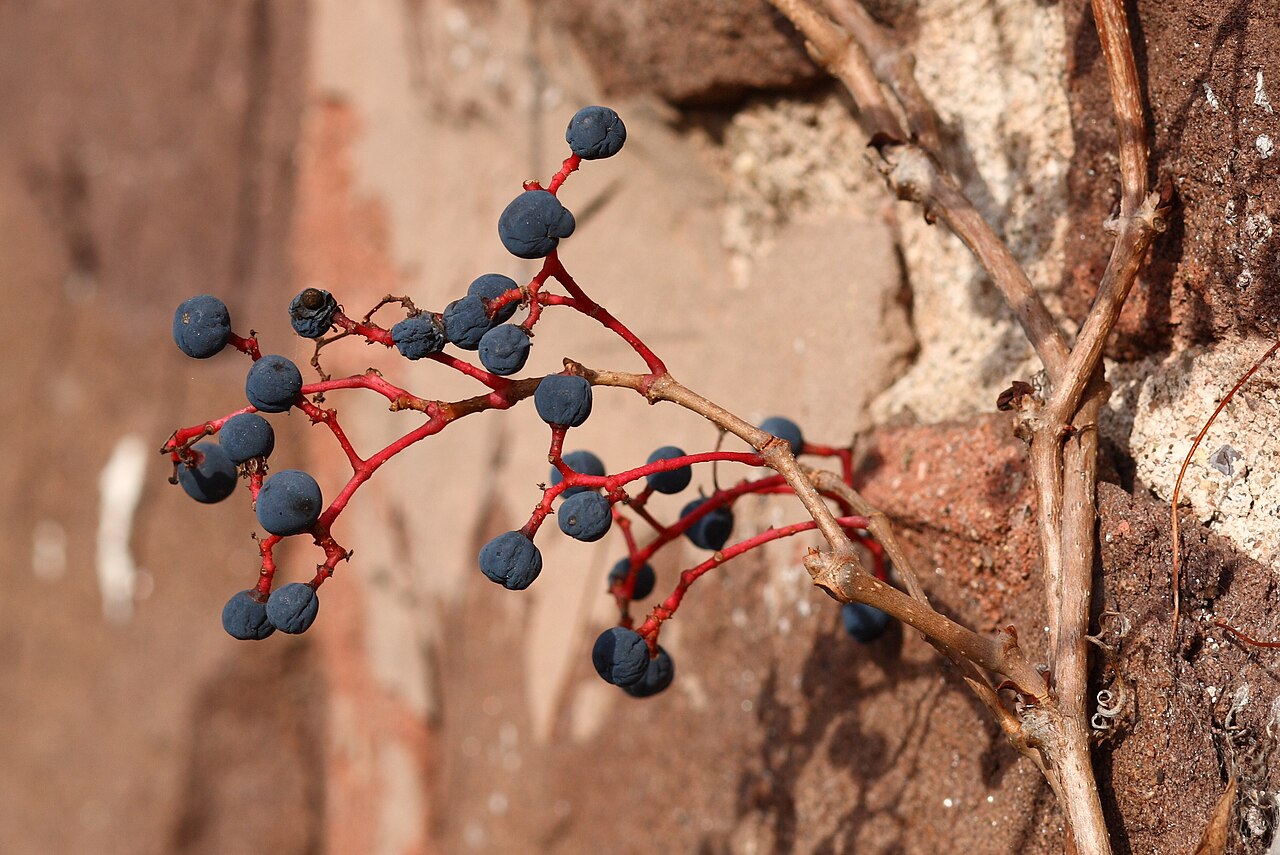
Virginia creeper is ecologically valuable: its inconspicuous greenish flowers in June/July provide food for bees and hoverflies. The small, blue-black berries that appear in autumn are very popular with birds. However, the berries are inedible and mildly toxic to humans. The dense foliage also provides nesting sites for birds and shelter for insects.
Bottom Line: An Autumn Firework on the House Wall
Virginia creeper is the perfect climbing plant for anyone who wants to green large areas quickly and permanently and who loves spectacular autumn colour. With its tremendous vigour, ingenious self-clinging technique, and breathtaking autumn display, it is hard to beat — provided you keep it in check with regular pruning.
This article may contain affiliate links. If you purchase a product through one of these links, Plantgecko may earn a commission at no extra cost to you. This never influences our editorial independence or which products we recommend.