Coneflowers (Echinacea) – Planting, Care, and the Most Beautiful Varieties
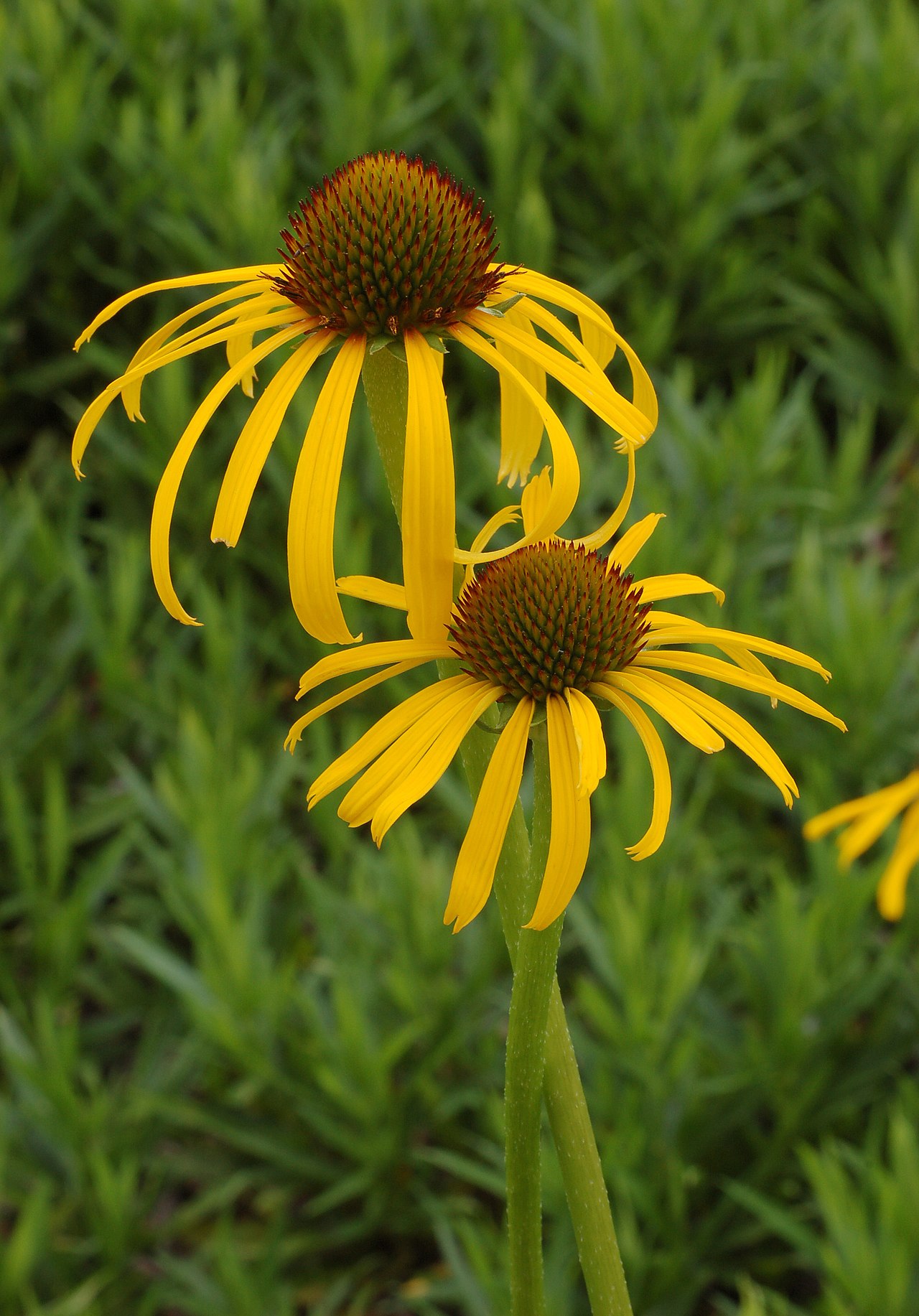
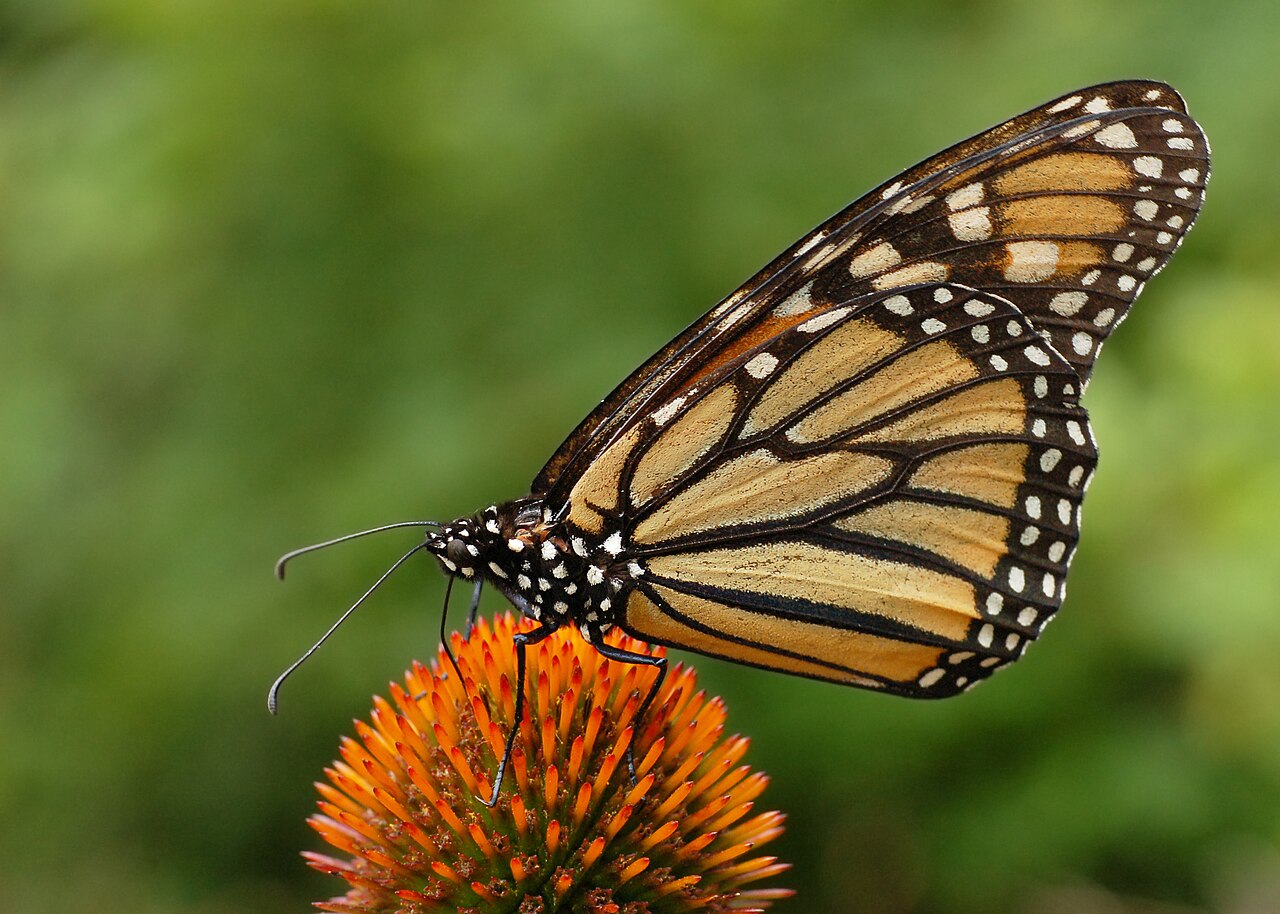
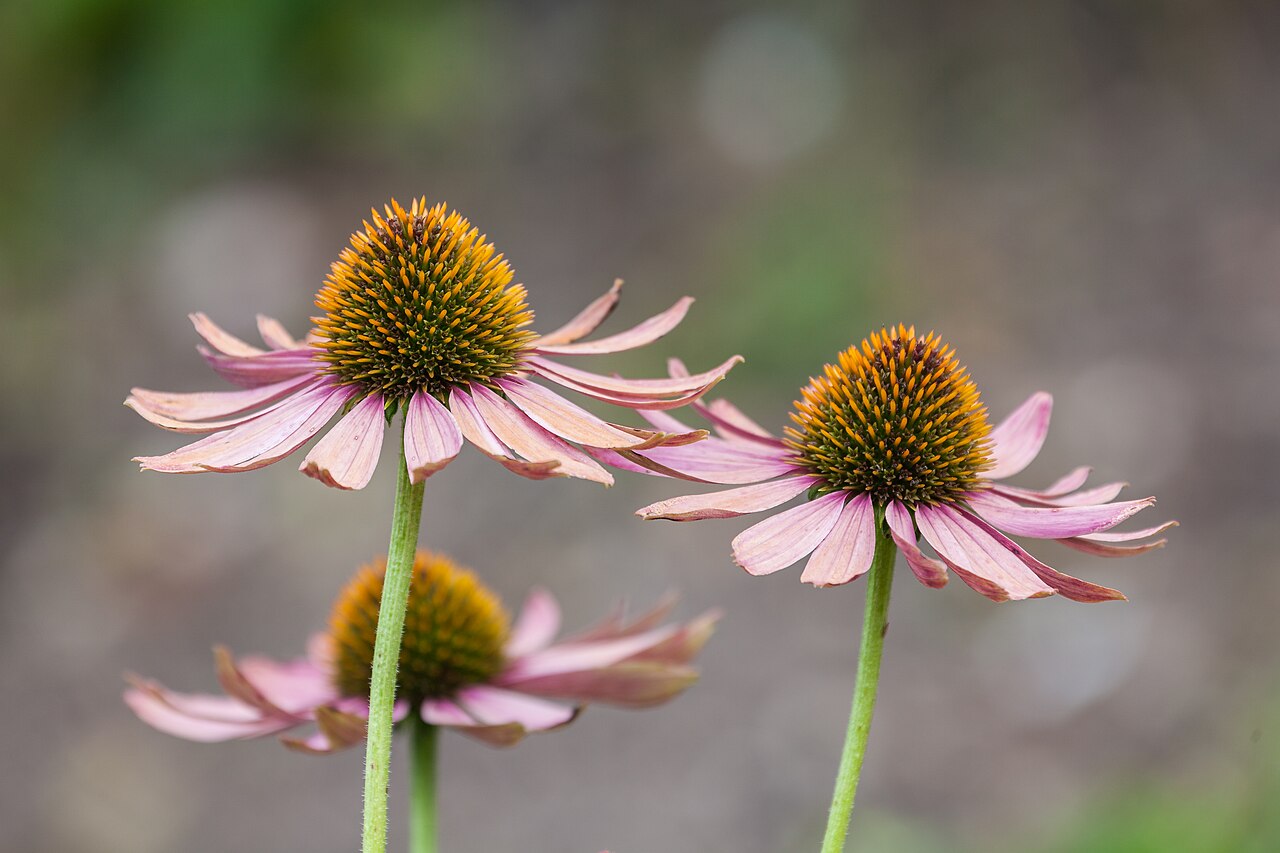
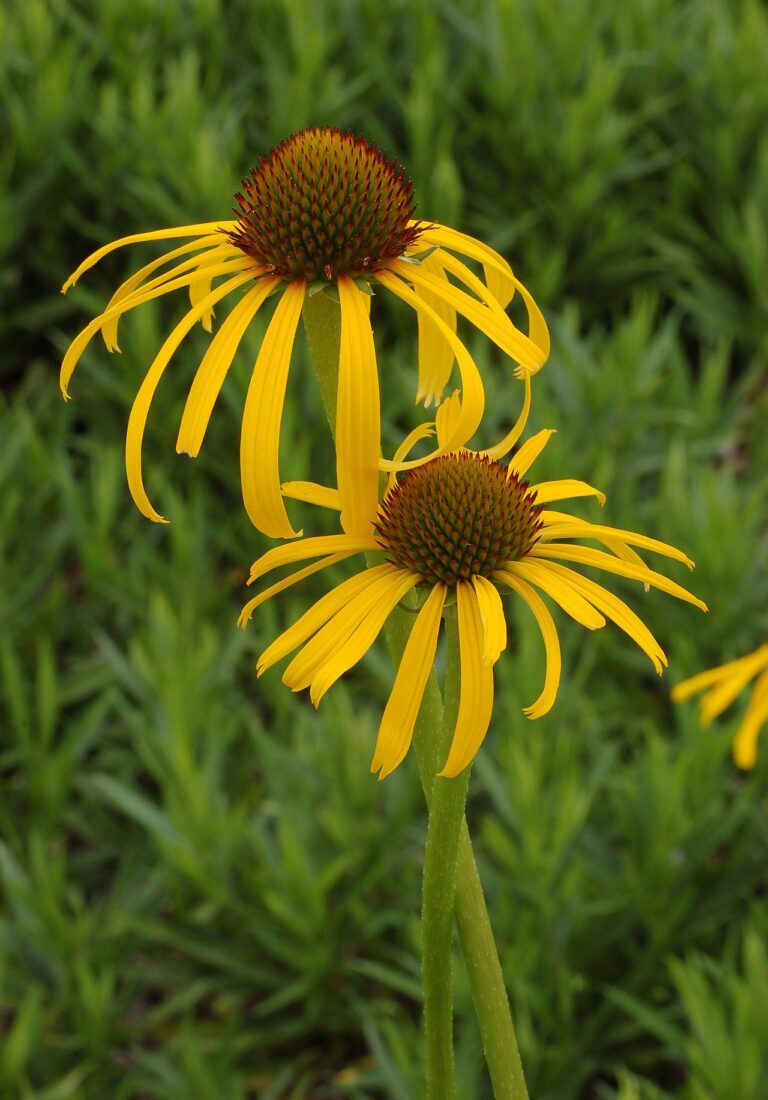
The coneflower (Echinacea purpurea) is a striking prairie perennial whose large, radiant flower heads enhance any garden. Native to North America, this medicinal plant is not only a visual highlight but also ecologically valuable — bees, bumblebees, and butterflies love it, and in winter its seed heads provide an important food source for birds.
The Most Beautiful Echinacea Varieties
While the wild form blooms in purplish-pink, today there is an impressive range of cultivated varieties in many different colors:
| Variety | Flower Color | Height | Notable Feature |
|---|---|---|---|
| Echinacea ‘Magnus’ | Purplish-pink | 80-100 cm | A classic, very sturdy |
| Echinacea ‘White Swan’ | Pure white | 70-90 cm | Elegant and refined |
| Echinacea ‘Hot Papaya’ | Orange-red | 70-80 cm | Double flowers |
| Echinacea ‘Green Jewel’ | Light green | 60-70 cm | An unusual color |
Location and Soil Requirements
Coneflowers love the sun. A full-sun spot with at least six hours of direct sunlight is ideal. The soil should be well-drained, humus-rich, and moderately fertile. Improve heavy soils with sand and compost. A soil pH between 6.0 and 7.5 is optimal. Coneflowers do not tolerate waterlogged soil.
Planting and Care
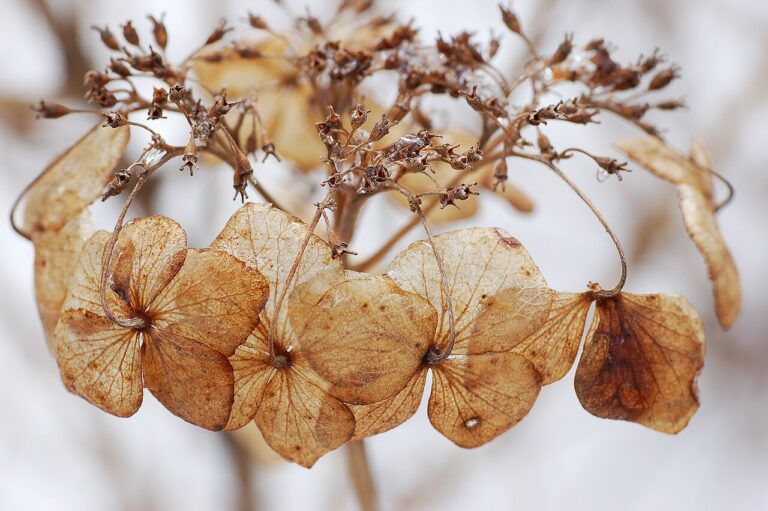
Plant Echinacea in spring, spacing plants 40 to 50 cm apart. Regular watering is important during the first few weeks until the plant is established; mature specimens are surprisingly drought-tolerant. Feed once in spring with compost or a balanced organic fertilizer. Deadhead spent flowers regularly to prolong blooming — or leave them standing to feed birds through the winter.
A Medicinal Plant with Tradition
The coneflower is one of the best-known medicinal herbs. In folk medicine, Echinacea has traditionally been used to support the immune system. Its roots, leaves, and flowers contain valuable compounds such as polysaccharides, essential oils, and flavonoids. For home use, the petals and leaves can be brewed into a tea — though for serious health concerns you should always consult a doctor.


This article may contain affiliate links. If you purchase a product through one of these links, Plantgecko may earn a commission at no extra cost to you. This never influences our editorial independence or which products we recommend.