How Often Should You Water Plants? A Practical Watering Schedule Guide
“How often should I water?” is one of the most common plant-care questions, and it’s also one without a single right answer. Watering frequency depends on the plant species, pot size, soil type, light levels, and season — a fixed schedule like “once a week” often leads to over- or under-watering. Instead, the most reliable approach is learning to read your plant’s actual moisture needs.
Check the Soil, Not the Calendar
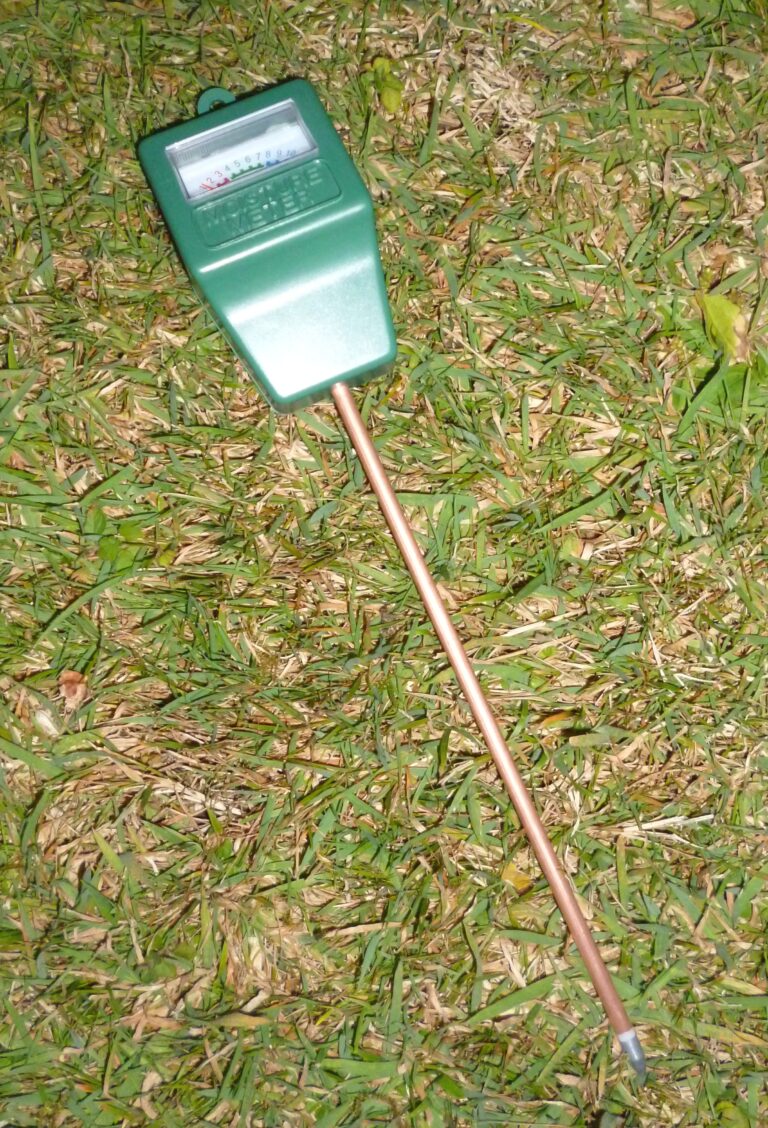
The simplest and most reliable method is the finger test: insert a finger about one to two inches into the soil. If it feels dry at that depth, most common houseplants are ready for water; if it’s still moist, wait a few more days and check again. For a more precise reading, a moisture meter can help, especially with larger pots where the surface may look dry while soil deeper down is still wet.
Factors That Change Watering Frequency
- Plant type: Succulents and cacti store water in their tissues and may only need watering every 2-3 weeks, while tropical foliage plants and ferns often prefer consistently moist soil and more frequent watering.
- Pot size and material: Smaller pots dry out faster than larger ones. Unglazed terracotta is porous and loses moisture through its walls, drying soil faster than plastic or glazed ceramic pots.
- Light and season: Plants use more water when actively growing in bright light and warm temperatures during spring and summer, and considerably less during the shorter, cooler days of fall and winter dormancy.
- Humidity and airflow: Dry indoor air (common with winter heating) speeds up soil moisture loss, while humid conditions slow it down.
- Soil mix: Dense, water-retentive soil dries more slowly than a loose, well-draining mix with added perlite or bark.
Signs of Over- and Under-Watering
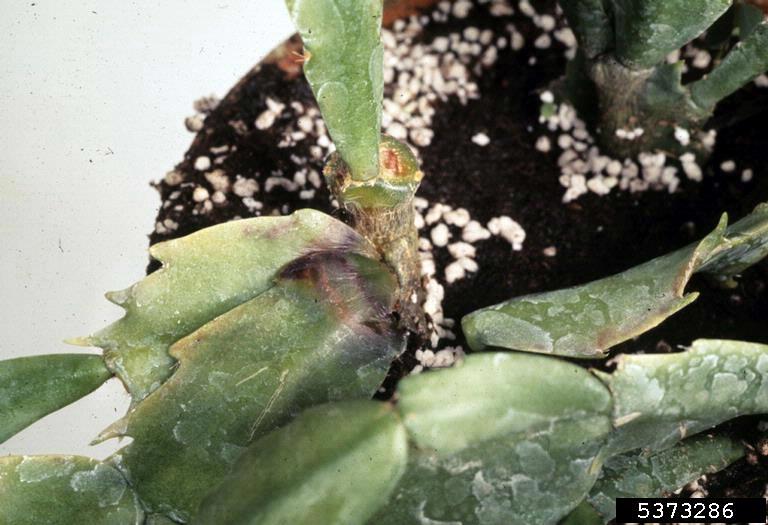
Both extremes can look surprisingly similar at first — wilting leaves — which is why checking the soil is more reliable than judging by appearance alone. Overwatered plants often show yellowing lower leaves, a mushy stem base, soggy soil, or a sour smell from root rot. Underwatered plants typically show dry, crispy leaf edges, drooping that perks up quickly after a good soak, and soil that pulls away from the pot’s sides.
Building a Routine
Rather than committing to a fixed schedule, check your plants every few days and water thoroughly (until water drains from the pot’s bottom) whenever the soil has dried to an appropriate depth for that species. Group plants with similar watering needs together, and adjust your checking frequency seasonally — more often in the height of summer growth, less often in winter. Over time you’ll develop an intuitive sense of each plant’s rhythm, which is far more effective than any generic schedule.
This article may contain affiliate links. If you purchase a product through one of these links, Plantgecko may earn a commission at no extra cost to you. This never influences our editorial independence or which products we recommend.