Spider Plant Care: The Air-Purifying Classic
Introduction
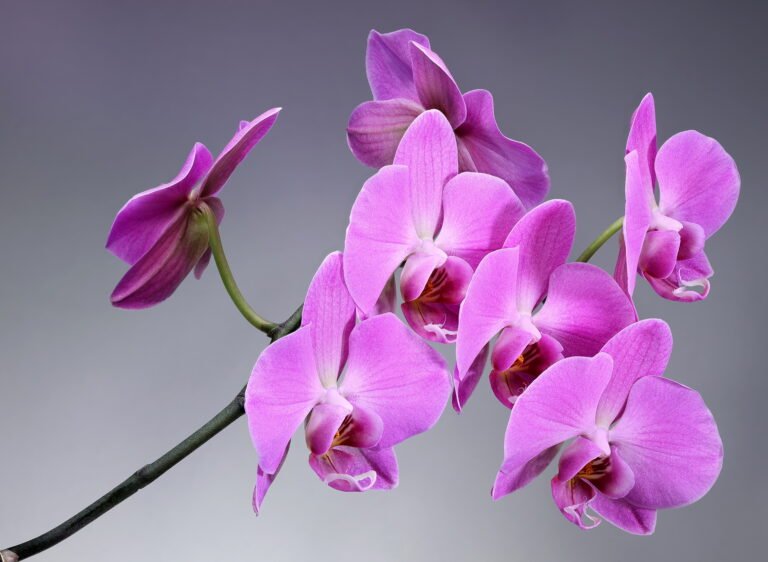
Photo: Juan Carlos Fonseca Mata (CC BY-SA 4.0, Wikimedia Commons)
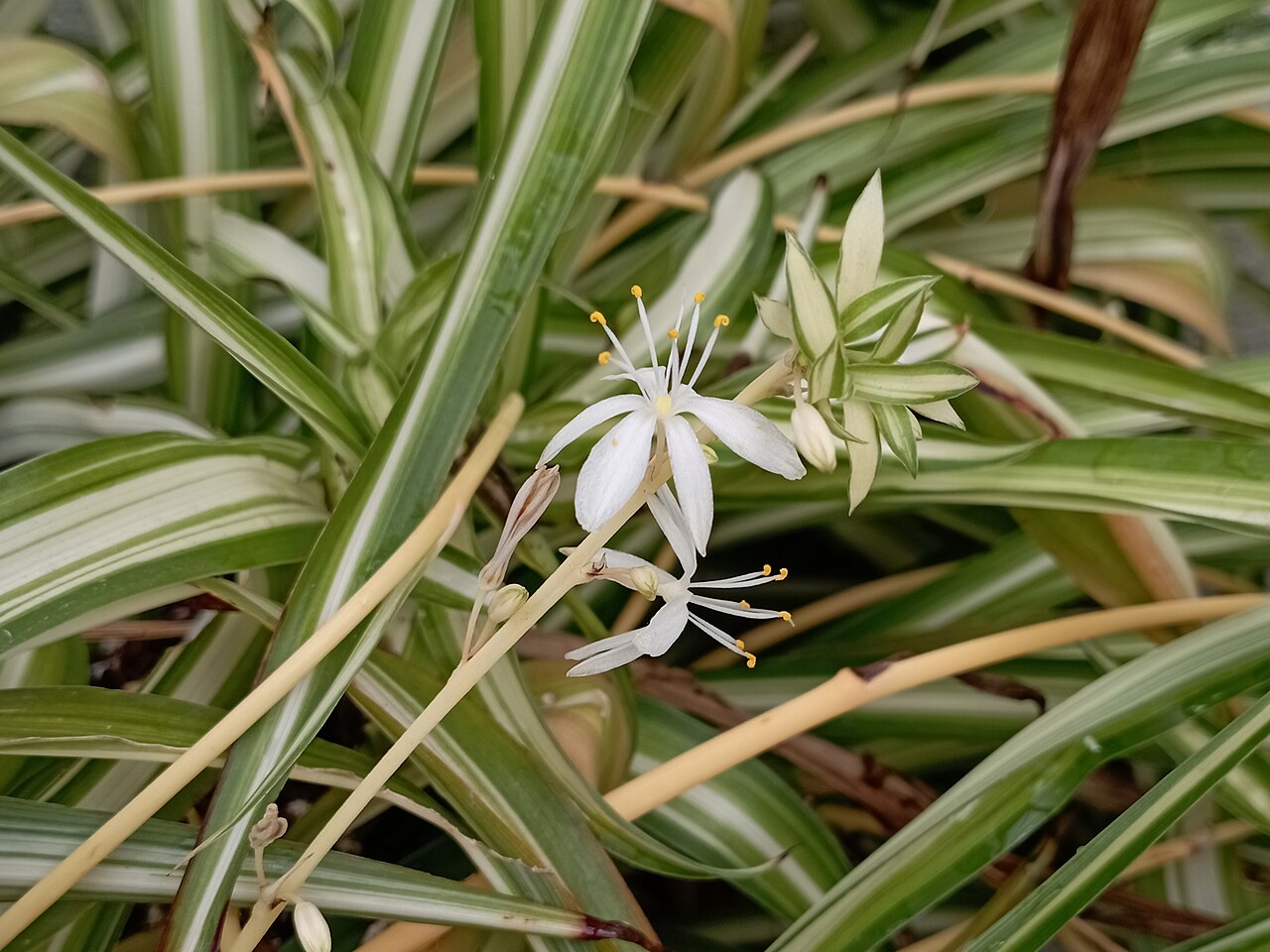
Photo: Stephanie cheks (CC BY-SA 4.0, Wikimedia Commons)
Photo: ChrisInMilton (CC BY-SA 4.0, Wikimedia Commons)
The spider plant (Chlorophytum comosum) is one of the most forgiving and rewarding houseplants you can grow. Native to tropical and southern Africa, it earns its reputation as a beginner-friendly classic thanks to its arching, ribbon-like leaves, tolerance for a wide range of conditions, and eagerness to produce baby plantlets on long, cascading stems.
Who This Is For
Light and Temperature
Spider plants thrive in bright, indirect light but adapt surprisingly well to medium or even low light, which is why they’re often used in offices and shaded corners. Direct, intense afternoon sun can scorch the leaf tips and cause bleaching, especially on variegated varieties, so an east- or north-facing window is usually ideal. Keep temperatures between 65-80°F (18-27°C); the plant is sensitive to frost and will suffer below about 50°F (10°C), so bring container plants indoors well before the first fall frost.
Buying Criteria
Watering and Soil
Water thoroughly and then let the top inch or two of soil dry out before watering again. Spider plants store some water in their thickened, tuberous roots, which makes them fairly drought-tolerant, but they don’t like sitting in soggy soil for long. A well-draining, general-purpose potting mix works well; adding perlite improves drainage and helps prevent root rot. Spider plants are also notably sensitive to the fluoride and chlorine found in some tap water, which can cause brown leaf tips — using filtered, distilled, or rain water can noticeably improve leaf appearance.
Product/Option Categories
Humidity and Feeding
Average household humidity is fine, though the plant appreciates slightly higher moisture in very dry, heated rooms during winter. Feed monthly during spring and summer with a balanced, diluted liquid houseplant fertilizer, and skip feeding in fall and winter when growth naturally slows.
Trade-offs
Common Problems
Brown leaf tips: Usually caused by fluoride/chlorine in tap water, low humidity, or excess fertilizer salts building up in the soil.
Pale, washed-out leaves: A sign of too much direct sun; move to a slightly shadier spot.
Disclosure
This article may contain affiliate links. If you purchase a product through one of these links, Plantgecko may earn a commission at no extra cost to you. This never influences our editorial independence or which products we recommend.
| Product | Best For | Price | |
|---|---|---|---|
| liquid houseplant fertilizer | Top Pick | Check price | View |
| perlite | Budget Alternative | Check price | View |
Recommendation Framework
Root rot: Caused by overwatering or poorly draining soil; let the plant dry out more between waterings and repot if roots are mushy.
Few or no plantlets: Mature, slightly rootbound plants produce plantlets more readily than young ones in oversized pots.
Propagation.
Conclusion
Spider plants are famously easy to propagate. Mature plants send out long stolons tipped with small plantlets (sometimes called “spiderettes”). Once a plantlet has developed small root nubs, snip it from the parent stem and either place it in water until roots grow an inch or so, or plant it directly in moist potting mix. Keep the new cutting in bright, indirect light and consistently moist soil until it’s established, which typically takes a few weeks.