Bonsai Tools for Beginners: What You Really Need
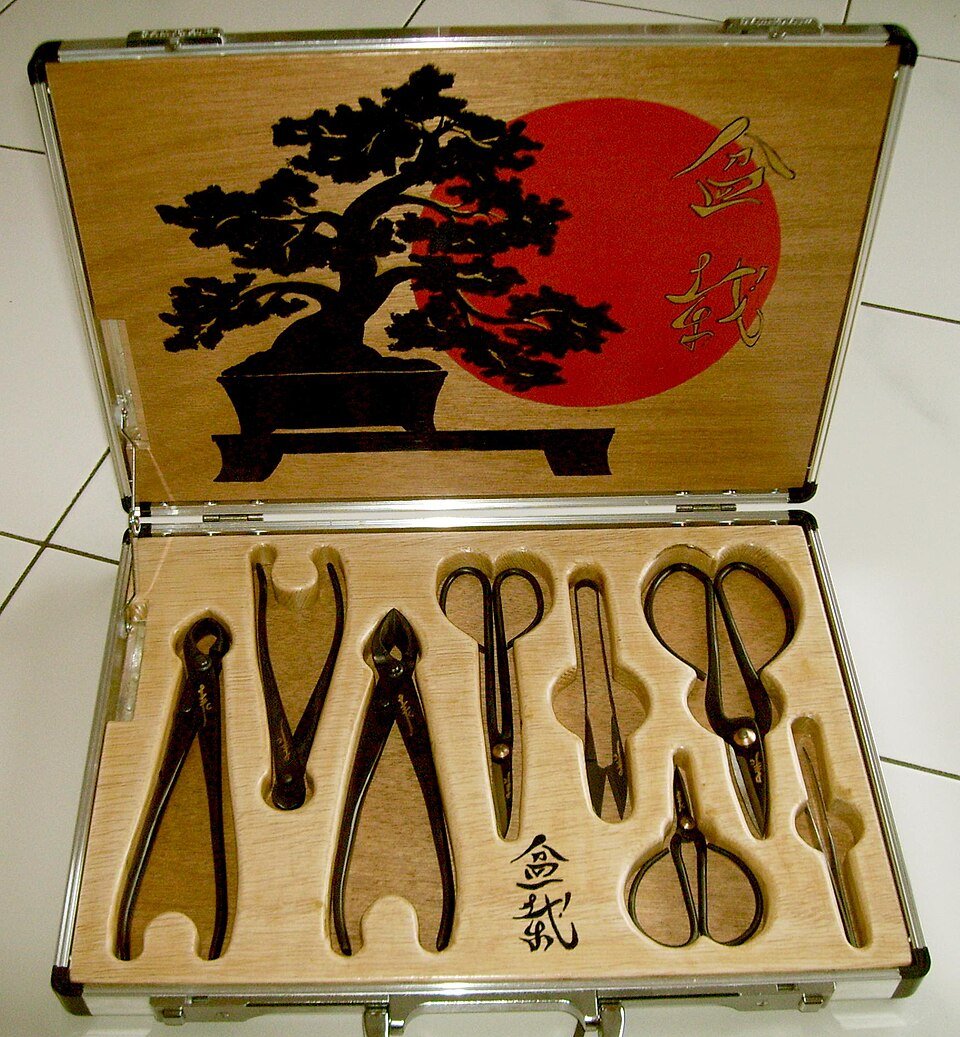
Bonsai is one area of plant care where general-purpose tools genuinely fall short. Because bonsai training relies on precise, healing-friendly cuts on woody material — often on trunks and branches that need to look natural for years afterward — a small set of purpose-built tools makes a real difference in both the health of the tree and the quality of the result.
Why Bonsai Needs Its Own Tools
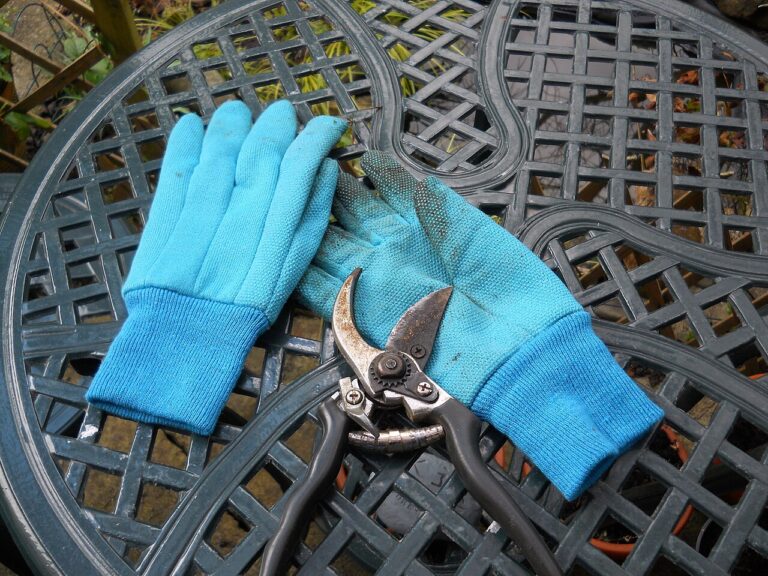
Ordinary pruners leave a flat or slightly concave stub when a branch is removed flush to the trunk. On a full-size tree that’s barely noticeable, but on a miniature bonsai it creates a visible scar that can take years to callus over, if it ever fully does. Bonsai-specific tools are shaped to leave concave, saucer-like wounds that heal flush with the surrounding bark, which is essential for the “aged, natural” look bonsai aims for.
The Core Tools
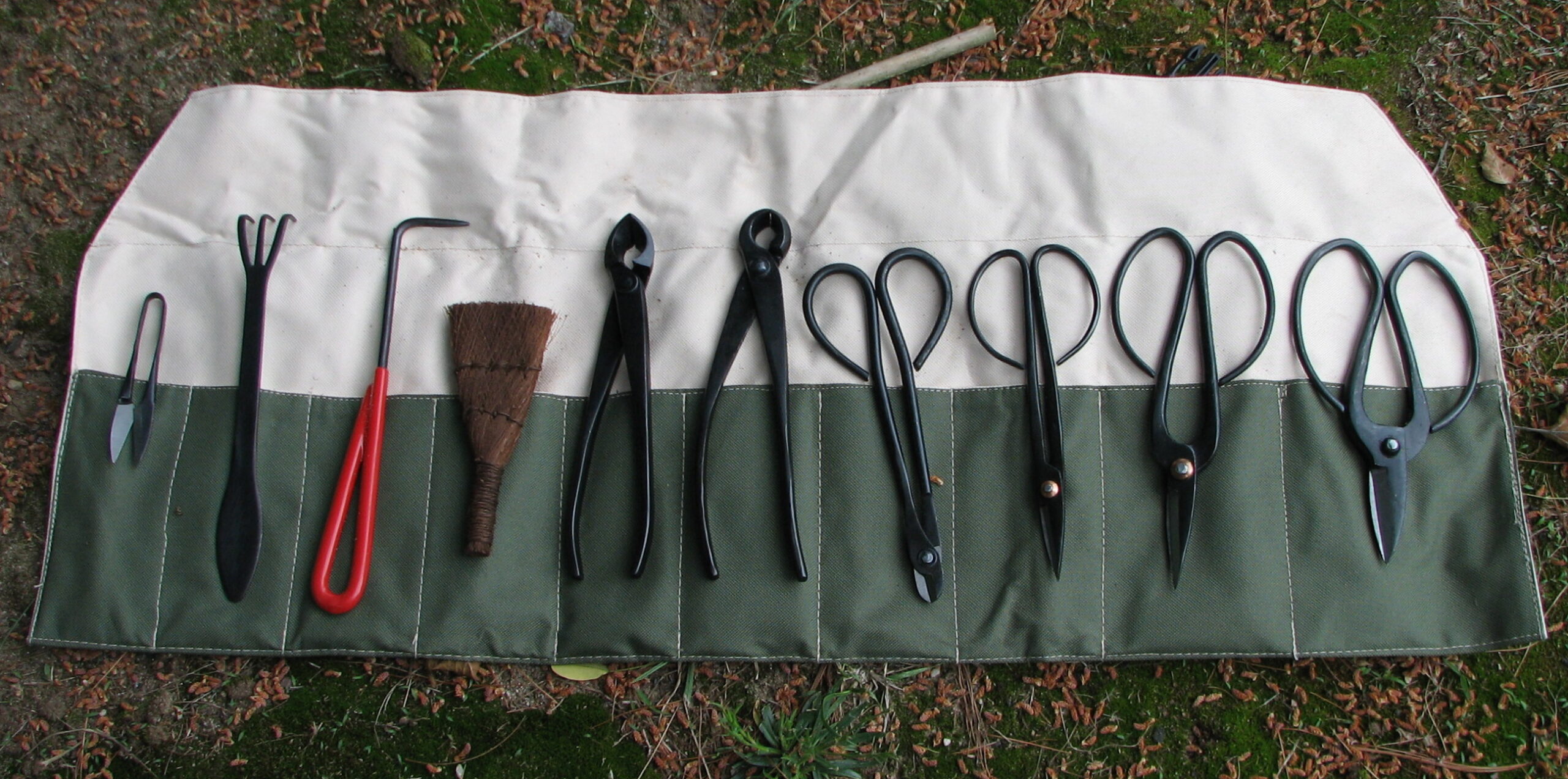
- Concave cutters: the signature bonsai tool. Their rounded, hollow-ground blades remove branches at the trunk and leave a slightly recessed wound that calluses over smoothly and disappears into the bark over time. Come in small, medium, and large sizes depending on branch thickness.
- Bonsai shears: longer-handled than general clippers, designed for repeated fine trimming of twigs and foliage to maintain shape without fatiguing your hand during long styling sessions.
- Wire cutters: bonsai wiring (used to bend and train branches into position) needs to be removed carefully as the tree grows, since wire left too long can cut into bark. Bonsai wire cutters have a rounded jaw tip designed to slip under wire and cut it away in small segments without gouging the branch.
- Root hooks (root rakes): a curved, often multi-pronged tool used during repotting to gently tease apart and untangle the dense root ball without tearing fine feeder roots, which is critical since bonsai are repotted into shallow pots with limited root space.
- Knob cutters: similar to concave cutters but designed to remove larger stubs and knobs left from previous branch removal, smoothing the trunk line over time.
What Beginners Actually Need First
You don’t need the full professional kit on day one. A beginner can get a long way with three tools: a mid-sized pair of concave cutters, a pair of bonsai shears for routine trimming, and a root hook for repotting. Wire cutters and knob cutters become worth adding once you start wiring branches or correcting older, thicker growth — both are common second-year purchases as your trees mature and your styling ambitions grow.
Buying Quality and Caring for Your Tools
Carbon steel bonsai tools take a sharper edge and are generally preferred by experienced practitioners, but they require drying and light oiling after use to prevent rust. Stainless steel tools are lower maintenance and a sensible choice for beginners or humid climates, at a small cost to how fine an edge they hold. Whichever metal you choose, keep blades clean between trees — sap and sticky residue left on cutting edges will eventually affect both sharpness and the cleanliness of your cuts, and can spread disease between plants if you work on several trees in one session.
Investing in even a modest set of dedicated bonsai tools pays off quickly: cleaner cuts heal faster, wire removal won’t scar branches, and repotting becomes far less stressful for both you and the tree.
This article may contain affiliate links. If you purchase a product through one of these links, Plantgecko may earn a commission at no extra cost to you. This never influences our editorial independence or which products we recommend.