Essential Tools for Plant Lovers: The Basic Equipment
You don’t need a shed full of gadgets to keep houseplants healthy, but a handful of well-chosen tools make routine care faster, cleaner, and safer for your plants. Here’s what actually earns a place in a plant lover’s toolkit — and what to look for when buying each piece.
Pruning Snips
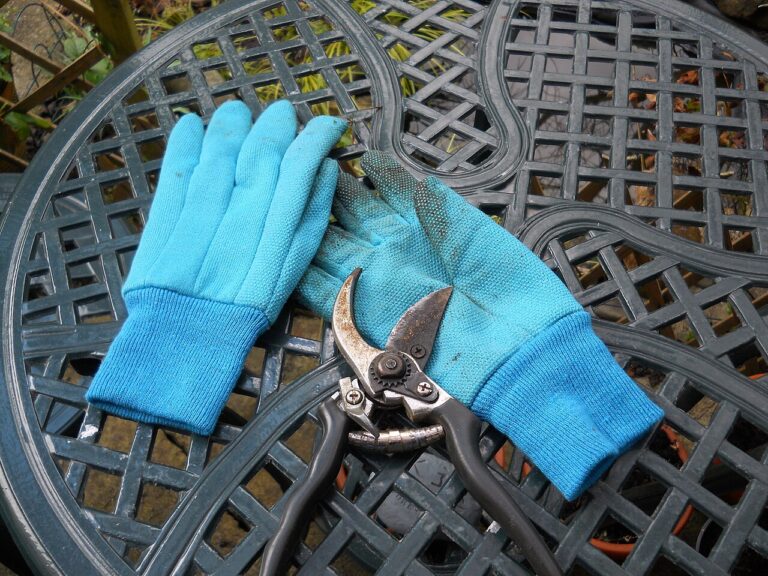
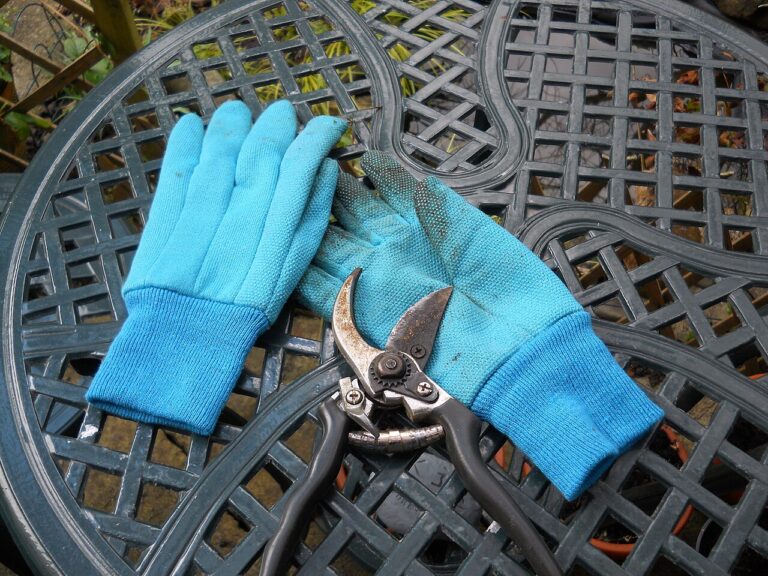
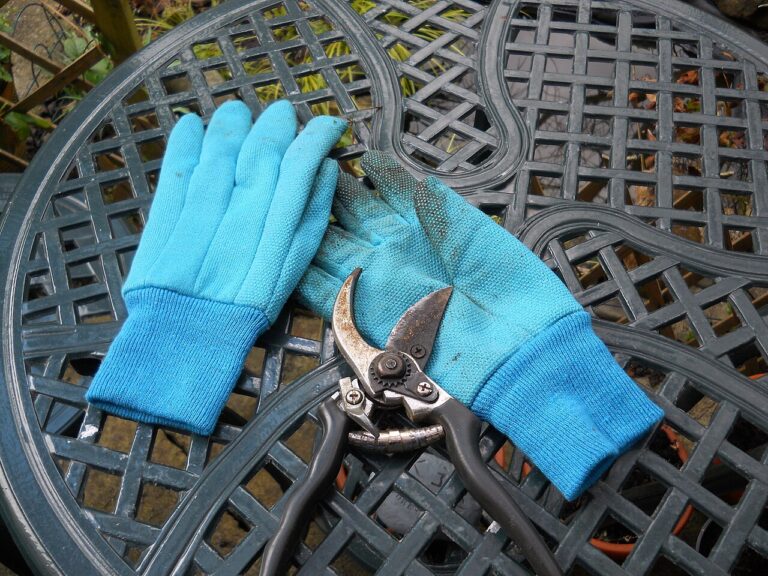
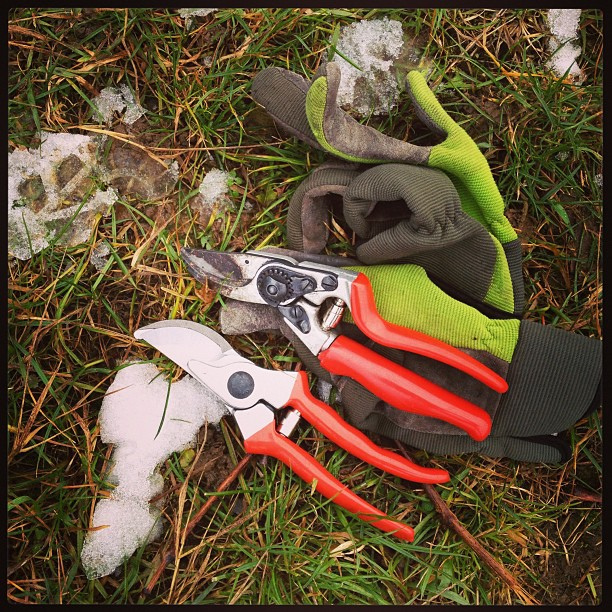
A small pair of sharp bypass snips is the single most useful tool for indoor plant care. Bypass blades (which slide past each other like scissors) make a clean cut that heals quickly, unlike anvil-style blades that crush stems. Look for stainless steel blades that resist corrosion and are easy to wipe clean between plants — this matters because dirty blades can spread fungal and bacterial diseases from one plant to another. Wipe blades with rubbing alcohol between uses, especially after cutting anything diseased.
A Proper Watering Can
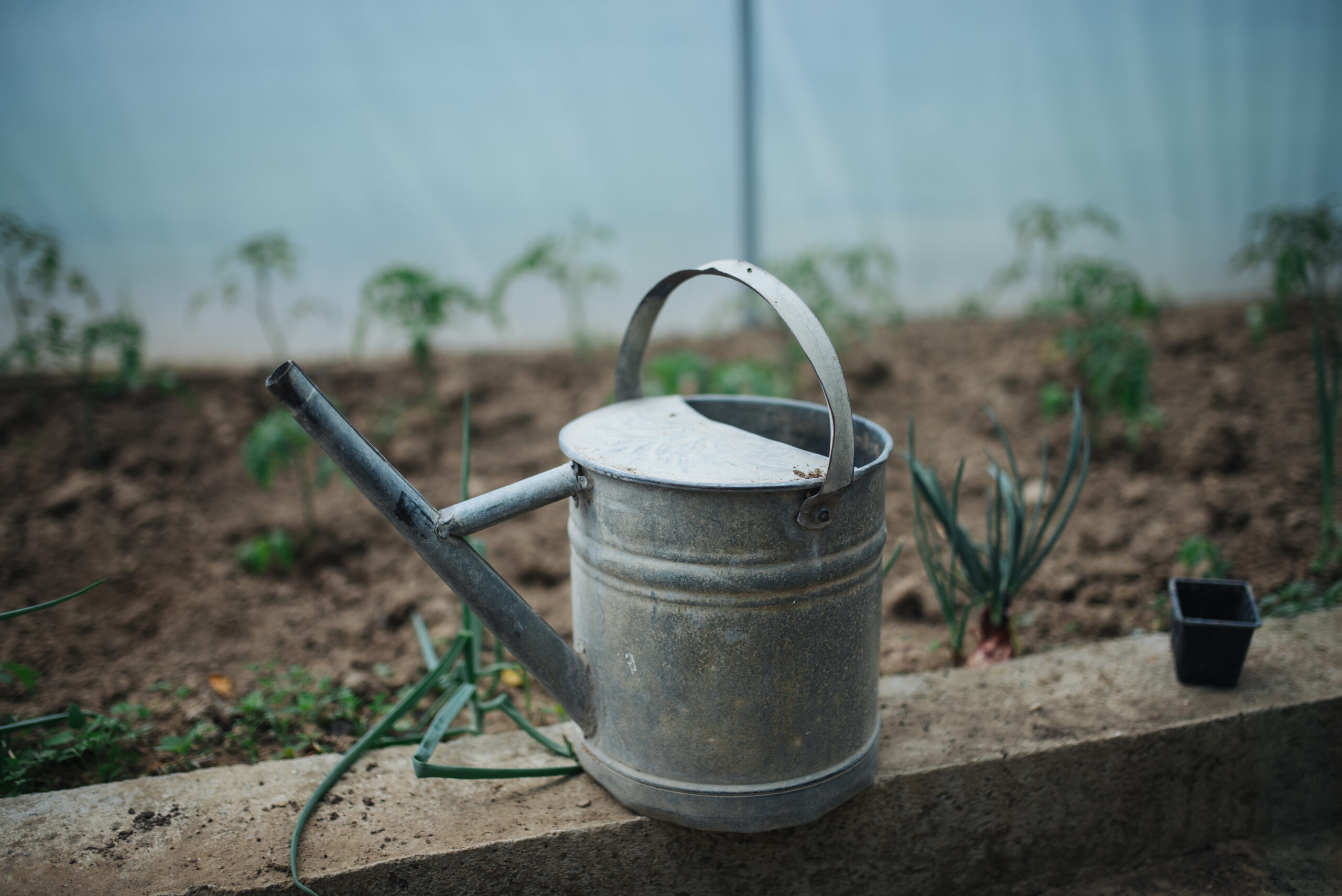
A watering can with a long, narrow spout gives you control to direct water at the soil rather than splashing leaves, which helps prevent fungal spotting on sensitive foliage like African violets or begonias. A capacity of one to two liters is manageable for most indoor collections without requiring constant refills. Some growers also keep a second can specifically for fertilizer solution, so nutrient concentration stays predictable.
A Soil Moisture Meter
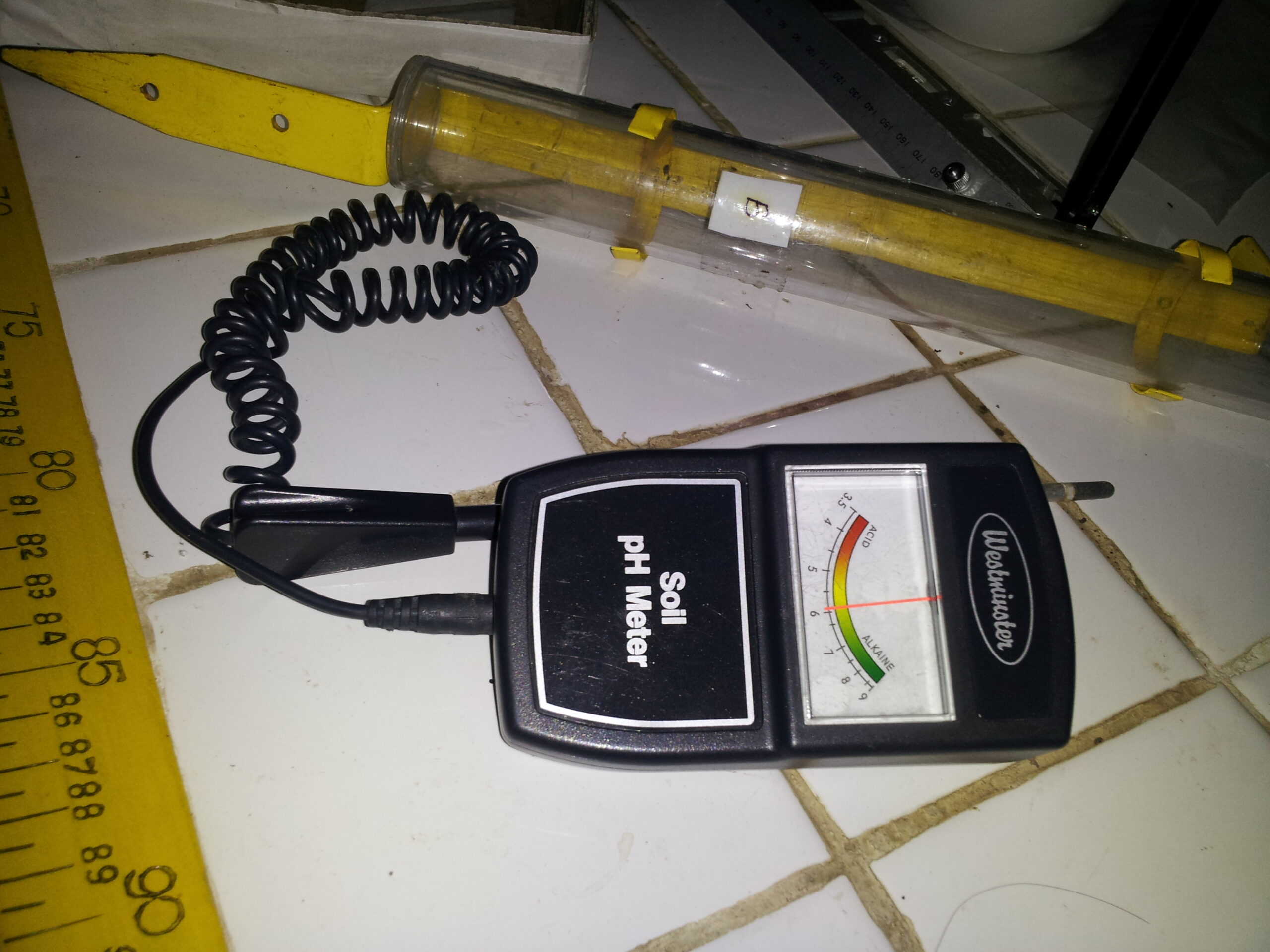
Overwatering kills far more houseplants than underwatering, largely because it’s hard to judge moisture at the root zone just by looking at the surface. A simple probe-style moisture meter takes the guesswork out, especially for deep pots where the top inch of soil dries out long before the roots need water. Meters aren’t perfectly precise, but they’re reliable enough to use comparatively — checking whether a pot reads “dry” versus “moist” before deciding to water.
A Misting Bottle
A fine-mist spray bottle is useful for raising humidity briefly around humidity-loving plants like ferns and calatheas, and for rinsing dust off leaves so they can photosynthesize efficiently. Misting alone won’t meaningfully raise ambient humidity for long, but it’s still handy for spot-treating new cuttings, cleaning foliage, and applying diluted foliar treatments.
Gloves
Thin, close-fitting gardening gloves protect your hands from sap irritants (common in plants like pothos, dieffenbachia, and euphorbias), thorns, and the mess of repotting. Choose a snug fit so you retain enough dexterity for fiddly tasks like untangling roots or handling small cuttings.
A Hand Trowel
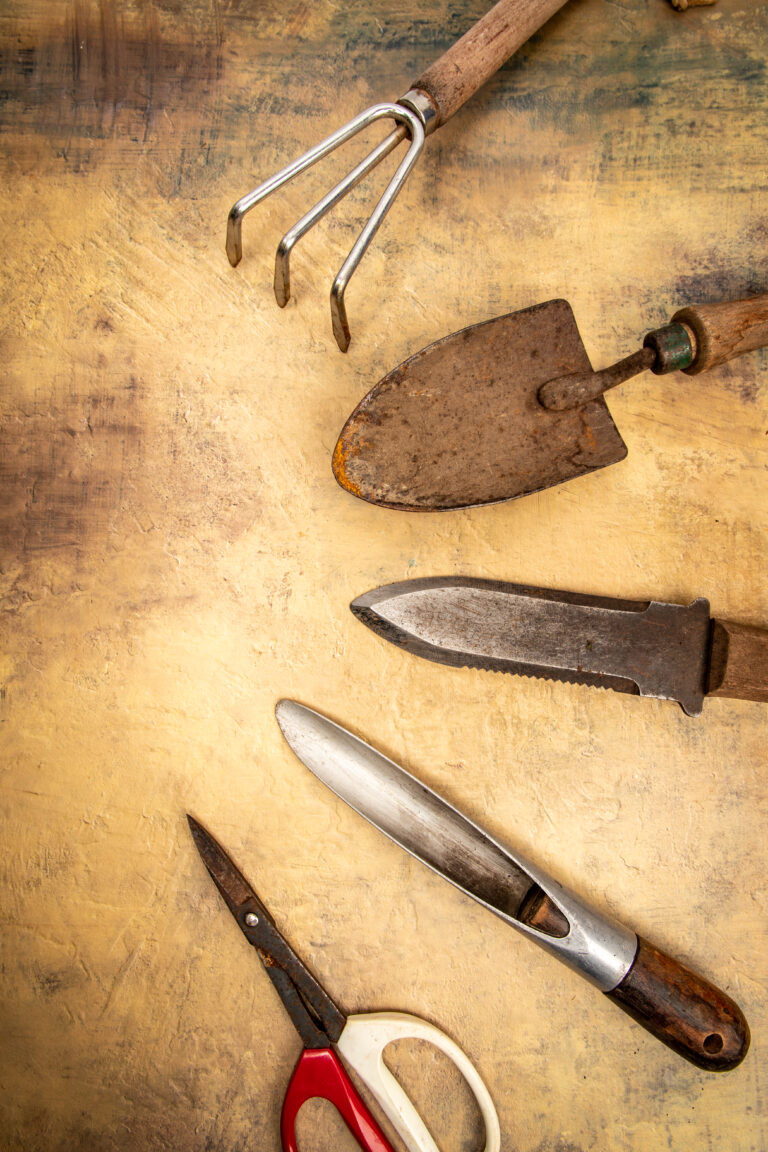
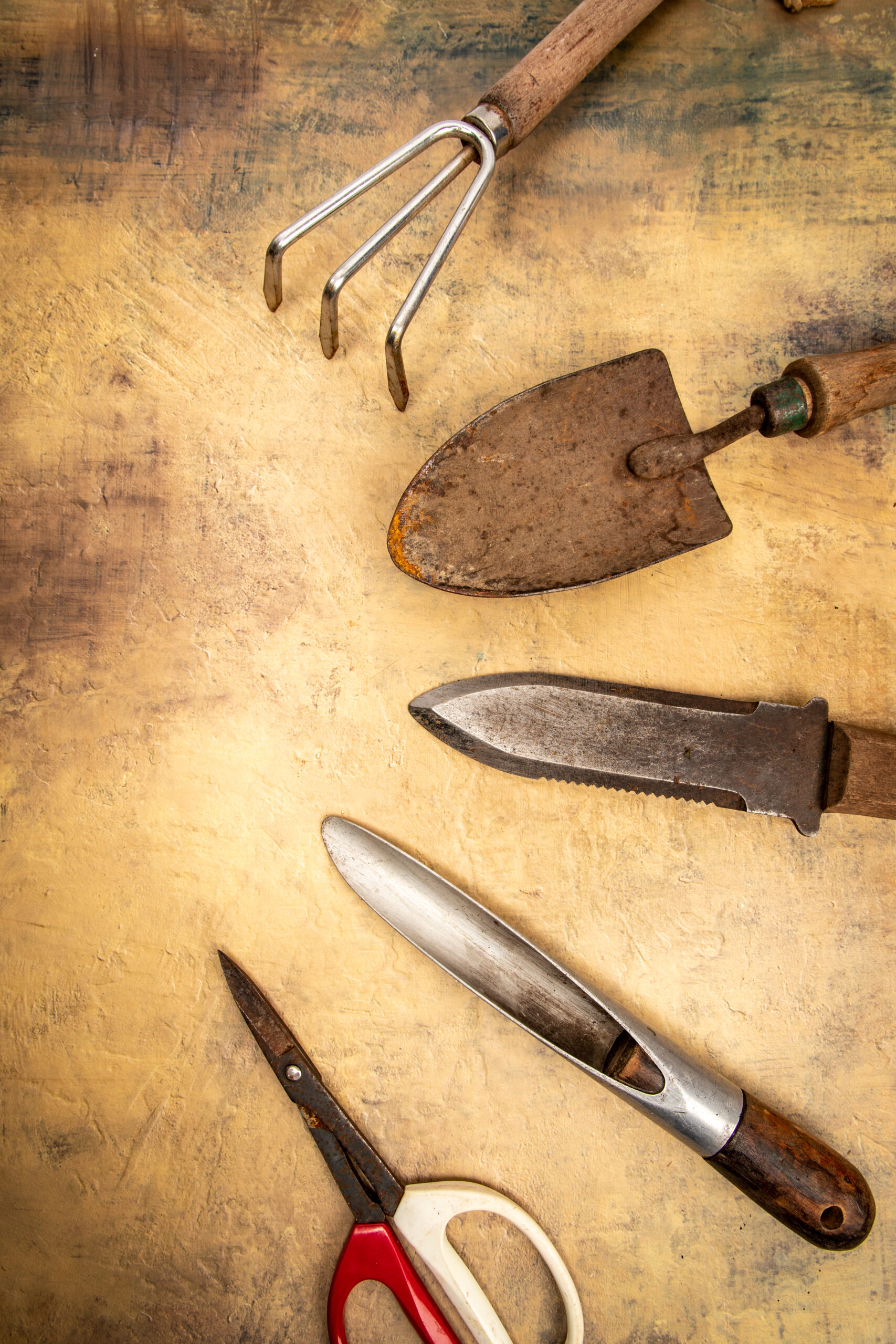
A sturdy, narrow hand trowel makes repotting far less messy — it’s useful for scooping potting mix into containers, loosening compacted soil around roots, and digging out a plant without damaging its root ball. A stainless or powder-coated blade resists bending and rust better than cheap aluminum versions.
Building Your Kit Gradually
You don’t need to buy everything at once. Start with snips and a watering can, since those get used weekly. Add a moisture meter once your collection grows past a handful of pots, when it becomes harder to track each plant’s watering needs by memory alone. Quality over quantity matters here — a well-made pair of snips that stays sharp for years is worth more than a drawer full of tools that dull or rust after one season.
This article may contain affiliate links. If you purchase a product through one of these links, Plantgecko may earn a commission at no extra cost to you. This never influences our editorial independence or which products we recommend.