Electric Pruning Shears: Are They Worth Buying?
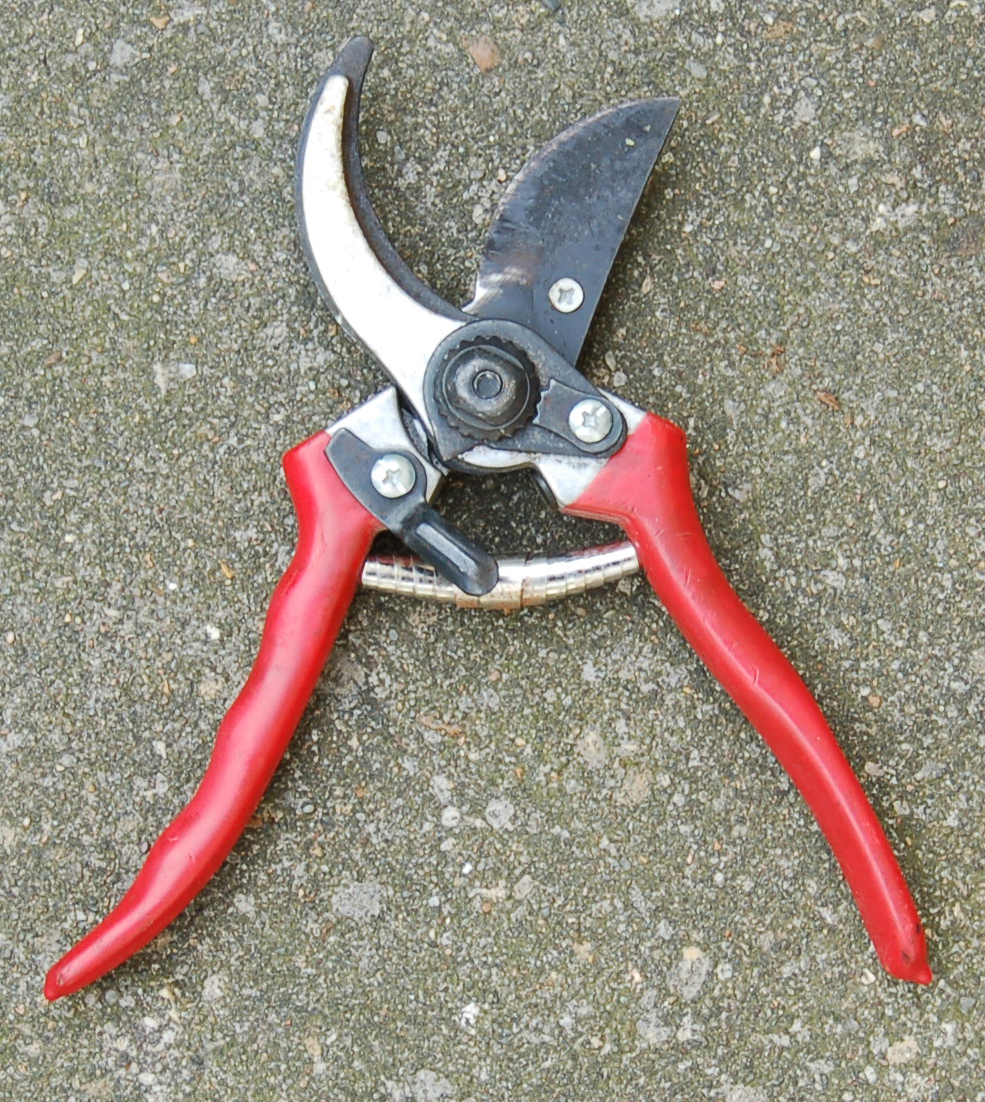
Electric pruning shears have moved from professional orchards and vineyards into home garden sheds over the past several years. They promise less hand fatigue and cleaner cuts than manual bypass pruners, but they also come with a higher price tag and extra maintenance. Here’s an honest look at when they’re worth it.
How They Work
Electric (or “cordless battery”) pruning shears use a small motor to close the blade, so you only need to squeeze a trigger rather than force the handles together. Most models run on a rechargeable lithium-ion battery worn on a belt or shoulder strap, connected to the shears by a cable, and can make several thousand cuts per charge depending on branch diameter and battery capacity.
The Case For Them
- Reduced hand and wrist fatigue: this is the main selling point. If you’re pruning for hours — a large orchard, a vineyard, or dozens of rose bushes — the difference in strain is significant, especially for anyone with arthritis or grip weakness.
- Consistent, clean cuts: the motor delivers the same closing force every time, which helps produce uniform cuts even late in a long pruning session when a tired hand might squeeze unevenly with manual shears.
- Cutting capacity: many electric models handle branches up to an inch or more in diameter that would require a saw or heavy loppers if done manually.
- Speed: for repetitive tasks like thinning fruit trees or hedging, the reduced effort per cut adds up to real time savings over a full day.
The Case Against Them
- Cost: a decent electric pruner runs several times the price of a quality manual bypass pruner, and professional-grade models cost even more.
- Maintenance: beyond blade sharpening and cleaning (same as manual tools), you’re also maintaining a battery, charger, and motor. Batteries degrade over years of use and eventually need replacing, which isn’t always cheap or straightforward.
- Battery life limits: heavy use days require either a spare battery or planning charging breaks; running out mid-task on a large property is a common complaint.
- Weight and bulk: the shears themselves, plus a battery pack and cable, are heavier and more cumbersome than a simple pair of manual pruners you can slip into a back pocket.
- Overkill for light use: if you’re deadheading perennials and trimming a handful of shrubs a few times a season, the benefits rarely justify the cost.
Who They Make Sense For
Electric pruning shears earn their keep for people doing sustained, high-volume pruning: orchard owners, vineyard managers, market growers, or anyone maintaining a large collection of fruit trees or rose bushes. They’re also genuinely valuable for gardeners with hand-strength limitations, since the reduced grip force can make pruning possible again for people who’ve had to give it up with manual tools.
Electric Pruning Shears Worth Considering
If you’ve decided electric shears make sense for your workload, these are established, well-regarded models spanning homeowner to professional use.
| Model | Price Tier | Key Differentiator | Best For |
|---|---|---|---|
| STIHL GTA 26 | Mid-range | Compact, lightweight cordless pruner from a top power-tool brand | Homeowners with a modest number of shrubs and small branches |
| Makita XNU02Z Cordless Pruning Shears | Premium | 18V battery shares Makita’s existing tool ecosystem, high cutting capacity | Owners already invested in Makita’s battery platform |
| Felco 801 Electric Pruning Shears | Premium | Professional-grade belt-battery system built for all-day orchard use | Orchard owners and market growers doing high-volume pruning |
| Kizen Electric Pruning Shears | Budget | More affordable entry point into cordless pruning | Gardeners easing into electric shears without a big investment |
For the average home gardener with a modest number of shrubs and perennials, a good pair of manual bypass pruners remains the better investment — lighter, cheaper, needs no charging, and perfectly capable of handling occasional pruning tasks. If you do go electric, choose a model with a battery gauge, a safety lock, and readily available replacement blades, and budget for a spare battery if you’ll be working long days.
This article may contain affiliate links. If you purchase a product through one of these links, Plantgecko may earn a commission at no extra cost to you. This never influences our editorial independence or which products we recommend.