How to Propagate Echeveria: Leaf Cuttings, Offsets, and Beheading
How to Propagate Echeveria: Leaf Cuttings, Offsets, and Beheading
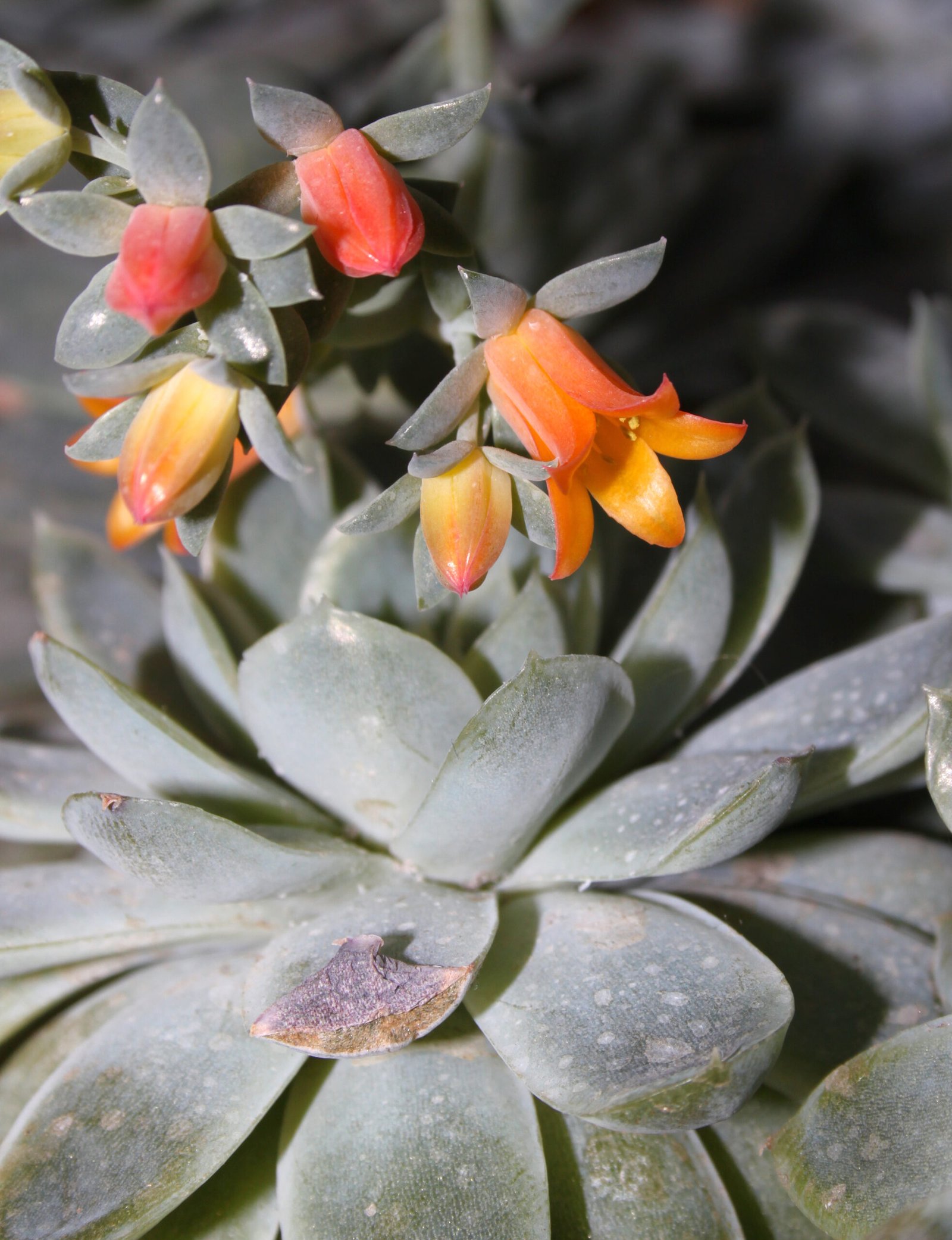
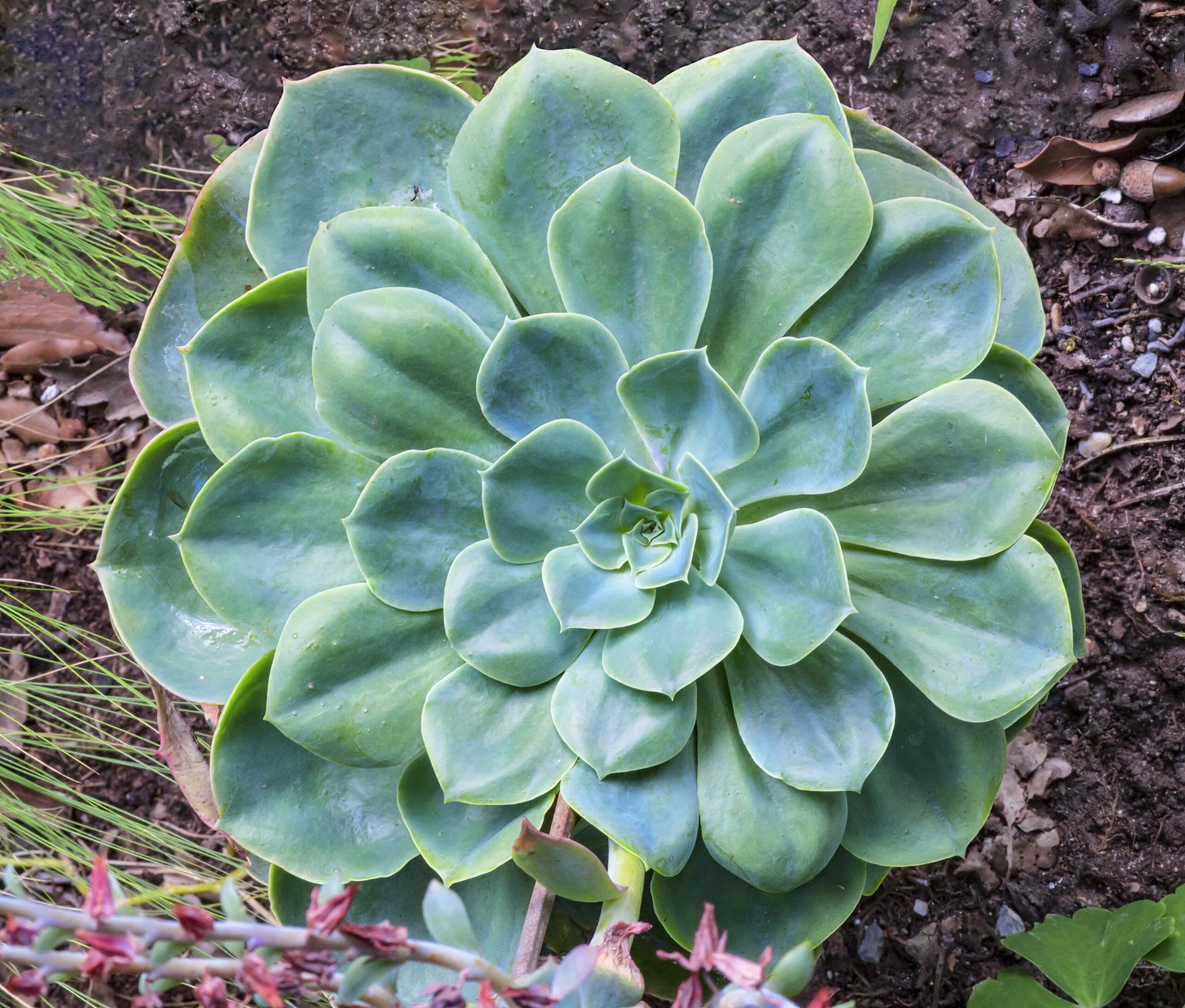
Echeverias are among the easiest succulents to multiply, which is why a single healthy plant can turn into a whole windowsill collection within a year. Unlike many houseplants, they don’t need special rooting hormone or elaborate equipment – just a bit of patience and the right technique for the situation. There are three reliable methods: leaf cuttings, offsets, and beheading. Each suits a different scenario, so it’s worth knowing all three.
Leaf Cuttings: The Classic Method
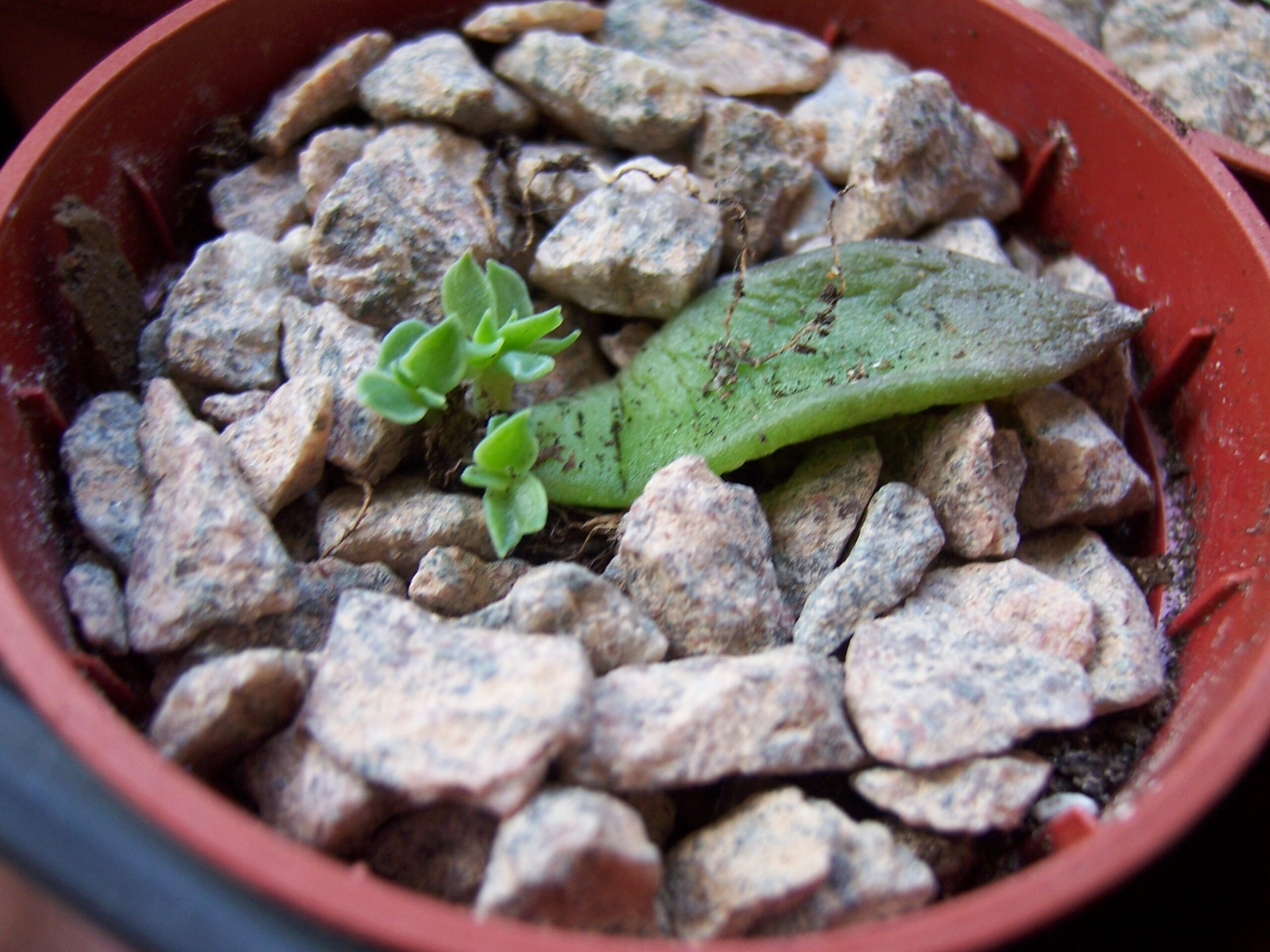
This works best on Echeverias with thick, fleshy leaves that detach cleanly from the stem. Gently twist a healthy lower leaf from side to side until it comes away with the base intact – if it tears, it usually won’t root. Lay the leaf on top of dry, gritty succulent mix in a shallow tray and leave it somewhere bright but out of direct midday sun. Do not bury it and do not water yet. Within one to two weeks a callus forms over the wound, and shortly after, tiny roots and a miniature rosette appear at the base. Only once roots are visible should you begin misting lightly every few days. The original leaf will slowly shrivel as it feeds the new plantlet; leave it attached until it withers away on its own.
Offsets: Multiplying Through Natural Pups
Many Echeveria varieties produce small offsets, or “pups,” around the base of the mother rosette once they mature. These can be separated as soon as they’re roughly a third the size of the parent and have a few leaves of their own. Use a clean, sharp knife to cut the offset away with as much of its own root system as possible, or gently twist it free if it has none yet. Let the cutting sit in a dry, shaded spot for two to three days so the wound calluses over – planting it immediately in moist soil is the most common cause of rot. Once calloused, pot it in a gritty, fast-draining succulent mix and water sparingly until new growth confirms it has rooted.
Beheading: Rescuing a Leggy Rosette
If an Echeveria has stretched toward the light and developed a long, bare stem (a process called etiolation), beheading is the best fix. Using a clean blade, cut through the stem just below the rosette, leaving a short neck of stem attached to the head. Let the cut end callus for three to five days, then set it on top of dry succulent mix; roots will emerge from the callused neck within a couple of weeks. Don’t discard the leftover stem – left in its pot and kept lightly watered, it will usually sprout several new offsets from the nodes where leaves used to be, effectively doubling your plant count from one cutting.
Aftercare Tips for New Plants
- Use a mineral, fast-draining mix (standard succulent or cactus soil, ideally with extra pumice or perlite).
- Keep new cuttings in bright, indirect light until they’re rooted, then move to more direct sun.
- Underwater rather than overwater – unrooted cuttings have no way to take up excess moisture and will rot.
- Expect visible roots within two to three weeks and a fully independent plant within two to three months.
Whichever method you choose, propagating Echeveria is forgiving enough for beginners and rewarding enough that most growers end up trying all three. A single mature rosette can easily produce a dozen new plants a year – more than enough to fill out your own collection or share with friends.