Peace Lily Care – A Guide to Growing Spathiphyllum
The Peace Lily – Elegance and Air Purification in One Plant
The peace lily, botanically known as Spathiphyllum, is one of the most versatile flowering houseplants around. Its elegant white bracts, reminiscent of delicate sails, paired with deep green foliage bring a calming presence to any room. But the peace lily offers more than good looks: it’s one of the most effective air-purifying plants, filtering pollutants such as benzene, formaldehyde, and trichloroethylene from indoor air – a property confirmed by NASA’s well-known Clean Air Study. This guide covers everything you need to know to care for this fascinating tropical plant.
The Ideal Location for Your Peace Lily
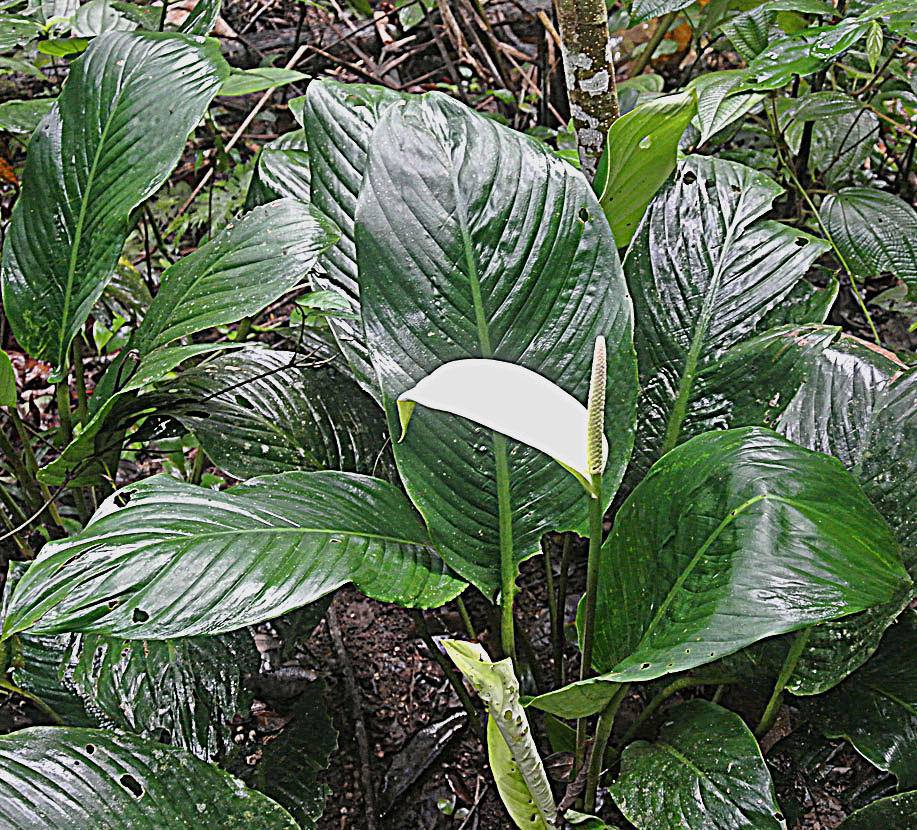
Spathiphyllum is native to the tropical rainforests of South America, where it grows in the shaded understory. Accordingly, it prefers a partly shaded to shaded spot and is one of the few flowering houseplants that does well even at north-facing windows or in darker corners. Direct sunlight quickly causes leaf scorch, visible as brown, dry patches.
The ideal temperature range is 18-25°C. The peace lily doesn’t tolerate temperatures below 15°C well – its leaves will droop in response. Cold drafts and sudden temperature swings should also be avoided, as they can interfere with flowering.
Watering and Humidity
The peace lily is a thirsty plant that prefers consistently moist soil, though it doesn’t tolerate waterlogging. A handy indicator: when the leaves start to droop slightly, it’s time to water. In summer, the plant typically needs water two to three times a week; once a week is usually enough in winter.
Use room-temperature, low-lime water – rainwater or tap water that’s been left to stand is ideal. Humidity matters too: regularly misting the leaves with low-lime water supports healthy growth and helps prevent brown leaf tips, which are often a sign of overly dry air.
Fertilizing for Lush Growth and Abundant Blooms
During the main growing season from March to September, feed your peace lily with a liquid fertilizer roughly every two weeks. A good general houseplant fertilizer provides the right nutrient balance for strong leaves and reliable flowering. In winter, once a month is enough – or you can skip feeding altogether while the plant rests.
A common mistake is over-fertilizing, which shows up as brown leaf edges. Stick to the dosage recommended on the packaging – less is often more. Organic fertilizers have an advantage here, releasing nutrients more slowly and evenly.
Encouraging Your Peace Lily to Bloom
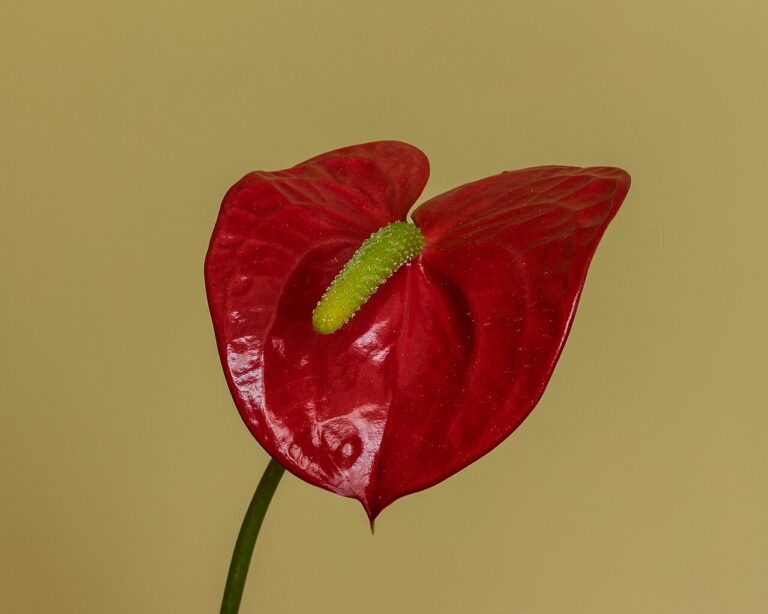
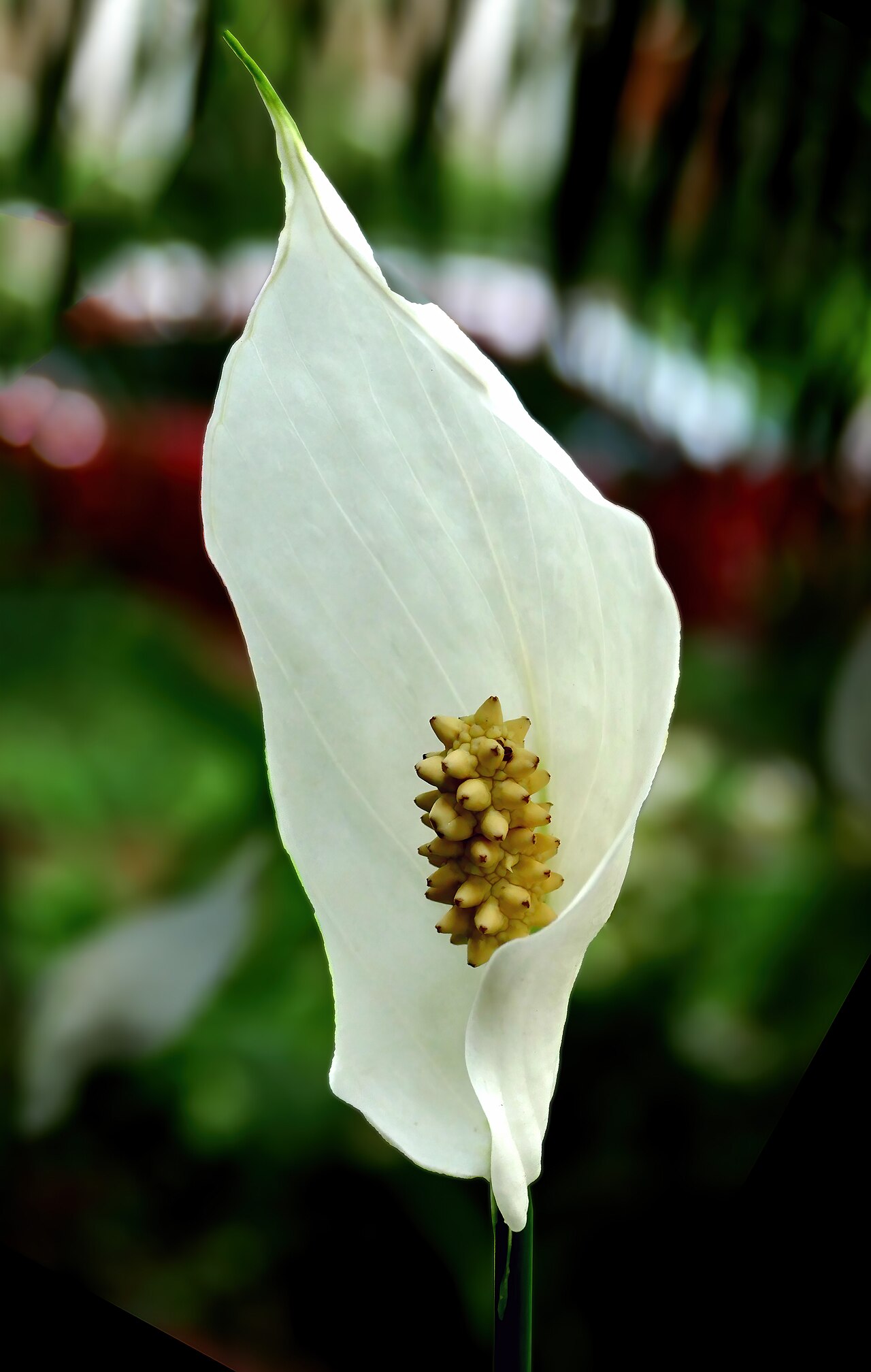
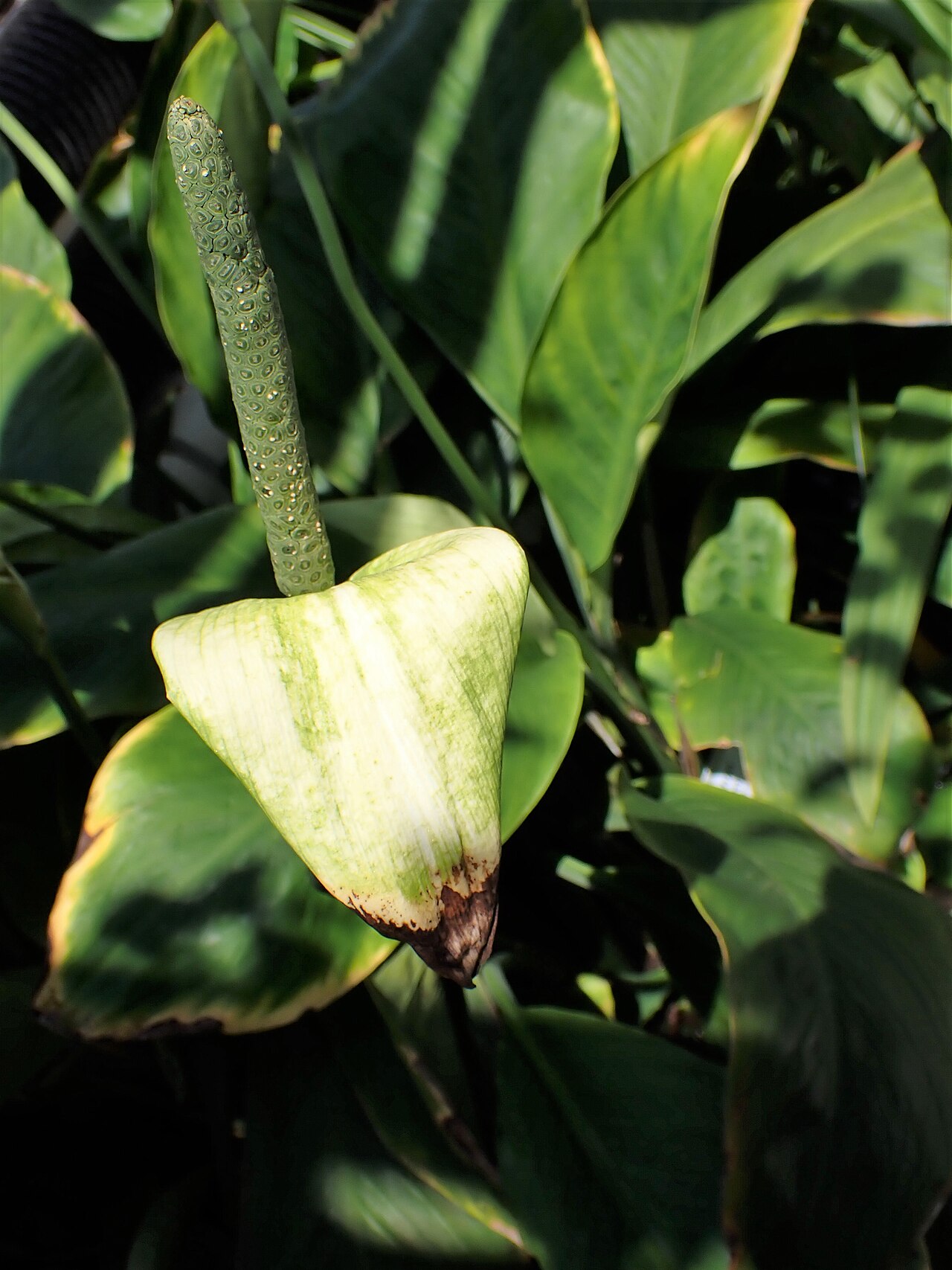
The plant’s signature white bract (spathe) surrounding the spike-shaped flower cluster is actually a modified leaf. The true flowers are the small, inconspicuous bumps on the spike itself. Under good conditions, a peace lily blooms twice a year – in spring and autumn – with each individual bloom lasting several weeks.
If your peace lily won’t bloom, the cause could be too little light (despite its shade tolerance), insufficient feeding, or too large a pot, which encourages the plant to put its energy into root growth instead of flowers. Another trick: move the plant somewhere slightly cooler (about 16-18°C) for a few weeks and water a little less – this mild stress often triggers flowering.
Repotting and Propagation
The peace lily grows fairly quickly and should be repotted roughly every one to two years, ideally in spring. Use good-quality, loose potting soil and a pot only about 2-3 cm larger than the previous one – an oversized pot can inhibit flowering, as mentioned above.
Propagation is simple: when repotting, gently divide the plant at the root ball. Make sure each division has at least three leaves and healthy roots. Plant the divisions in fresh soil and keep them a little warmer and more humid for the first few weeks to help them establish quickly.
Common Problems and Diseases
| Symptom | Possible Cause | Solution |
|---|---|---|
| Brown leaf tips | Air too dry or water too high in lime | Increase humidity; use low-lime water |
| Yellow leaves | Waterlogging or nutrient deficiency | Water less; check drainage; fertilize |
| Green flowers | Natural aging process | Normal – blooms turn green over time |
| Drooping leaves | Underwatering | Water thoroughly; the plant recovers quickly |
| No flowers | Too little light or nutrients | Improve location; fertilize regularly |
Toxicity: A Caution for Pets and Children
Important to know: the peace lily is mildly toxic. All parts of the plant contain calcium oxalate crystals, which can cause mouth and throat irritation, swelling, and digestive upset if ingested. Keep the plant out of reach of curious pets and small children. Contact with the plant’s sap can also irritate skin, so wash your hands after repotting or pruning.
Conclusion: A Perfect Plant for Beginners
The peace lily combines elegance, resilience, and practical benefits in a single plant. It forgives the occasional care mistake and reliably signals when it needs water by drooping its leaves. With the right care, your Spathiphyllum will become a long-lived companion that brings enjoyment for years to come.