Growing Basil: The Complete Guide to Aromatic Basil
Introduction
Photo: BernaBotto (CC BY-SA 4.0, Wikimedia Commons)
Photo: PumpkinSky (CC BY-SA 4.0, Wikimedia Commons)
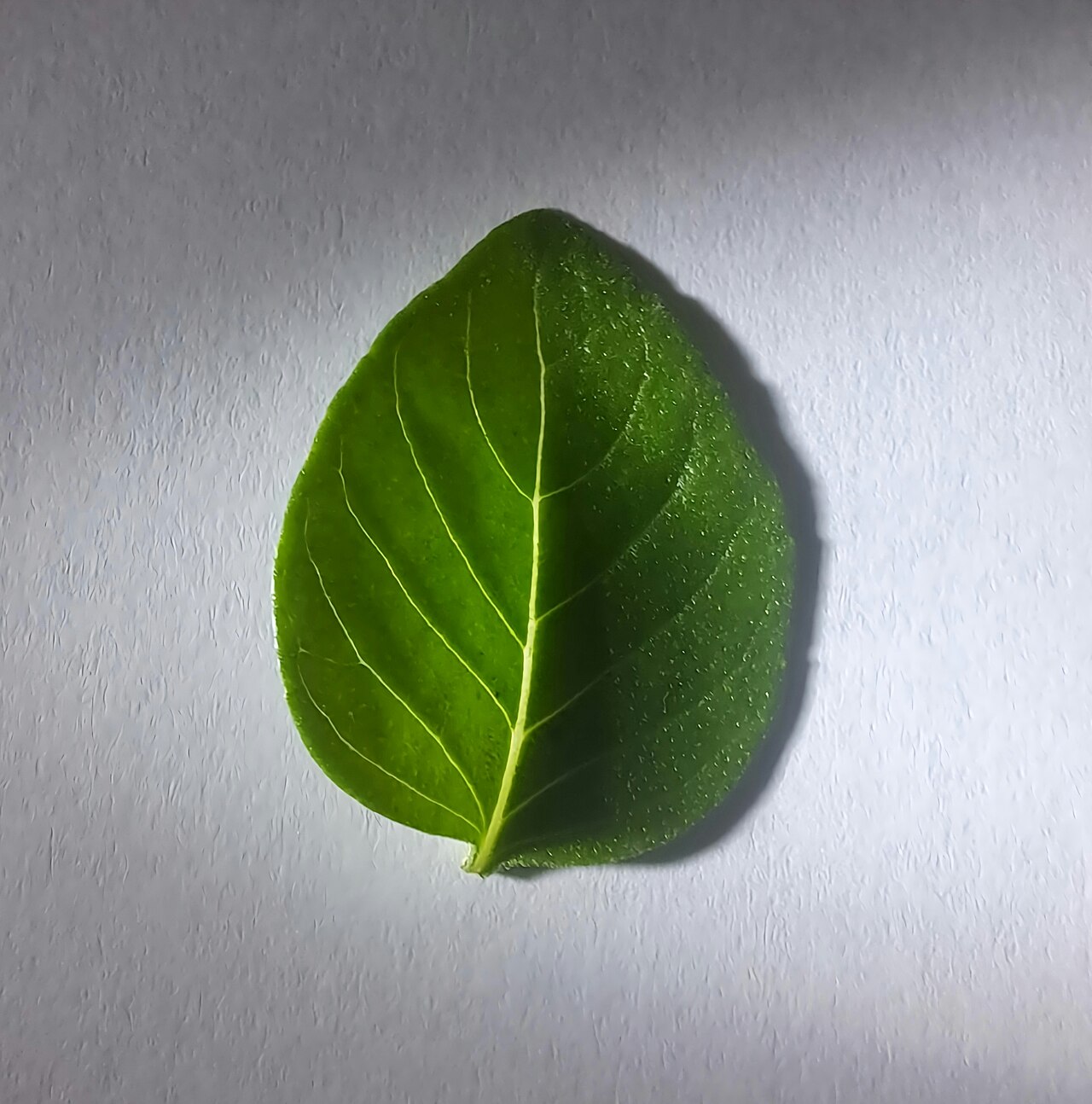
Photo: Andrey Butko (CC BY-SA 3.0, Wikimedia Commons)
Growing Basil: The Complete Guide to Aromatic Basil
Basil (Ocimum basilicum) is one of the most beloved kitchen herbs around. Whether stirred into a fragrant pesto Genovese, layered on a Caprese salad with mozzarella and tomatoes, or scattered fresh over pizza, this aromatic herb with its unmistakable scent belongs in every kitchen. But growing basil has its pitfalls: sometimes the leaves turn yellow, sometimes the plant just collapses, and that potted basil from the supermarket often survives only a few days on the windowsill. In this in-depth guide, you’ll learn how to grow basil successfully — from sowing through care to harvest.
The Best Basil Varieties to Grow
Not all basil is the same. The variety ranges from classic Genovese to Thai basil to more exotic lemon and cinnamon basil types. Here’s an overview of the most important ones:.
Who This Is For
Genovese basil: The classic, with large, aromatic leaves. Perfect for pesto and Mediterranean dishes. Grows up to 60 cm tall.
Thai basil (Bai Horapa): A slightly spicy, anise-like flavor. Essential for authentic Southeast Asian dishes like pad kra pao or Thai curries.
Lemon basil: Fresh citrus notes, ideal for salads, fish dishes, and refreshing summer drinks.
Purple basil: Decorative, dark red leaves with an intense, spicy aroma. A real eye-catcher on any plate.
Greek bush basil: Compact growth and small leaves — ideal for container growing on a balcony.
Sowing: The Right Time and Method
Basil is a heat-loving plant that originates from the tropics of Asia. Sowing works best under the following conditions:
Timing: Start indoors on a windowsill from mid-March; sow outdoors or in a balcony pot from mid-May, after the last frost.
Buying Criteria
Substrate: Use loose, nutrient-rich seed-starting soil. Regular garden soil is too heavy and can cause waterlogging.
Sowing depth: Basil is a light germinator! Scatter the seeds lightly on the soil and cover with only a thin layer — no more than 0.5 cm.
Temperature: Keep the germination temperature steady between 20 and 25°C. A mini greenhouse or a clear cover helps.
Germination time: Under good conditions, the first seedlings appear after 7 to 14 days.
A common mistake is sowing too densely. Basil seeds are tiny, and it’s easy to end up with too many in one pot. After germination, thin the seedlings to about 5 to 10 cm apart so each plant has enough room to grow.
Care: Location, Watering, and Fertilizing.
Product/Option Categories
Proper care is what separates lush growth from a sickly little plant. Basil is more demanding than many people think:
Location: Sunny to partially shaded, but avoid harsh midday sun. Indoors, choose a south-facing window. Outdoors, plant it sheltered from wind and heavy rain. Ideally, it should get 6 to 8 hours of sunlight a day. Basil can’t tolerate temperatures below 10°C — growth stops and the leaves turn black.
Watering: Basil needs consistent moisture but can’t tolerate waterlogging. The root ball should never dry out completely. Water in the morning, applying it directly to the soil rather than over the leaves, which encourages fungal disease. A saucer with expanded clay and water creates a good microclimate.
Fertilizing: Basil is a heavy feeder. Fertilize every two weeks with an organic liquid fertilizer. Outdoors, good compost or horn shavings work well as a slow-release fertilizer. Overfertilizing with nitrogen produces lush but less aromatic growth — so it’s better to fertilize moderately.
Trade-offs
Harvest: Keeping Your Basil Bushy
The most common harvesting mistake is picking individual leaves. The right way is to cut whole shoot tips just above a leaf node. This makes the plant branch out and grow bushier. Harvesting can begin once the plant is about 15 cm tall and has developed at least 5 to 6 pairs of leaves.
Important tip: Don’t harvest basil during or right after flowering. Once flower buds appear, the flavor changes — it turns bitter and less intense. Pinch off flower buds early. If you want to collect seeds, let one plant flower on purpose and harvest the seeds in late summer.
Overwintering: Is It Possible?
Genovese basil is an annual and dies after flowering. Only a few varieties are perennial, such as camphor basil (Ocimum kilimandscharicum) or African tree basil. These can overwinter in a bright, cool spot (10–15°C). Indoors, though, this is tricky, since light levels in winter usually aren’t sufficient. Many gardeners prefer to sow basil fresh every year instead — it’s simpler, and the plants are healthier.
Disclosure
This article may contain affiliate links. If you purchase a product through one of these links, Plantgecko may earn a commission at no extra cost to you. This never influences our editorial independence or which products we recommend.
| Product | Best For | Price | |
|---|---|---|---|
| A mini greenhouse | Top Pick | Check price | View |
| slug collars | Also Consider | Check price | View |
| ice cube trays | Also Consider | Check price | View |
| A food dehydrator | Budget Alternative | Check price | View |
Recommendation Framework
Common Problems and Solutions
ProblemCauseSolution
Yellow leavesNutrient deficiency or waterloggingRepot into fresh soil, water less
Wilted leaves despite moist soilRoot rot from waterloggingLet it dry out, improve drainage
Black spots on leavesCold shock (below 10°C) or fungal infectionMove to a warmer spot, remove affected leaves
White coatingPowdery mildewSpray with a milk-water mix (1:5)
Leaf damage and holesSlugs love basilUse slug collars, raised beds, or beer traps
Preserving Basil: Freezing, Drying & Pesto
The harvest is often so abundant that you can’t use it all fresh. Basil preserves well in several ways:.
Conclusion
Freezing: Wash and dry the leaves, chop them, and freeze them in ice cube trays with a bit of olive oil. This way you always have portioned fresh basil on hand.
Drying: This works, but the flavor suffers noticeably. A food dehydrator at low temperature gives better results than air-drying.
Pesto: Classic pesto Genovese made from basil, pine nuts, Parmesan, garlic, and olive oil keeps in the fridge for several weeks. Packed into sterile jars and covered with oil, it can last even several months.
With these tips, nothing stands between you and a plentiful basil harvest. Homegrown basil from your own garden or balcony tastes worlds better than the packaged version from the supermarket — and turns any meal into something special.