When Should You Repot Houseplants? The Key Signs to Watch For
Introduction
Repotting too often can stress a plant, while waiting too long can stunt its growth or lead to root problems. Knowing the real signs that a plant has outgrown its container takes the guesswork out of the decision.
Roots Visible at the Surface or Drainage Holes
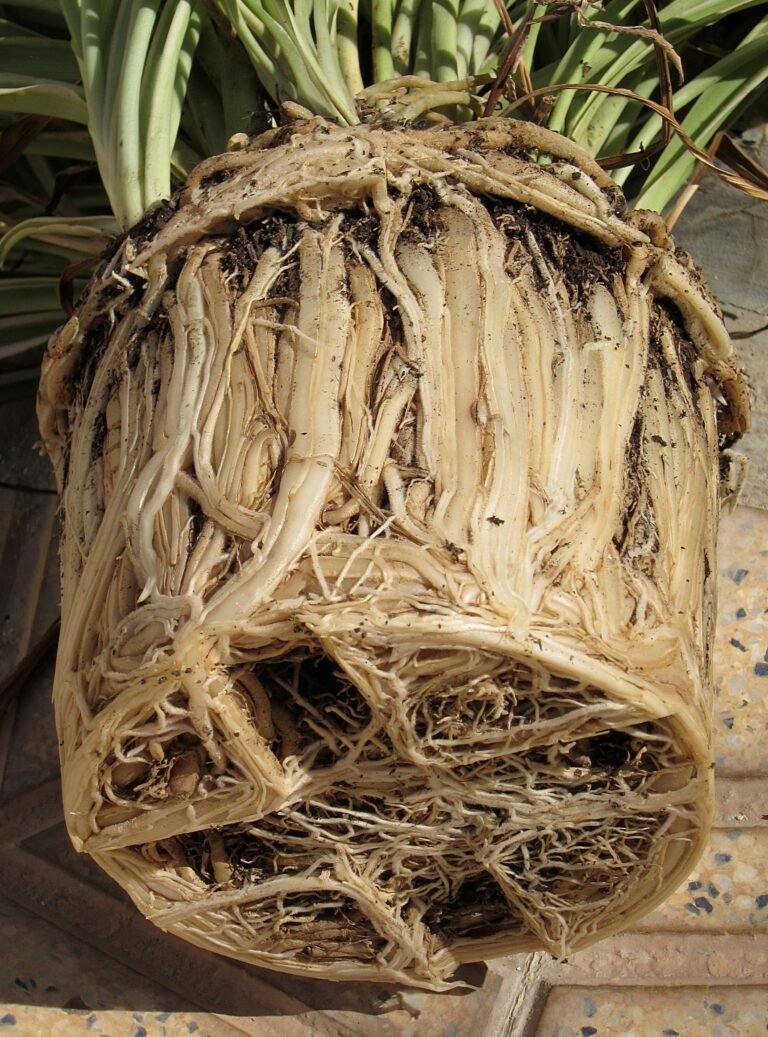
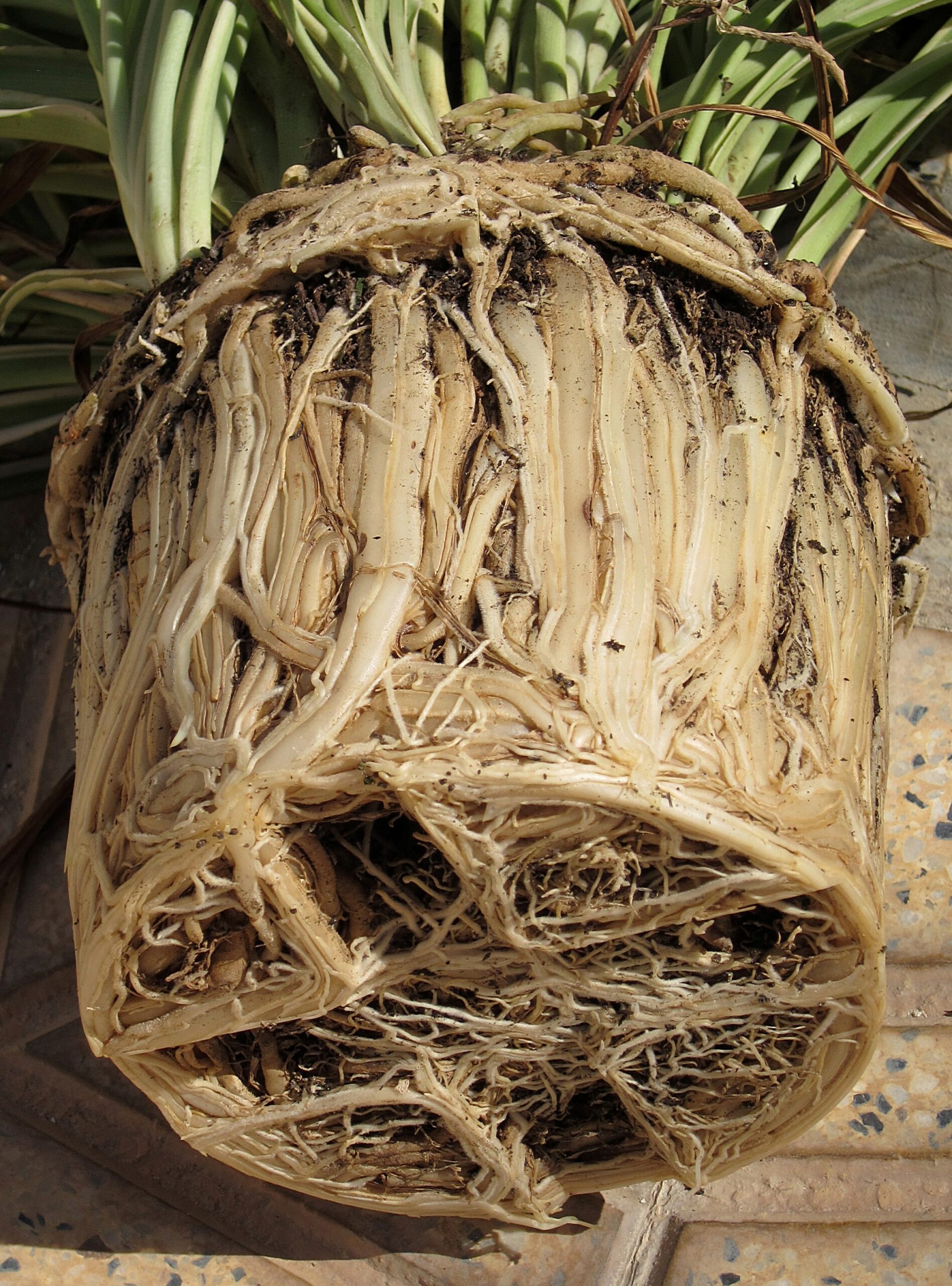
The clearest sign a plant needs a larger home is roots emerging from the drainage holes or circling visibly at the soil surface. When roots run out of room, they begin spiraling around the inside of the pot, forming a dense mass known as being root-bound. Gently sliding the plant out of its pot to check is the most reliable way to confirm this.
Who This Is For
Water Runs Straight Through
If water drains out almost immediately after you pour it, there may be more root mass than soil left in the pot, leaving little material to hold moisture. This is a strong indicator of a root-bound plant that would benefit from fresh soil and more space.
Buying Criteria
Slowed or Stalled Growth
A plant that has stopped producing new leaves during its normal growing season, despite adequate light, water, and feeding, may simply have run out of room for its roots to support further growth. Repotting into fresh soil often restarts active growth within weeks.
Product/Option Categories
Top-Heavy or Unstable Growth
If a plant has grown tall or bushy enough that it tips over easily, its root system may no longer be proportionate to its size, and a larger, heavier pot can provide both room and stability.
Trade-offs
Depleted or Compacted Soil
Potting mix breaks down over time, becoming compacted, losing its ability to hold air and drain properly, and depleting its nutrient content. Even without root-bound symptoms, most houseplants benefit from a soil refresh every one to two years.
Disclosure
This article may contain affiliate links. If you purchase a product through one of these links, Plantgecko may earn a commission at no extra cost to you. This never influences our editorial independence or which products we recommend.
| Product | Best For | Price | |
|---|---|---|---|
| Potting mix | Top Pick | Check price | View |
Recommendation Framework
Check plants at the start of their growing season, typically spring, when they can recover from the disturbance quickest.
Avoid repotting a plant that is actively stressed, flowering, or recently purchased and still acclimating; give it a few weeks to settle first.
Conclusion
When in doubt, size up only one pot diameter at a time rather than jumping to a much larger container, which can hold excess moisture and encourage root rot.
Checking a plant’s roots once or twice a year, especially for fast growers, is the simplest way to catch the right repotting window before problems develop.