How to Water Houseplants Correctly — Avoid These Mistakes
More houseplants die from incorrect watering than from any other single cause — usually overwatering, not underwatering. The good news is that correct technique is simple once you understand what roots actually need: oxygen as much as water. Here’s how to water properly and the mistakes that quietly kill plants over weeks or months.
Check the Soil Before You Water
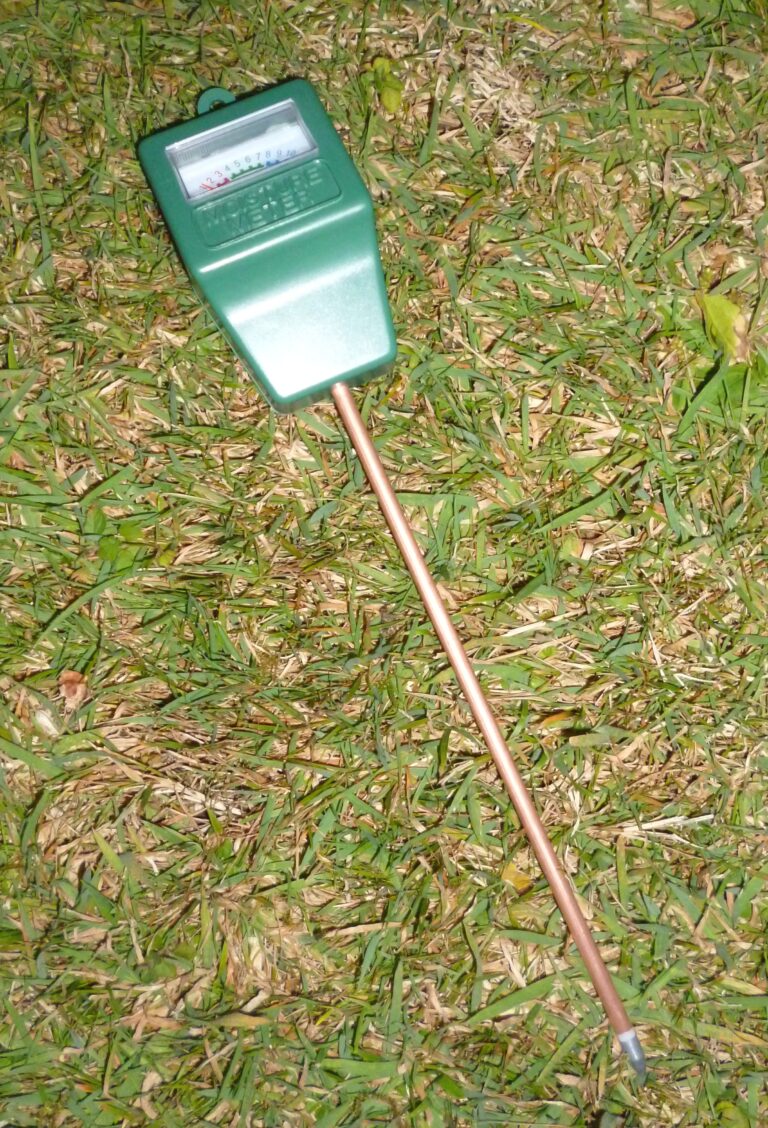
Skip the fixed schedule. Instead, push a finger about two inches into the soil (or use a wooden skewer) and only water when it comes out dry. Needs vary enormously by plant, pot size, light, humidity, and season, so “every Sunday” watering is a guess that eventually goes wrong in one direction or the other.
Water Thoroughly, Then Let It Drain
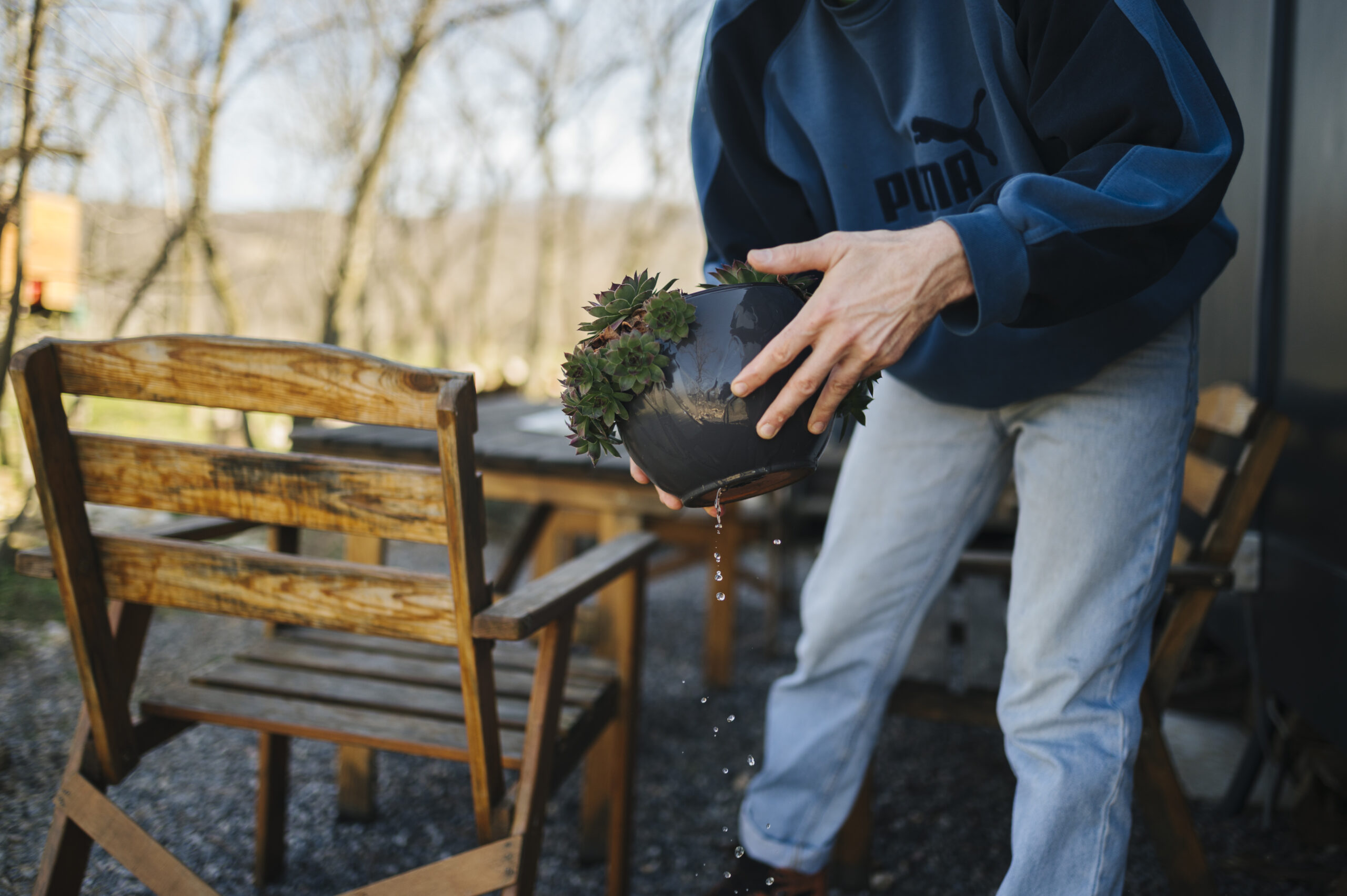
When you do water, water generously until it runs freely out of the drainage holes. This flushes out built-up mineral salts from fertilizer and ensures moisture reaches the entire root ball, not just the top layer. A shallow splash on the surface only wets the top inch of soil, encouraging roots to stay shallow and weak instead of growing down toward available moisture.
Always Empty the Saucer
Never let a pot sit in standing water. Roots left submerged are starved of oxygen and begin to rot within days, which is one of the most common ways well-meaning owners kill their plants. Empty saucers and cachepots fifteen to twenty minutes after watering.
Common Watering Mistakes
- Watering on a fixed calendar regardless of actual soil moisture — the single biggest cause of both over- and under-watering.
- Frequent shallow watering that never reaches the lower roots, leaving the plant chronically thirsty even though the surface looks damp.
- Letting pots sit in water-filled saucers, which suffocates roots and leads to root rot.
- Wetting the leaves of fuzzy-leaved plants like African violets, which can cause unsightly spotting or fungal issues; water these at the base or use bottom watering instead.
- Using pots without drainage holes — excess water has nowhere to go and collects around the roots.
- Ignoring seasonal changes — most houseplants need significantly less water in winter when growth slows and light levels drop, and more during their active growing season in spring and summer.
Adjust for the Season and the Plant
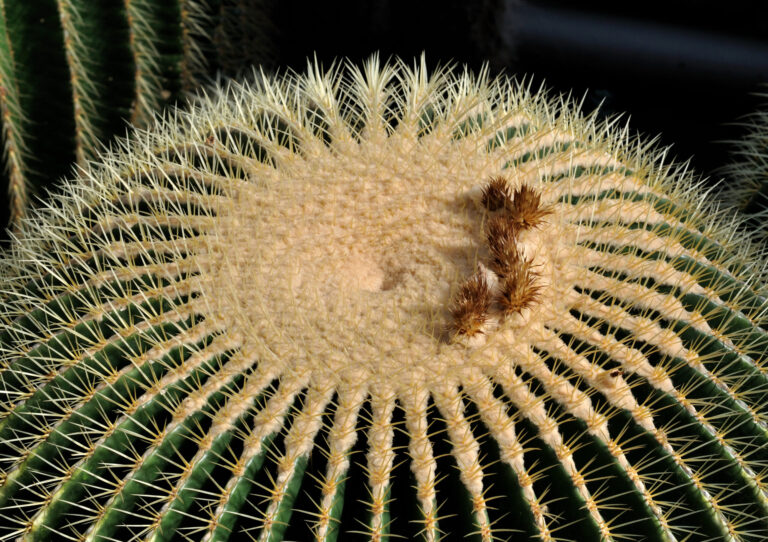
A plant in a bright, warm room in summer will dry out much faster than the same plant in a cool, dim spot in winter. Succulents and cacti want to dry out almost completely between waterings, while ferns and peace lilies prefer consistently moist (not soggy) soil. Learning each plant’s preference, rather than applying one rule to everything, is the real key to healthy watering.
If you’re unsure whether a struggling plant is over- or under-watered, check the soil first: soggy, smelly soil with yellowing leaves points to overwatering and possible root rot, while bone-dry soil with crispy, curling leaves points to underwatering. Getting the diagnosis right before you act is what actually saves the plant.