Phalaenopsis Orchid: Care, Location, and Bloom Time
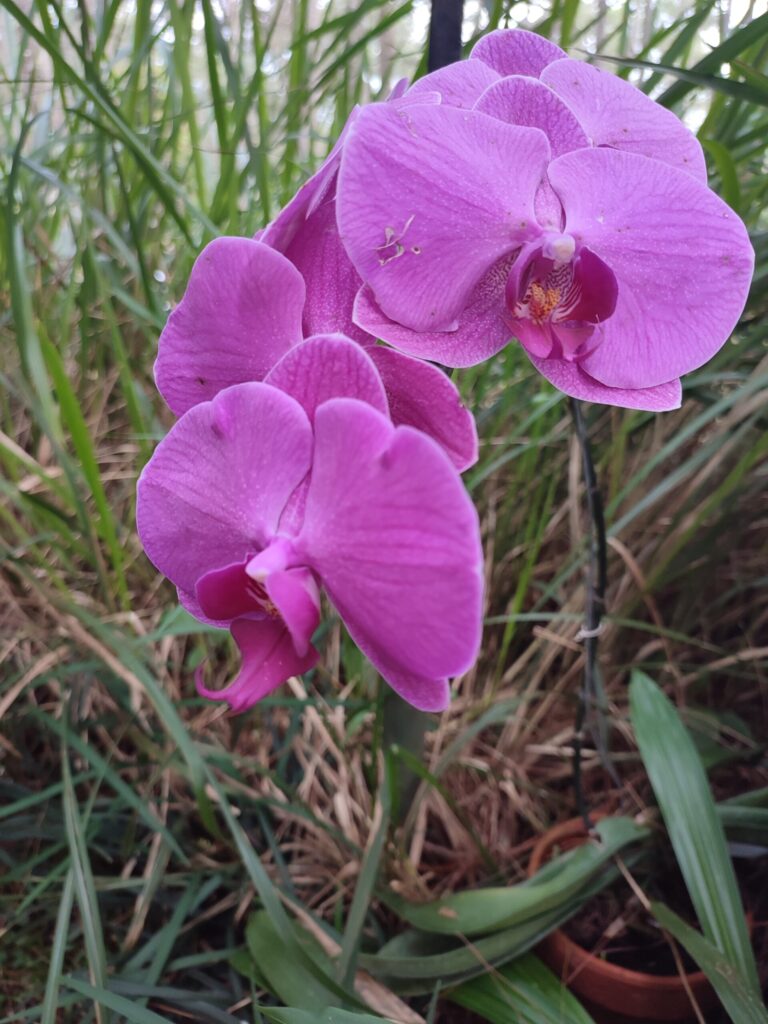
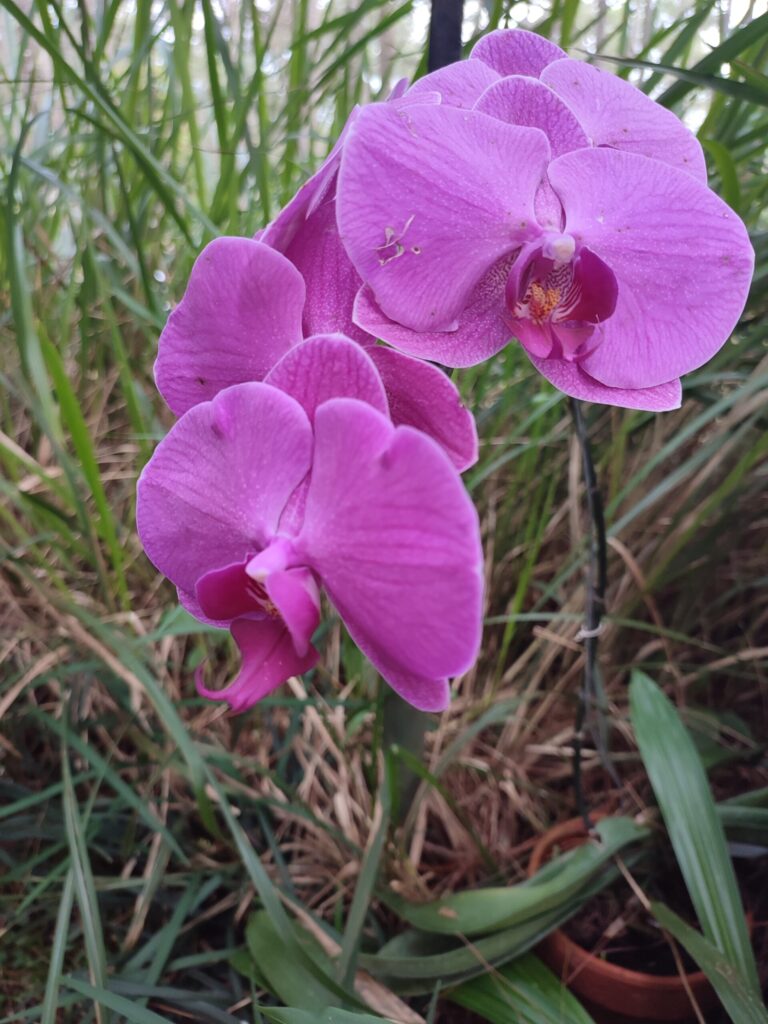
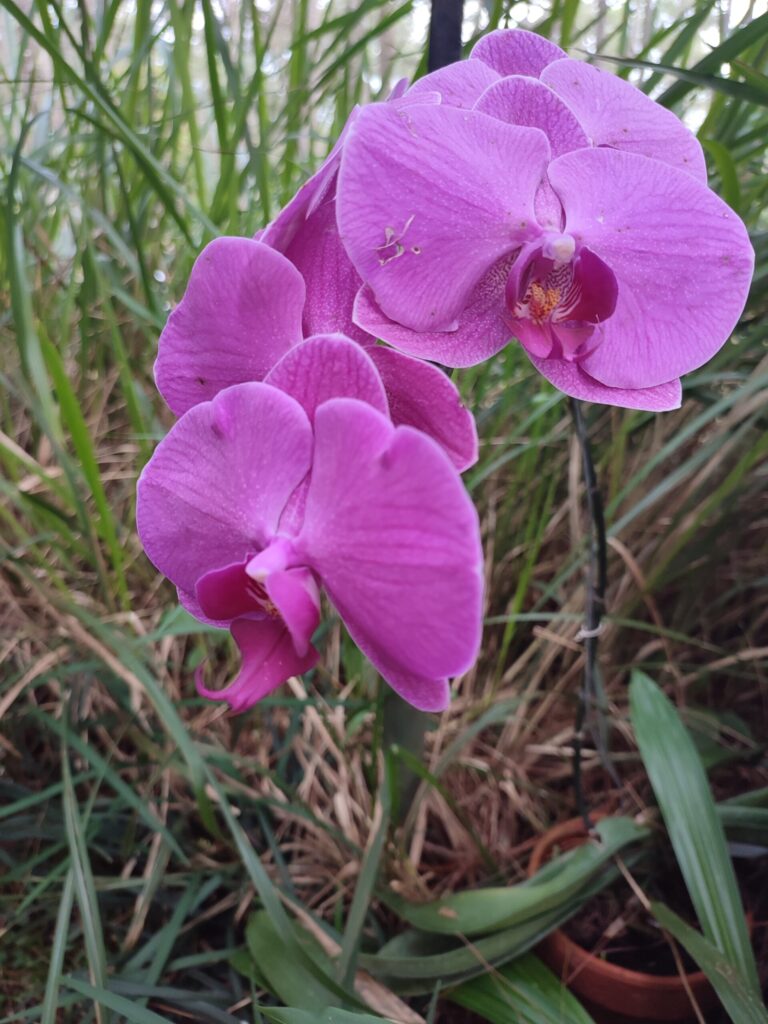
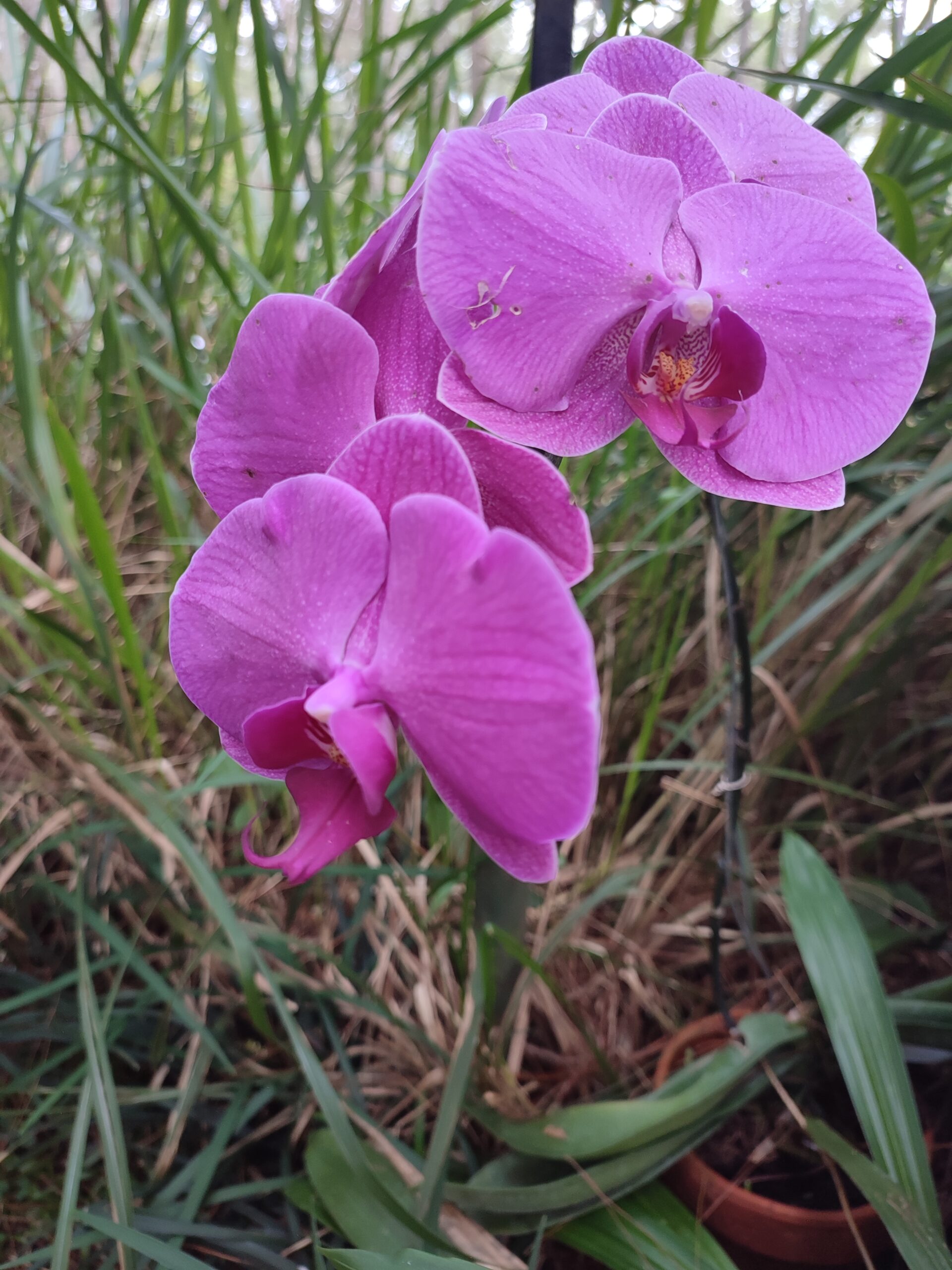
The moth orchid, or Phalaenopsis, is the most popular orchid grown as a houseplant, and for good reason: with the right care it rewards growers with elegant, long-lasting blooms that can last two to four months at a stretch. Understanding its native habitat as a tropical epiphyte – a plant that grows on tree branches rather than in soil – is the key to getting its care right indoors.
Light Requirements
Phalaenopsis orchids need bright, indirect light. An east-facing windowsill is ideal, giving gentle morning sun without the harsh intensity of a south- or west-facing window, which can scorch the leaves. If the leaves are dark green, the plant likely needs more light; if they are reddish or yellowish, it may be getting too much. Insufficient light is the most common reason a healthy-looking Phalaenopsis fails to rebloom.
Watering
Because these orchids grow in bark or moss rather than soil, their watering needs differ from typical houseplants. Water thoroughly about once a week, letting the potting medium approach dryness between waterings, then soak it until water runs freely from the drainage holes. Never let the pot sit in standing water. The ice-cube method is popular for its convenience, but a room-temperature soak-and-drain approach more closely mimics how the plant experiences rainfall in nature.
Humidity and Temperature
Phalaenopsis orchids thrive in 50 to 70 percent humidity, considerably higher than most homes provide in winter. A pebble tray filled with water beneath the pot, regular misting, or a small humidifier nearby can help. Daytime temperatures of 18 to 27°C (65 to 80°F) suit them well, and importantly, a nighttime temperature drop of 5 to 8°C (10 to 15°F) in autumn is often the trigger that initiates a new flower spike.
Potting Medium and Repotting
Never pot a Phalaenopsis in regular potting soil, which retains too much moisture and suffocates the roots. Use a chunky orchid mix of fir bark, sphagnum moss, and perlite in a pot with ample drainage, ideally a clear plastic orchid pot that lets you monitor root health and allows light to reach the roots, which also photosynthesize. Repot every one to two years, or when the bark has broken down and become dense and soil-like.
Feeding
Feed with a fertilizer formulated for orchids at quarter to half strength every other watering during active growth, tapering off during winter dormancy. Because orchid roots are sensitive to salt buildup, flush the potting medium with plain water every month or so to prevent fertilizer residue from accumulating.
Encouraging Reblooming
Once flowers fade, you have a choice: cut the spike at the base to redirect energy into the plant, or cut it just above a node below the spent blooms, which sometimes produces a secondary flush of flowers. Patience and consistent light and temperature cues matter more than fertilizer for triggering the next bloom cycle.
Common Problems
Yellowing leaves at the base are normal as older leaves are shed, but overall yellowing usually points to too much light or water. Root rot, caused by consistently soggy medium, is the most serious issue and is best prevented by allowing the medium to dry appropriately between waterings and never leaving the roots sitting in water.
Seasonal Care Through the Year
Phalaenopsis growth follows a fairly predictable annual rhythm. Spring and summer bring active root and leaf growth, the best time for repotting if needed and for regular feeding every second watering. As autumn arrives and nights cool naturally, many growers deliberately let the plant experience this temperature dip, which is often the single most reliable trigger for a new flower spike, more so than any fertilizer change. Once a spike appears, feeding can taper off since the plant’s energy shifts toward flower development rather than vegetative growth. Winter, while the plant is in bloom or resting, calls for reduced watering frequency since evaporation slows in cooler, less humid conditions, and the plant’s overall metabolism slows too. Keeping orchids away from cold windowsills and heating vents through winter prevents the temperature swings that can trigger bud or leaf drop.
Frequently Asked Questions
How long do Phalaenopsis orchid blooms last?
A healthy Phalaenopsis in good light can hold its flowers for two to four months per bloom cycle, among the longest-lasting flowers of any common houseplant.
Is it normal for orchid roots to grow outside the pot?
Yes, this is completely normal. As epiphytes, Phalaenopsis roots naturally grow along bark and even in open air, absorbing moisture and nutrients from humidity; there’s no need to force aerial roots back into the pot.
How many times can a Phalaenopsis rebloom?
With good light, consistent care, and a seasonal temperature drop to trigger spiking, a healthy Phalaenopsis can rebloom yearly for many years, sometimes a decade or more.
Why did my orchid’s leaves turn yellow and drop?
A single lower leaf yellowing and dropping occasionally is a normal part of the plant’s natural leaf renewal. Multiple leaves yellowing at once usually points to overwatering, too much direct light, or a nutrient imbalance.