Propagation by Division: The Easiest Method for Bushy Plants and Grasses
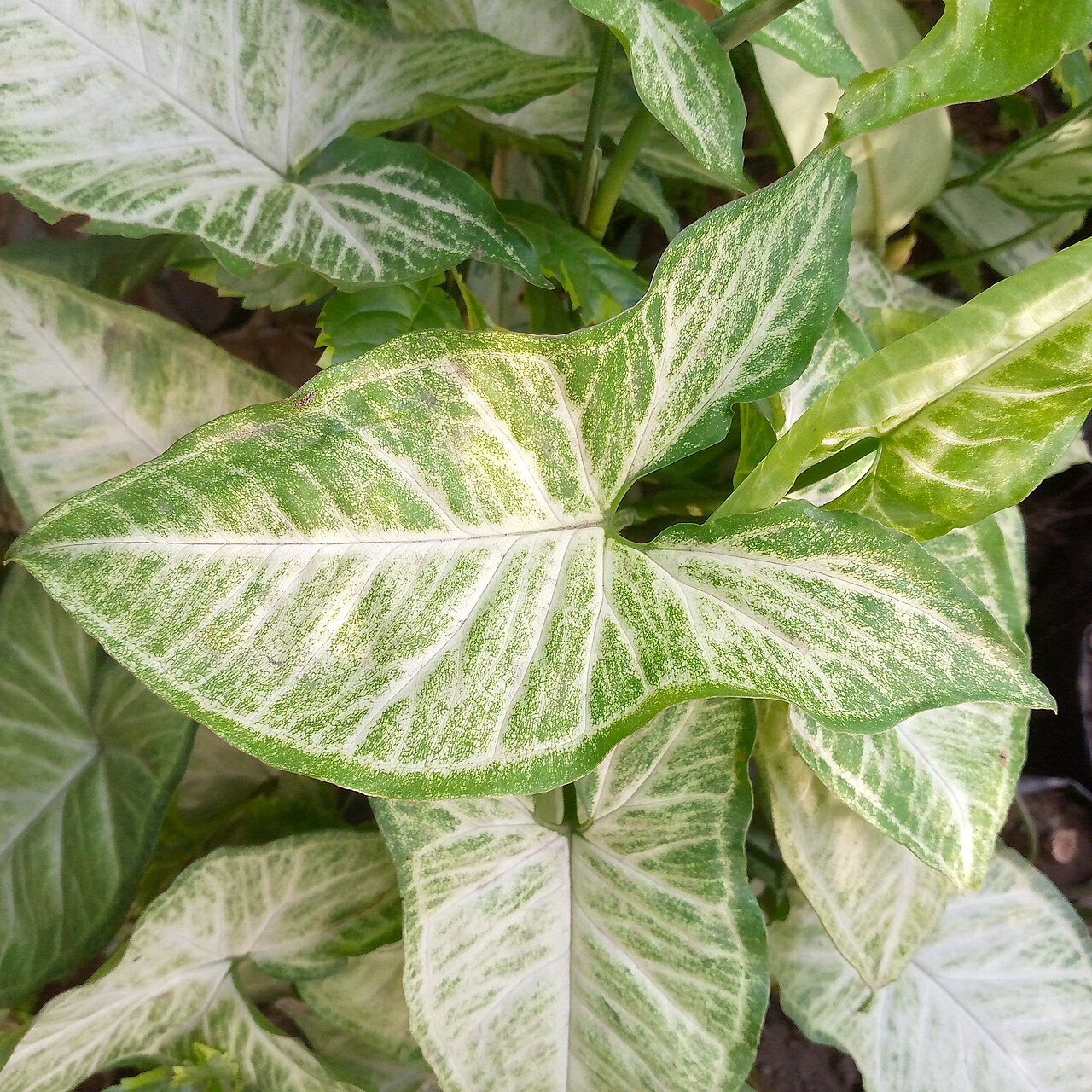
Division is the simplest form of propagation there is: rather than coaxing a cutting to grow new roots, you’re separating a plant that has already made multiple, independent root-and-shoot units and giving each one its own pot. For clumping and grass-like plants, it’s faster and more reliable than any cutting method.
Which Plants Divide Well
Division works on plants that naturally grow as a cluster of offsets, rosettes, or stems sharing (or loosely connected by) a root system, rather than plants with a single central stem. Good candidates include:
- Snake plant — separates into sections along its rhizome, each with its own leaves and roots.
- Ferns (Boston fern, staghorn, etc.) — many grow as multiple crowns that pull apart at the root ball.
- Spider plant — the main clump can be split, and the plantlets it sends out on runners already have small roots ready to pot up.
- Peace lily — grows as multiple stems from a shared base and divides cleanly into smaller clumps.
- Calathea, ferns, and other clumping tropicals — generally divide well as long as each section retains healthy roots.
When and How to Divide
The best time to divide is during a regular repotting, when the plant is already out of its pot and the root system is exposed. Spring, at the start of the active growing season, is ideal since the plant recovers and re-establishes fastest when it has months of good growing conditions ahead.
Remove the plant from its pot and gently shake or rinse off excess soil so you can see the natural divisions in the root mass. Look for places where the plant separates into distinct crowns or clusters of stems, each with its own roots attached. Gently tease these apart by hand where possible; if the roots are dense and tangled, use a clean, sharp knife to cut through the root mass, aiming to keep as many roots as possible intact on each side.
The single most important rule: every division needs its own roots. A stem or rosette pulled away without any root attached is a cutting, not a division, and won’t survive being potted up the same way. If a section looks root-light, it may be better to leave it attached to the main clump for another season rather than force a division that’s likely to fail.
Aftercare
Pot each division into a container just large enough to hold its roots comfortably — going straight to a big pot invites the same waterlogging problems as with any other houseplant. Use fresh potting mix, water thoroughly to settle the soil around the roots, and keep newly divided plants out of direct sun and away from drafts for the first couple of weeks while they recover from the root disturbance. Some temporary wilting or a few yellow leaves is normal; steady new growth within three to four weeks is the sign that the division has successfully re-established.
This article may contain affiliate links. If you purchase a product through one of these links, Plantgecko may earn a commission at no extra cost to you. This never influences our editorial independence or which products we recommend.