Fertilizer Sticks, Liquid, or Slow-Release: Which Fertilizer Form Is Right for You?
Fertilizer is essential for houseplants grown in finite pots of soil, but the form you choose changes how precisely you can control feeding, how much daily effort it takes, and how easy it is to accidentally overdo it. Here’s how the three main types compare.
Liquid Fertilizer
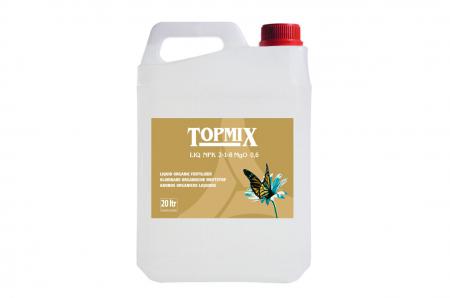
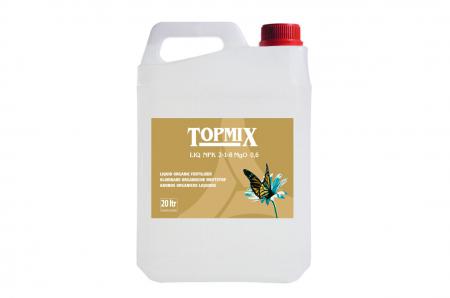
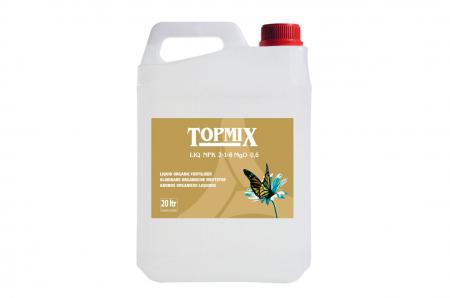
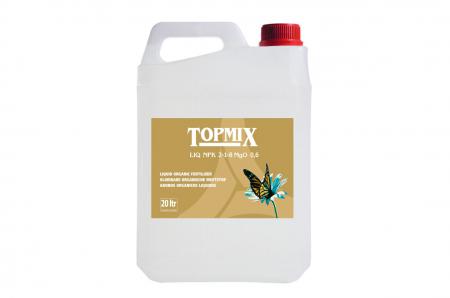
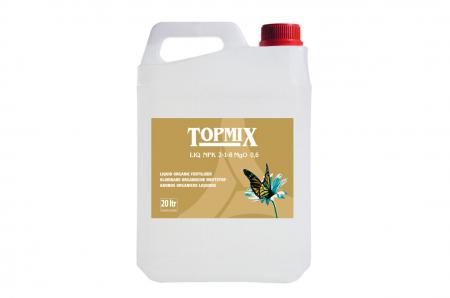
Liquid concentrates, diluted in water and applied during regular watering, give you the most control of any format. You decide the exact strength and frequency, which makes it easy to feed lightly for sensitive plants or ramp up during active spring and summer growth. The tradeoff is that it requires the most ongoing effort — you have to remember to mix and apply it every one to four weeks — and it’s also the format most likely to cause fertilizer burn if you measure incorrectly or apply it to dry soil, since concentrated salts can scorch roots. Always water plain water first if the soil is bone dry, then apply diluted liquid fertilizer afterward.
Fertilizer Sticks and Spikes
Sticks and spikes are pushed into the soil and dissolve gradually with each watering. They’re the most convenient option and require almost no ongoing thought, which makes them appealing for people with many plants or a tendency to forget feeding schedules. Their major drawback is uneven distribution: nutrients concentrate in the soil immediately around the stick rather than spreading evenly through the root zone, which can lead to some roots getting a strong concentrated dose while others get almost nothing. They also offer little control over release rate, since it depends on watering frequency rather than a predictable schedule.
Slow-Release Granules
Slow-release granules are coated pellets mixed into the top layer of soil that release nutrients gradually over two to six months, triggered by moisture and temperature. They strike a middle ground: distribution is more even than a single stick, and the gradual release makes burn far less likely than a liquid feed applied incorrectly. The downside is less flexibility — once granules are in the soil, you can’t easily adjust the dose partway through the season, and release rates vary with heat and watering frequency, so feeding isn’t perfectly predictable.
Which Should You Choose?
- Choose liquid fertilizer if you want precise control and don’t mind a monthly routine — ideal for a smaller collection or particularly fussy plants.
- Choose slow-release granules for a low-maintenance option that still feeds fairly evenly, good for most common houseplants.
- Choose sticks or spikes only for very forgiving, fast-growing plants where uneven feeding isn’t a major concern, and avoid them for slow-growing or sensitive species.
- Regardless of format, always follow label dilution and dosing instructions — more fertilizer is not better, and over-fertilizing causes far more houseplant problems than under-fertilizing.
- Reduce or stop feeding in fall and winter when most houseplants slow their growth and can’t use the extra nutrients.
This article may contain affiliate links. If you purchase a product through one of these links, Plantgecko may earn a commission at no extra cost to you. This never influences our editorial independence or which products we recommend.