Watering Indicators and Moisture Meters: Helpful Tools or Unnecessary Gadgets?
Overwatering is the single most common way houseplants die, which is why so many gadgets promise to take the guesswork out of watering. But do moisture meters actually work, and are they better than simply using your finger? Here’s an honest look at each method.
The Finger Test
Pushing a finger 1–2 inches into the soil remains the most reliable free method for most houseplants. If the soil feels dry at that depth, it’s usually time to water; if it feels cool and moist, wait. The finger test has real limits, though: it only tells you about the top couple of inches, which can be misleading in tall pots where the root ball and lower soil stay wet long after the surface dries out. It also doesn’t work well for plants in opaque, deep containers where you can’t easily reach the root zone.
Moisture Meters: What They Actually Measure
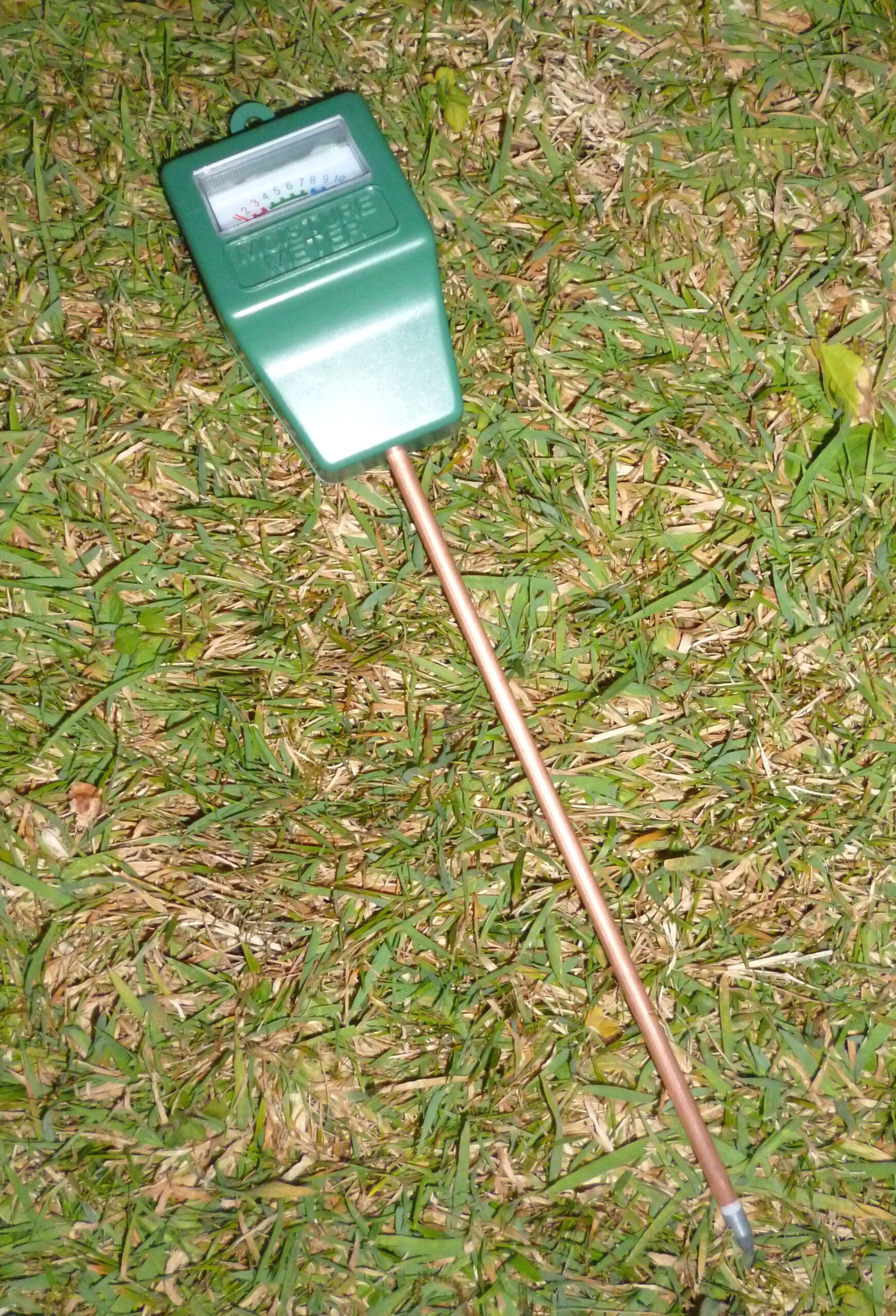
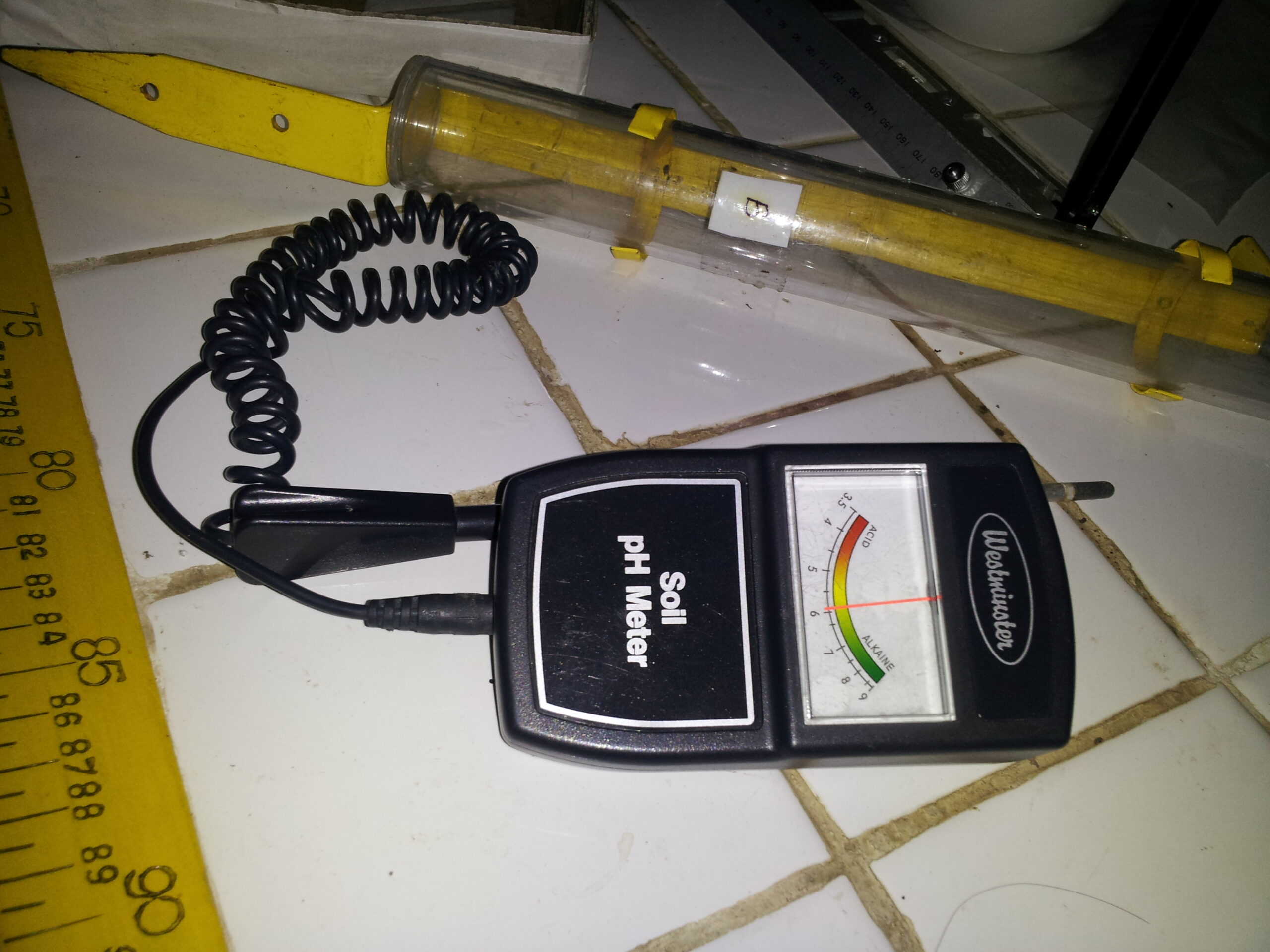
Most inexpensive moisture meters don’t measure water content directly — they measure electrical conductivity between two metal probes, which is heavily influenced by dissolved salts and minerals in the soil, not just water. This means a meter can give a falsely “wet” reading in soil with heavy fertilizer salt buildup, or a falsely “dry” reading in fresh, mineral-poor potting mix. They also tend to be inconsistent between brands and degrade in accuracy as the probes corrode over time. That said, a moisture meter with a long probe genuinely does have one advantage the finger test lacks: it can reach 6–8 inches down into a large pot, giving you information about moisture near the roots that your finger simply can’t reach.
The Pot-Weight Method
Lifting the pot is an underrated technique that experienced growers rely on constantly. A pot with thoroughly moist soil is noticeably heavier than the same pot when the soil has dried out. Once you learn the “dry weight” and “wet weight” of a particular plant’s pot, you can judge moisture almost instantly without touching the soil at all — and it accounts for the entire root zone, not just the surface. The tradeoff is that it takes some practice, and it’s harder to use with very large or very small pots where the weight difference is less obvious.
Which Should You Use?
- For small to medium pots, the finger test is fast, free, and accurate enough for almost any houseplant.
- For large floor plants or deep containers, combine the finger test near the surface with occasional pot-lifting to judge overall moisture.
- A moisture meter can be a useful supplementary tool for reaching deep into large pots, but treat its readings as a rough guide rather than a precise number, and don’t rely on it alone if your soil has built up fertilizer salts.
- Whatever method you use, watch the plant itself: drooping, slow growth, or yellowing lower leaves tell you more over time than any single tool.
None of these tools replace understanding your specific plant’s needs. A succulent and a fern have completely different tolerances for dry soil, so the best approach is learning to read your plant’s individual signals and using whichever method — finger, meter, or weight — helps you do that most consistently.
This article may contain affiliate links. If you purchase a product through one of these links, Plantgecko may earn a commission at no extra cost to you. This never influences our editorial independence or which products we recommend.