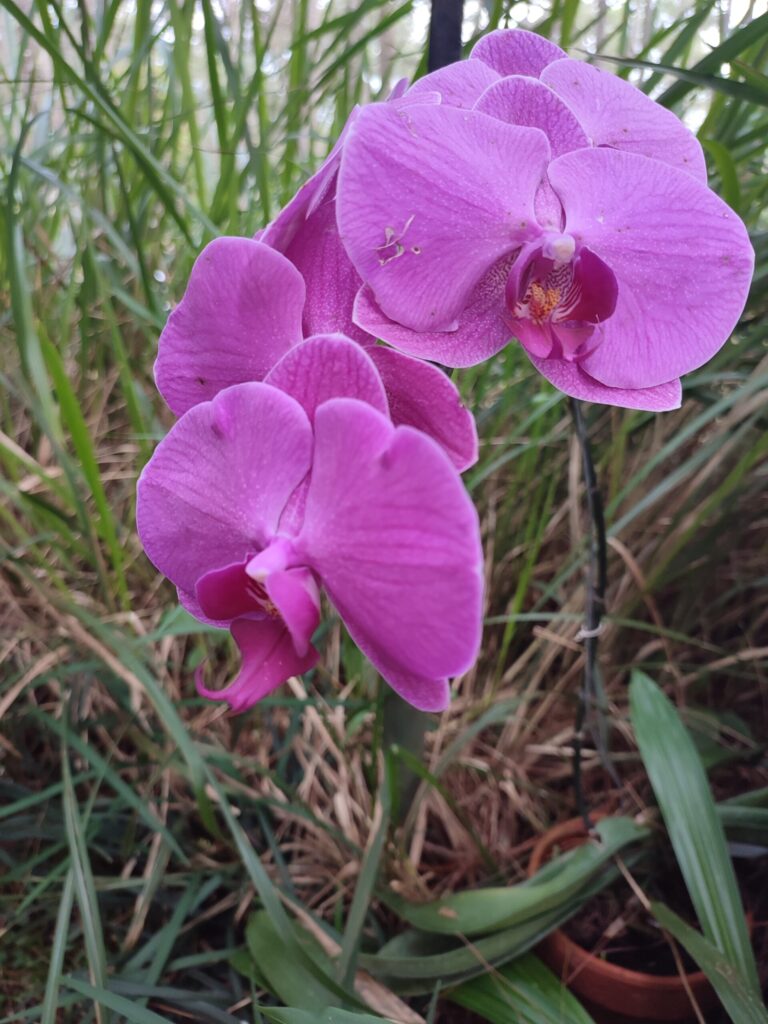
Water Quality for Plants: Tap Water, Rainwater, or Distilled Water?
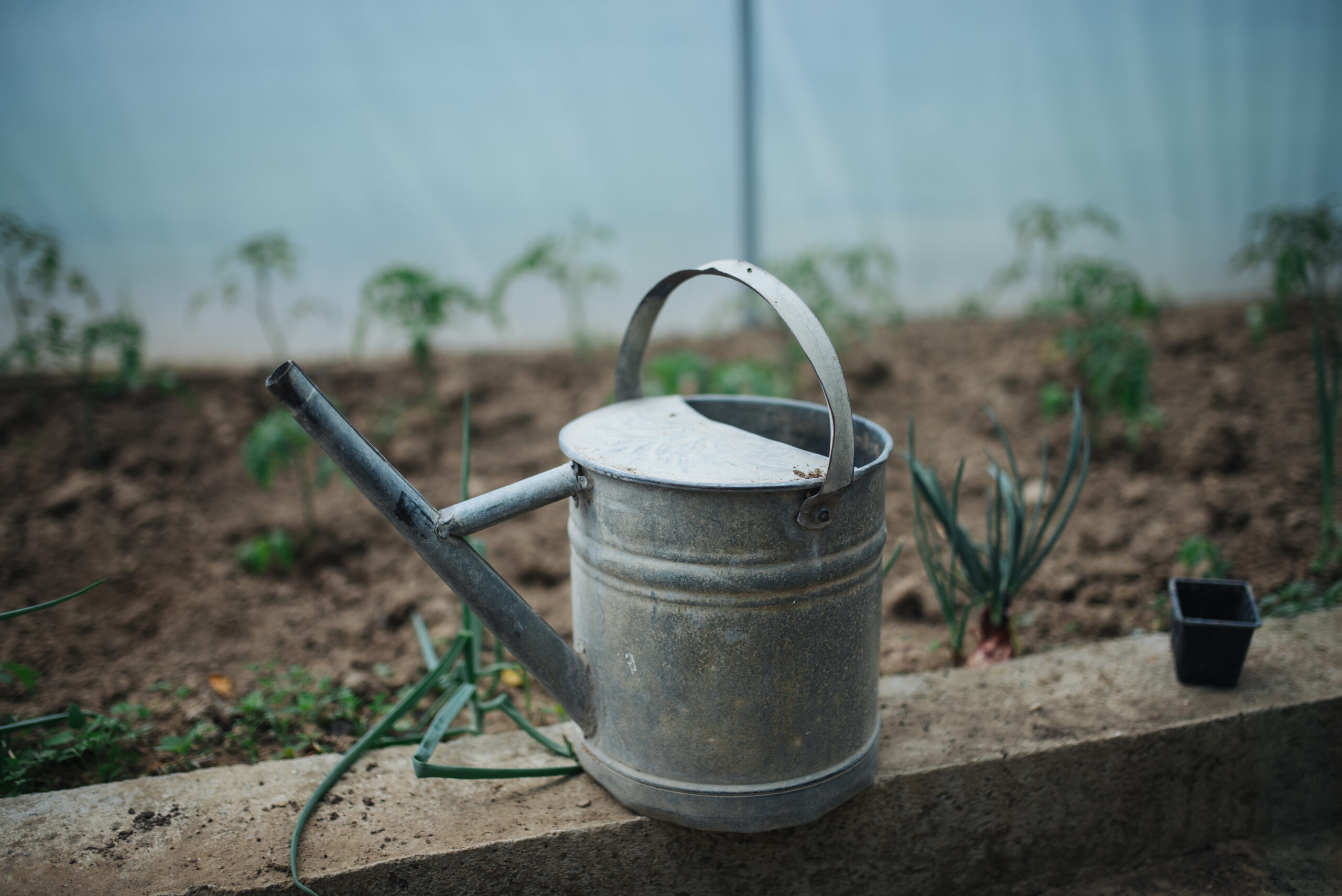

Not all water is created equal when it comes to keeping houseplants healthy. The water you pour from the tap can carry chlorine, chloramine, fluoride, and dissolved minerals that build up in soil over months, while rainwater and distilled water each solve some problems and create others. Here’s how to choose the right source for your plants.
Tap Water: Convenient but Not Always Ideal
Municipal tap water is treated with chlorine or chloramine to make it safe to drink, and both chemicals are generally harmless to plants in small amounts. Chlorine dissipates if you let water sit uncovered for 24 hours, but chloramine is more stable and doesn’t evaporate the same way. Fluoride is the bigger concern: it accumulates in soil over time and is toxic to fluoride-sensitive species such as spider plants, dracaenas, calatheas, and prayer plants, causing brown, crispy leaf tips even when watering is otherwise correct.
Hard tap water is a separate issue. High levels of calcium and magnesium carbonate leave a white, crusty mineral buildup on soil surfaces and pot rims, and over years this raises soil pH and can lock out iron and manganese, leading to interveinal yellowing. If your tap water is hard, flushing the pot thoroughly every few months helps prevent salt accumulation.
Rainwater: Usually the Best Free Option
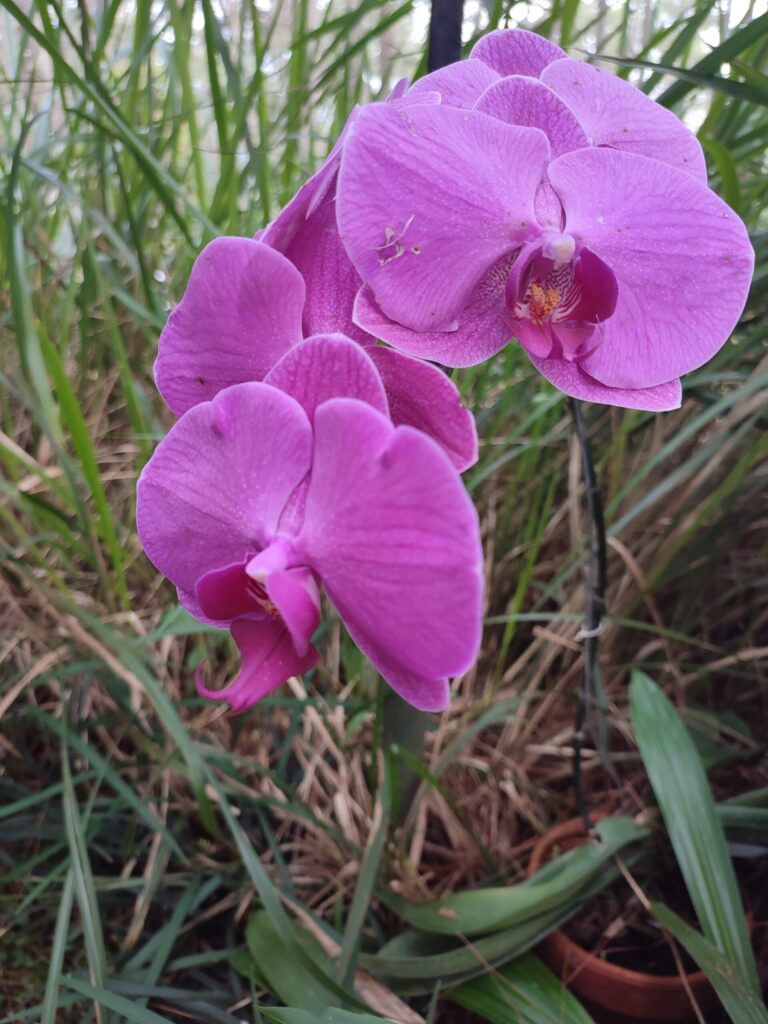
Rainwater is naturally soft, slightly acidic, and free of chlorine, fluoride, and dissolved salts, which makes it close to ideal for most houseplants, especially acid-loving types like ferns, orchids, and carnivorous plants. Collecting it in a clean barrel or bucket placed outside during a storm costs nothing. The main caution is urban pollution: in heavily industrial areas, rainwater can pick up trace contaminants, so it’s not necessarily “pure,” just generally gentler than treated tap water. Let collected rainwater come to room temperature before using it, since cold water can shock tropical root systems.
Distilled and Reverse-Osmosis Water: Purity With a Catch
Distilled water and reverse-osmosis (RO) water have had virtually all minerals and chemicals removed. This makes them excellent for the most sensitive plants, particularly carnivorous species like Venus flytraps and sundews, which can be killed outright by mineral or salt buildup. The downside is that distilled water strips away beneficial trace minerals too, and using it exclusively for years, without ever supplementing with fertilizer, can leave plants deficient in calcium and magnesium. It’s also more expensive and less practical for someone with a large collection of plants.
Practical Recommendations
- If your tap water is soft and chlorinated (not chloraminated), it’s fine for the vast majority of houseplants — just let it sit out overnight to release chlorine.
- If you have hard water or notice brown leaf-tip burn on sensitive species, switch those specific plants to rainwater or distilled water.
- Use distilled or RO water for carnivorous plants and any plant showing fluoride toxicity symptoms.
- Flush pots with a thorough soak-and-drain every 1–2 months regardless of water source, to wash out accumulated salts from soil.
- Fertilize on a regular schedule if you rely mainly on distilled water, since it contains no minerals for plants to draw on.
There’s no single “correct” water for every plant — the right choice depends on your local water quality and which species you’re growing. Pay attention to leaf-tip browning, stunted growth, or white crust on the soil, and adjust your water source for the plants that need it rather than overhauling your entire watering routine.
This article may contain affiliate links. If you purchase a product through one of these links, Plantgecko may earn a commission at no extra cost to you. This never influences our editorial independence or which products we recommend.