Peat-Free Soil — Gardening Sustainably Without Destroying Peatlands
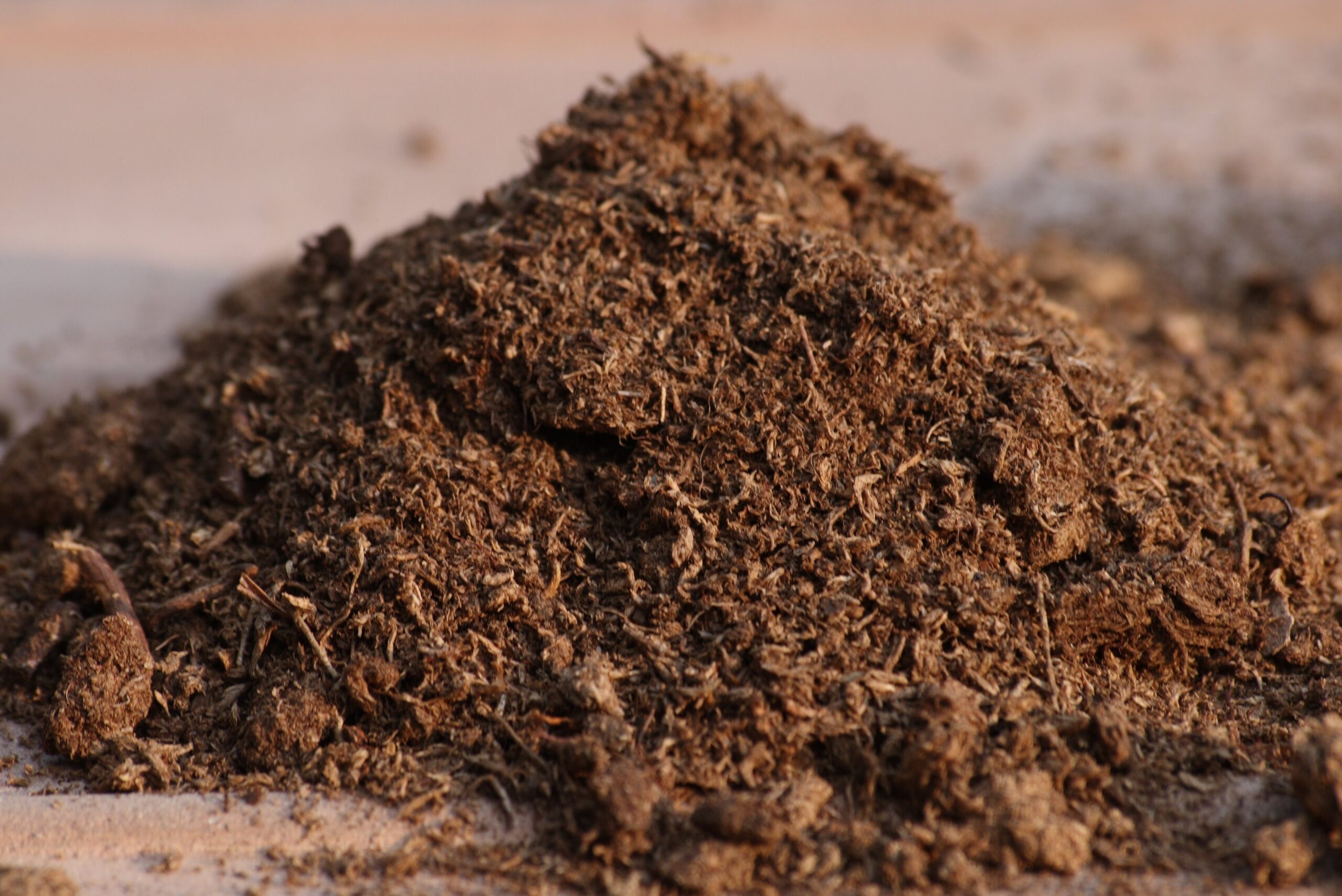
Peat-free soil has long since stopped being a niche option for eco-conscious gardeners — it’s now a meaningful contribution to protecting the climate and biodiversity. Peatlands aren’t just home to rare plants and animals; they’re also massive carbon stores. Every cubic meter of peat extracted releases stored CO₂ back into the atmosphere. Millions of cubic meters of peat go into horticulture every year, much of it ending up in potting soil. Gardening peat-free is entirely achievable, though it takes a little knowledge and a few adjustments to your usual routine.
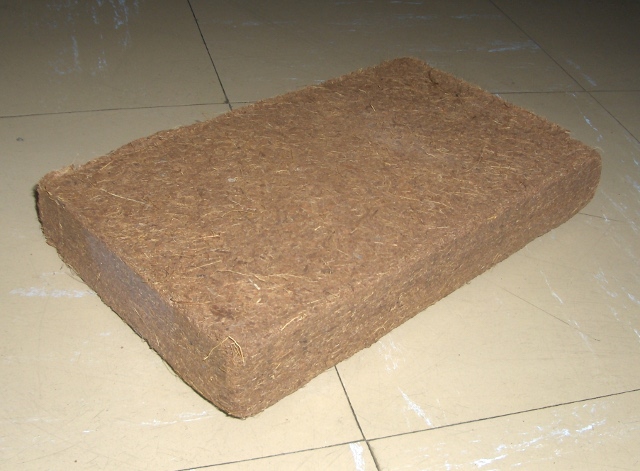
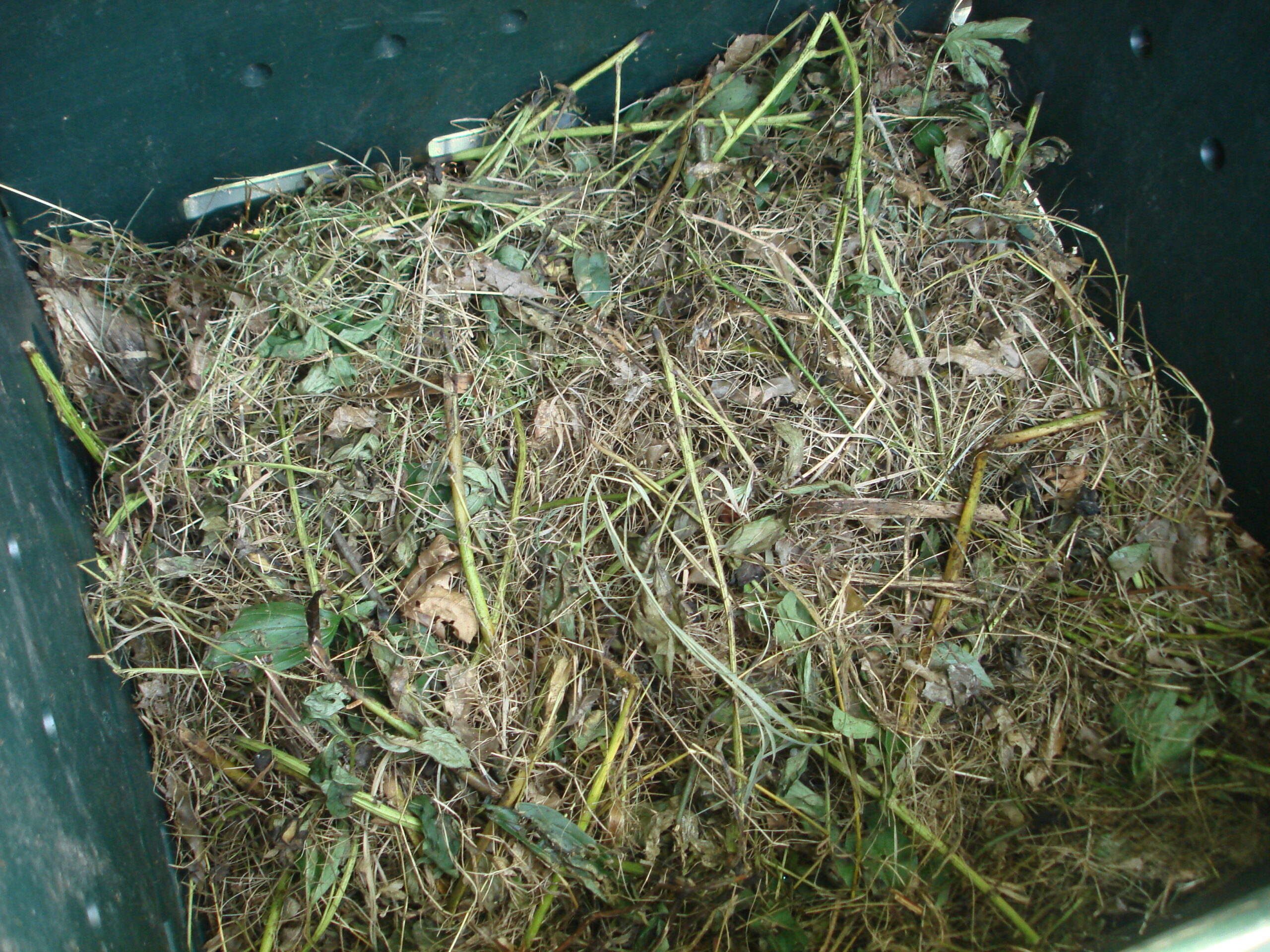
The good news is that peat-free soils have improved enormously in quality. Instead of peat, they use a mix of composted bark, wood fiber, coconut coir, compost, and clay minerals. These materials are typically renewable, locally available, or byproducts of the forestry and food industries. Modern peat-free soils now come close to matching their peat-based predecessors in structural stability and nutrient retention.
Still, there are some differences in plant behavior worth knowing. Peat-free substrates dry out faster at the surface, which can tempt you into overwatering if you only check the top layer. Feel two to three centimeters down with your finger to check whether the soil is actually dry. Peat-free soils also hold less nitrogen, so plants need feeding a bit more often, though in smaller doses. An organic slow-release fertilizer is a good choice for heavy feeders in particular.
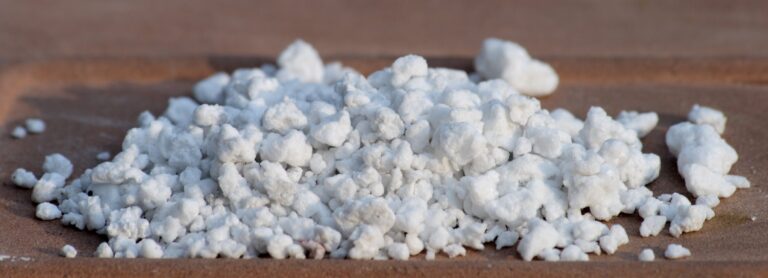
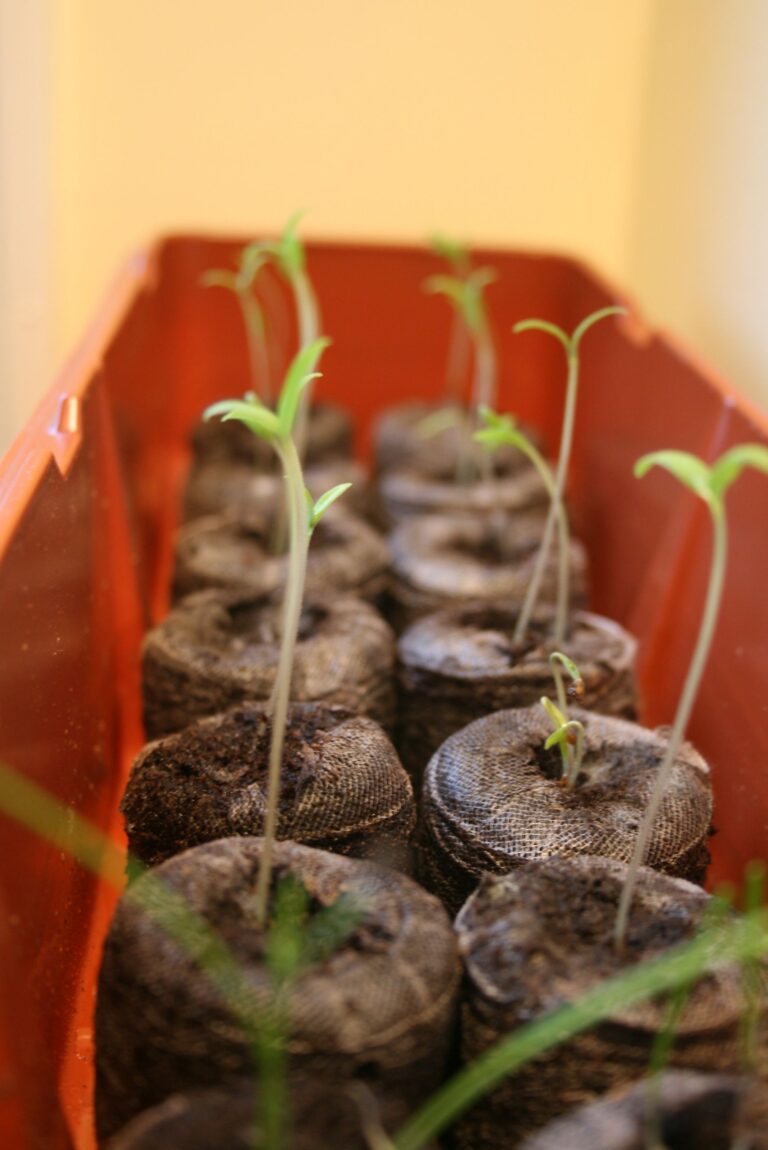
If you’re switching to peat-free soil, it’s worth checking seed-starting mixes and specialty substrates too — peat-free orchid mix based on coconut fiber, peat-free ericaceous soil, and peat-free seed-starting mix with perlite are all widely available now. With a little attention and the right products, switching to peat-free gardening is easy — and makes a real contribution to protecting Europe’s last remaining peatlands.