Ivy (Hedera helix): The Evergreen Climber for Shade and Sun
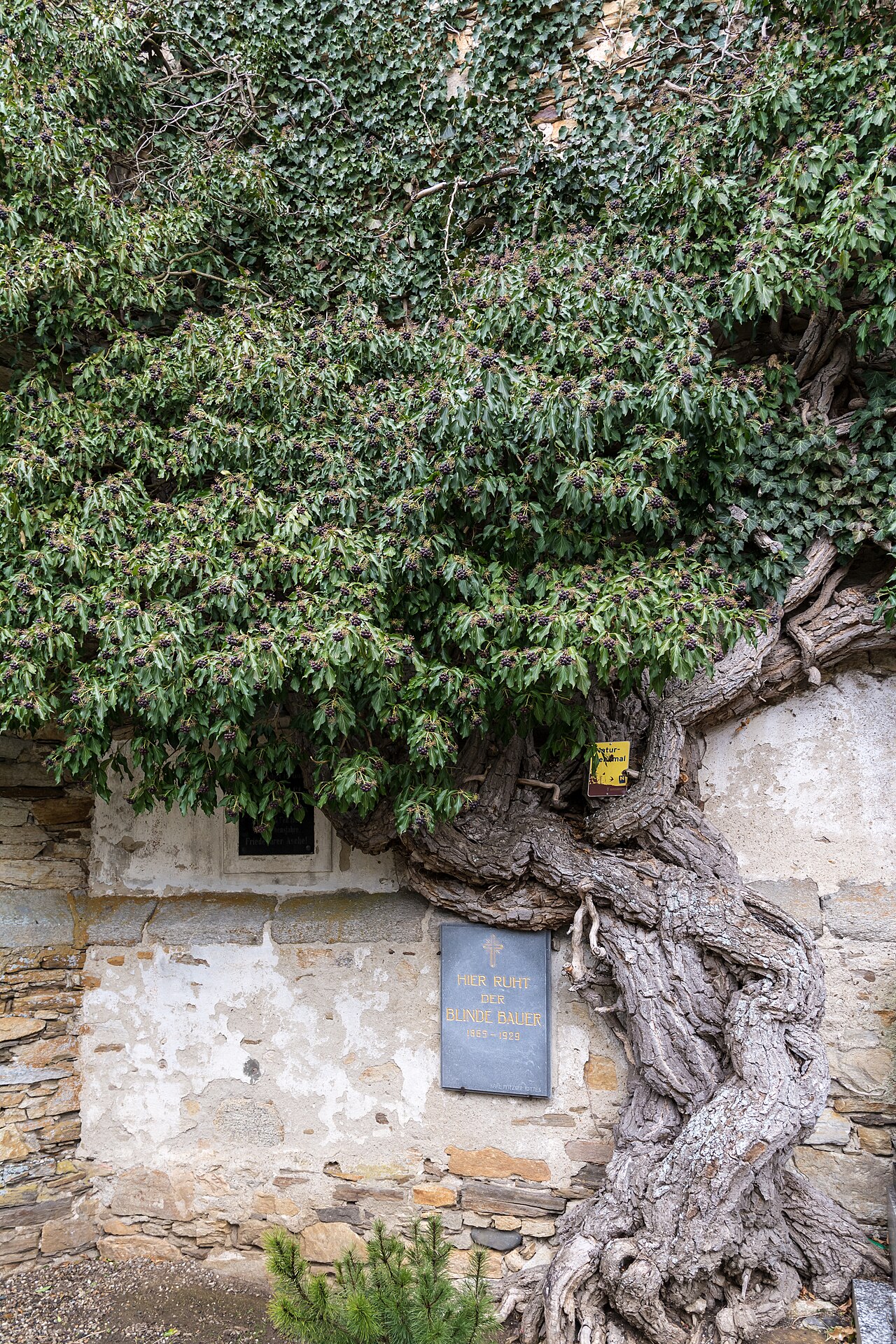
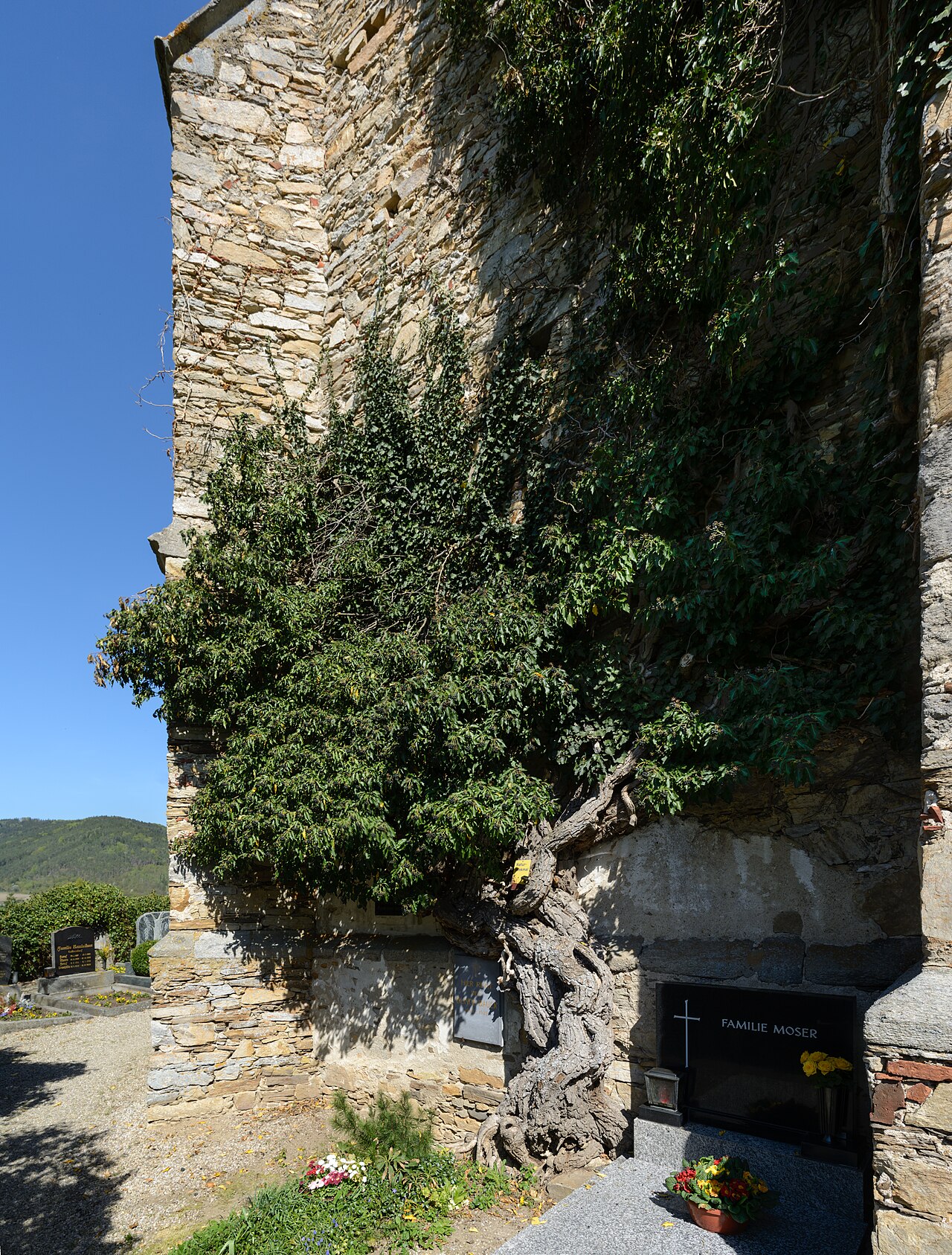
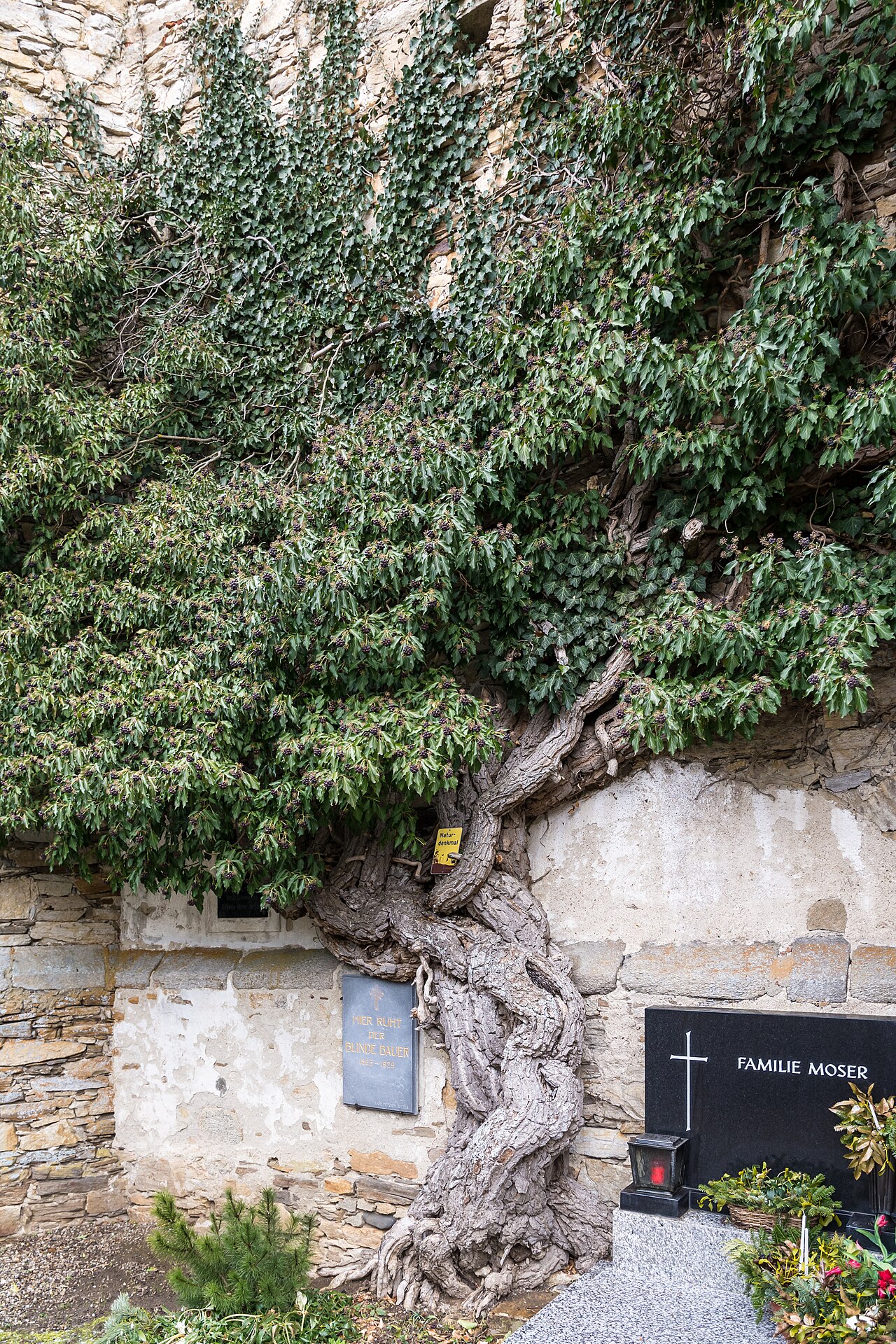
Ivy (Hedera helix) is the toughest of all climbing plants. It grows where other plants give up: on shady north-facing walls, beneath dense tree canopies, and in poor soil. With its dark green, leathery leaves and incredible adaptability, this European native is an ecologically extremely valuable plant — and a design multi-talent as well.
Climbing Technique and Growth Habit
Ivy climbs using aerial rootlets that grow along its stems and cling to almost any surface, from rough masonry to tree bark to smooth plaster. These rootlets do not penetrate intact building material. Problems only arise on facades that are already cracked or damaged, where roots can work their way into gaps and worsen the damage. Over the years, ivy can reach heights of 20 to 30 meters and live to a respectable age of several hundred years.
Mature Form and Ecological Importance
After about ten to fifteen years, ivy develops its mature form (Hedera helix f. arborescens). The leaves become heart-shaped instead of lobed, and the plant begins to flower. The inconspicuous, yellow-green flowers appear in September and October and are among the last and most important food sources of the year for bees, hoverflies, and butterflies. The black berries ripen over winter, providing welcome food for blackbirds, thrushes, and other birds during the cold season.
Care and Garden Uses
Ivy is extremely low-maintenance and needs neither fertilizer nor regular watering. Only an occasional trim in spring or autumn is needed to keep it in check. Caution is advised when disposing of cuttings: ivy readily re-sprouts from even the smallest stem fragments and should not go on the compost heap. In the garden, ivy is used in many ways: as evergreen facade greenery, as a fast-growing privacy screen on fences, as a robust ground cover under trees, or to green up deadwood in wildlife-friendly gardens. Important: all parts of the ivy plant are toxic to humans and pets, especially the berries.
This article may contain affiliate links. If you purchase a product through one of these links, Plantgecko may earn a commission at no extra cost to you. This never influences our editorial independence or which products we recommend.