Boxwood in the Garden: The Evergreen Classic Facing Challenges
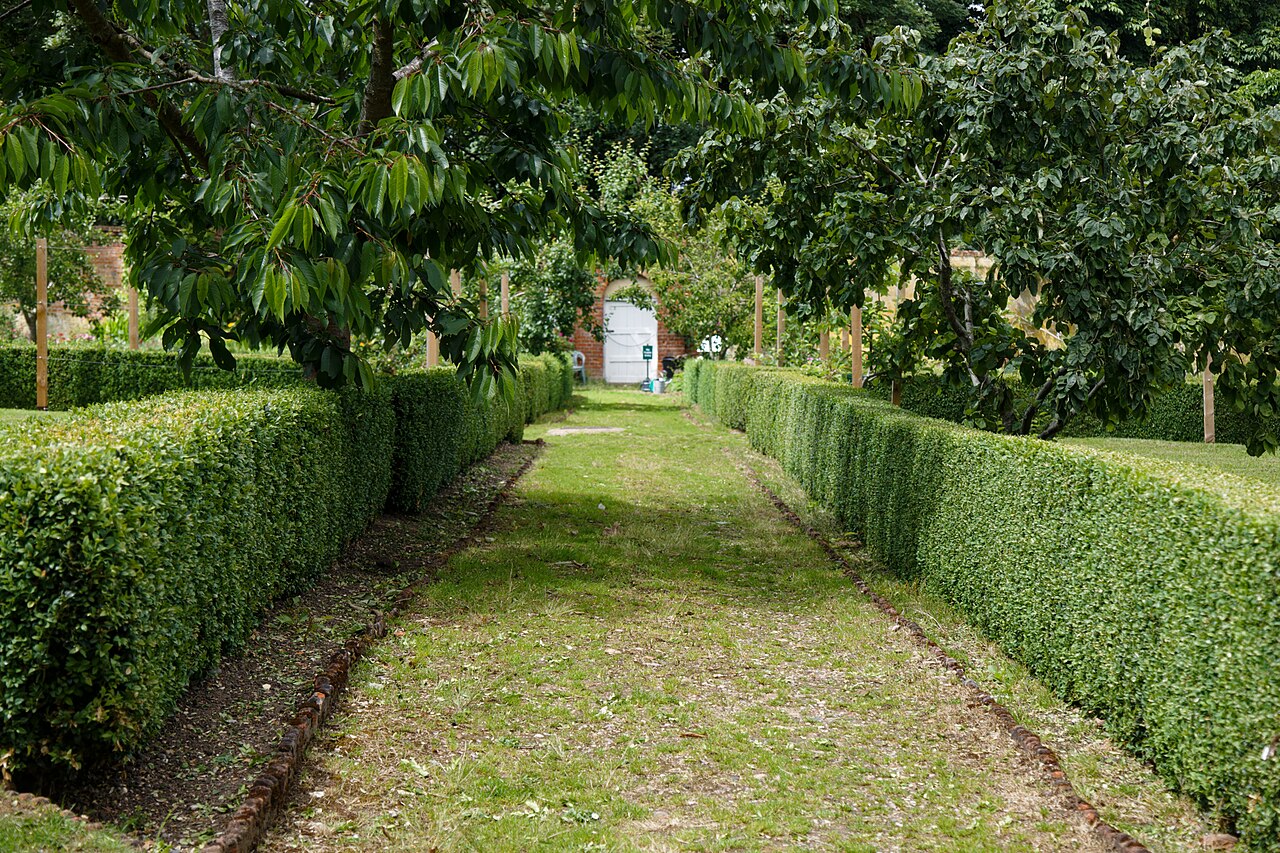
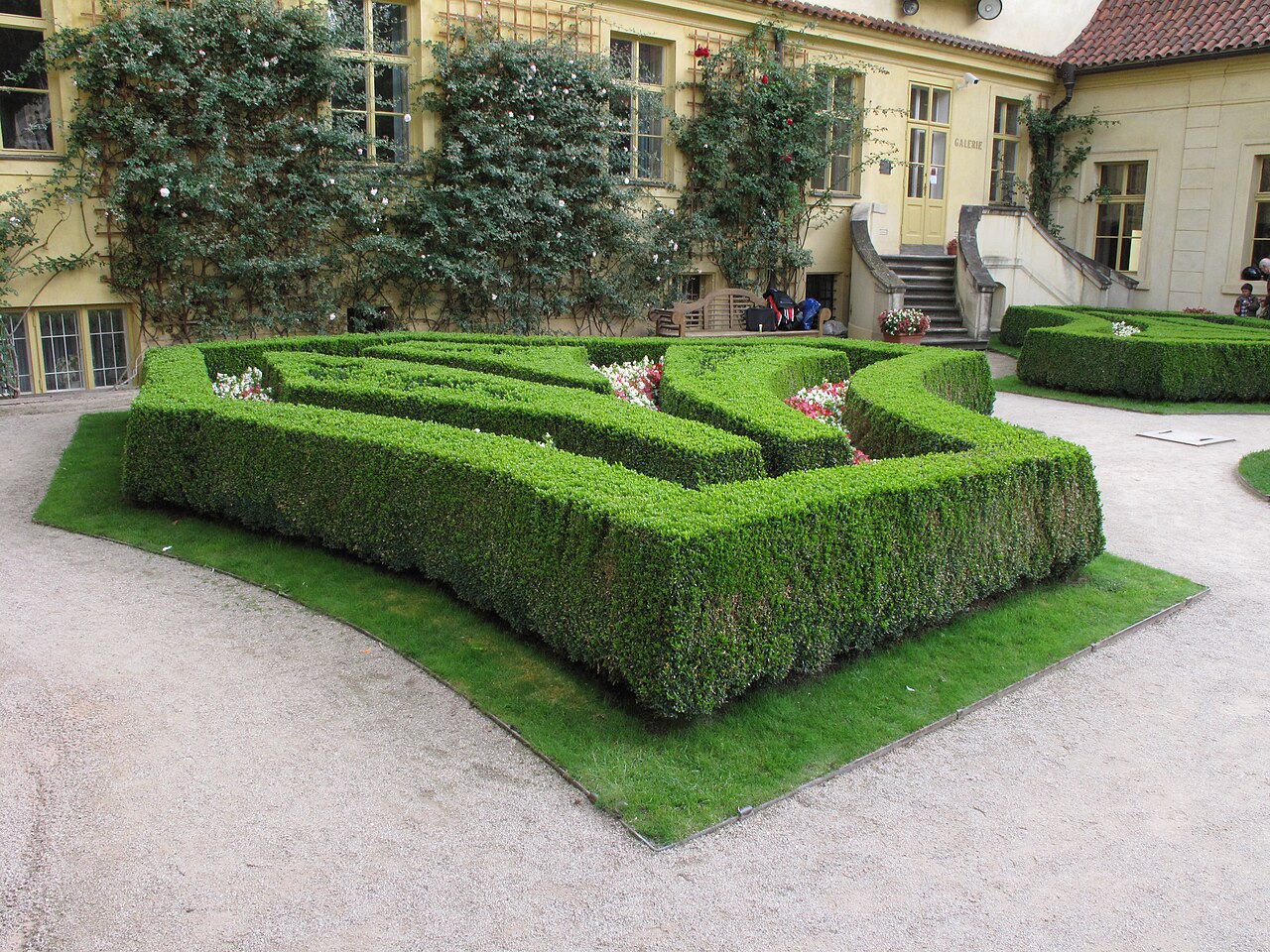
Boxwood (Buxus sempervirens) has long been a fixture of European garden culture. Its tolerance for shaping, dense evergreen foliage, and remarkable longevity made it the top choice for hedges, borders, and ornamental topiary for centuries. Today, however, boxwood faces serious challenges — chief among them the box tree moth.
Characteristics and Growth
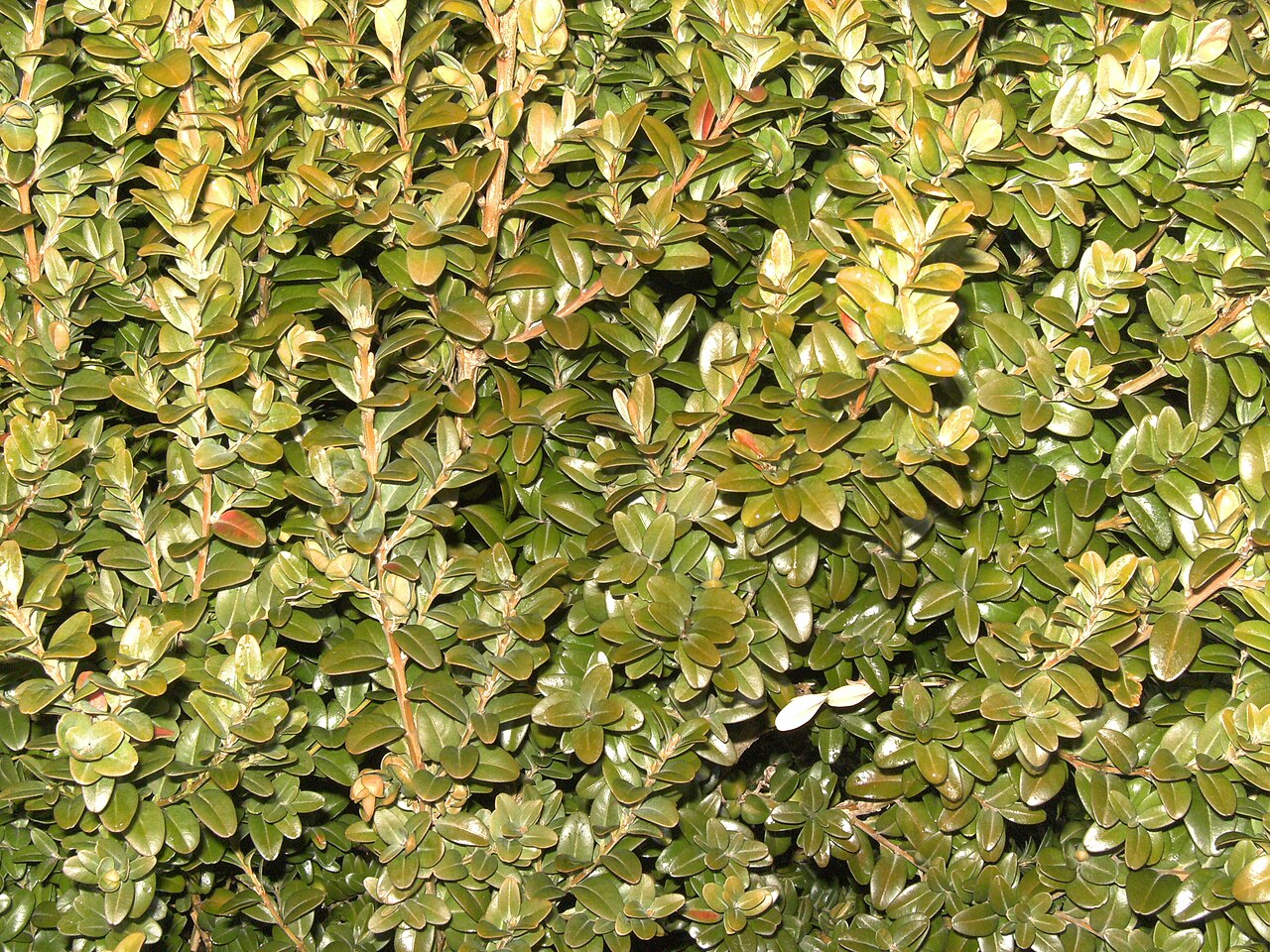
Buxus sempervirens grows slowly but steadily, about five to ten centimeters per year. Mature plants can reach a height of three to four meters after many years. The dark green, leathery leaves are oval, smooth-edged, and remain on the plant year-round. In spring, inconspicuous yellowish flowers appear that are strongly scented and heavily visited by bees. Boxwood’s wood is extremely hard and dense — indeed, its botanical name comes from the Greek word pyxos, meaning “dense.”
The Box Tree Moth: An Ongoing Problem
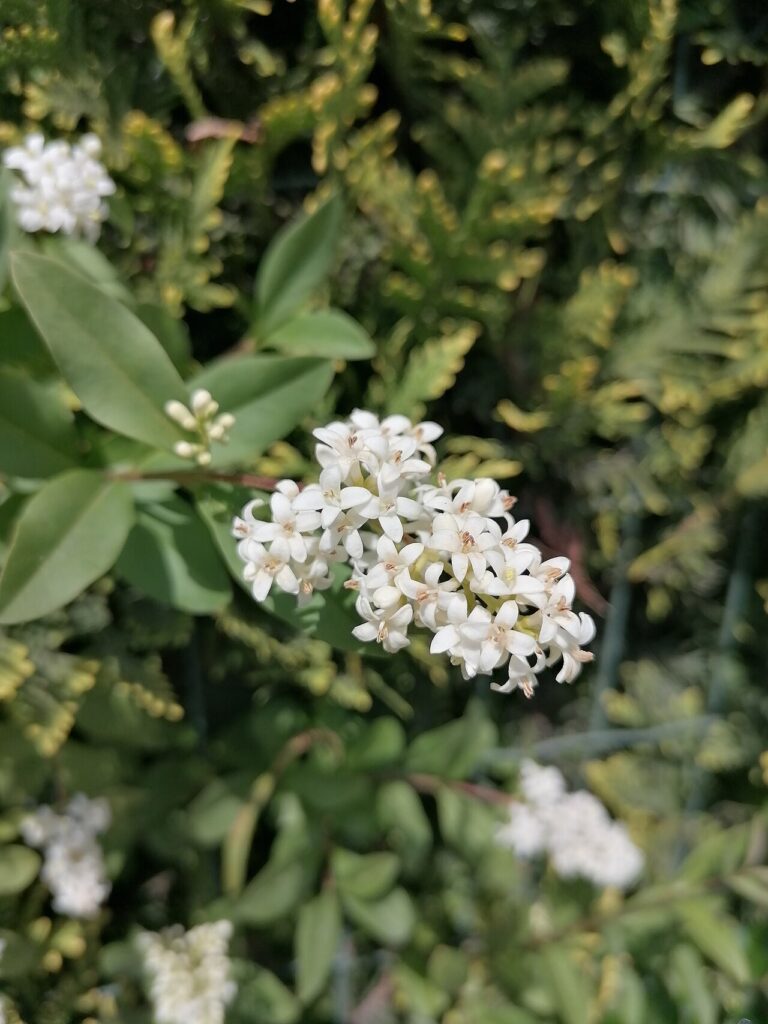
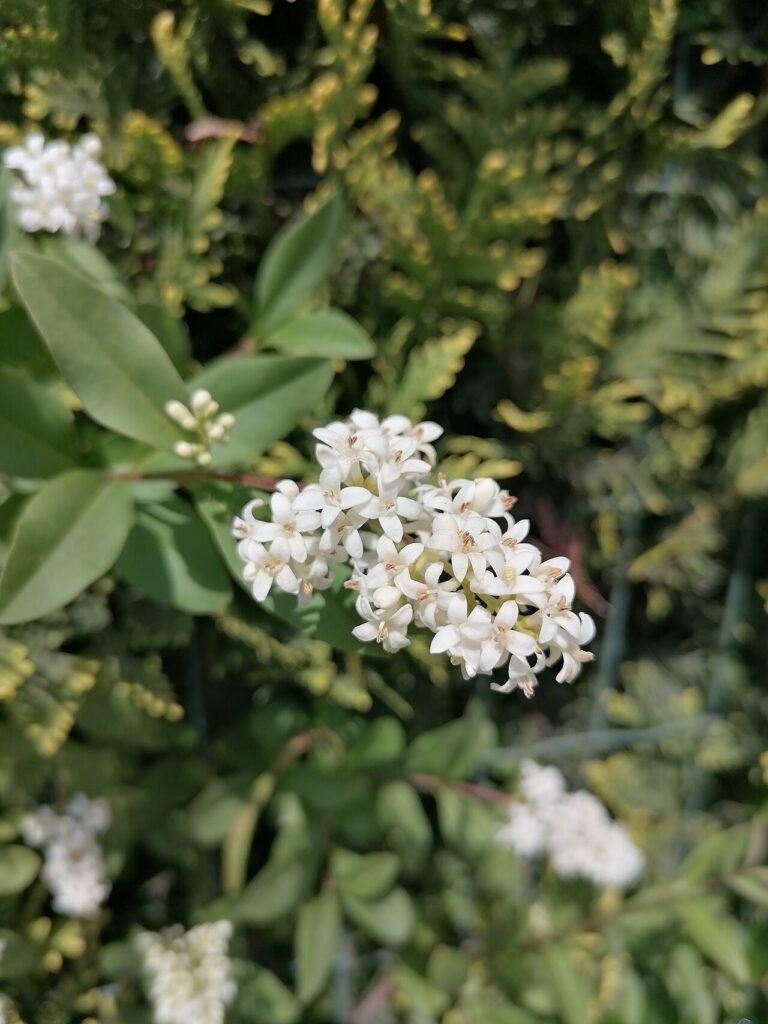
The box tree moth (Cydalima perspectalis), introduced from East Asia, is now the greatest threat to boxwood plantings. Its caterpillars can strip entire plants bare within a few days. Regular inspections from April onward are essential. Infested plants can be treated with biological agents such as Bacillus thuringiensis. Alternatively, more resistant varieties such as ‘Heritage’ or the small-leaved species Buxus microphylla ‘Faulkner’ are now available. Gardeners who want to play it completely safe can turn to boxwood alternatives such as evergreen Ilex crenata or privet.
Pruning and Care
Traditional topiary pruning takes place in late May or early June; a second trim can follow in August after the next flush of growth. Important: never prune in blazing sun or rain, as this encourages fungal infections. Clippings must be thoroughly removed from the plant, since leaves left lying around will rot. During dry periods, boxwood appreciates occasional watering, even in winter on frost-free days, to prevent winter desiccation.
This article may contain affiliate links. If you purchase a product through one of these links, Plantgecko may earn a commission at no extra cost to you. This never influences our editorial independence or which products we recommend.