Jade Plant (Crassula ovata): The Low-Maintenance Good Luck Plant
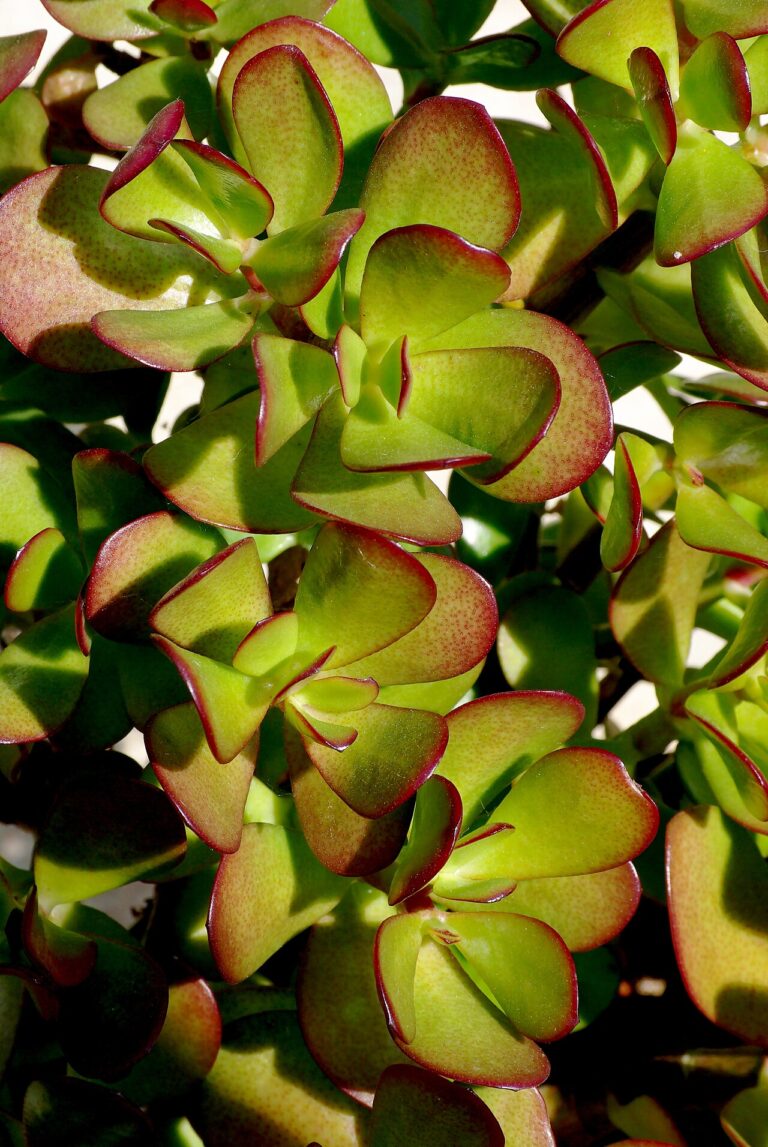
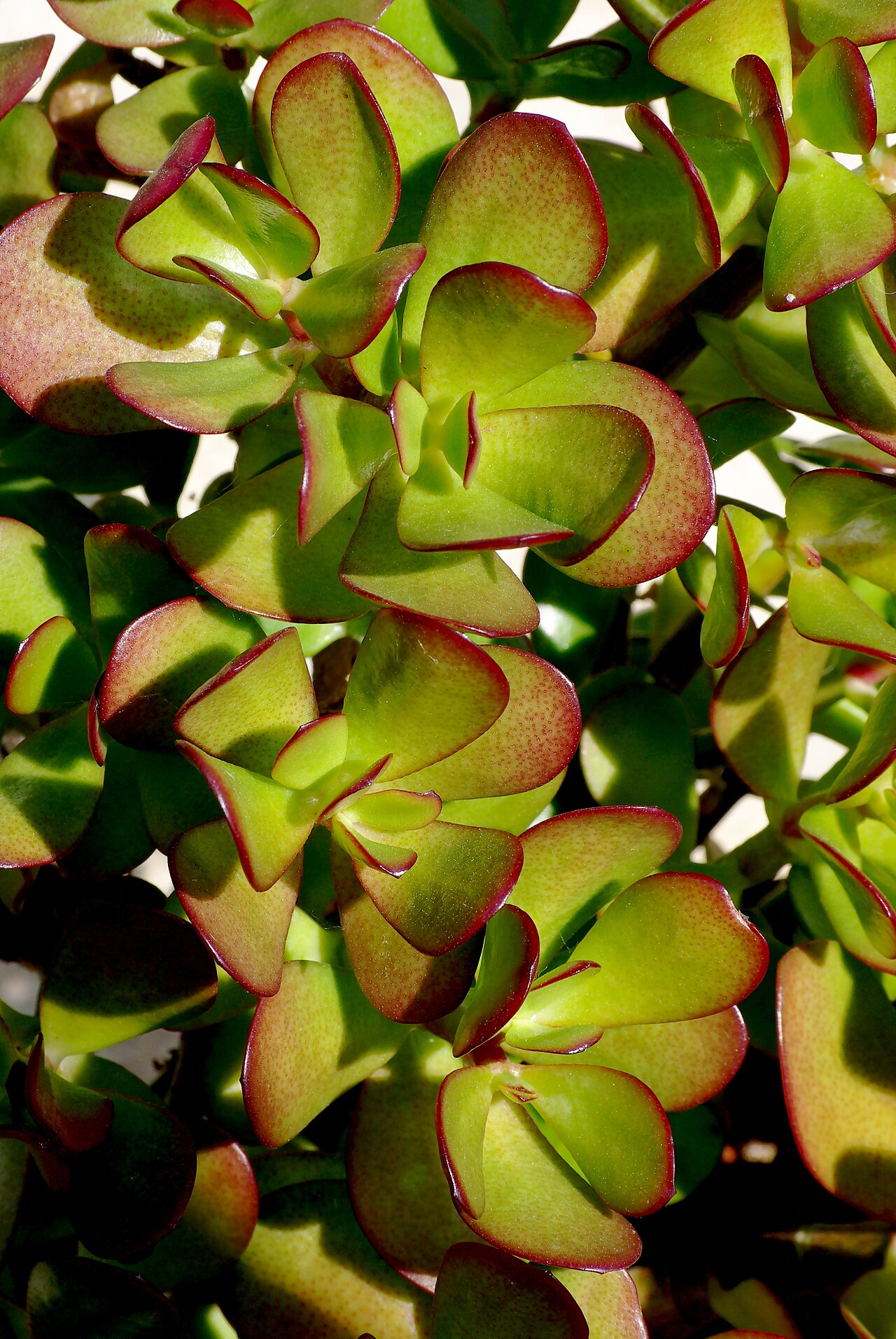
The jade plant (Crassula ovata), sometimes called the money tree or lucky plant, is a classic succulent prized for its thick, glossy oval leaves and sturdy, tree-like branching structure that can develop over many years into an impressive, almost bonsai-like specimen. It is exceptionally long-lived and easy to care for, making it a popular gift plant as well as a rewarding long-term houseplant.
Light Requirements
Jade plants want bright light, including some direct sun, to maintain compact, sturdy growth and develop the reddish tinge that healthy leaf edges often show under strong light. In low light, growth becomes leggy and sparse, with wide gaps between leaves along weak stems.
Watering: Soak and Dry
As with most succulents, water thoroughly and then allow the soil to dry out completely before watering again, roughly every two to three weeks depending on light and season, and considerably less often in winter. Overwatering is the most common cause of problems, leading to soft, mushy, translucent leaves and root rot.
Soil and Potting
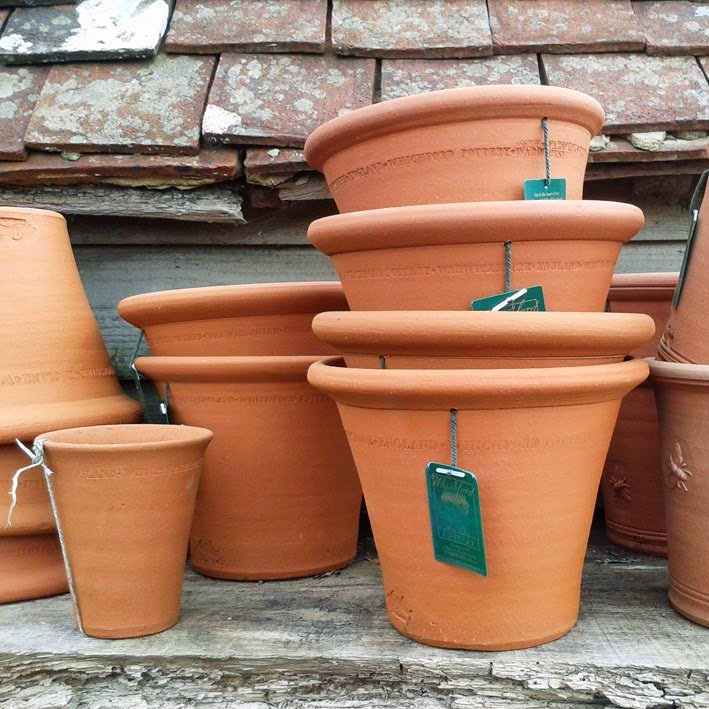
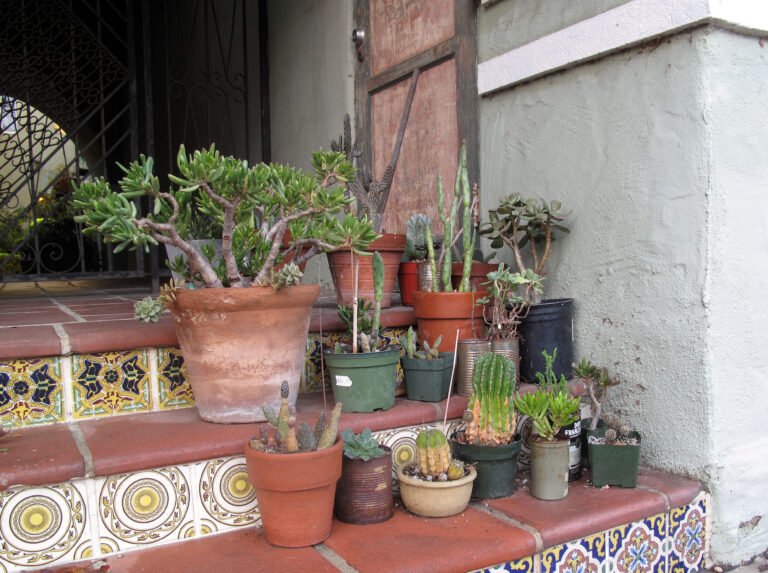
A fast-draining succulent or cactus mix is important, and a pot with drainage holes is essential. Because mature jade plants become top-heavy with substantial woody branches, a wider, heavier pot (terracotta works especially well) helps prevent tipping.
Sunburn Caution
While jade plants love bright light, a plant that has been kept in lower indoor light should be acclimated gradually to strong direct sun or outdoor conditions over one to two weeks; a sudden jump from shade to intense sun can cause visible sunburn, appearing as pale or brown scorched patches on leaves.
Pruning and Shaping
Jade plants respond well to pruning, which encourages branching and a fuller, more tree-like silhouette over time. Pinch or cut back leggy stems just above a leaf node in spring, and many growers train jade plants into attractive bonsai-style forms over years of selective pruning.
Feeding
Feed sparingly, once or twice during the spring and summer growing season with a diluted, balanced fertilizer formulated for succulents or cacti. This slow-growing plant needs far less feeding than typical leafy houseplants.
Propagation
Jade plants propagate readily from both leaf and stem cuttings. Remove a healthy leaf or a several-centimetre stem section, let the cut end callus over for two to three days until it forms a dry seal, then place it on or in slightly moist succulent soil. Roots and eventually a new small rosette of growth will develop over the following weeks; avoid overwatering during this rooting period, as unrooted cuttings are especially prone to rot.
Longevity
With consistent bright light and careful watering, jade plants can live for decades, slowly developing a thick, characterful trunk. Many long-lived specimens are passed down through families, a testament to just how forgiving and durable this plant is when its basic needs are met.
Long-Term Seasonal Patterns
Jade plant growth slows considerably in winter, even indoors, following its natural rhythm regardless of stable indoor temperatures, so watering should be cut back to roughly once every four to six weeks during this period, compared with every two to three weeks in active spring and summer growth. Outdoor or patio-grown jade plants should be brought inside before nighttime temperatures approach freezing, since this succulent has essentially no frost tolerance and can be killed by even a light frost. Because jade plants are so long-lived, many growers find it useful to track pruning and repotting on a multi-year rather than annual cycle, making structural shaping decisions, like which branches to remove to develop a tree-like form, gradually over several growing seasons rather than all at once.
Shaping a Long-Lived Plant
For growers interested in training their jade plant into a tree-like or bonsai-style form over time, a small pair of bonsai pruning shears allows for the kind of precise, controlled cuts that shape growth without damaging the thick, semi-woody stems. Because jade plants are so slow-growing and long-lived, small, thoughtful pruning decisions made consistently over several years compound into a genuinely striking mature specimen.
Frequently Asked Questions
Can jade plant be grown outdoors?
In frost-free, mild climates, jade plants can live outdoors year-round in a bright spot; in colder regions they are best grown in containers that can be moved indoors before frost, since freezing temperatures will damage or kill the plant.
Why are my jade plant’s leaves falling off?
Leaf drop most often results from overwatering and root stress, though it can also occur from a sudden environmental change like a cold draft, a big shift in light, or underwatering severe enough to cause the plant to shed leaves to conserve water.
How can I make my jade plant look like a small tree?
Selective pruning of lower side shoots to reveal a bare trunk, combined with regular tip pruning of the upper canopy to encourage dense branching, gradually develops the classic thick-trunked, tree-like jade plant form over a few years.
Is jade plant toxic to pets?
Yes, jade plant is considered mildly toxic to cats and dogs if ingested, potentially causing vomiting, lethargy, or incoordination, so it’s best kept out of reach of pets prone to chewing on houseplants.