Aloe Vera: Healing Plant and Décor Star in One
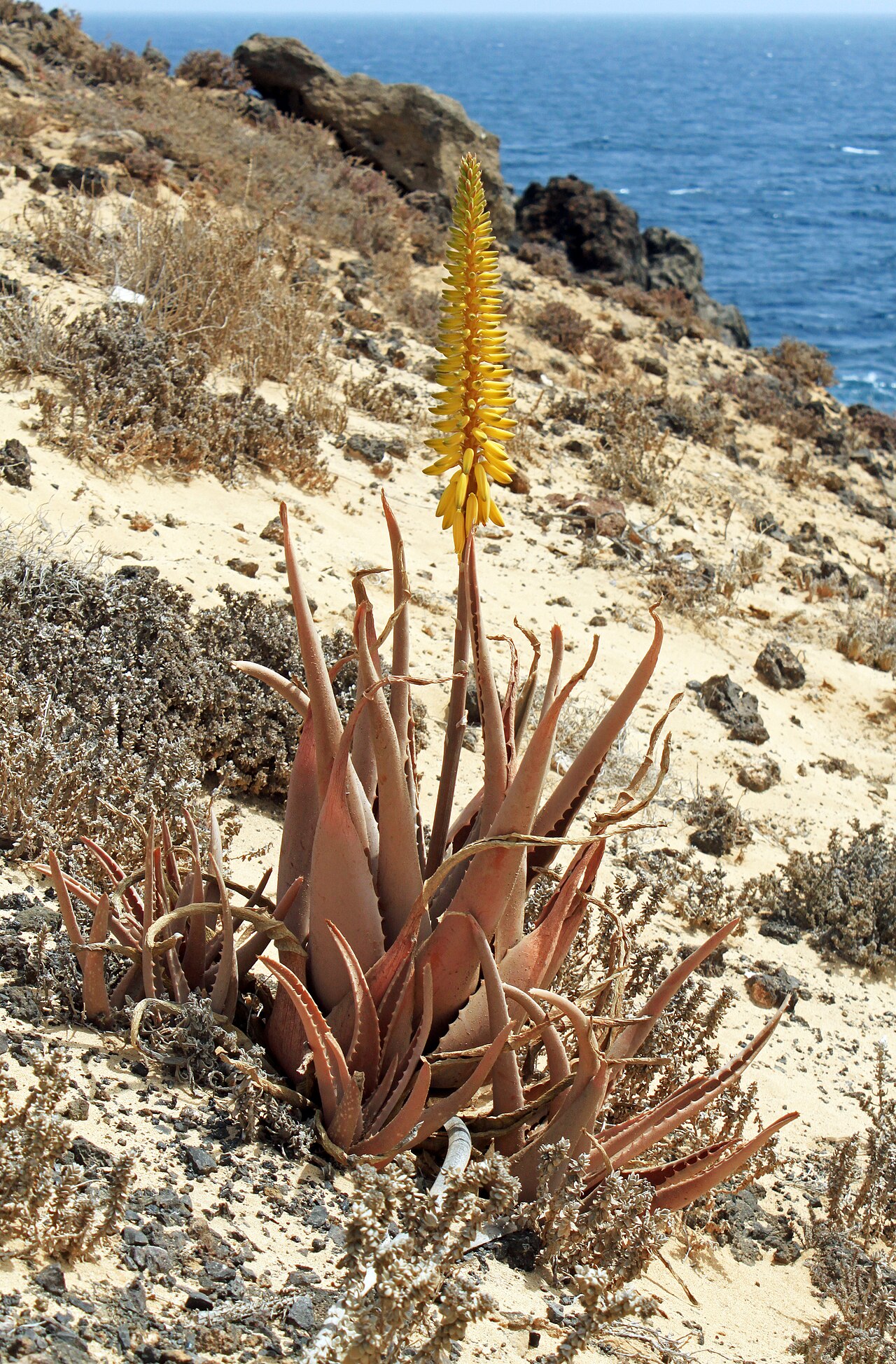
Aloe vera is both a striking succulent and a genuinely useful plant to keep on hand, its thick, gel-filled leaves long used topically for minor burns and skin irritation. As a desert-adapted succulent, its care needs are quite different from typical leafy houseplants, and most problems come from treating it like one.
Light Requirements
Aloe vera wants as much bright light as you can give it, ideally several hours of direct sun in a south- or west-facing window. Insufficient light causes the rosette to stretch and flop toward the light source (etiolation) rather than growing in its natural, compact form. Plants moved outdoors for summer should be acclimated gradually to avoid sunburn on leaves accustomed to indoor conditions.
Watering: Soak and Dry
Aloe stores water in its thick leaves and is adapted to long dry spells between rains, so it should be watered deeply and then left to dry out completely before watering again – typically every two to three weeks, less in winter. Overwatering, particularly in combination with poor drainage, is by far the most common cause of aloe problems, leading to soft, mushy, rotting leaves and roots.
Soil and Pot Choice
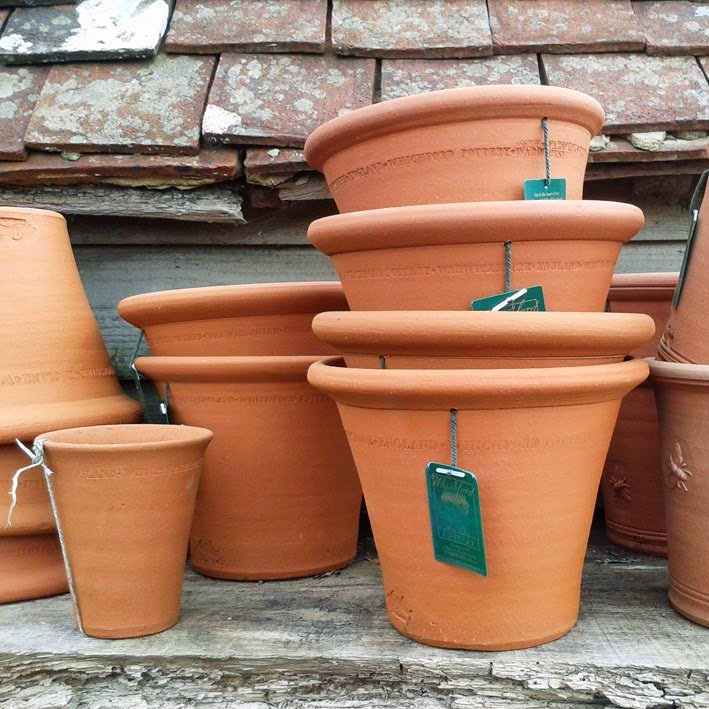
Use a fast-draining cactus or succulent potting mix, or amend regular potting soil generously with perlite or coarse sand. A terracotta pot is particularly beneficial for aloe because its porous walls allow excess moisture to evaporate, helping prevent the waterlogged conditions this plant cannot tolerate. Always choose a pot with drainage holes.
Temperature and Placement
Aloe vera is not cold-hardy and should be brought indoors or protected well before frost; even a light frost can severely damage or kill the fleshy leaves. It thrives in typical indoor room temperatures and appreciates being moved outdoors to a bright, sheltered spot during the warm months.
Feeding
Aloe is a light feeder. A diluted, balanced liquid fertilizer applied once or twice during the growing season is plenty; overfeeding is unnecessary and can actually stress this low-demand plant.
Propagation via Pups
Mature aloe plants readily produce small offsets, or ‘pups,’ around the base of the parent plant. Once a pup has a few of its own leaves and some root development, it can be gently separated and potted into its own well-draining container, making aloe one of the easiest succulents to multiply and share.
Using the Gel
To use aloe gel topically, cut a mature outer leaf near the base, slice it open lengthwise, and scoop out the clear gel. It’s commonly applied to minor sunburns and small skin irritations; anyone with sensitive skin or a known allergy should do a small patch test first, and it is not a substitute for medical treatment of significant burns or wounds.
Adjusting Care by Season
Aloe vera’s watering needs shift more dramatically between seasons than many succulents. During the active spring and summer growing period, water once the soil has dried out fully, roughly every two to three weeks depending on light and temperature. In autumn and winter, as growth slows substantially, cut watering back further still, sometimes to once every four to six weeks, since the plant’s reduced activity means it uses far less water and is more prone to rot if kept on a summer watering schedule through the cold season. If aloe spends summer outdoors, bring it in well before any risk of frost, ideally when nighttime temperatures start dropping toward 10°C (50°F), and expect a period of little to no visible growth over winter, which is entirely normal and not a sign of a problem.
Choosing the Right Container
Because aloe vera is so prone to rot in consistently damp soil, many growers find a terracotta pot makes a meaningful difference compared with glazed ceramic or plastic, since its porous walls let excess moisture evaporate through the sides as well as the drainage hole. This small choice of container material is often the difference between a thriving, compact aloe and one that struggles with chronic dampness despite a careful watering schedule.
Frequently Asked Questions
Can aloe vera survive outdoors year-round?
Only in frost-free or nearly frost-free climates (roughly USDA zones 9 to 11); elsewhere, aloe vera should be grown in a container that can be moved indoors before the first frost, since even light freezing damages its fleshy leaves.
How do I know if my aloe vera is getting enough light?
A healthy, well-lit aloe vera has thick, upright, compact leaves; if leaves are thin, pale, and stretched toward a window, or the rosette looks flattened and splayed out, it likely needs more direct light.
Can I use aloe gel straight from the plant?
Yes, fresh gel scooped from a mature leaf can be applied directly to minor skin irritations for most people, though it’s wise to do a small patch test first, avoid the yellow latex layer just under the skin, which can be irritating, and not use it as a substitute for medical care on serious burns or wounds.
Why does my aloe vera have brown, mushy leaves?
This is a classic sign of overwatering or poor drainage causing rot; affected leaves usually cannot be saved and should be removed, with future watering reduced and the plant checked for a well-draining pot and soil mix.