African Violets: Colorful Blooms for Your Windowsill
Light and Placement
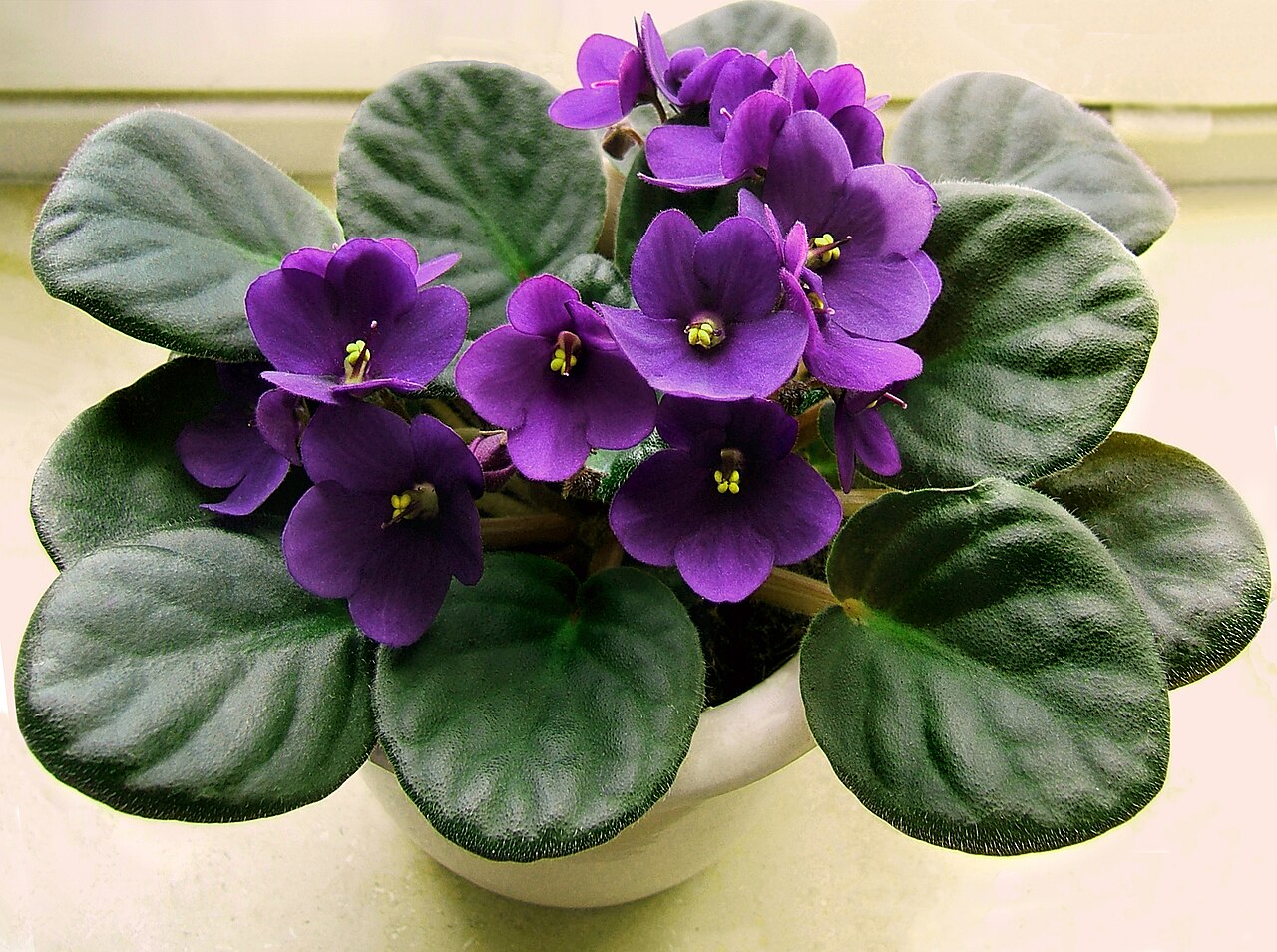
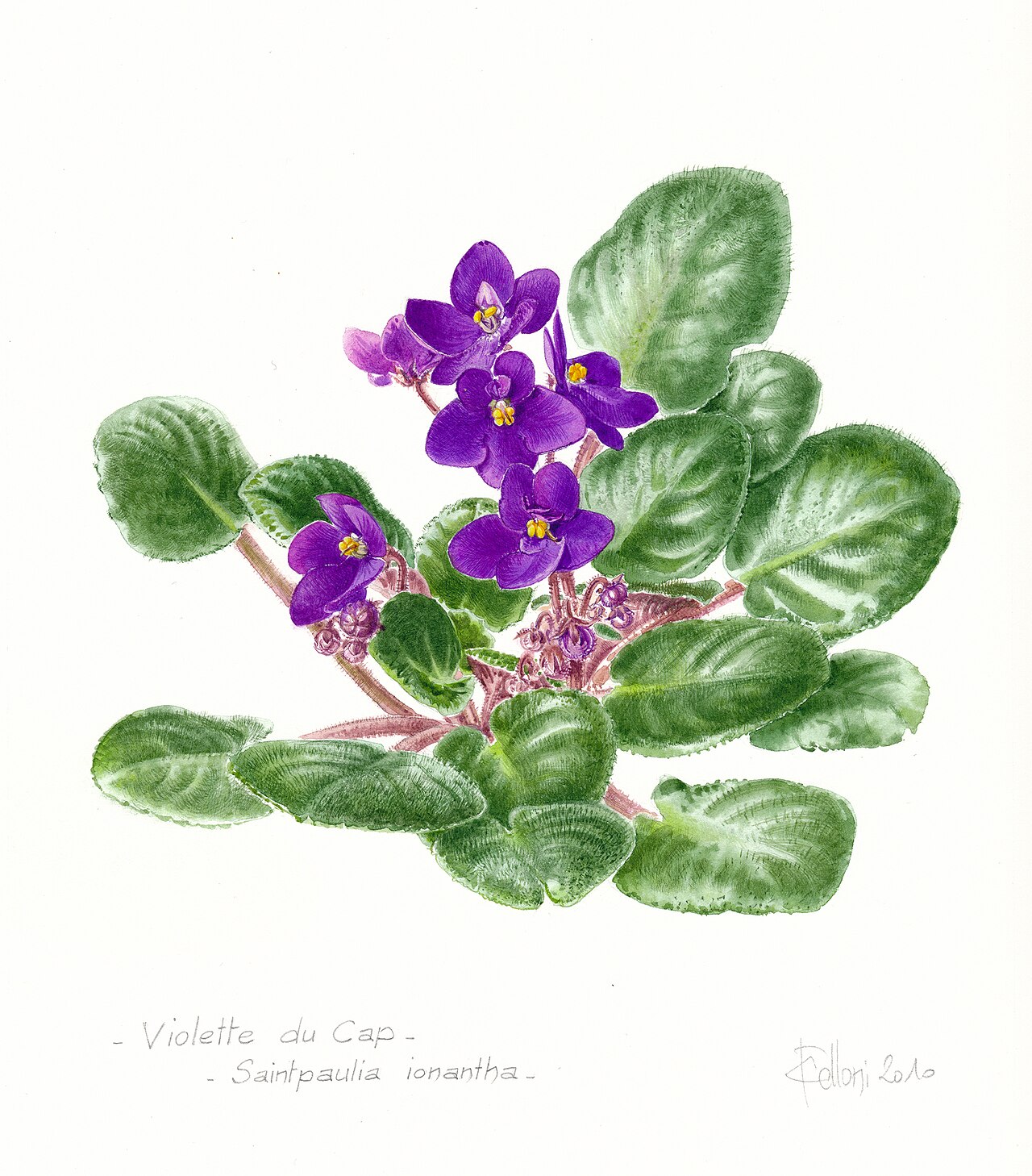
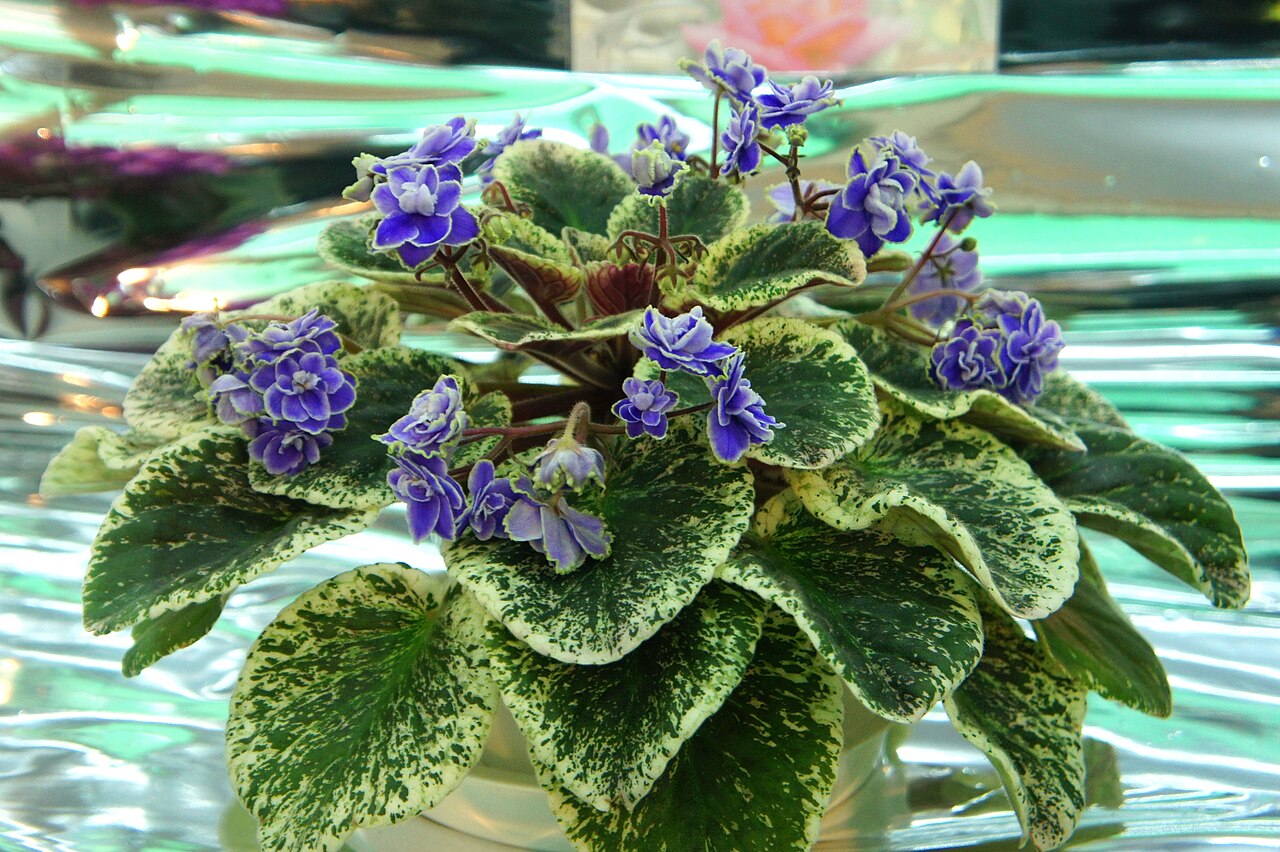
African violets (Saintpaulia, now botanically classified under Streptocarpus) are among the most popular flowering houseplants, prized for their velvety leaves and near-constant clusters of purple, pink, blue, or white blooms. They thrive on a bright windowsill that receives plenty of indirect light but little to no direct sun, which can scorch the fuzzy leaves. An east-facing window is usually ideal; south or west-facing windows work if the plant is set back from the glass or filtered by a sheer curtain. Too little light results in long, stretched leaf stalks and few flowers, so if natural light is limited, a small grow light on a 12-hour timer works very well.
Watering
Correct watering is the single biggest factor in growing African violets successfully. Water only when the top of the soil feels dry to the touch, using room-temperature water, and always avoid wetting the leaves, since cold water or moisture sitting on the fuzzy foliage causes unsightly brown spots. Many growers prefer to water from below by setting the pot in a saucer of water for 20–30 minutes and letting the soil wick up moisture, then discarding any excess. Self-watering pots designed specifically for African violets are also widely available and take much of the guesswork out of watering.
Soil, Potting, and Feeding
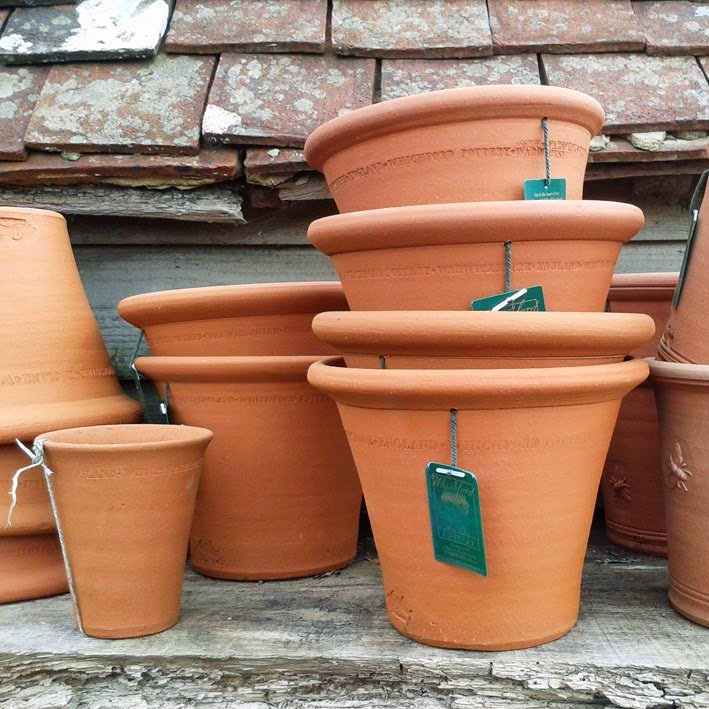
Use a light, well-aerated potting mix formulated for African violets, which typically combines peat or coir with perlite and vermiculite for good drainage while retaining some moisture. African violets actually prefer to be slightly pot-bound, so choose a pot only a little larger than the root ball, and repot roughly once a year to refresh the soil. During the growing season, feed every two to four weeks with a fertilizer formulated for African violets, diluted to about half the recommended strength, since these plants are sensitive to fertilizer salt buildup.
Common Problems
- No flowers: usually caused by insufficient light or, less commonly, too much nitrogen fertilizer promoting leaves over blooms.
- Crown or root rot: results from overwatering or water sitting in the crown of the plant; always let excess water drain away.
- Leaf spots: caused by cold water or direct sunlight touching the leaves.
- Pests: mealybugs and cyclamen mites can occasionally affect African violets; isolate and treat affected plants promptly.
Propagation
African violets are famously easy to propagate from a single healthy leaf. Cut a leaf with about 3–4 cm of stalk attached, insert the stalk into moist potting mix or a glass of water, and keep it warm and in indirect light. Roots typically form within a few weeks, followed by tiny new plantlets at the base, which can be separated and potted individually once they have a few leaves of their own.
This article may contain affiliate links. If you purchase a product through one of these links, Plantgecko may earn a commission at no extra cost to you. This never influences our editorial independence or which products we recommend.