Root Pruning, Switching to Hydroponics, and More: Repotting for Advanced Growers
You’ve mastered simple repotting into a bigger pot, but what if you don’t want the plant to get any bigger? Or what if you’d like to switch it from soil to hydroponics? In this article, we cover advanced repotting techniques and what to watch out for.
Root Pruning: When the Pot Shouldn’t Get Bigger
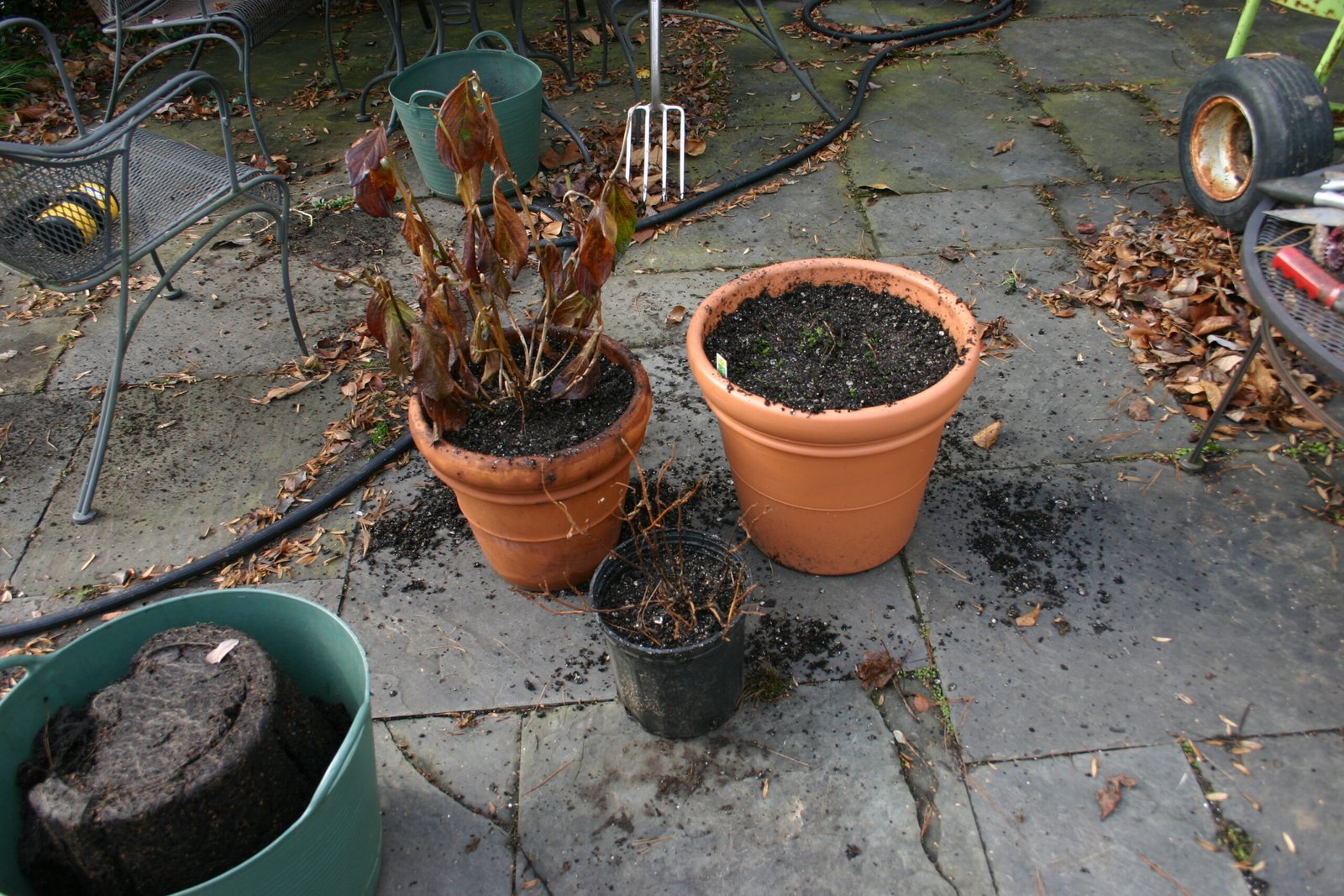
Some plants simply shouldn’t get any bigger, whether for space reasons or because they’ve reached their ideal size. Instead of moving them into a larger pot, you trim back the roots and replant in the same pot with fresh soil.
Root pruning is a well-established technique, especially for bonsai, but it also works well on ordinary houseplants like ficus, dracaena, or schefflera.
Here’s how:
- Remove the plant from its pot and gently shake off the old soil
- Using sharp, disinfected scissors, cut off about a third of the root mass — mainly the outer, circling roots
- Remove any dead, mushy, or diseased roots
- Replant in the same pot with completely fresh soil
- Water sparingly at first, and don’t fertilize for the first four weeks
Above ground, the plant will initially grow more slowly because it needs to regenerate roots. After about four to six weeks, the root system has recovered and the plant puts out vigorous new growth.
Root pruning isn’t suitable for palms or most conifers — they don’t tolerate major interventions to their root systems.
Switching from Soil to Hydroponics or Semi-Hydro
Switching from soil to a mineral substrate is a bigger step, but a worthwhile one: fewer pests, a more consistent water supply, and less watering effort.
The most important step is thoroughly cleaning the roots. Any crumb of old soil left clinging to the roots will rot in the mineral substrate and can infect them. Wash the roots under lukewarm water until no soil residue remains.
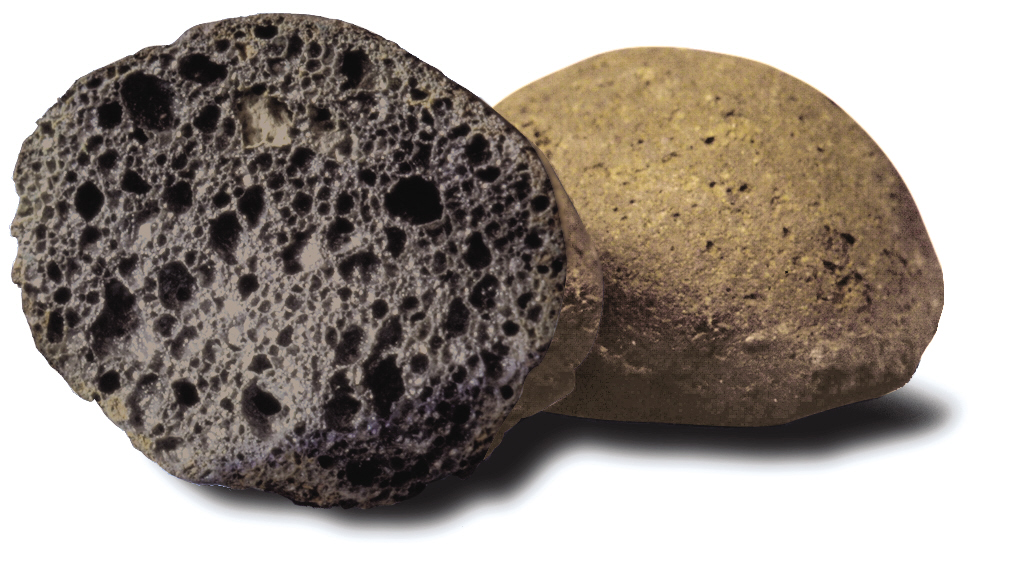
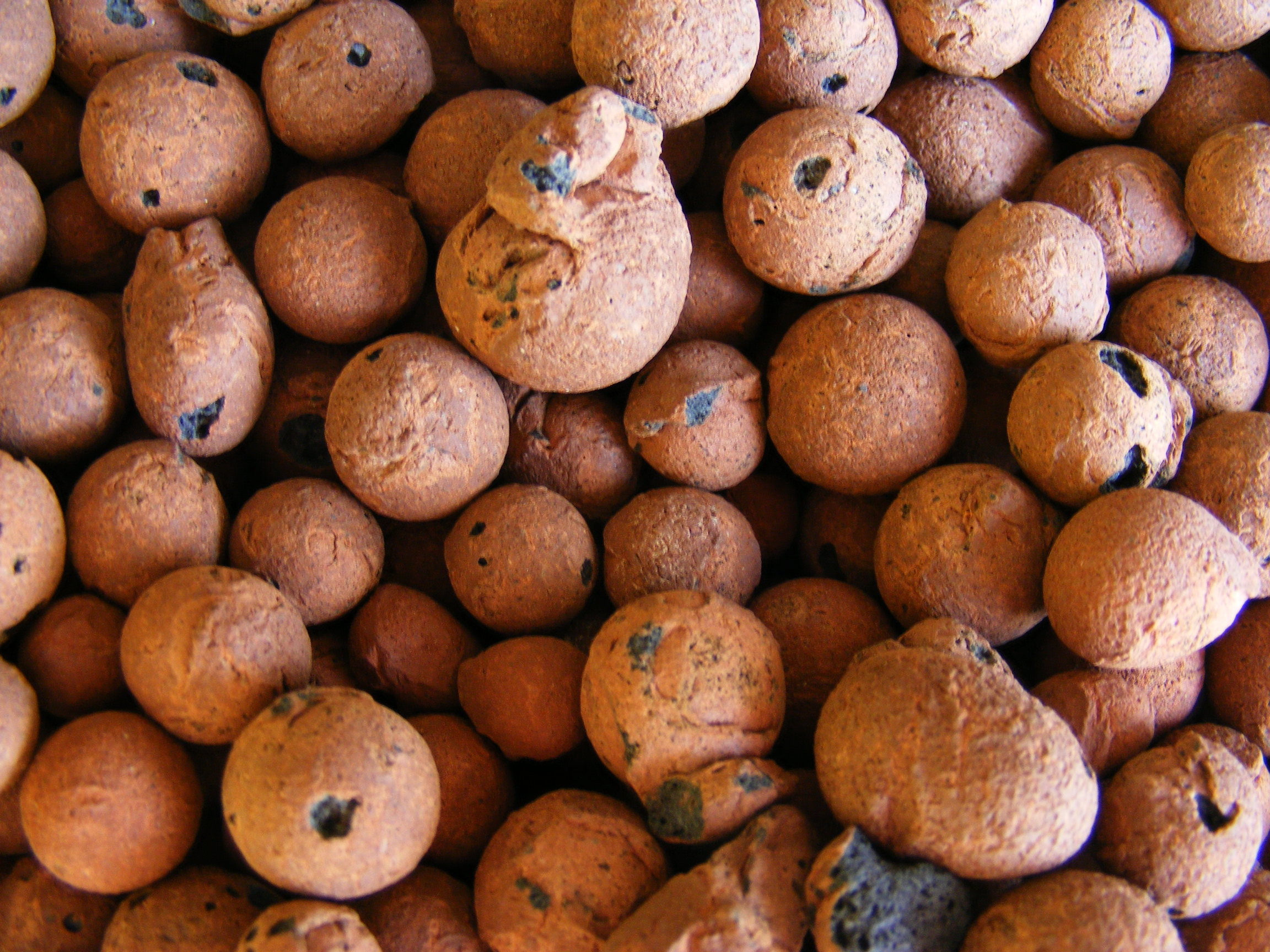
Then place the plant into a container with LECA (expanded clay), Pon, or a similar substrate. Over the first few weeks, the plant develops so-called water roots adapted to the mineral substrate, while the old soil roots partly die off — that’s normal.
During this transition, the plant needs a bit more attention: high humidity, no direct sunlight, and sparing fertilization. After about four to six weeks, it will have adjusted and resume normal growth.
Not every plant tolerates the switch. Ferns and other plants with very fine, hairy roots struggle in purely mineral substrates. Sturdier plants with thicker roots — monstera, pothos, dracaena, or Clusia — are ideal candidates.
Repotting Sick Plants
If a plant is suffering from root rot, immediate repotting is the only way to save it. Here you go more aggressively than with a normal repot:
- Remove all the old soil
- Cut off every brown, black, mushy, or foul-smelling root
- Rinse the healthy roots with clear water
- Disinfect the cut surfaces by dipping them in a weak hydrogen peroxide solution (3 percent, diluted with water at a 1:3 ratio)
- Plant in a disinfected or new pot with fresh, dry soil
- Water extremely sparingly for the first few days — the damaged roots can barely absorb water
- Mist the leaves regularly to raise humidity
What the plant needs most now is time. Don’t push it with fertilizer or too much water — it will recover, but that can take weeks.
Switching from Hydroponics Back to Soil
Sometimes you want to move a hydroponic plant back into soil. That’s possible too, but it takes patience.
In hydroponics, the plant has formed water roots adapted to constant moisture. In regular soil, they would quickly rot, so the plant has to grow new soil roots first, and that takes time.
Here’s how:
- Remove all the expanded clay pellets from the roots
- Plant in an airy mix with plenty of perlite and pine bark
- Keep the substrate consistently lightly moist, but not wet, for the first few weeks
- Don’t fertilize until the plant produces new leaves — that’s the sign that soil roots have grown
Dividing While Repotting
Many plants can be divided right when you repot them. It’s the simplest form of propagation, and it rejuvenates the plant at the same time.
Plants with rhizomes or runners, such as snake plant, ZZ plant, ferns, and many ornamental grasses, are divided by cutting the root ball into two or more sections with a sharp knife or saw. Each section needs enough roots and leaves to keep growing on its own.
Plant the divided sections into separate pots with fresh soil. For the first few weeks, they’ll need a bit more moisture and protection from direct sun until new roots have formed.
Repotting Through the Seasons
Spring and summer are the best times to repot — plants are actively growing and recover quickly. In fall and winter, repot only in an emergency, since the plant is in its resting phase and copes with the stress less well.
If you must repot in winter, place the freshly repotted plant in the brightest spot available and consider using a grow light for support. Water conservatively and hold off on fertilizer until spring.
Conclusion
Advanced repotting techniques aren’t rocket science, but they do call for a bit more planning and care. Root pruning keeps plants at their ideal size, switching to hydroponics frees you from fungus gnats and watering stress, and dividing while repotting hands you several new plants at once. With time and a little practice, you’ll master each of these techniques with confidence.