Rhododendron Planting and Care – How to Grow Alpine Rose Successfully
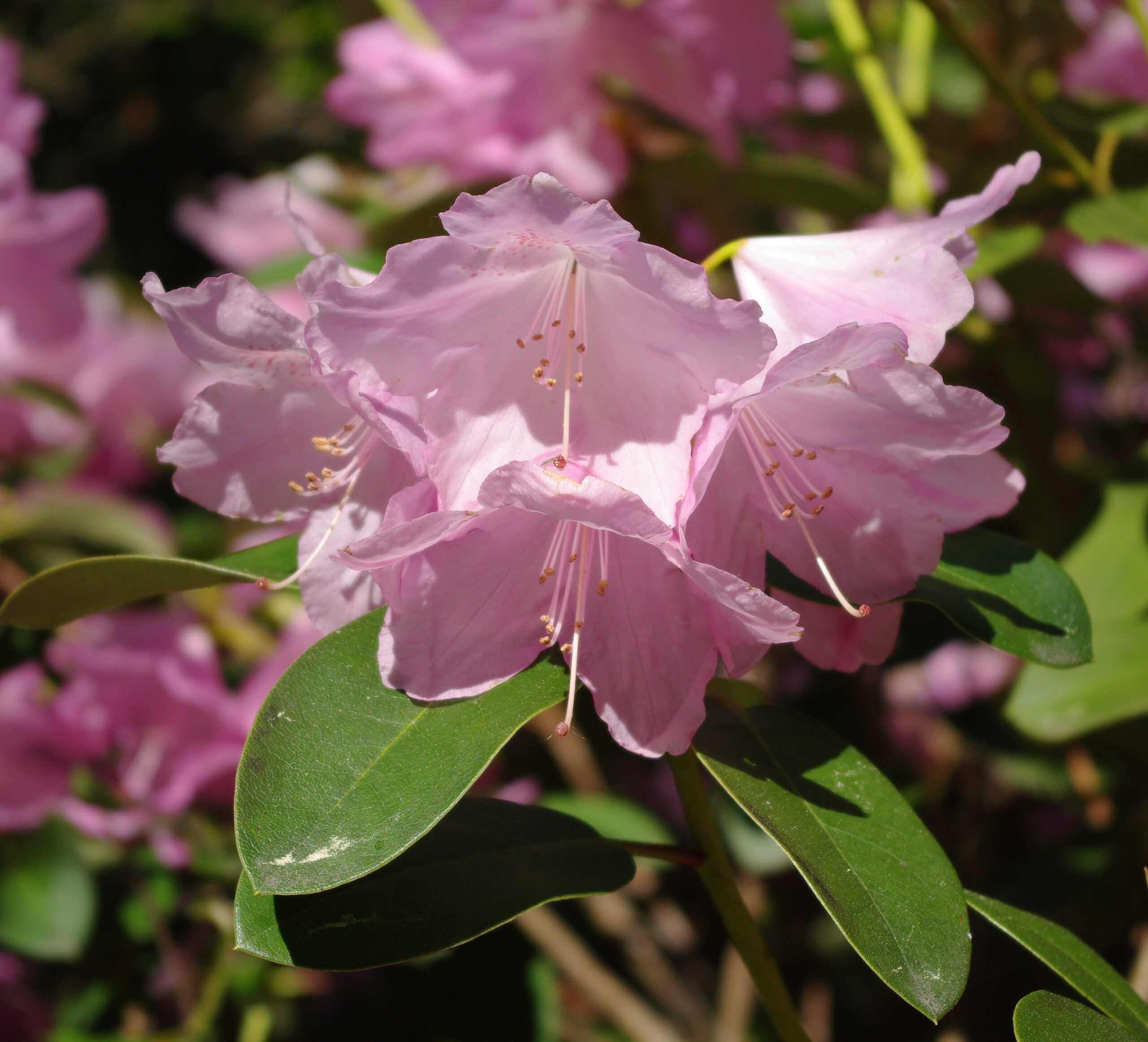
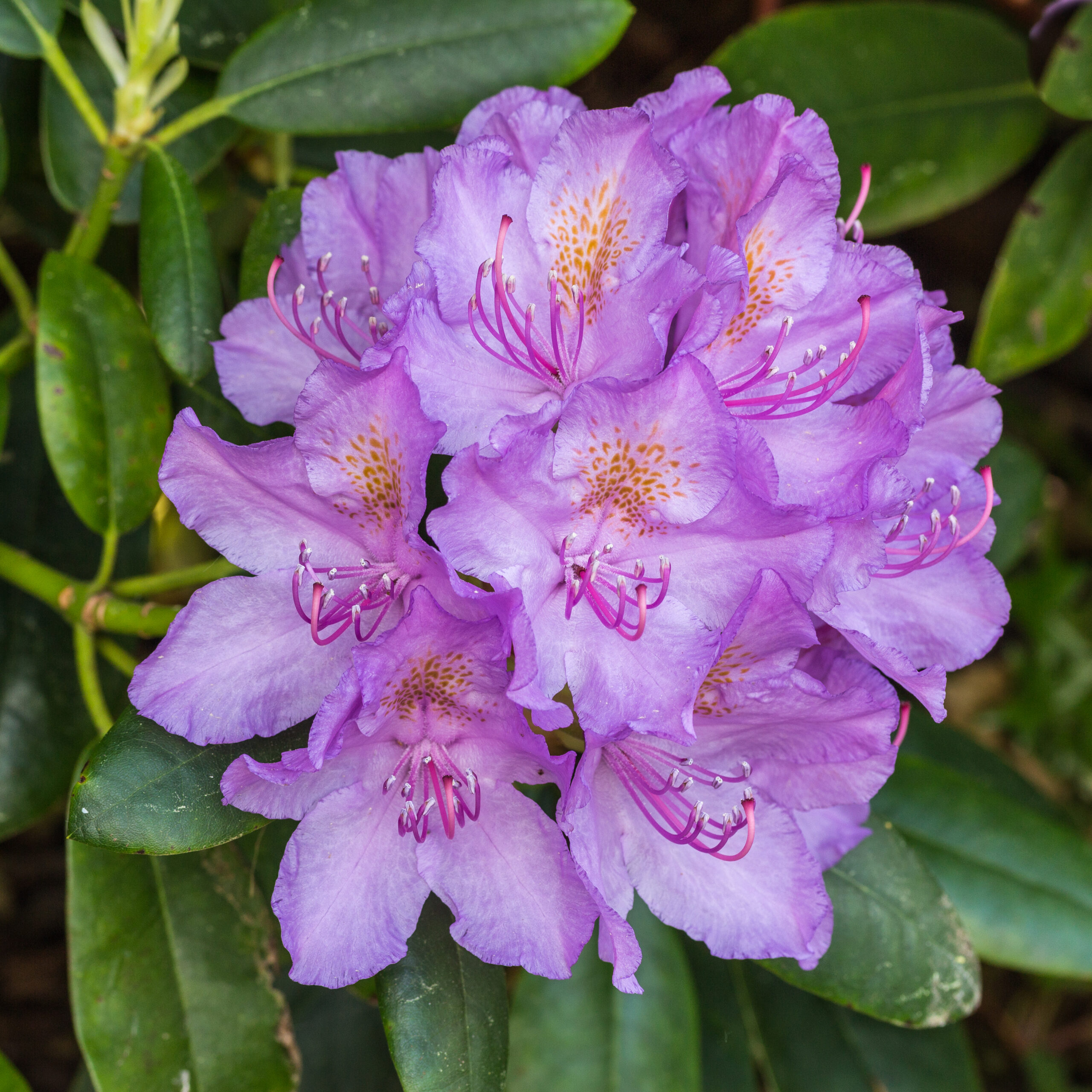
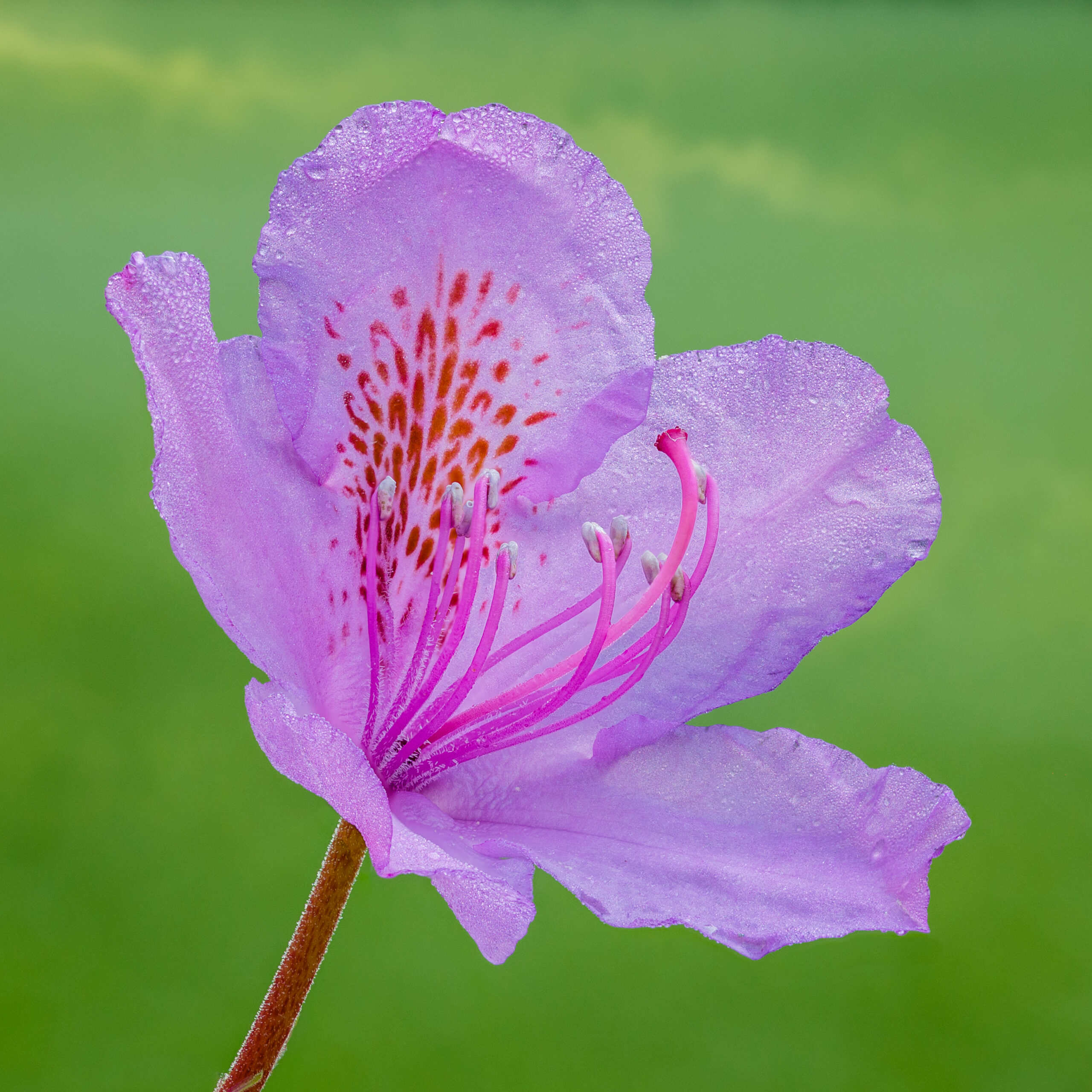
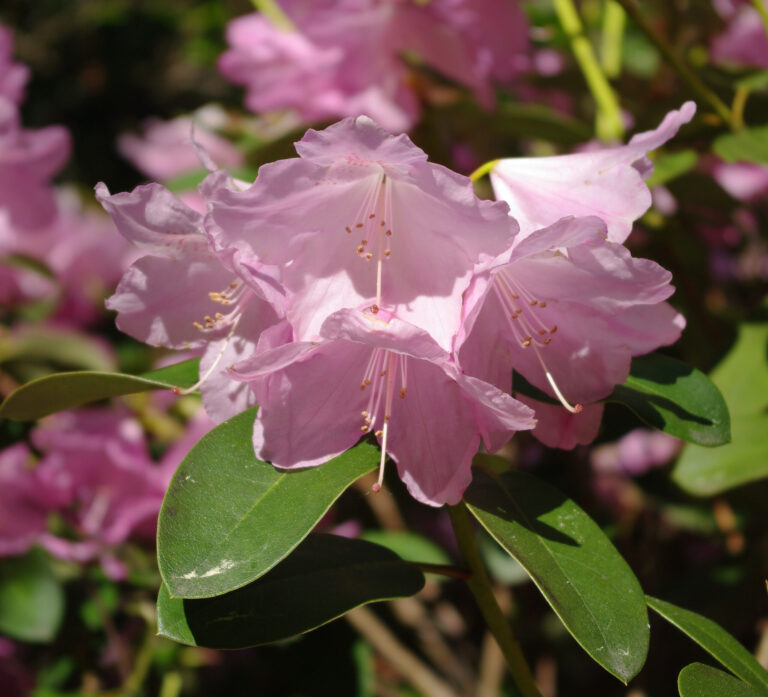
With its magnificent flower clusters in white, pink, red, purple, or yellow, rhododendron is one of the most spectacular flowering shrubs you can grow. For this Asian beauty to bloom abundantly year after year, a few basic needs must be met. This comprehensive guide covers everything about location, planting, pruning, and proper care.
The Right Location for Rhododendron
Rhododendrons are woodland plants that love partially shaded spots beneath open tree canopies. They tolerate full sun only if the soil stays sufficiently moist. Deep shade results in sparse flowering. A wind-sheltered spot is ideal, especially for evergreen varieties. Never plant rhododendrons in frost pockets, as late frosts can destroy the flower buds.
The decisive factor for success is the soil: rhododendrons need acidic soil with a pH between 4.5 and 5.5. In alkaline soils, they cannot absorb nutrients and become stunted. Use specialized rhododendron soil, or generously mix the excavated soil with pine bark humus and pine needle litter.
Planting Rhododendron
Plant rhododendrons in spring or early autumn. The planting hole should be about three times as wide and twice as deep as the root ball. Fill it with rhododendron soil or a mix of pine bark humus, leaf compost, and a little sand. Position the plant so that the root ball sits about 2 cm above ground level — rhododendrons are shallow-rooted and should never be planted too deep. Water thoroughly after planting and cover the root zone with bark mulch.
Care Throughout the Season
Rhododendrons need consistently moist soil. Water with lime-free water during dry spells — rainwater is ideal, since tap water is often too high in lime. Fertilize in spring after flowering with a specialized rhododendron fertilizer. A second, lighter feeding can follow in June. Avoid regular garden fertilizer, as it contains too much lime.
Carefully remove spent flower clusters by hand. Snap or cut them off just below the flower base, taking care not to damage the new growth buds underneath. This encourages fresh growth and prevents seed formation, which would otherwise sap the plant’s energy unnecessarily.


This article may contain affiliate links. If you purchase a product through one of these links, Plantgecko may earn a commission at no extra cost to you. This never influences our editorial independence or which products we recommend.