Propagating Plants by Division: When and How It Works
The Simplest Propagation Method
Division is the simplest, fastest, and safest method of plant propagation. It works on any plant that grows in clumps or forms rhizomes. One large plant becomes two or more in minutes — no waiting around for roots to form.
Which Plants Can Be Divided?
- Ferns: Nephrolepis (Boston fern), Adiantum (maidenhair fern) — any clump-forming fern
- Spider Plant (Chlorophytum): The classic example, practically indestructible when divided
- Calathea / Maranta: Form rhizomes that separate easily
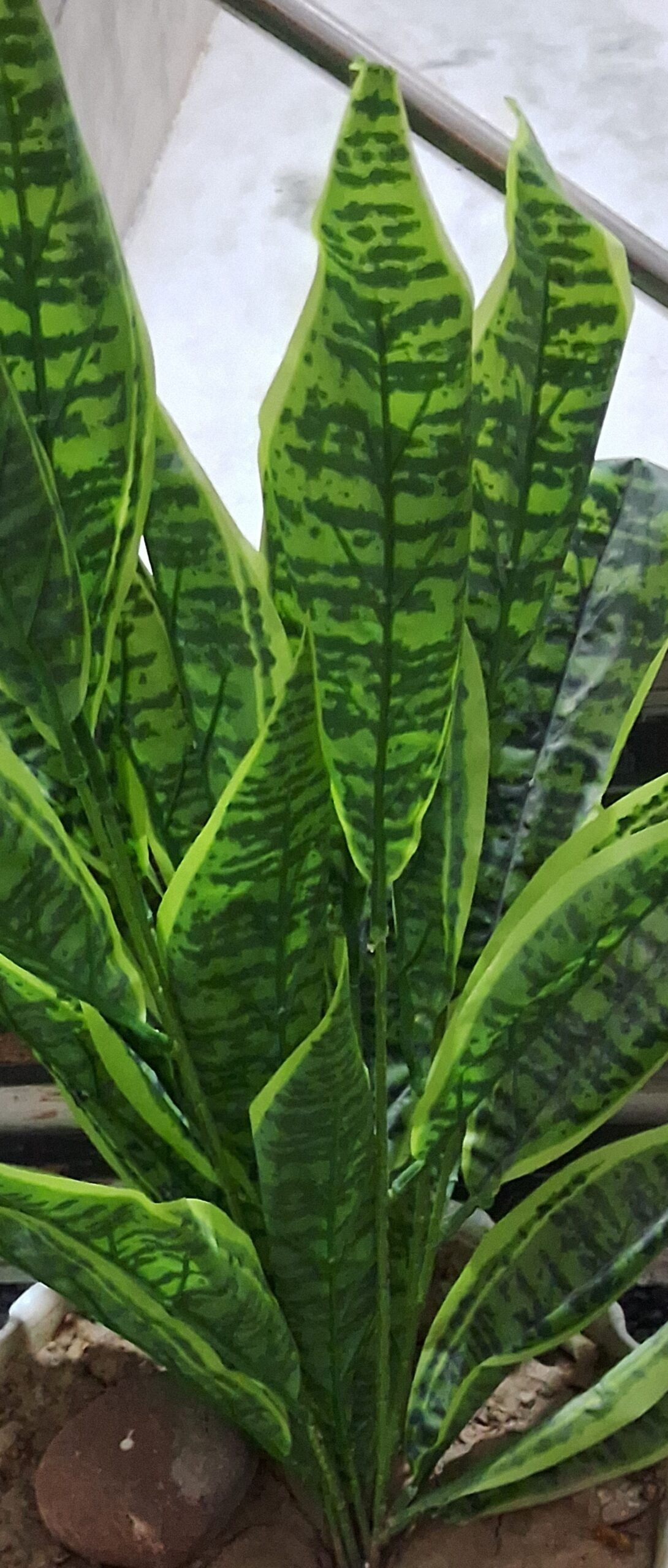
- Snake Plant (Sansevieria): Rhizomes can be cut apart easily
- ZZ Plant (Zamioculcas): Divide the tuberous rhizomes
- Grass-like plants: Umbrella papyrus, indoor bamboo
- Peace Lily (Spathiphyllum): Multiple plants in one pot can be separated
The Best Time to Divide
The ideal time is spring, right when you’re repotting. That way you combine two care tasks at once, and the plant has the entire growing season ahead of it to recover. In an emergency (for example, root rot affecting part of the plant), it’s possible at other times too, but recovery will take longer.
Step-by-Step Instructions
- Remove the plant from its pot: Take it out carefully and shake off excess soil
- Find natural division points: The plant usually shows natural break points between sections. Rhizomes have thickened areas where you can separate them
- Divide it: Use a sharp, disinfected knife, or carefully pull the sections apart by hand. Each section should have at least 2–3 healthy shoots and its own roots
- Check the roots: Remove any brown or mushy roots, and trim healthy roots back slightly (this stimulates new growth)
- Pot it up: Place each section in its own pot with fresh potting mix. Don’t choose a pot that’s too large — the plant needs to fill it with roots first
- Water and aftercare: Water thoroughly, and keep in a partially shaded spot for 1–2 weeks
The Trick with Root Mass
After dividing, the ratio of roots to foliage is thrown off balance — the plant now has fewer roots but the same amount of leaf mass. The solution: trim large leaves back by about half, or reduce the number of leaves. This reduces water loss through the leaves and gives the roots time to grow back.
For dividing, you’ll need a fresh pot for each new section — ideally with good drainage holes and a size that suits the section’s current root mass. Don’t forget a layer of expanded clay pebbles at the bottom for drainage!