Aphids on Houseplants: How to Identify, Prevent, and Get Rid of Them
They’re tiny, they multiply explosively, and they can ruin your plants within just a few weeks: aphids. Whether on houseplants, the balcony, or in the garden, aphids are among the most common plant pests. In this guide, you’ll learn how to recognize aphids, fight them effectively, and prevent them from coming back.
Recognizing Aphids: What They Look Like
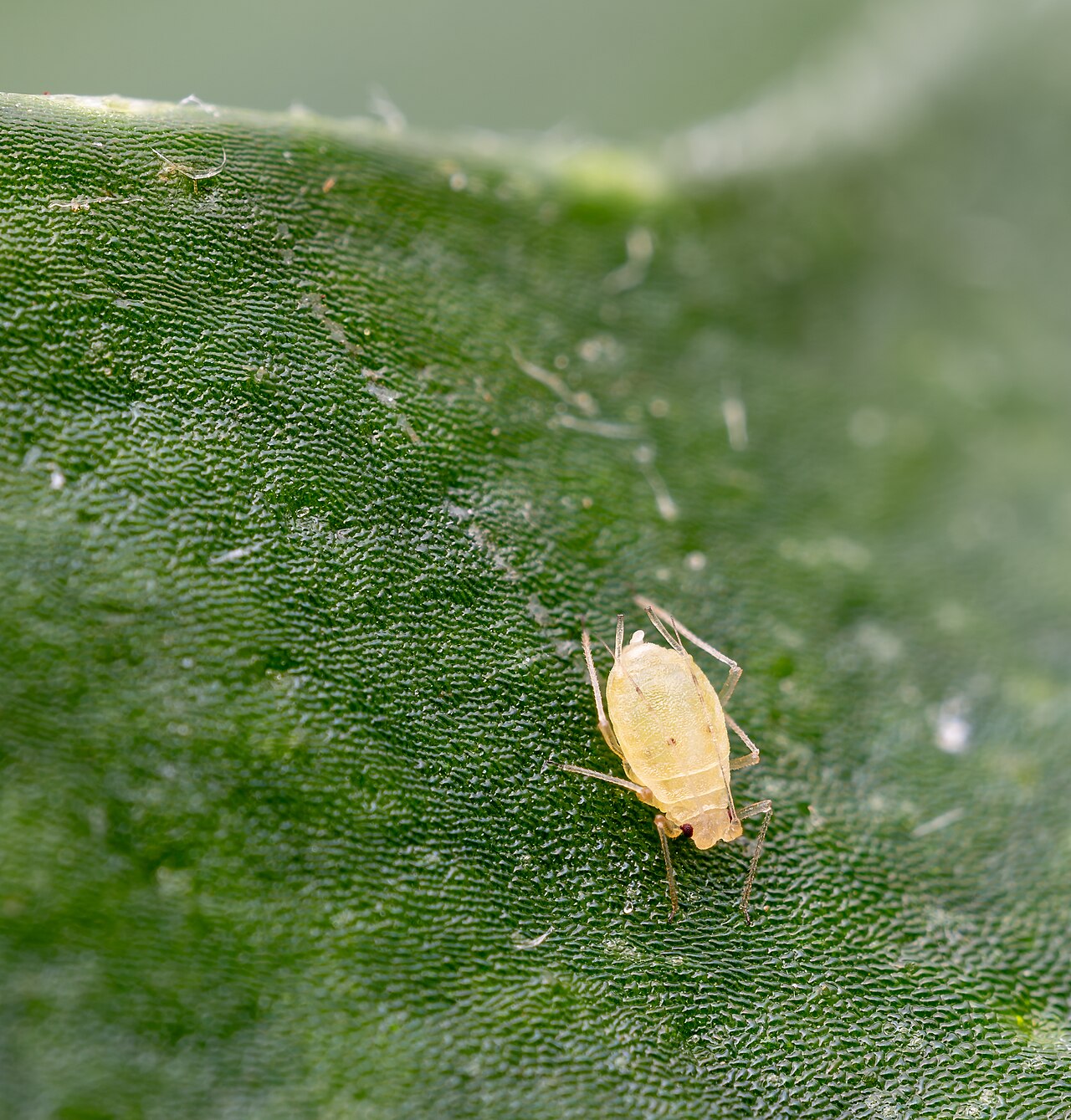
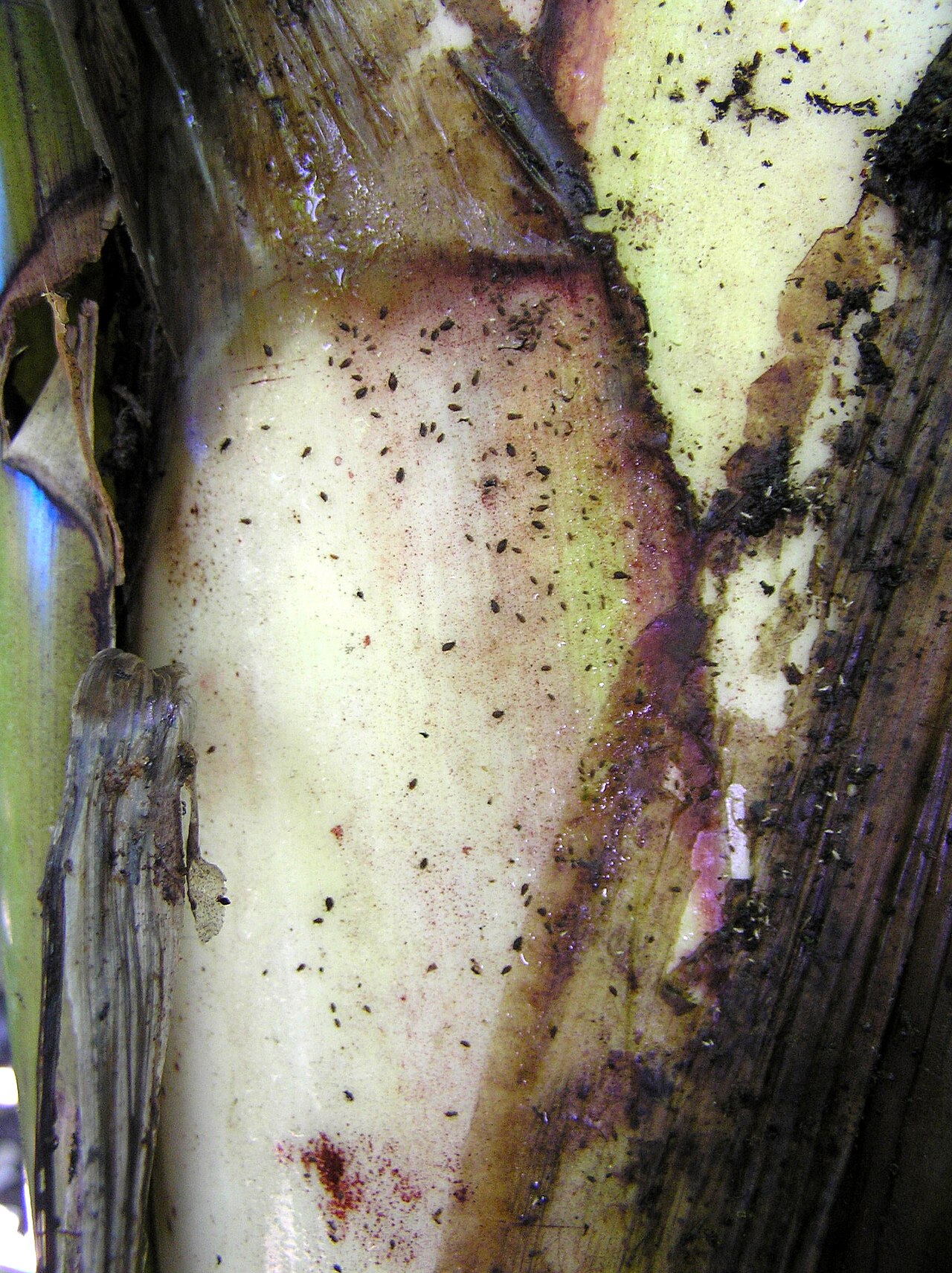
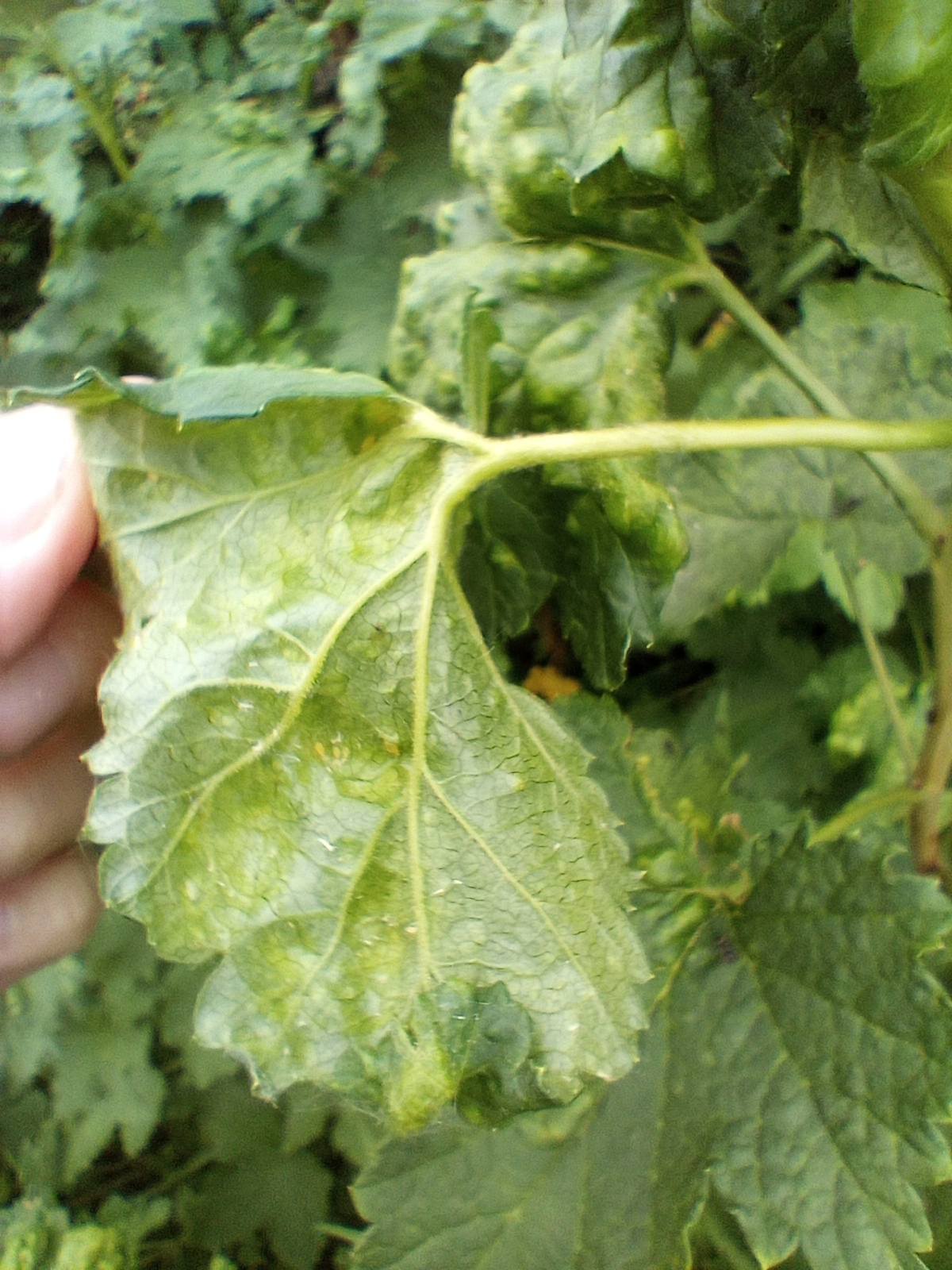
Aphids (Aphidoidea) are tiny insects, only 1–4 mm long, in green, black, yellow, or reddish coloring. They usually sit in dense colonies on young shoots, buds, and the undersides of leaves. They’re easy to spot with the naked eye — especially once hundreds of them have gathered on a single leaf.
Typical signs of an aphid infestation:
- Curled, deformed leaves: Young shoots in particular become misshapen.
- Sticky residue (honeydew): A shiny, sugary film on the leaves.
- Sooty mold: A black coating that grows on the honeydew.
- Ant trails: Ants “milk” aphids and feed on their honeydew — wherever ants are climbing on your plants, aphids are usually nearby.
- Yellow, wilting leaves: Aphids drain the plant’s sap, causing leaves to turn yellow.
The Best Ways to Fight Them
1. Mechanical Removal
For a light infestation, it’s often enough to spray the aphids off with a strong jet of water (only on sturdy plants!) or wipe them off with your fingers. A damp paper towel also works well.
2. Soapy Water
The most tried-and-true home remedy: dissolve 1–2 tablespoons of pure soft soap or potassium soap in 1 liter of water and spray the plant thoroughly. The soap clogs the aphids’ breathing pores. Rinse off with clean water after 2–3 hours. Repeat after 3–4 days.
3. Neem Oil
Neem oil is a plant-based insecticide derived from the neem tree. It works by inhibiting feeding and molting, preventing the larvae from developing into adult aphids. Mix 5 ml of neem oil with 1 liter of water and a dash of dish soap (as an emulsifier), then spray the plant.
4. Ladybugs and Lacewing Larvae
The natural enemies of the aphid! Ladybug larvae eat up to 50 aphids a day. You can buy these beneficial insects and release them in the garden or on the balcony. Not very practical indoors, but an eco-friendly solution for the balcony.
5. Stinging Nettle Infusion
A tried-and-true organic home remedy: soak 100 g of fresh stinging nettles in 1 liter of water for 24 hours, strain, and spray the plant with the liquid. The bitter compounds drive the aphids away.
Prevention: Keeping Your Plants Aphid-Free
- Regular inspection: Check the undersides of leaves and young shoots once a week.
- Increase humidity: Aphids love dry, warm air. Misting the leaves regularly makes conditions unpleasant for them.
- Healthy plants: Well-fed, vigorous plants are more resistant. But be careful: too much nitrogen makes plant tissue soft and especially attractive to aphids!
- Companion planting: Lavender, thyme, and nasturtiums planted among your plants help keep aphids away.
This article may contain affiliate links. If you purchase a product through one of these links, Plantgecko may earn a commission at no extra cost to you. This never influences our editorial independence or which products we recommend.