Thyme Planting and Care: The Complete Guide to This Aromatic Mediterranean Herb
Introduction
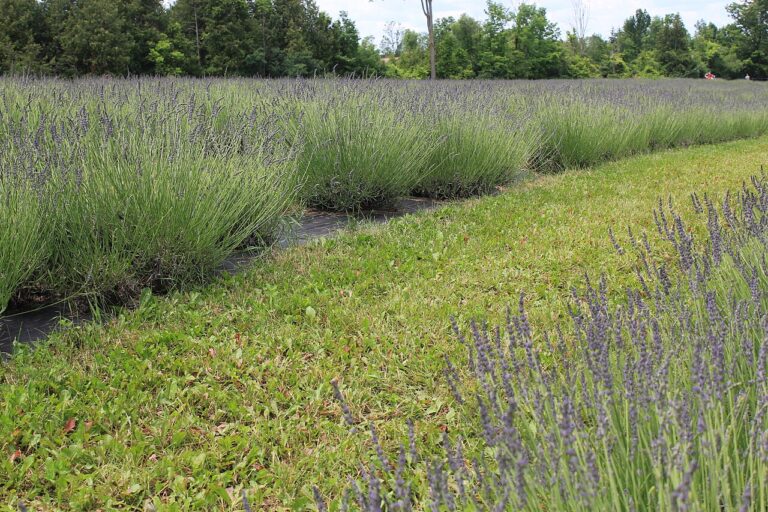
Photo: Naturpuur (CC BY 4.0, Wikimedia Commons)
Photo: Netha Hussain (CC BY-SA 4.0, Wikimedia Commons)
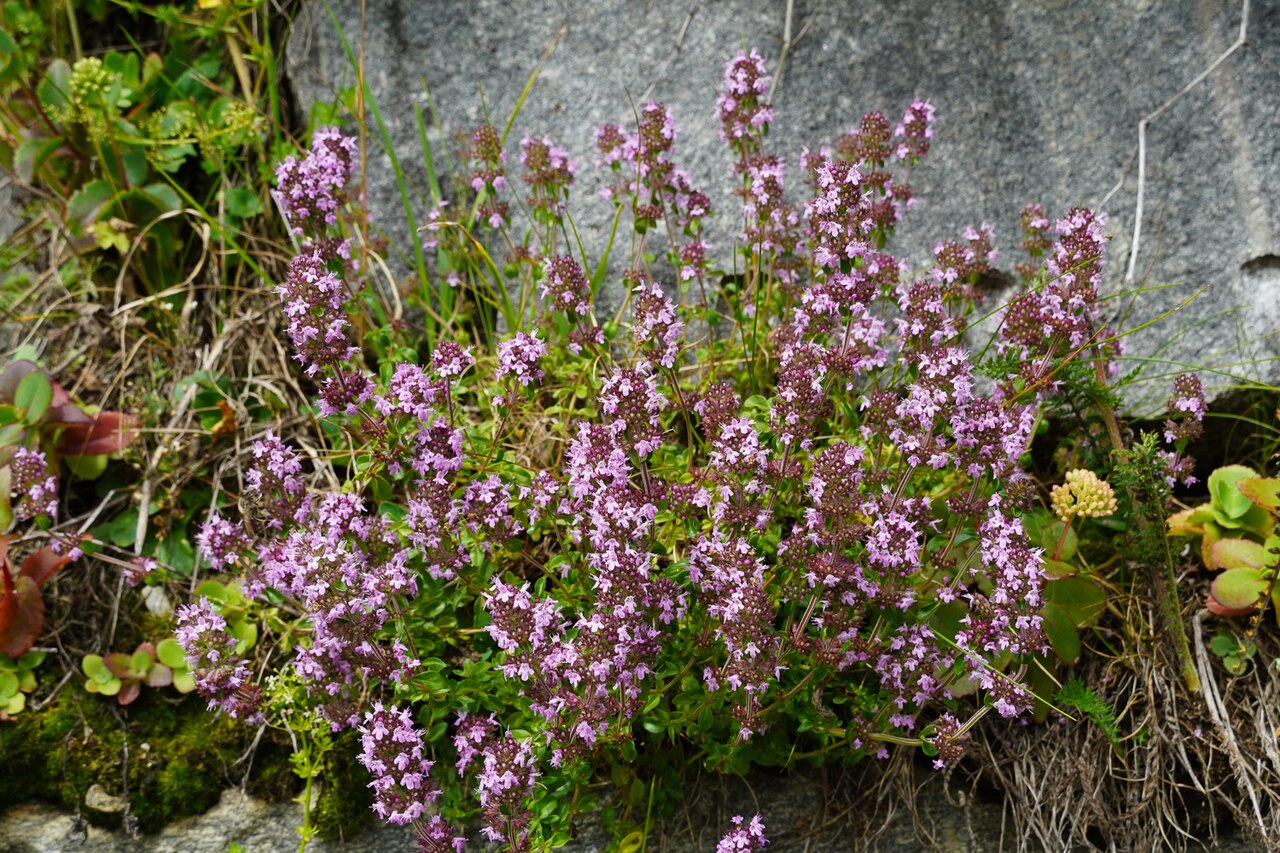
Photo: Dr. Jan Hinrichs-Berger, LTZ Augustenberg Referat 33 Karlsruhe (CC BY-SA 4.0, Wikimedia Commons)
Thyme (Thymus vulgaris) is a true multitasker in the herb garden. As an essential seasoning in Mediterranean and French cooking, it enhances stews, meat dishes, and vegetable pans. It’s also a time-honored medicinal herb — its essential oil, thymol, has expectorant, antibacterial, and anti-inflammatory properties. This easy-care, winter-hardy perennial with its tiny, aromatic leaves belongs in every garden and on every balcony. This guide covers everything you need to know about choosing varieties, sowing, care, and harvesting.
Thyme Varieties: More Diversity Than You’d Think.
Who This Is For
Beyond classic common thyme, there are many fascinating variations with different aromas and growth habits:
Common thyme (Thymus vulgaris): The all-rounder with a spicy, peppery aroma. Grows upright to about 40 cm. Ideal for bouquet garni and meat dishes.
Lemon thyme (Thymus citriodorus): Fresh citrus notes, perfect with fish, poultry, and in summer salads. Somewhat more frost-sensitive than common thyme.
Orange thyme (Thymus fragrantissimus): An intense orange aroma — wonderful in desserts, teas, and with lamb.
Caraway thyme (Thymus herba-barona): A spicy caraway flavor, traditionally paired with game and cheese. Low-growing and ideal as ground cover.
Wild thyme (Thymus serpyllum): A ground-covering, flower-rich wild form. Milder in flavor, but an excellent plant for bees and a good lawn substitute.
Buying Criteria
Sowing and Planting: Getting Off to the Right Start
Thyme is a light-dependent germinator and needs warmth to sprout. Follow these steps for successful sowing:
Timing: Start indoors on a windowsill from March, or sow directly outdoors from May.
Substrate: Use lean seed-starting soil with about 30% sand. Overly rich soil inhibits germination.
Sowing: Scatter seeds on top of the soil and press lightly — do not cover them, since thyme needs light to germinate.
Germination temperature: 18-22°C. Germination takes 10-21 days. Keep the soil evenly moist but not wet.
Thinning: Once seedlings reach 3-4 cm, thin them to a spacing of 5-10 cm.
Product/Option Categories
Transplanting: After the last spring frosts (mid-May), plant out into beds or pots with about 25 cm spacing.
Alternatively, young thyme plants from a nursery save 6-8 weeks of lead time and are often sturdier than homegrown seedlings.
Care: Location, Watering, and Pruning
Location: Thyme loves full sun — the more it gets, the more intense its aroma. The soil must be well-drained, on the lean side, and contain some lime. Improve heavy soils with sand, gravel, and a bit of lime. Soil pH: 6.5-8.0.
Watering: Thyme is extremely drought-tolerant. Water only during prolonged dry spells in midsummer. In pots, water once the soil has completely dried out. Waterlogging is enemy number one — it can cause root rot within days.
Trade-offs
Fertilizing: Thyme is a light feeder. A single application of compost in spring is enough. In pots, apply a heavily diluted liquid fertilizer every 6 weeks. Over-fertilized thyme grows leggy, loses aroma, and becomes more frost-sensitive.
The right pruning: Pruning is the key to compact, healthy growth:
Spring (March/April): Cut back firmly by about a third, but not into old wood. This stimulates fresh growth.
After flowering (July/August): Shorten spent shoots by half. This encourages bushy growth and a smaller second bloom.
Before winter: Trim only lightly — no hard pruning this late in the season.
Disclosure
This article may contain affiliate links. If you purchase a product through one of these links, Plantgecko may earn a commission at no extra cost to you. This never influences our editorial independence or which products we recommend.
| Product | Best For | Price | |
|---|---|---|---|
| lean seed-starting soil | Top Pick | Check price | View |
| liquid fertilizer | Budget Alternative | Check price | View |
Recommendation Framework
Harvesting and Preserving
Thyme can be harvested year-round — even in winter from sheltered plants. The best time to harvest, however, is just before flowering in June, when essential oil content peaks. Harvest on a sunny morning.
Drying: Hang whole sprigs upside down in an airy, dark spot. After 1-2 weeks, strip the leaves and store them in dark, airtight jars. Dried thyme keeps for about a year but gradually loses aroma.
Freezing: Freeze washed, dry sprigs in freezer bags. Use them straight from frozen when cooking. Freezing preserves the aroma better than drying.
In oil or vinegar: Steep fresh thyme sprigs in olive oil or white wine vinegar. After two weeks you’ll have a delicious infused oil for salads and cooking.
Conclusion
Thyme as a Medicinal Herb
Thyme has been valued as a medicinal plant since antiquity. Its essential oil, thymol, has strong antibacterial, antiviral, and expectorant properties. A strong thyme tea (1 teaspoon of dried thyme steeped in 250 ml of boiling water for 10 minutes) can help with:
Coughs and bronchitis (expectorant)
Sore throat and hoarseness (antibacterial)
Digestive complaints (antispasmodic)
Bad breath and gum inflammation (as a mouth rinse)
Thyme is winter-hardy and perennial. With minimal care, it will reward you with years of aromatic harvests and is an indispensable staple herb for any kitchen garden.