Caring for Cacti: Watering, Light, and Overwintering
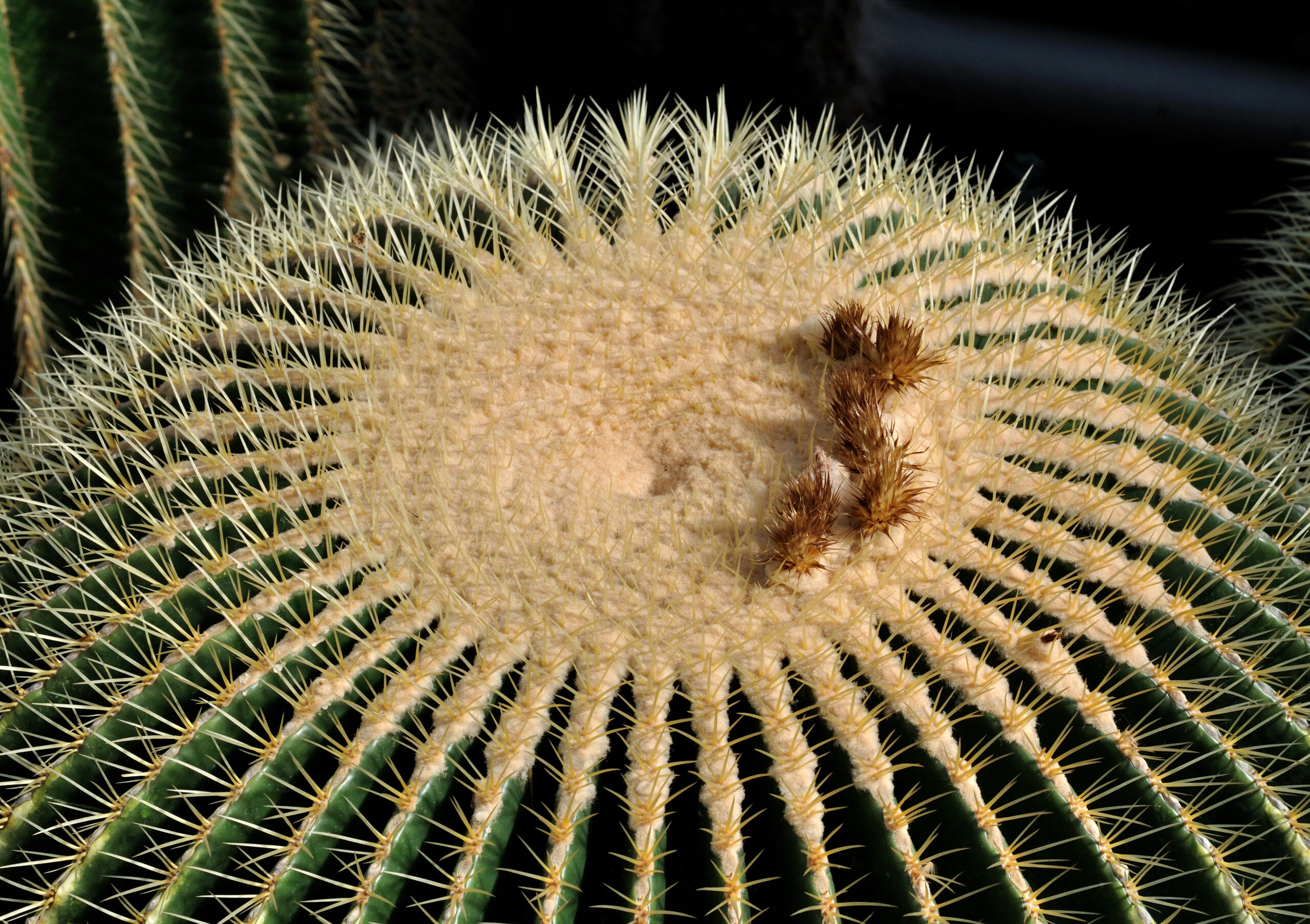
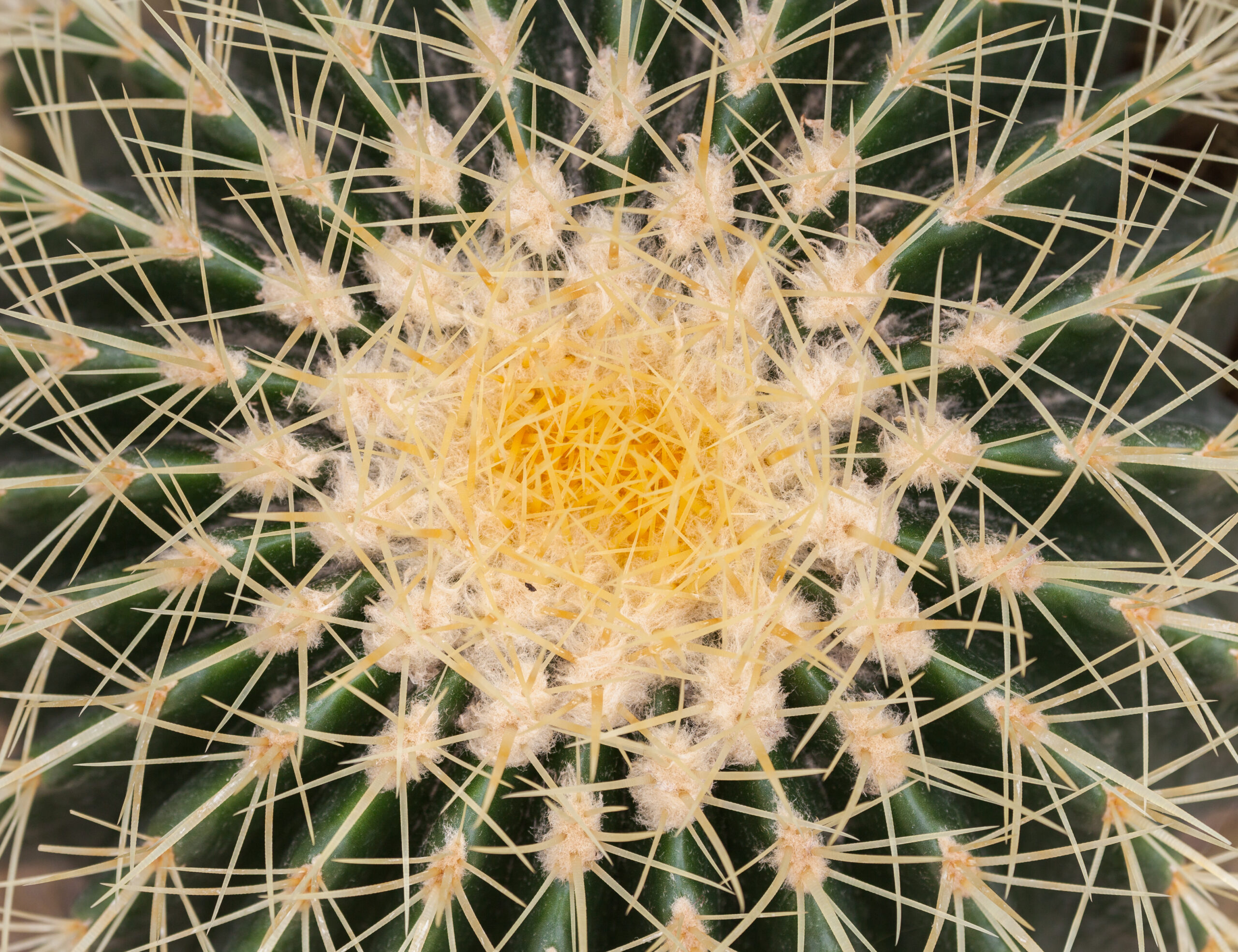
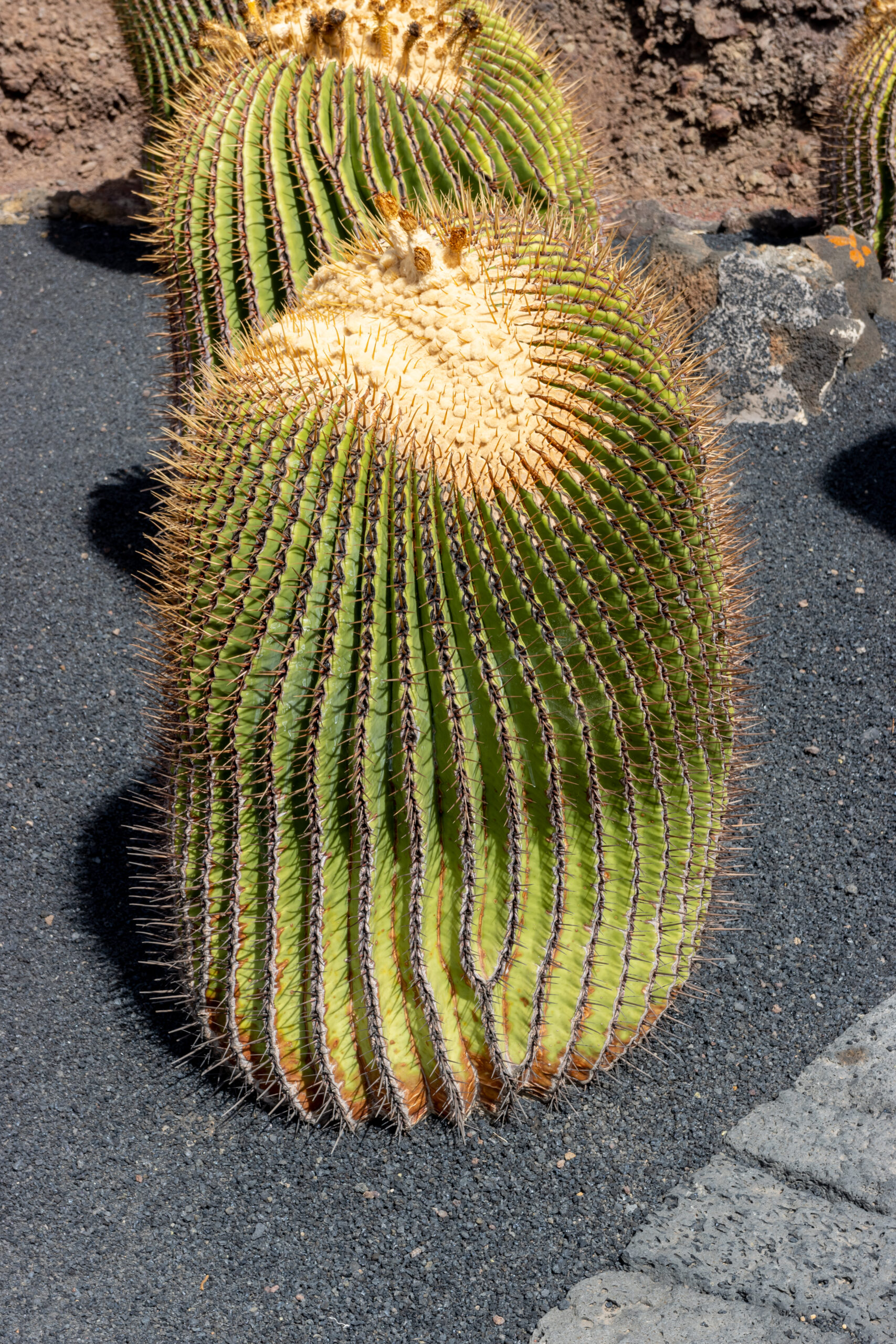
Cacti have a reputation as nearly indestructible houseplants, and while they are certainly low-maintenance, they still have specific needs rooted in their native desert and semi-desert habitats. Understanding how cacti experience light, water, and seasonal temperature changes is the key to keeping them healthy and, for many species, getting them to flower.
Light and Location
Most cacti need as much bright light as possible, ideally several hours of direct sun each day. A south- or west-facing windowsill is usually the best spot indoors. Plants that don’t get enough light often become pale, stretched, or lean noticeably toward the light source, a condition called etiolation, and they rarely flower under low light. When moving a cactus outdoors for summer or into a much sunnier window, acclimate it gradually over one to two weeks to avoid sunburn, which shows up as brown or white scarring on the skin.
Watering
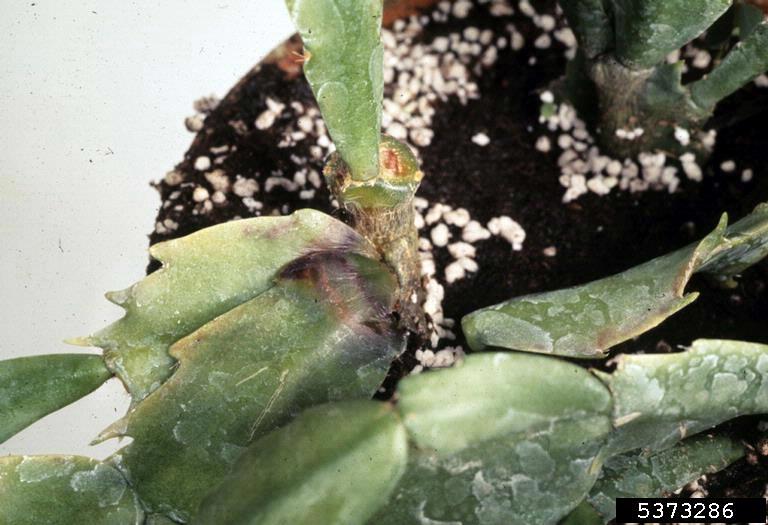
The single most common way to kill a cactus is overwatering. During the active growing season, spring through early fall, water thoroughly but infrequently, letting the soil dry out completely between waterings. Always use a pot with drainage holes and a fast-draining, mineral-based cactus or succulent mix so water doesn’t linger around the roots. Soft, discolored, or mushy patches on the stem are a warning sign of rot, usually caused by soil that stays wet too long.
Overwintering
Many popular cacti, including most desert species, benefit from a cool, dry winter rest period that mimics conditions in their native habitat. From roughly late fall through late winter, move plants to a cool but frost-free spot, around 45 to 55°F (7 to 13°C), such as an unheated room, cool greenhouse, or bright basement window. Reduce watering drastically during this period, often to once a month or even less, just enough to keep the roots from fully desiccating.
This winter rest isn’t just about survival, it’s often essential for flowering. Many cacti need the combination of cool temperatures and a dry spell to set flower buds for the following spring; kept warm and watered year-round, they may grow but never bloom. As temperatures rise and days lengthen in spring, gradually increase watering and move plants back to their bright, warm growing spot.
Soil, Feeding, and Common Issues
- Use a gritty, fast-draining cactus mix, or amend regular potting soil generously with coarse sand, pumice, or perlite.
- Feed sparingly with a low-nitrogen, cactus-specific fertilizer only during active summer growth; skip feeding entirely in winter.
- Watch for mealybugs, which hide in crevices and spines and can be treated with rubbing alcohol on a cotton swab.
- Corky, brown patches that aren’t soft are usually old scar tissue or natural aging rather than disease, and aren’t cause for concern.
With bright light, a disciplined watering schedule, and a proper cool, dry winter rest, cacti are remarkably long-lived plants that can reward patient care with striking flowers year after year.