Climbing Hydrangea (Hydrangea petiolaris): A Shade-Loving Climber for Covering Walls
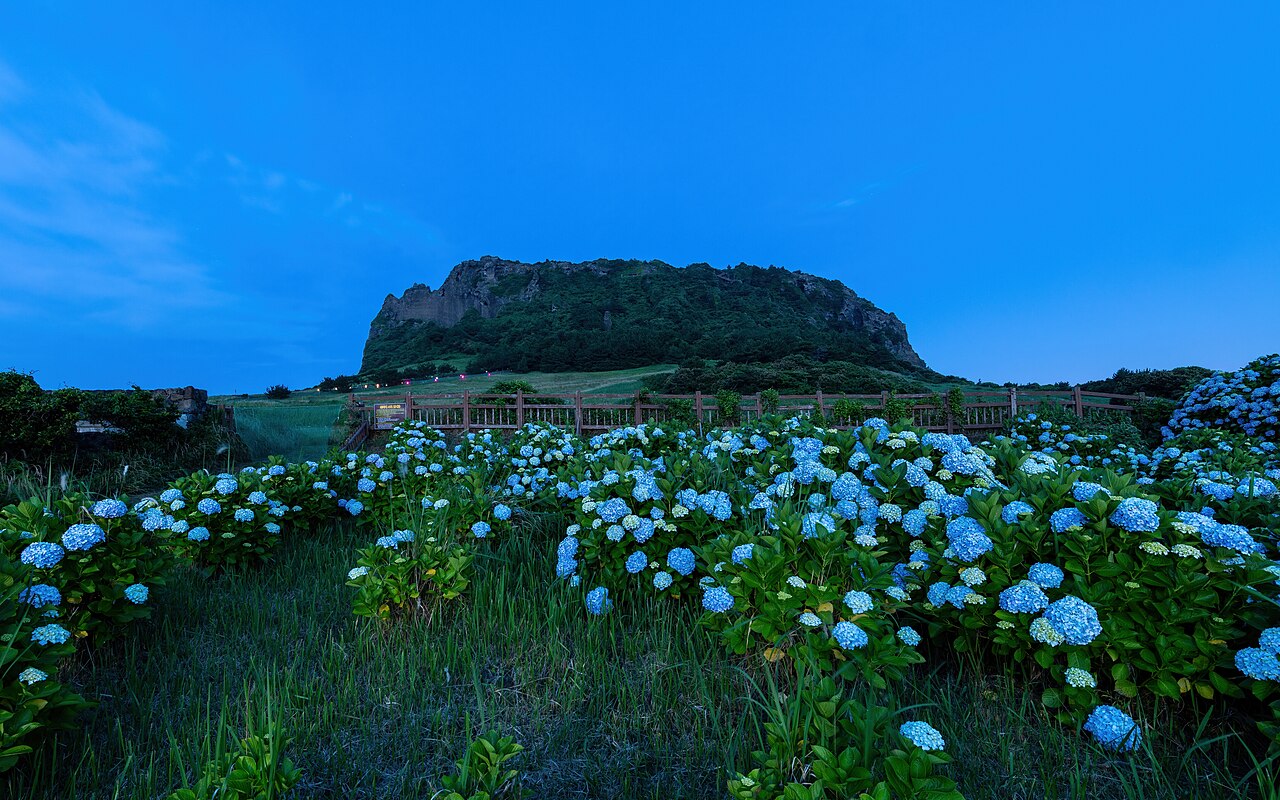
Climbing Hydrangea (Hydrangea petiolaris): A Shade-Loving Climber for Dark Corners
The climbing hydrangea (Hydrangea petiolaris) is the perfect solution for anyone wanting to green a shady house wall, a gloomy corner, or an old tree trunk. Unlike most climbing plants, it gets by with remarkably little light and can transform even shady north-facing walls into lush, green, flowering walls.
The climbing hydrangea comes from the forests of Japan, Korea, and Taiwan, where it grows as a self-clinging climber up tree trunks. In our gardens, it eventually reaches heights of 10 to 15 meters (33–50 feet), though this takes patience. In the first few years it grows rather slowly, then picks up considerably more speed.
How Does the Climbing Hydrangea Climb?
The climbing hydrangea is a self-clinging climber, meaning it needs no trellis or support. It attaches itself directly to rough surfaces such as masonry, rough-cast render, tree bark, or natural stone using small aerial roots. Smooth surfaces should be avoided, however, since the aerial roots find no grip there. A trellis or wire supports can help in such cases.
Location and Soil
The climbing hydrangea’s great strength is its shade tolerance. It thrives beautifully on north-facing walls, in courtyards, and beneath light tree canopies. In full sun, however, it suffers: the leaves scorch and the plant struggles. The soil should be humus-rich, consistently moist, and low in lime (pH 5.5–6.5). It does not tolerate waterlogging.
Planting and Establishment
The best planting time is spring or autumn. The planting hole should be about 50 centimeters (20 inches) from the wall and enriched with rhododendron or hydrangea compost. For the first two to three years, the climbing hydrangea grows mainly below ground, developing its root system — above ground, little seems to happen. This is normal! After that, growth speeds up noticeably.
Important: during establishment, gently guide the young shoots in the desired direction and tie them in as needed. Regular watering during the first few years is essential.
Care and Pruning
The climbing hydrangea is pleasantly low-maintenance. Water during dry spells, since as a former woodland plant it appreciates consistently moist soil. A mulch layer of leaves or bark compost helps retain soil moisture.
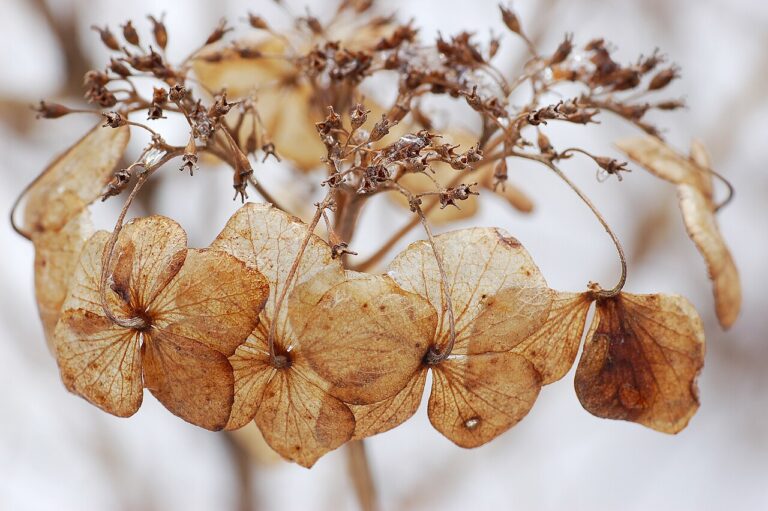
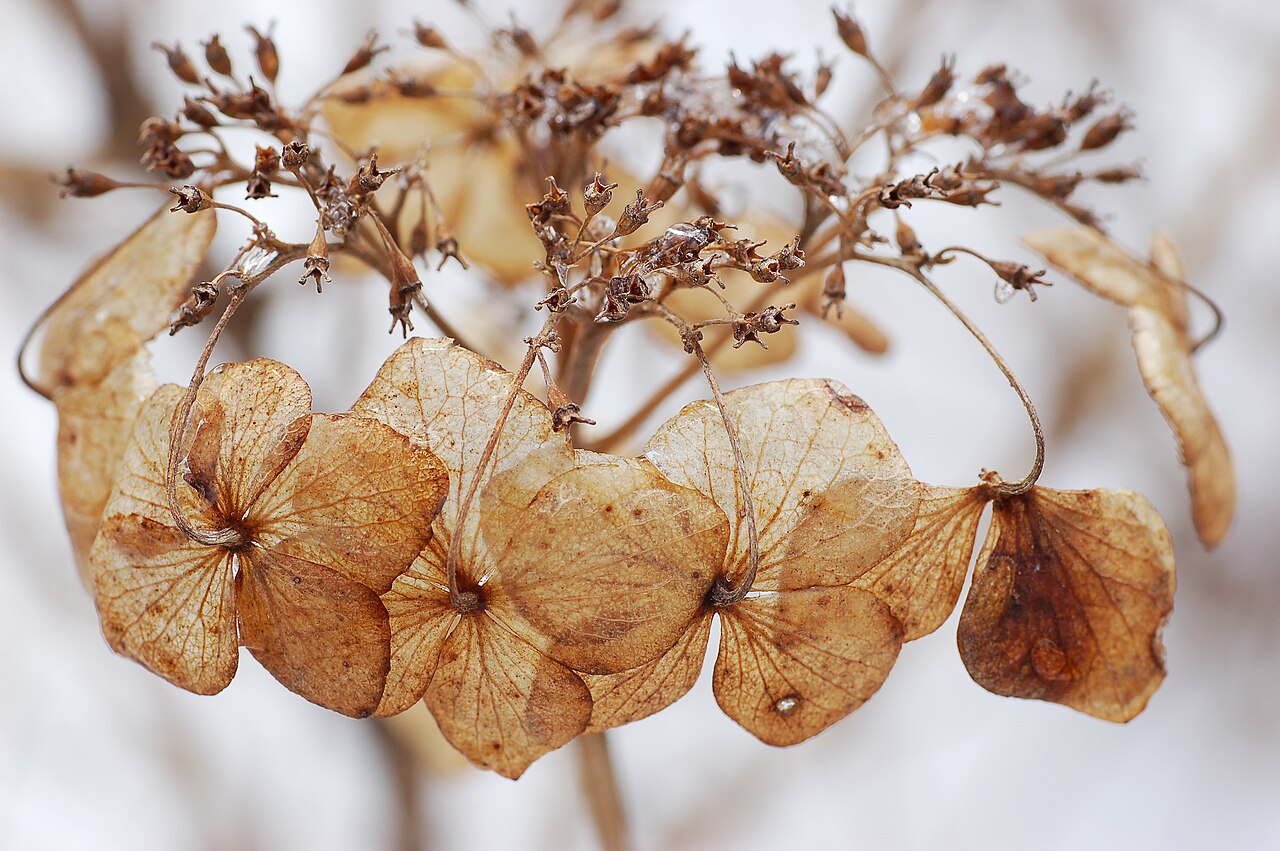
Pruning is usually unnecessary. If the plant grows too large, it can be cut back in early spring; it reliably resprouts. Spent flower heads can be left in place over winter as frost protection and removed in spring.
The Blooms – A Late Reward
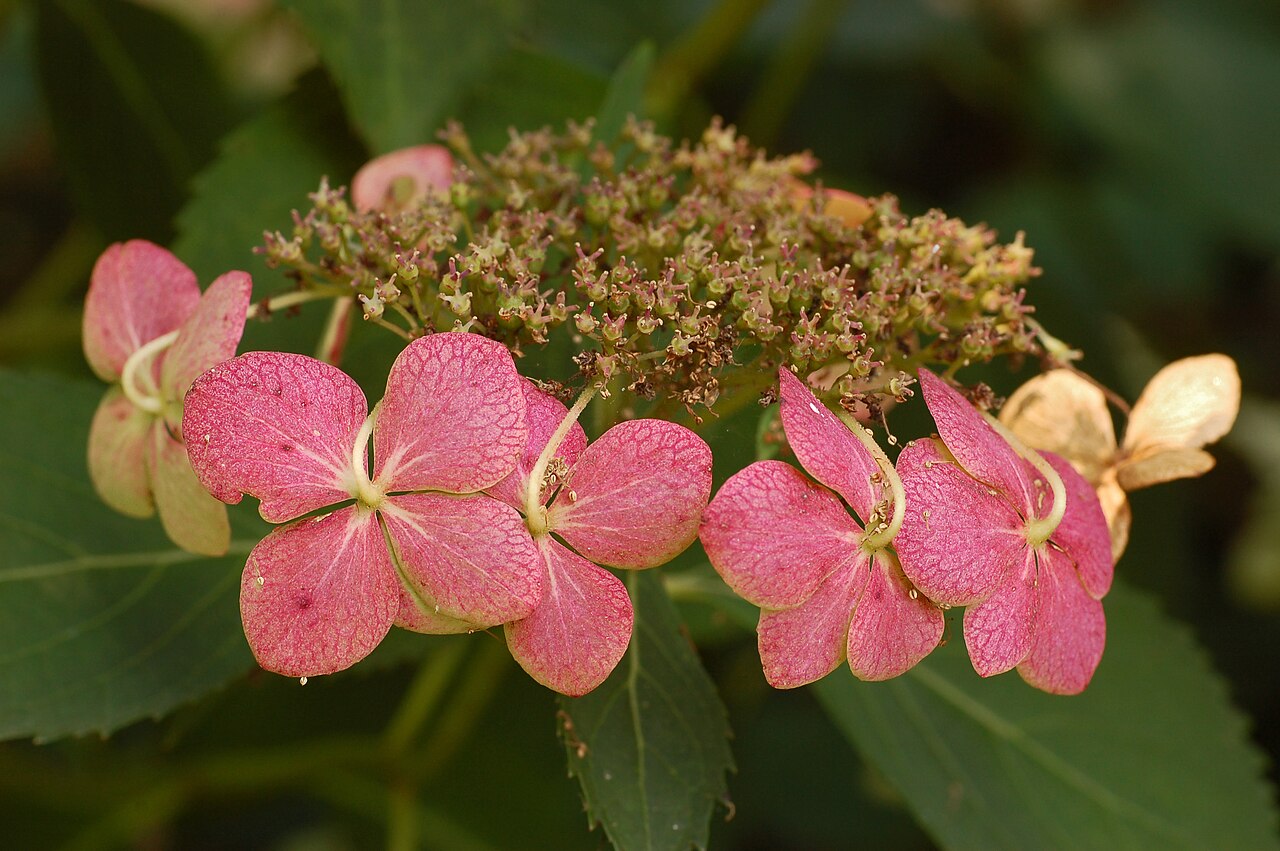
The climbing hydrangea flowers from June to July with large, white, flat-topped clusters resembling shallow plates. The sterile outer florets attract insects, while the fertile inner florets are responsible for seed production. Flowering, however, usually doesn’t begin until the plant has been established for five to eight years — it requires patience. The wait is worthwhile, though: a fully flowering climbing hydrangea, several meters tall, is an unforgettable sight.
Conclusion: The Shade King Among Climbing Plants
For anyone looking for a tough, self-clinging, shade-tolerant climbing plant, the climbing hydrangea is the top choice. It greens even dark north-facing walls, needs almost no maintenance, and rewards you with lush greenery and, after some patience, an elegant summer bloom.
This article may contain affiliate links. If you purchase a product through one of these links, Plantgecko may earn a commission at no extra cost to you. This never influences our editorial independence or which products we recommend.