Cherry Laurel (Prunus laurocerasus) – The Year-Round Privacy Screen
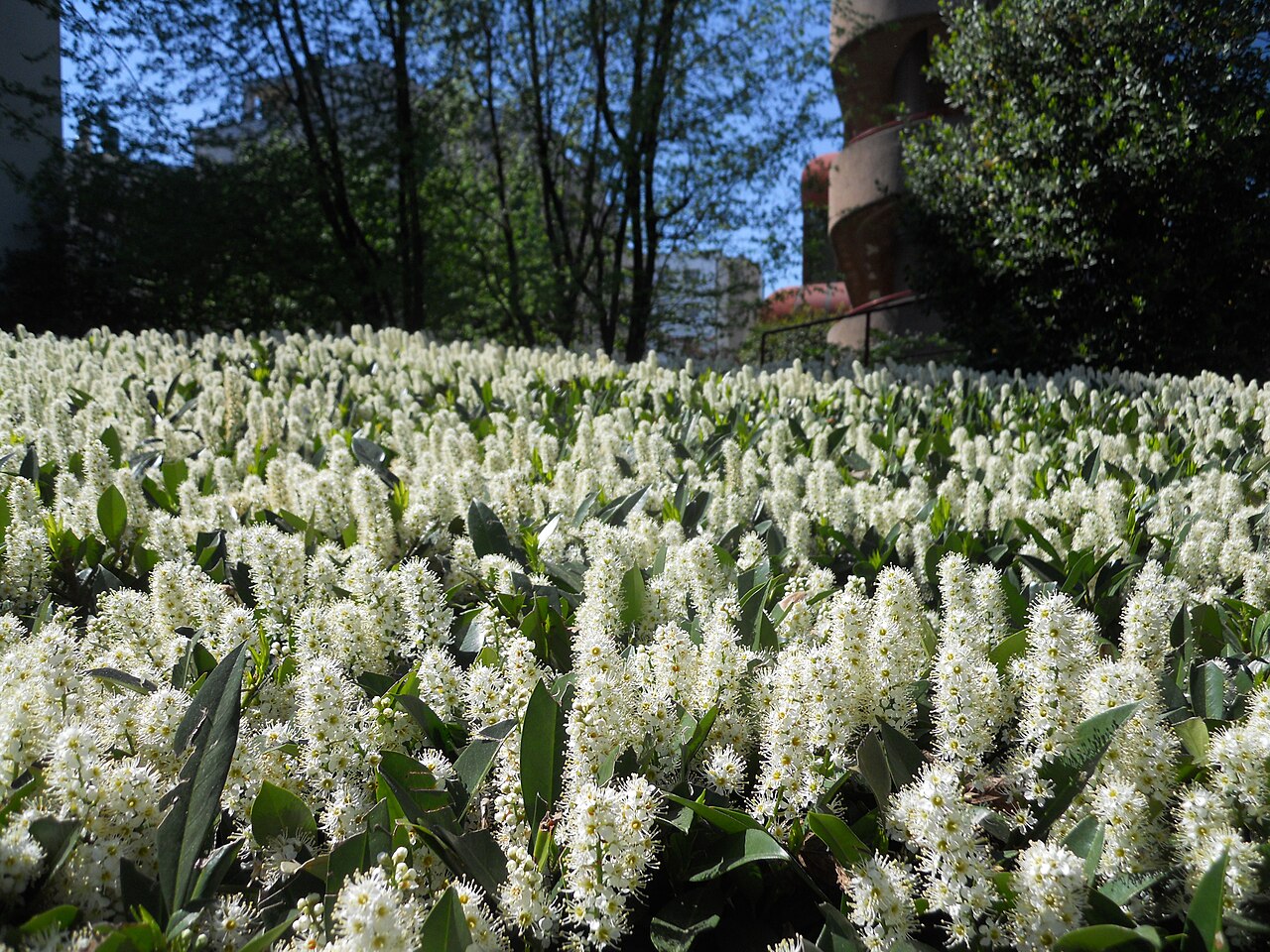
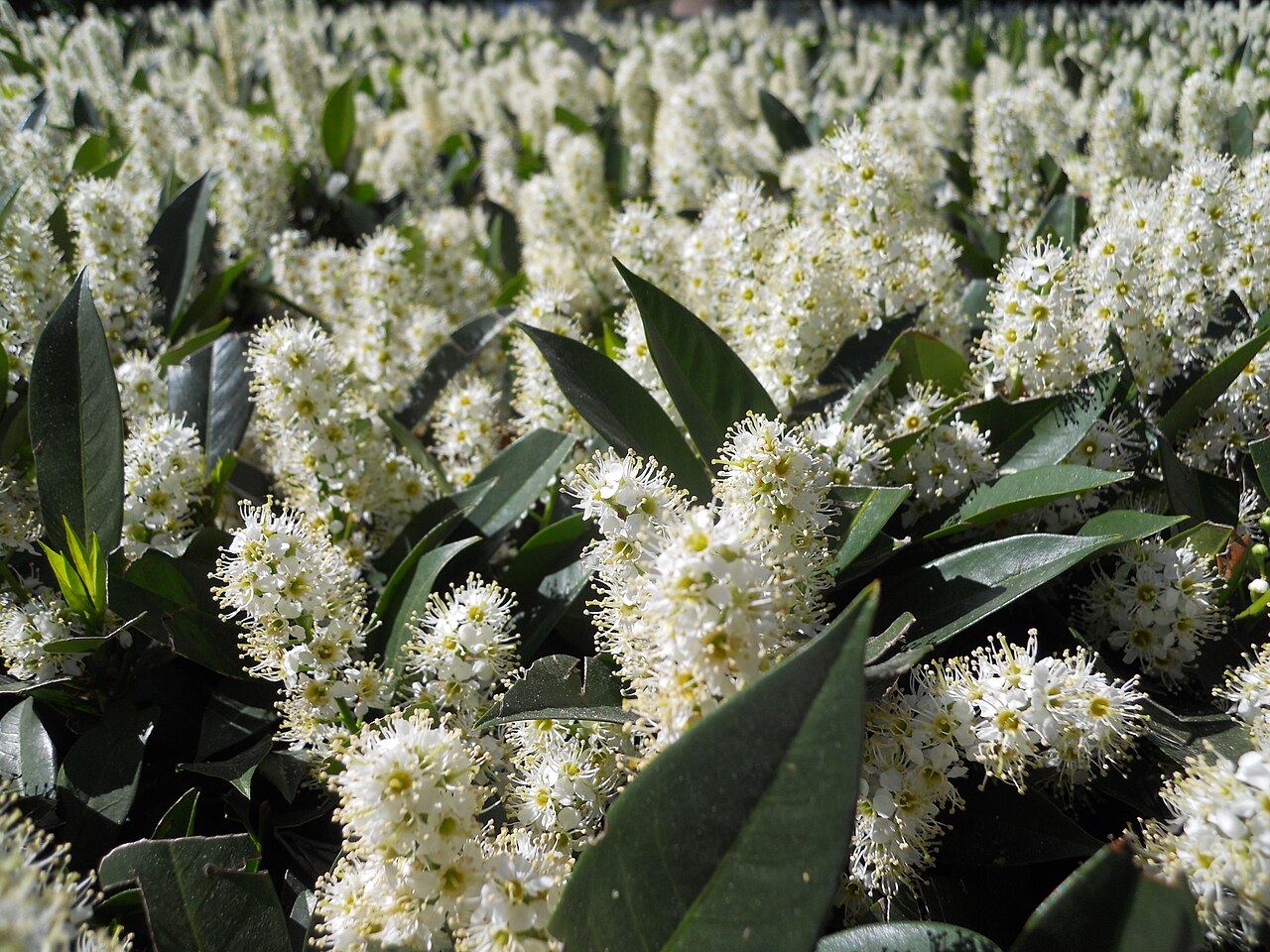
Cherry Laurel (Prunus laurocerasus) – The Year-Round Privacy Screen for the Garden
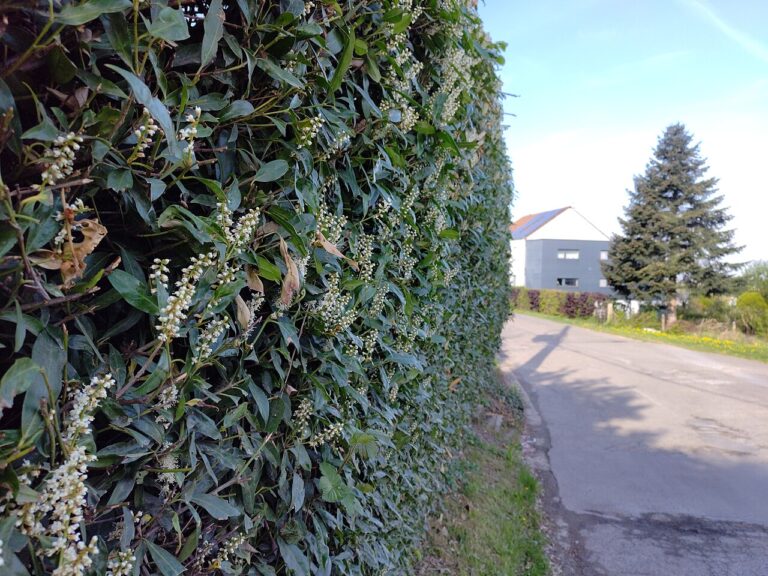
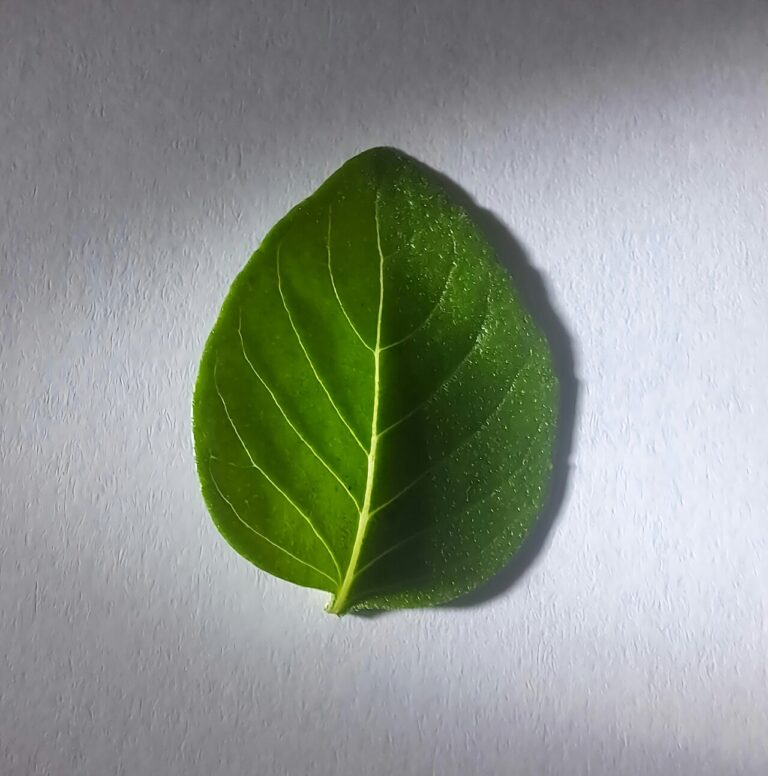
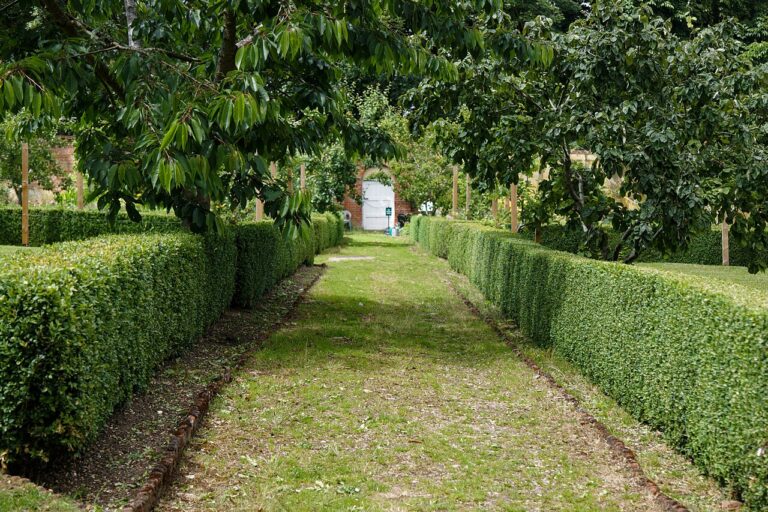
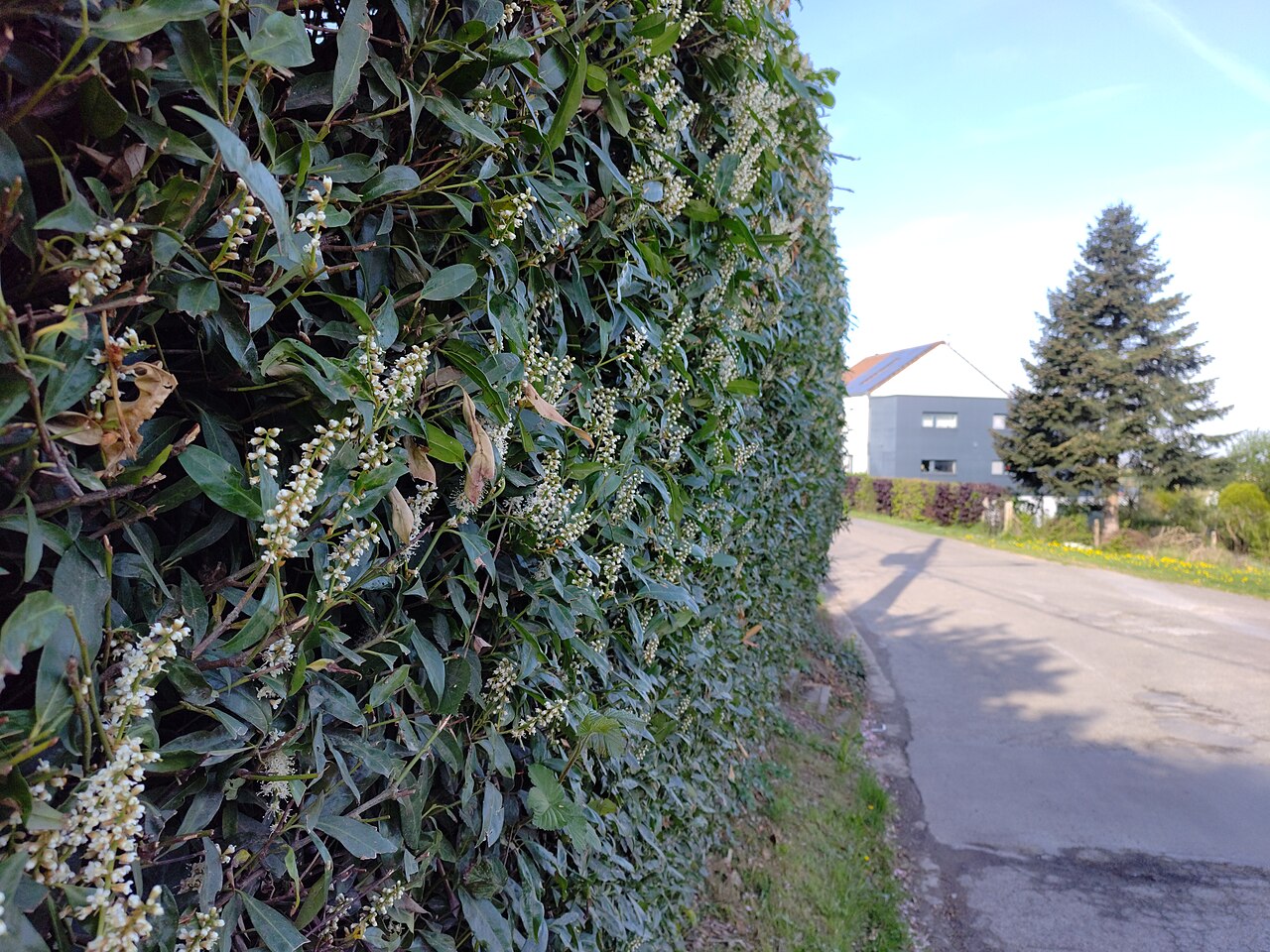
Cherry laurel (Prunus laurocerasus) is one of the most-discussed yet most popular hedge plants in German gardens. With its large, glossy dark-green leaves and dense, bushy growth, it provides a fully opaque privacy screen all year round. Unlike many other hedge plants, it is completely evergreen.
The name “cherry laurel” comes from its cherry-like fruits and laurel-like leaves. Botanically, it is related to neither true cherries nor true laurel — it belongs to the genus Prunus within the rose family. It originally comes from southeastern Europe and Asia Minor.
Location and Soil
Cherry laurel is remarkably tolerant of different locations. It thrives in full sun, partial shade, and even in deep shade beneath trees. In shade it grows a bit slower and more loosely, but still stays healthy. A wind-sheltered spot is beneficial, since the large leaves can suffer in strong winds.
The soil should be humus-rich, nutrient-rich, and consistently moist to fresh. It does not tolerate waterlogging — work sand and compost into heavy soils before planting. Cherry laurel tolerates both acidic and lime-rich soils (pH 5.5–7.5).
Planting and Care
The best planting time is spring or early autumn. Plan on two to three plants per running meter of hedge. The planting hole should be twice as wide as the root ball. Water thoroughly and mulch after planting.
Cherry laurel is undemanding when it comes to care: a single annual application of compost or slow-release fertilizer in spring is sufficient. Water during long dry spells. Pruning is best done in June, after flowering. Cherry laurel tolerates pruning extremely well — even a radical cutback into old wood poses no problem.
Cherry Laurel Varieties
- Prunus laurocerasus ‘Rotundifolia’: The classic hedging variety with large, light-green leaves. Grows 30–50 cm per year and reaches 3–4 m in height.
- Prunus laurocerasus ‘Novita’: Especially winter-hardy, with dark-green foliage. Very robust and tolerant of pruning.
- Prunus laurocerasus ‘Herbergii’: A narrow, upright-growing variety, ideal for narrow hedges. Height: 2–3 m, width only 1–1.5 m.
- Prunus laurocerasus ‘Otto Luyken’: A compact variety, only 1–1.5 m tall. Perfect for low hedges and ground-cover plantings.
- Prunus laurocerasus ‘Etna’: Bronze-colored new growth that turns green later on. Very decorative. Height: 2 m.
Ecological Controversy
Cherry laurel is facing growing criticism from conservationists. As a non-native plant, it offers little food for native insect life. Its leaves decompose slowly and acidify the soil. Where ecological considerations are a priority, native alternatives such as hornbeam, privet, or yew are the better choice. For pure privacy screening and evergreen elegance, however, cherry laurel is hard to beat.
Conclusion
Cherry laurel offers a low-maintenance, year-round, attractive privacy screen that thrives reliably even in difficult, shady locations. Anyone who values ecological diversity should consider alternatives — for everyone else, it’s an outstanding hedge plant.
This article may contain affiliate links. If you purchase a product through one of these links, Plantgecko may earn a commission at no extra cost to you. This never influences our editorial independence or which products we recommend.