When Is the Best Time to Repot? Seasonal Tips for Healthy Plants
Repotting gives a plant’s roots fresh space and renewed soil, but doing it at the wrong time or for the wrong reasons can set a plant back rather than help it. Knowing when a plant actually needs a new pot, and when it’s best left alone, makes repotting far more successful.
The Best Season to Repot
Spring and early summer are the best times to repot most houseplants. This is when plants enter their active growing season, with longer days and more light fueling new root and leaf growth. A plant repotted at this time recovers quickly, since it’s already primed to put out new roots that will fill the fresh soil. Repotting in fall or winter, when growth naturally slows or stops, means the plant sits in damp, disturbed soil for much longer before its roots are active enough to use the extra space, raising the risk of root rot.
If a plant is in genuine distress — for example, roots rotting from a waterlogged pot, or a container that has cracked — repot immediately regardless of season rather than waiting, since the immediate problem outweighs the seasonal preference.
Signs a Plant Needs Repotting
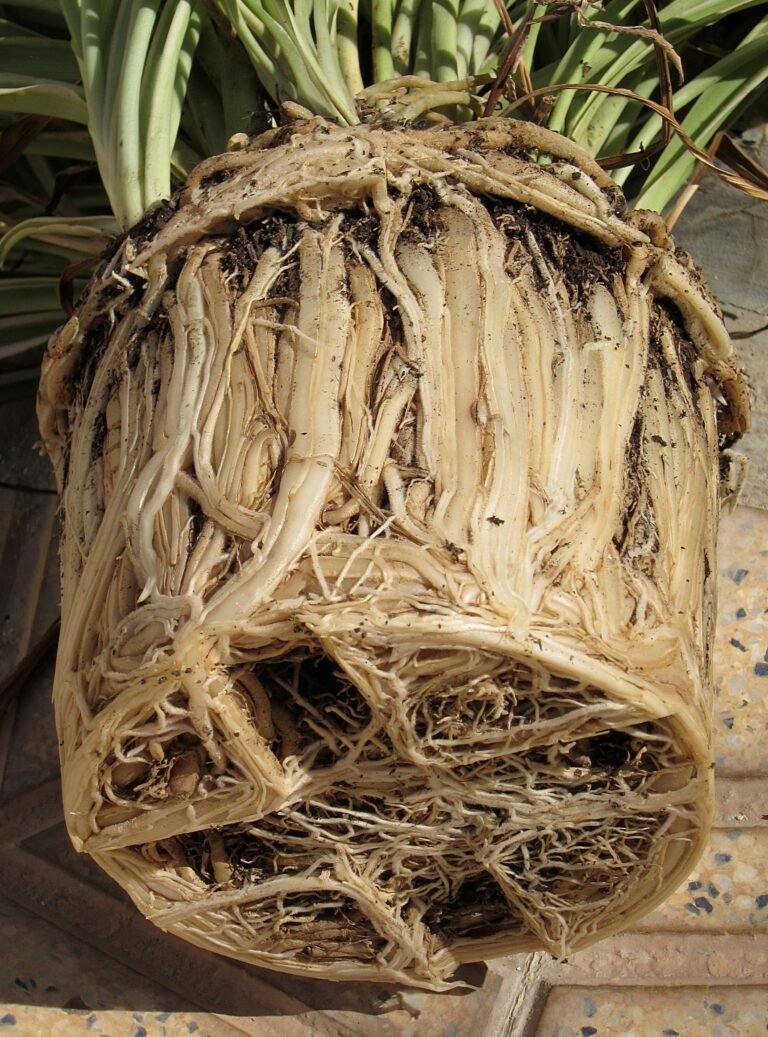
- Roots circling the pot or growing out of the drainage holes: A clear sign the plant is root-bound and has outgrown its container.
- Water runs straight through without being absorbed: Dense root mats leave little soil to hold moisture.
- Slowed growth despite the growing season and adequate light and water: The roots may be too cramped to support new growth.
- The plant dries out unusually fast: Needing water far more often than before often means roots have displaced most of the soil.
- Salt or mineral crust on the soil surface, or old, depleted soil: A sign it’s time to refresh the growing medium even if the pot size is still adequate.
How Often Plants Typically Need Repotting
Fast-growing houseplants like pothos or philodendron often need repotting every 1-2 years, while slow growers such as succulents, cacti, and mature snake plants may go 3-4 years or longer between repottings. Rather than repotting on a fixed schedule, it’s best to check annually in spring for root-bound signs and only repot when they appear.
Tips for a Smooth Repot
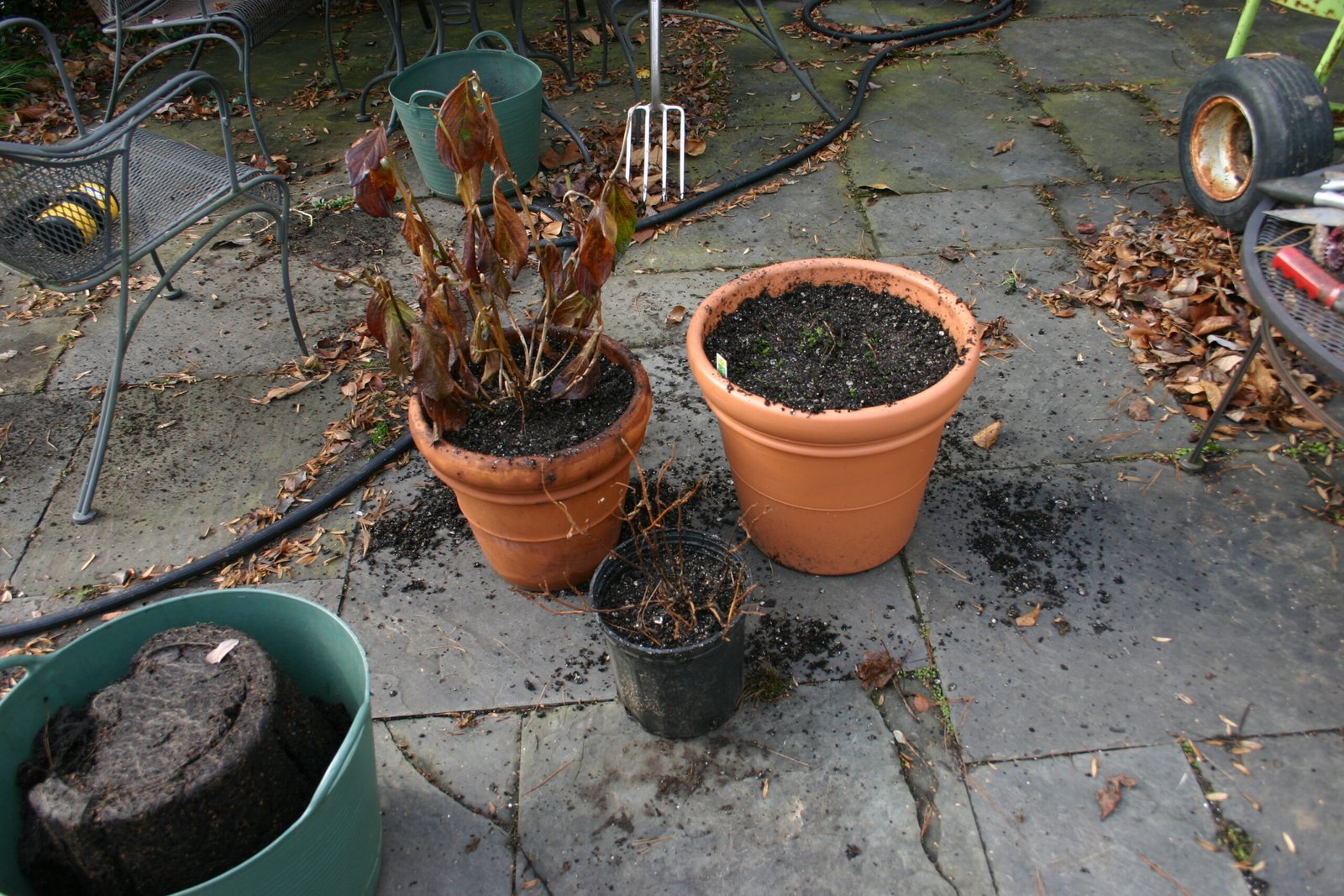
- Choose a new pot only 1-2 inches larger in diameter than the current one — an oversized pot holds excess moisture around the roots and increases the risk of root rot.
- Water the plant a day or two beforehand; a well-hydrated root ball slides out of its pot more easily and suffers less transplant shock.
- Gently loosen circling or matted roots before placing the plant in new soil, so they’re encouraged to grow outward into the fresh mix rather than continuing to circle.
- Use fresh, appropriate potting mix rather than reusing old soil, and ensure the new pot has drainage holes.
- Hold off on fertilizing for 4-6 weeks after repotting to let disturbed roots recover before pushing new growth.
This article may contain affiliate links. If you purchase a product through one of these links, Plantgecko may earn a commission at no extra cost to you. This never influences our editorial independence or which products we recommend.