Pothos Care Guide: The Most Popular Beginner Houseplant
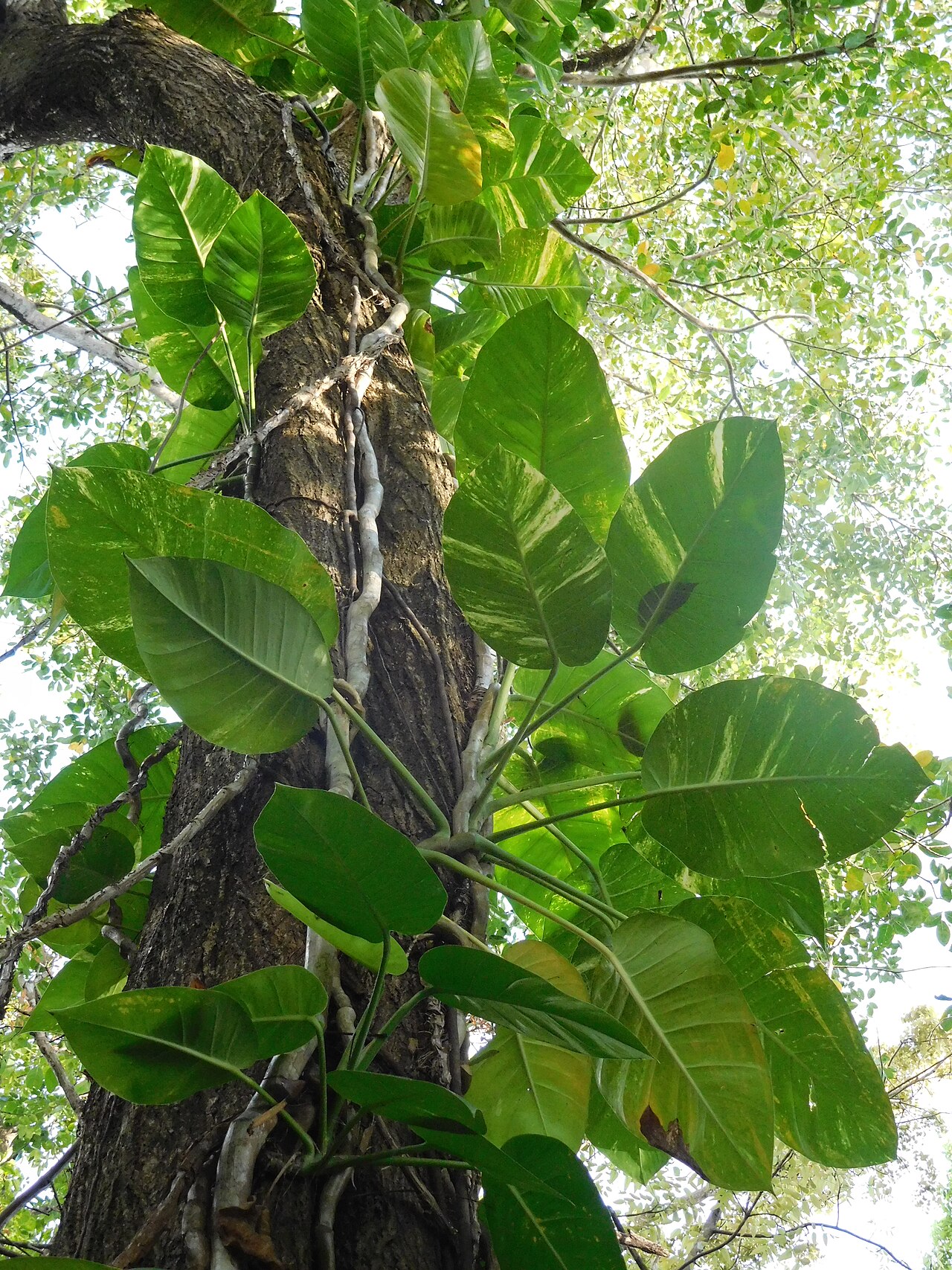
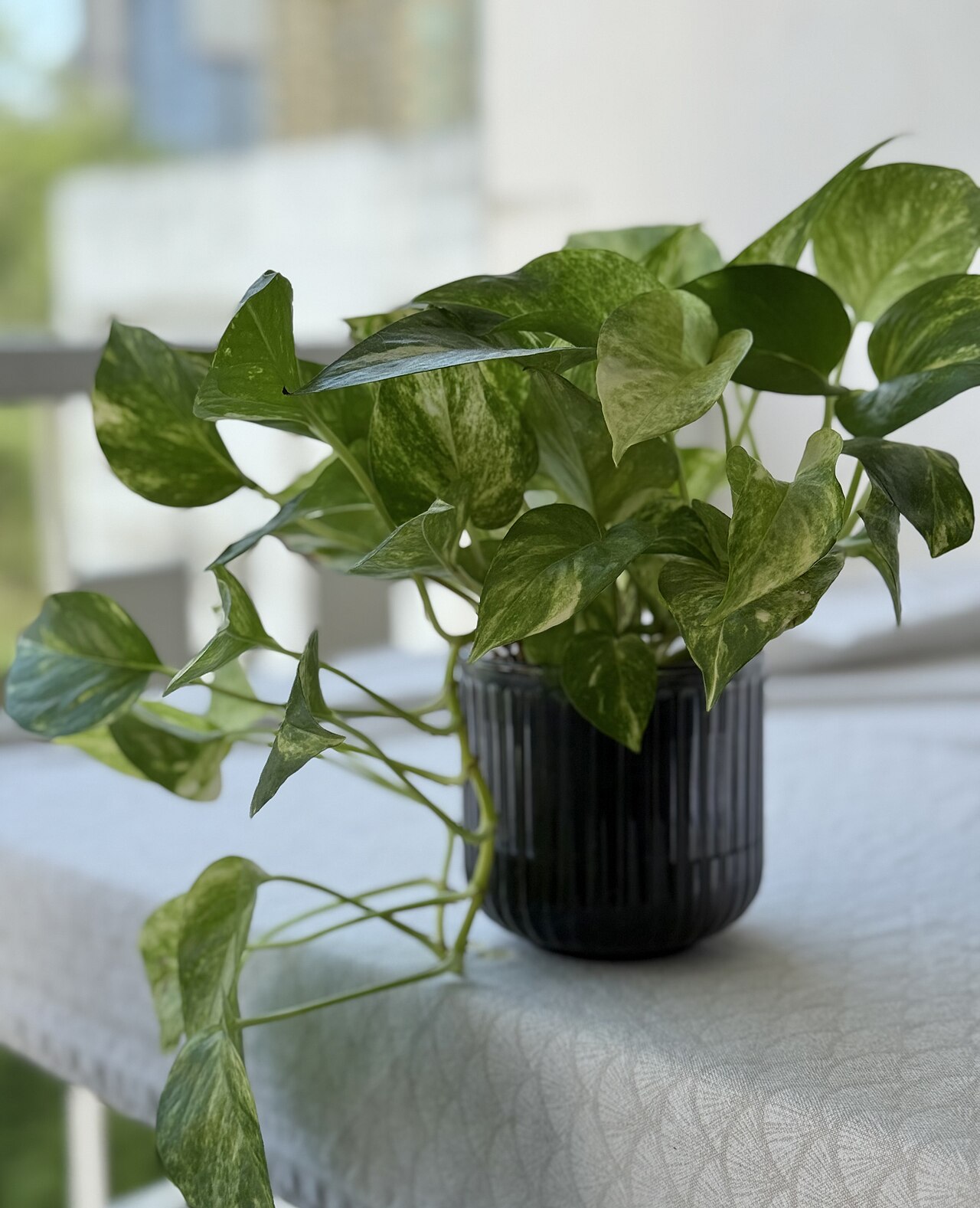

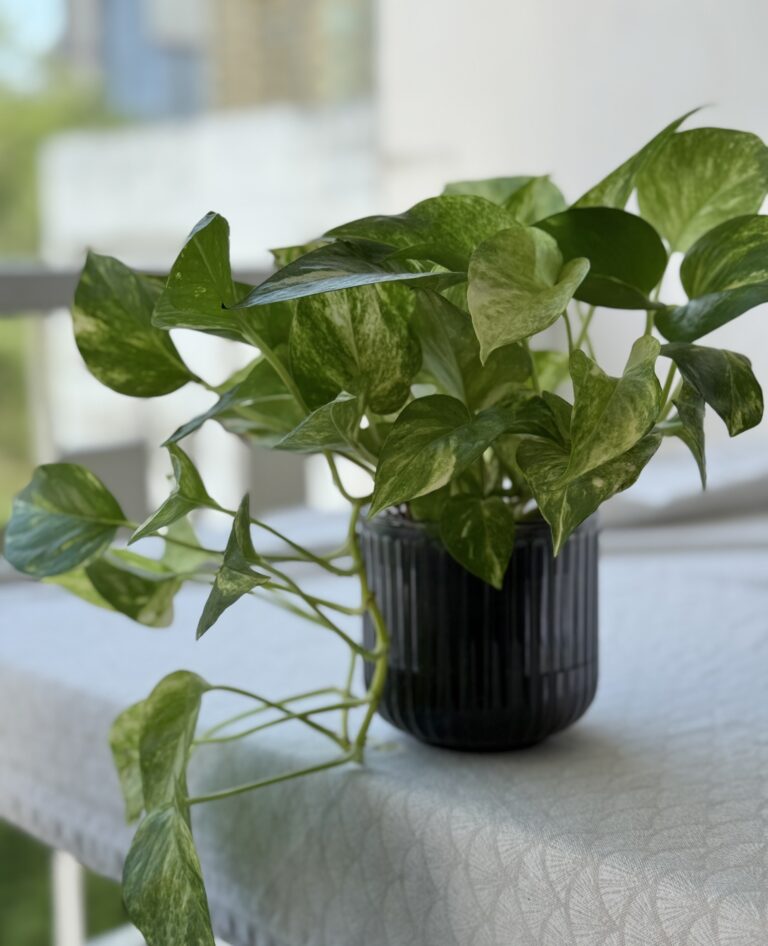
Pothos (Epipremnum aureum), also known as devil’s ivy, is a trailing vine prized for its heart-shaped, glossy leaves and near-indestructible reputation. Native to the Solomon Islands, it has become one of the most widely grown houseplants because it tolerates low light, irregular watering, and general neglect better than almost any other species. It’s an excellent first plant for beginners and thrives in hanging baskets, on shelves, or trained up a support.
Light Requirements
Pothos adapts to a wide range of light conditions, from low light to bright, indirect light, which is why it’s so popular for offices and rooms with limited natural light. That said, it grows fastest and holds its variegation best in medium to bright indirect light. In low light, growth slows and variegated varieties (like ‘Marble Queen’ or ‘Golden Pothos’) tend to revert to solid green since the plant needs light to produce the pigment patterns. Avoid direct, intense sun, which can bleach or scorch the leaves.
Watering and Soil
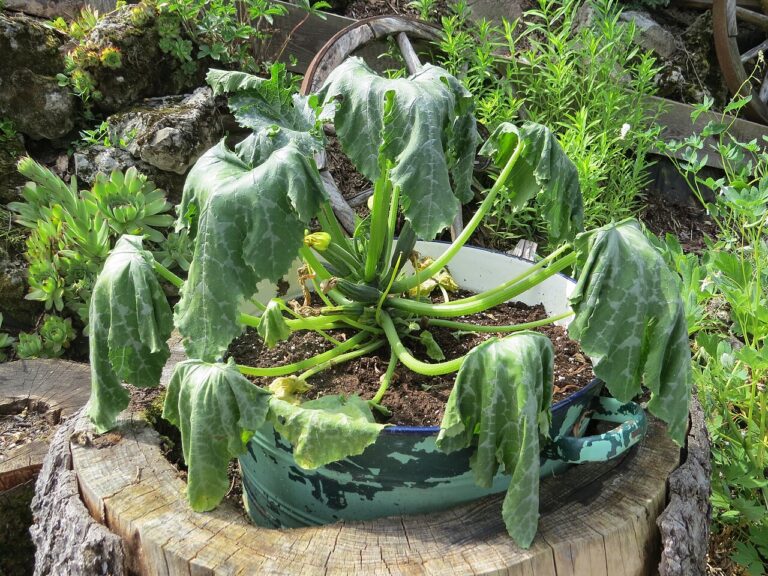
Let the top 1-2 inches of soil dry out before watering again, then water thoroughly. Pothos is quite forgiving of missed waterings — the leaves will droop noticeably when thirsty and perk back up soon after watering, giving a clear visual cue. The far more common mistake is overwatering, which causes yellow leaves, mushy stems, and root rot. A standard well-draining potting mix works fine; adding perlite improves drainage further. Always use a pot with drainage holes.
Temperature, Humidity, and Feeding
Normal indoor temperatures of 65-85°F (18-29°C) are ideal; protect the plant from cold drafts and temperatures below 50°F (10°C). Pothos tolerates average household humidity without issue, though it will grow a bit more vigorously with added moisture. Feed monthly during spring and summer with a balanced liquid houseplant fertilizer diluted to half strength, and skip feeding in fall and winter when growth naturally slows.
Pruning and Common Problems
Pinch or trim leggy vines just above a leaf node to encourage bushier, fuller growth — left untrimmed, pothos vines can grow several feet long with increasingly sparse foliage. Save the cuttings; they root readily.
- Yellow leaves: Typically overwatering. Check that the pot drains well and allow soil to dry between waterings.
- Brown leaf tips: Often low humidity, tap water fluoride/chlorine sensitivity, or underwatering.
- Leggy, sparse vines: Insufficient light or lack of pruning. Move to a brighter spot and trim regularly.
- Loss of variegation: Usually caused by too little light; move the plant somewhere brighter.
Propagation
Pothos is famously easy to propagate. Snip a 4-6 inch cutting just below a node (the small bump where a leaf meets the stem, which also produces small aerial roots), remove the bottom leaf, and place the cutting in a glass of water. Roots typically appear within one to two weeks in bright, indirect light. Once roots are a couple of inches long, plant the cutting directly into potting soil, or simply leave several cuttings growing in water indefinitely.
Pothos is mildly toxic to cats and dogs if chewed or ingested, so position hanging baskets or shelves out of pets’ reach.
This article may contain affiliate links. If you purchase a product through one of these links, Plantgecko may earn a commission at no extra cost to you. This never influences our editorial independence or which products we recommend.