Rosemary Care: How to Keep This Mediterranean Classic Thriving All Year
Introduction
Photo: Kolforn (Kolforn)
I’d appreciate if you could mail me (Kolforn@gmail.com) if you want to use this pi (CC BY-SA 4.0, Wikimedia Commons)
Photo: Acabashi (CC BY-SA 4.0, Wikimedia Commons)
Photo: Kolforn (Kolforn)
I’d appreciate if you could mail me (Kolforn@gmail.com) if you want to use this pi (CC BY-SA 4.0, Wikimedia Commons)
Rosemary Care: How to Keep This Mediterranean Classic Thriving All Year
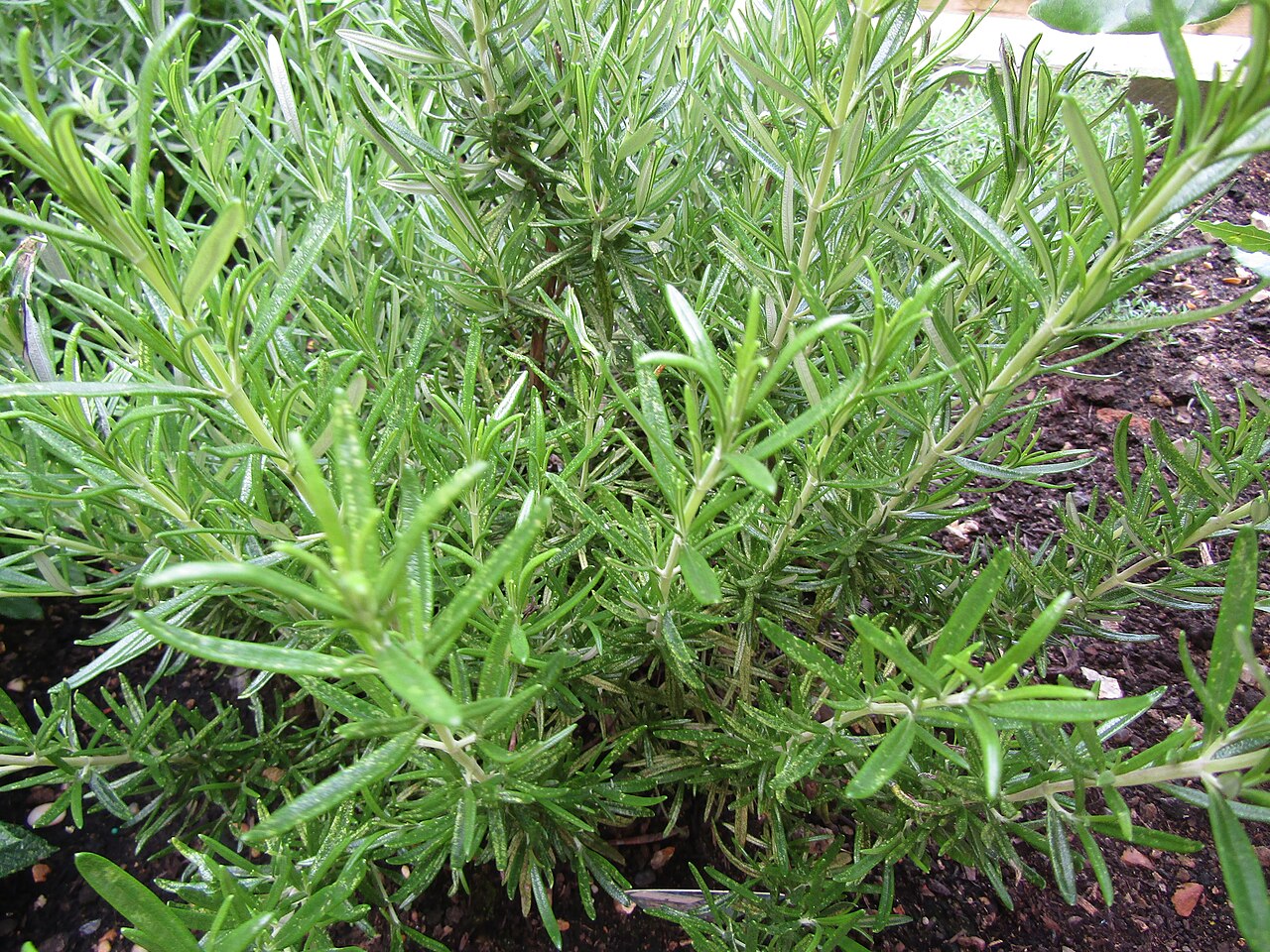
Rosemary (Rosmarinus officinalis) is the essence of Mediterranean cooking. With its distinctive, resiny, savory aroma, it elevates lamb dishes, roasted potatoes, and focaccia. This evergreen plant with needle-like leaves isn’t just a culinary star — it’s also a decorative addition to gardens, patios, and balconies. Contrary to popular belief, rosemary is actually quite hardy in temperate climates, as long as you follow a few key care tips. In this guide, you’ll learn everything about location, watering, pruning, and overwintering.
Who This Is For
The Perfect Location for Your Rosemary
Rosemary comes from the coastal regions of the Mediterranean and loves it sunny, warm, and dry. The ideal spot meets the following criteria:
Sunny: At least 6 hours of direct sun daily. A south-facing balcony or a wind-sheltered south wall is perfect.
Well-draining soil: Rosemary hates wet feet! Sandy, chalky, lean soil is ideal. Loosen heavy clay soils with sand and gravel before planting.
Sheltered from wind: Cold winter winds are its biggest enemy. A house wall or hedge as a windbreak is worth its weight in gold.
pH level: Rosemary prefers alkaline to neutral soil (pH 7–8). Work in a bit of lime if your soil is acidic.
Buying Criteria
Watering and Fertilizing: Less Is More
Rosemary is remarkably thrifty when it comes to water. The plant has adapted perfectly to dry conditions, and too much water is the most common reason rosemary dies. Here are the golden watering rules:
In pots: Water only once the top layer of soil (2–3 cm) is completely dry. It’s better to water thoroughly and infrequently than often in small amounts. Pour off any excess water from the saucer after 30 minutes. In winter, reduce watering to a bare minimum — just enough to keep the root ball from drying out completely.
In the garden: Once established, rosemary planted in the ground needs almost no supplemental watering — except during extreme, multi-week droughts in midsummer. Its deep roots can find water even in dry periods.
Product/Option Categories
Fertilizing: Rosemary needs very little. A single application of compost or organic slow-release fertilizer in spring is completely sufficient. Overfertilizing leads to soft, less aromatic growth and makes the plant more vulnerable to pests. In pots, apply a weak dose of liquid fertilizer every 6 to 8 weeks, and don’t fertilize at all from September through March.
Pruning for Bushy Growth
Without regular pruning, rosemary gets leggy at the base and becomes overly woody. The best time for the main pruning is right after flowering, in June or July. Here’s how:
Cut back about a third of each shoot’s length — always just above a branch point or leaf pair.
Remove dead, diseased, or crossing shoots completely.
Don’t cut into old, brown wood — rosemary rarely resprouts from woody growth.
Trade-offs
Light shaping is fine year-round, especially whenever you’re harvesting anyway.
Tip: use the healthy trimmed shoots for drying or as cuttings. Rosemary propagates reliably from roughly 10 cm semi-hardwood cuttings placed in seed-starting soil during summer.
Overwintering: Getting Rosemary Through the Winter
Rosemary’s winter hardiness depends on the variety. Many varieties tolerate temperatures down to -10°C, and some cold-hardy cultivars like ‘Arp’ or ‘Blue Winter’ can even handle -20°C. Even so, keep the following in mind:
In pots: Potted rosemary is much more frost-sensitive because the root ball freezes through faster. Place the pot against a sheltered house wall, wrap it in fleece or burlap, and set it on an insulating layer of styrofoam or wood. In severe frost (below -8°C), it’s best to move it to a bright, cool stairwell or an unheated sunroom.
Disclosure
This article may contain affiliate links. If you purchase a product through one of these links, Plantgecko may earn a commission at no extra cost to you. This never influences our editorial independence or which products we recommend.
| Product | Best For | Price | |
|---|---|---|---|
| organic slow-release fertilizer | Top Pick | Check price | View |
| an airtight, dark jar | Also Consider | Check price | View |
| Arp | Budget Alternative | Check price | View |
Recommendation Framework
In the garden: A thick mulch layer of leaves or straw over the root zone offers protection. In very harsh winters, cover it with fleece as well. Important: water occasionally on frost-free days, even in winter — winter drought damage is more common than actual freezing.
Harvesting and Preserving
You can harvest rosemary year-round — even in winter from sheltered plants. The flavor is most intense just before flowering in May/June, and on sunny mornings when the essential oils are most concentrated.
To dry it, hang whole sprigs upside down in an airy, dark spot. Darkness matters — direct light destroys the essential oils. After about two weeks, strip the dried needles and store them in an airtight, dark jar. Freezing whole sprigs or infusing them in olive oil preserves the flavor even better — the latter makes a wonderful aromatic oil for cooking.
Conclusion
Common Problems and Solutions
ProblemCauseSolution
Brown, wilted shootsWaterlogging / root rotWater less, improve drainage, consider repotting
White coating on leavesPowdery mildewRemove affected parts, spray milk-water mix (1:5)
Yellow leaves, stunted growthNutrient deficiency or overly acidic soilAdd lime, fertilize moderately
Plant getting leggy at the baseLack of pruningPrune regularly after flowering
Webbing on shoot tipsSpider mites (from dry heating air)Increase humidity, rinse with water
With these care tips, you’ll enjoy your rosemary for many years. With good care, the plant can live for over 20 years and develop a beautifully gnarled trunk over time — almost like a small Mediterranean tree.