Planters Guide 2026: How to Find the Perfect Pot
Planter Guide 2026: How to Find the Perfect Planter for Your Plants
Planters are the quiet heroes of home decor. They hide plain plastic nursery pots, protect furniture from water stains, and put your plants in the best possible light. But the choice is huge: ceramic, fiberglass, metal, woven natural materials — which planter suits your décor and your plants? This guide covers everything you need to know to choose the perfect one.
What exactly is a planter?
A planter is fundamentally different from a plant pot: it has no drainage hole and serves purely as a decorative shell. The actual pot, with its drainage holes, simply sits inside. This has several advantages: you can change your look at any time without repotting the plant. You protect windowsills, shelves, and floors from water damage, as long as you empty any excess water from the planter promptly. And you can buy plants in plain plastic pots and still display them in style.
The most popular planter materials
Ceramic and glazed ceramic: The classic choice. Glazed or unglazed, hand-painted or plain — ceramic planters suit any interior style. They’re heavy and stable, which makes them ideal for large plants. The downside is that they’re fragile and often pricey. Unglazed ceramic is also porous and can leave water rings on furniture.
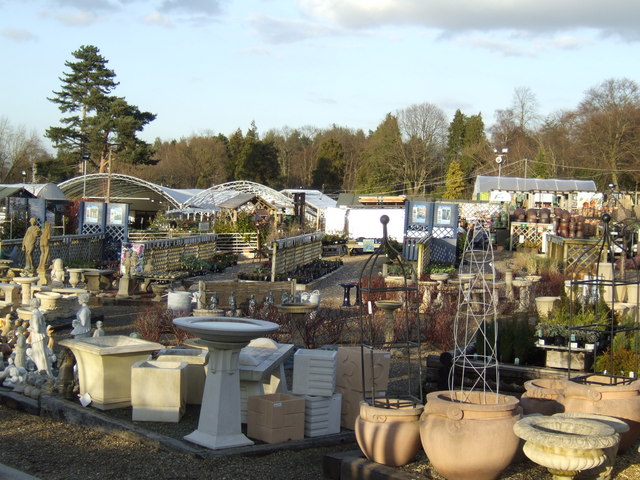
Fiberglass and cast stone: Lightweight, unbreakable, and available in convincing imitations of concrete or stone. Fiberglass planters look like concrete or stone but weigh only a fraction as much, making them perfect for large plants on balconies, where weight matters.
Metal: Whether brushed brass, polished copper, or matte stainless steel, metal planters bring a modern, industrial look to your home. Look for one with an inner lining, since some metals react with water and fertilizer. Outdoors, metal planters can rust unless they’re specifically weatherproofed.
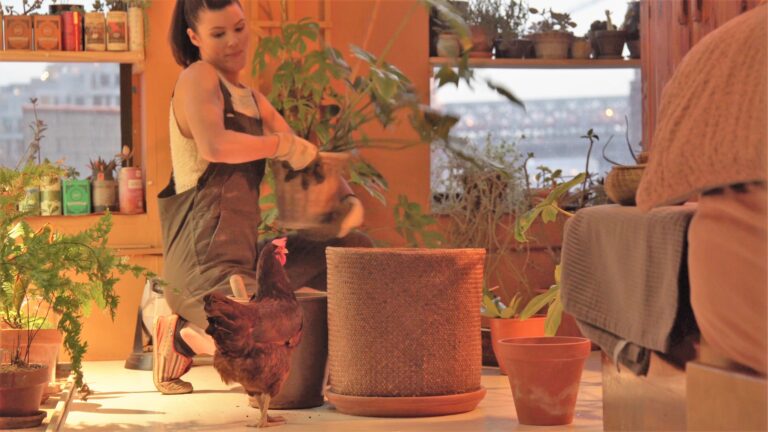
Natural materials: Baskets made of seagrass, rattan, water hyacinth, or bamboo are hugely popular in boho and Scandi-style interiors. They’re lightweight, affordable, and add warmth to any room. However, they’re not waterproof, so a plastic liner is essential to protect both the roots and the basket itself.
| Material | Advantages | Disadvantages | Price Range |
|---|---|---|---|
| Ceramic | Stable, elegant, versatile | Fragile, heavy | $15-80 |
| Fiberglass | Lightweight, unbreakable, weatherproof | Can look cheap | $20-100 |
| Metal | Modern, durable | Rust risk, heats up | $25-120 |
| Natural materials | Warm, affordable, trendy | Not waterproof, less durable | $10-50 |
Choosing the right size
The planter should be about 2 to 3 centimeters (roughly an inch) larger in diameter than the plant pot inside it. That way, the inner pot fits comfortably, with room left for a drainage layer. Height matters too: the planter should be about 1 to 2 centimeters taller than the pot, so no soil is visible but the plant is still shown off to its best advantage.
Care tips for planters
After every watering, remove any excess water that collects in the planter — standing water leads to root rot and unpleasant odors. Clean ceramic planters occasionally with a damp cloth to remove mineral deposits. Natural-material baskets like seagrass should be dusted regularly and kept out of direct sunlight, as they can fade and become brittle otherwise.
Conclusion
The perfect planter combines function and style. It protects your furniture, gives your plants an attractive frame, and can be easily updated as decorating trends change. Whether elegant ceramic, lightweight fiberglass, or trendy natural materials, there’s a planter to suit every taste and budget. Mix different materials and sizes to create a lively, harmonious plant corner in your home.