Getting Rid of Fungus Gnats: Causes and Effective Control
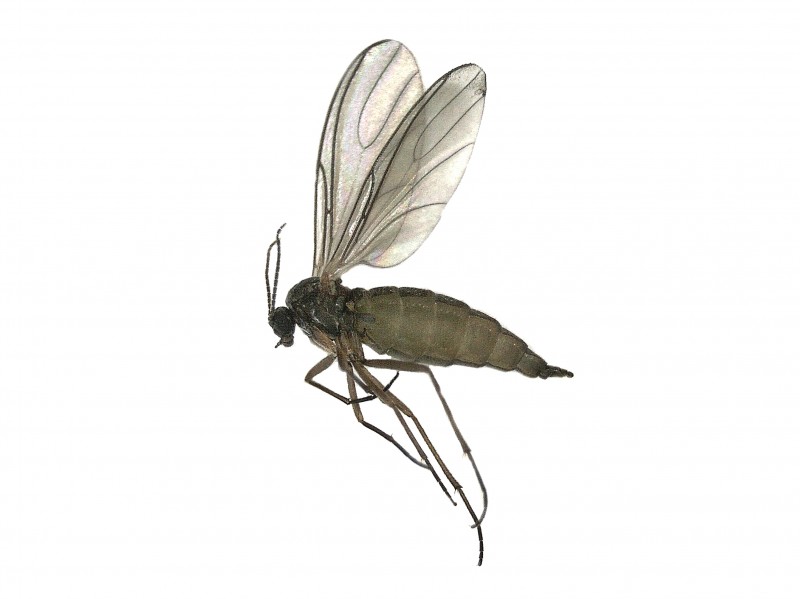
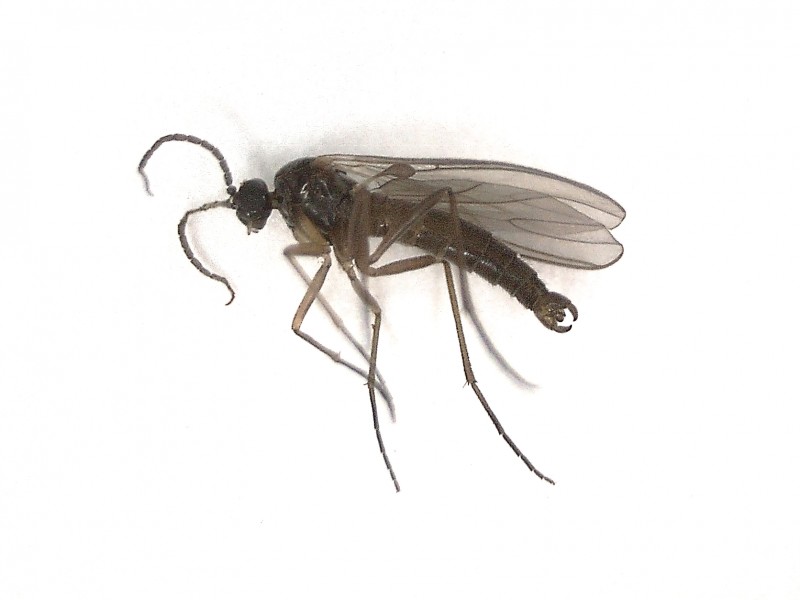
Those annoying little black flies
They hover around your plants, buzz around while you’re watching TV, and are just plain unpleasant: fungus gnats are the most common indoor plant pest. The adult gnats themselves are harmless, but their larvae live in the soil and feed on roots, which can cause serious damage. Here’s how to get rid of them.
Where do fungus gnats come from?
Fungus gnats almost always arrive hidden in potting soil. Cheap, peat-based soil from the supermarket is especially likely to carry eggs. Overly damp soil also encourages them to multiply, since the larvae need constant moisture to survive.
5 effective methods against fungus gnats
1. Yellow sticky traps (catching the adults)
Place yellow sticky traps near or in the plant. The adult gnats are attracted to the color yellow and get stuck. This reduces the population but doesn’t kill the larvae in the soil. Not sufficient on its own, but a good addition to other methods.
2. Beneficial nematodes (biological larvae control)
The most effective biological method: nematodes of the species Steinernema feltiae are microscopic roundworms that specifically target and kill fungus gnat larvae. They’re applied with the watering water. After 1-2 weeks, the larval infestation is eliminated. Completely safe for people and plants.
3. A layer of sand on the soil
A 1-2 cm layer of coarse sand or fine gravel on top of the potting soil prevents gnats from laying eggs there and stops larvae from emerging. It looks decorative too, a simple, long-lasting solution.
4. The matchstick trick
Stick 4-6 matches head-down into the soil. The sulfur in the match head is toxic to the larvae. Replace them after 1-2 weeks. An old household trick that actually works.
5. Let the soil dry out
Fungus gnat larvae need moisture to survive. Let the top layer of soil (2-3 cm) dry out completely between waterings. This is fine for most houseplants and very effective. A soil moisture meter can help you track how dry the soil is.
Prevention: keeping them from showing up at all
- Buy good-quality soil: Premium potting mix is less likely to be infested
- Sterilize new soil: Heating it in the oven for 30 minutes at 80°C (175°F) kills any eggs
- Don’t overwater: Fungus gnats love damp soil
- Water from below: Keeps the soil surface dry
- Cover with sand: Prevents egg-laying before it starts