Clogged Drip Emitters and Irrigation Timer Failures: A Troubleshooting Guide for Automatic Watering
When an automatic drip irrigation system suddenly stops watering evenly — or stops altogether — the cause is almost always one of four things: a clogged emitter, a dead timer battery, insufficient water pressure, or a kinked or disconnected line. Working through these in order, from simplest to check to most involved, resolves the vast majority of drip system failures without replacing the whole setup.
Start with the timer — it’s the most common single point of failure
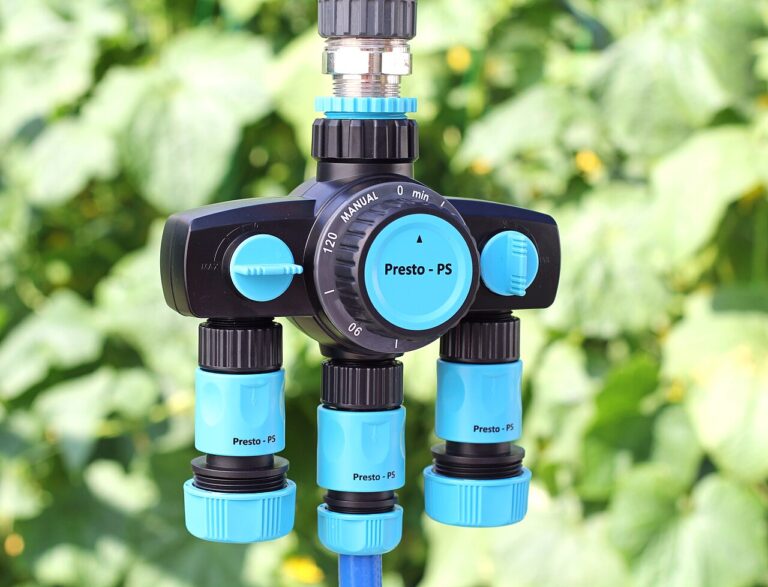
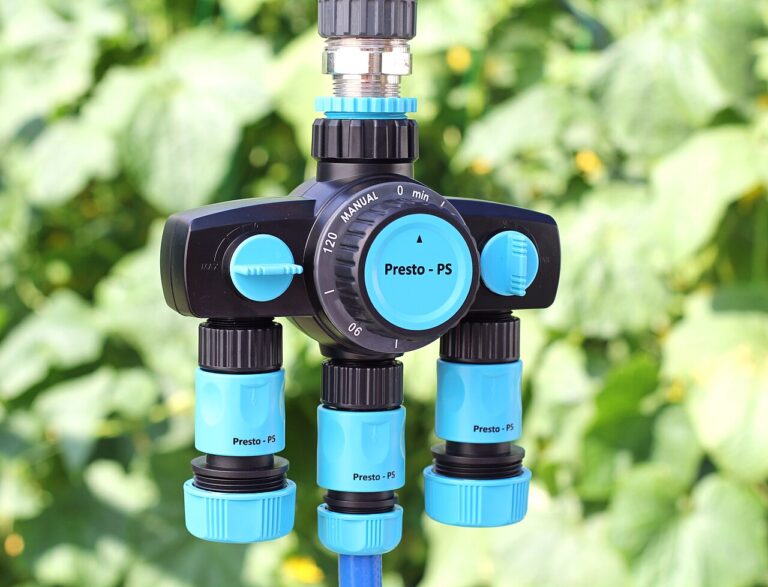
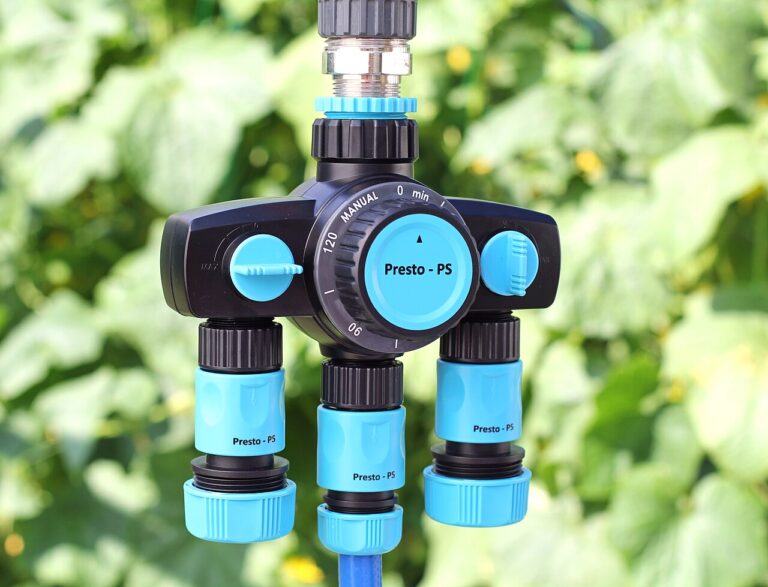
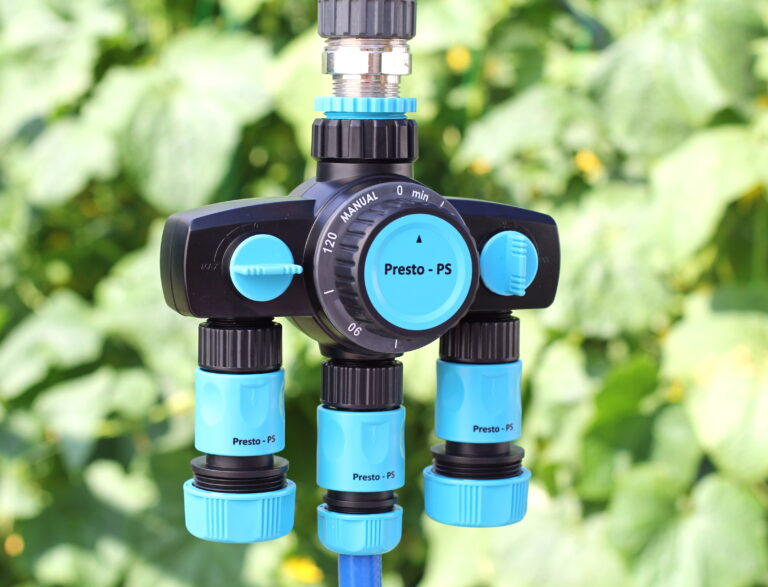
Battery-powered irrigation timers are the single most common failure point in a drip system, because a dead or low battery can cause a timer to stop triggering cycles entirely, or to run them at the wrong time or duration, well before the display shows an obvious low-battery warning. If watering has stopped uniformly across the entire system rather than just a few plants, check the timer battery and confirm the programmed schedule is still correct before investigating anything downstream.
Clogged emitters: the most common localized problem
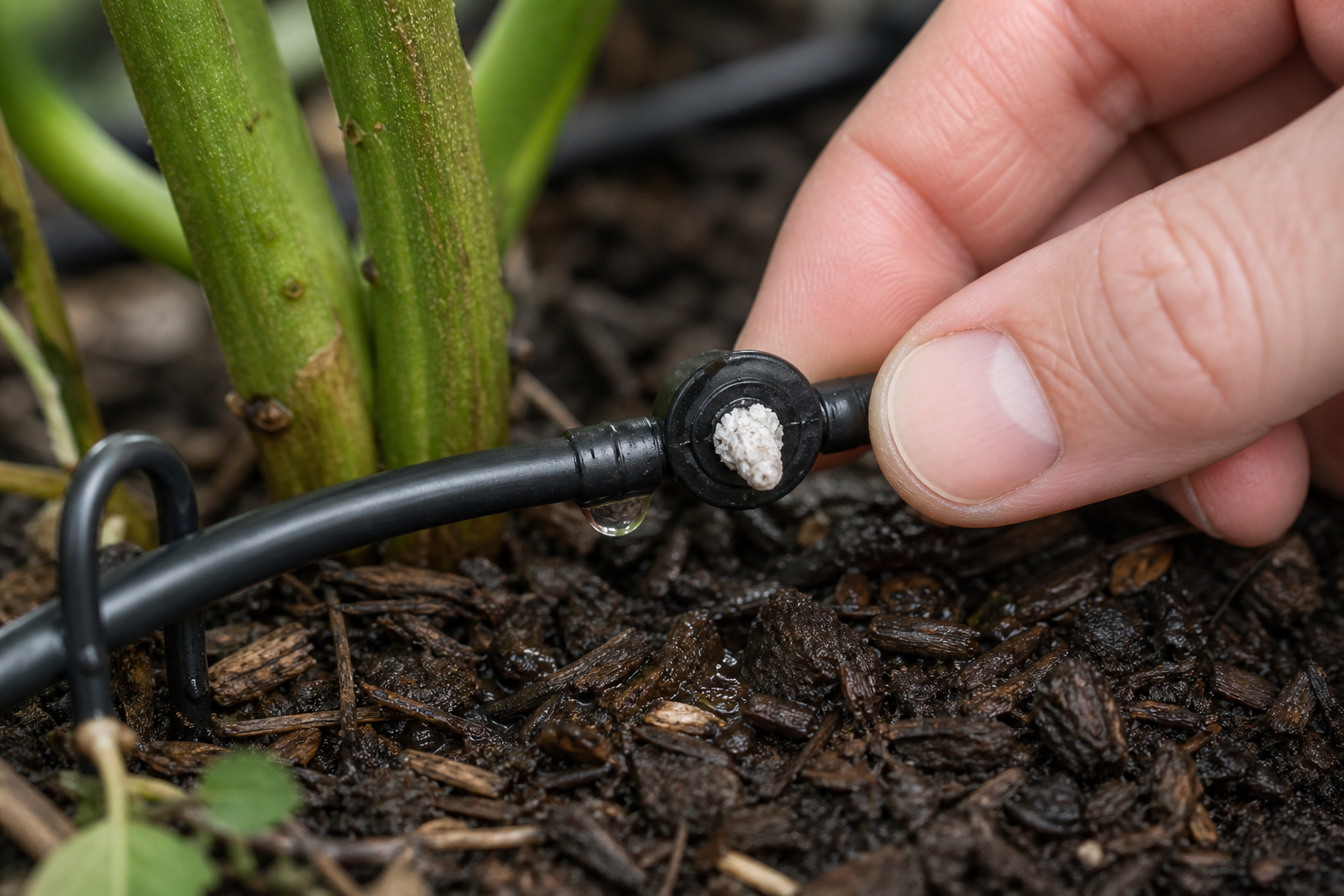
If only some plants are getting dry while others nearby are fine, individual emitter clogs are the likely cause. Drip emitters have very small orifices designed to release water slowly, which makes them prone to clogging from mineral deposits (especially with hard water), algae growth, or fine soil particles that get sucked back into the emitter when the system depressurizes between cycles.
- Remove the suspect emitter and check for visible mineral buildup or debris at the opening.
- Soak hard-water mineral clogs in a diluted vinegar solution for a few hours, which dissolves most calcium deposits without damaging the plastic.
- Flush the main line before reattaching emitters — running water through the line at full pressure with the end cap removed clears loose debris that would otherwise re-clog the emitter immediately.
- In hard-water areas, pressure-compensating emitters with a self-flushing design clog less often than basic fixed-orifice emitters.
Low water pressure: check the source, not just the line
Drip systems need only modest pressure — typically 15–30 PSI, far less than a hose spray nozzle — but too little pressure prevents water from reaching emitters at the far end of a long line, while too much pressure (running a drip system directly off unregulated household pressure) can blow fittings apart or cause uneven flow across emitters. If the far end of a long drip line is consistently drier than the near end, check whether a pressure regulator is installed and functioning, and confirm no partially closed valve upstream is restricting flow.
Physical line damage: kinks, disconnections, and rodent damage
A visible dry patch with no obvious emitter problem often traces back to a kinked line (common where tubing bends sharply around a corner or pot), a fitting that has worked loose from vibration or temperature changes, or — outdoors — a line chewed through by rodents. Walking the full length of the line while the system is running, watching for unexpected wet spots or sections with no flow at all, usually locates the damage quickly.
A systematic troubleshooting order
- Confirm the timer battery is fresh and the schedule is correctly programmed.
- Run the system manually and visually inspect the full line for kinks, disconnected fittings, or dry patches.
- Check individual emitters at any consistently dry plant for clogs.
- Verify water pressure at the source matches the system’s rated range, and confirm a pressure regulator is installed if required.
Preventing the same failure from recurring
Once a system is working again, a few simple habits meaningfully reduce how often these failures repeat. Installing an inline filter before the first emitter catches sediment before it ever reaches the small emitter orifices, which is often more effective than repeatedly cleaning individual emitters after the fact. Flushing the end of the main line for a few seconds at the start of each season clears out any sediment that settled over winter. And in hard-water areas, a whole-system flush with diluted vinegar solution once or twice a season prevents the gradual mineral buildup that causes most emitter clogs in the first place, rather than waiting for individual emitters to fail one at a time.
When repeated failures mean it’s time to upgrade
A drip system that needs constant unclogging despite regular maintenance is often built with basic fixed-orifice emitters or a timer nearing the end of its service life — both of which have more reliable modern equivalents. The Best Irrigation Systems comparison covers current systems with self-flushing, pressure-compensating emitters that clog far less often than older basic drip kits.