Automatic Watering Systems Reviewed: Which Is Best for Your Home?
Automatic watering systems can be a genuine lifesaver for busy schedules, frequent travel, or simply a large plant collection that’s outgrown daily hand-watering. But “automatic” covers a wide range of technology, from a five-dollar terracotta spike to a Wi-Fi-connected sensor network. Here’s how the main categories actually work, and where each one makes sense.
Drip Irrigation Kits
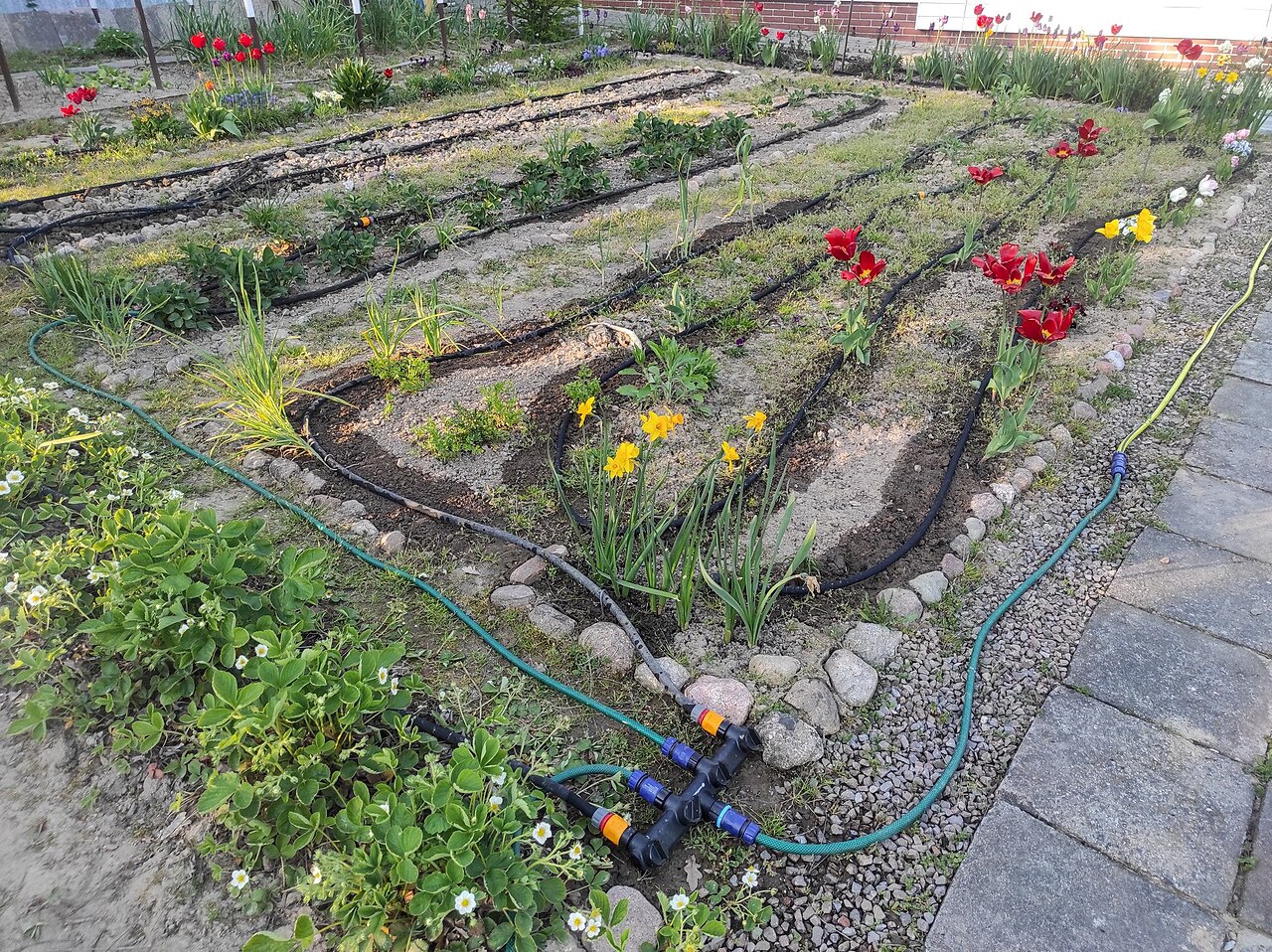
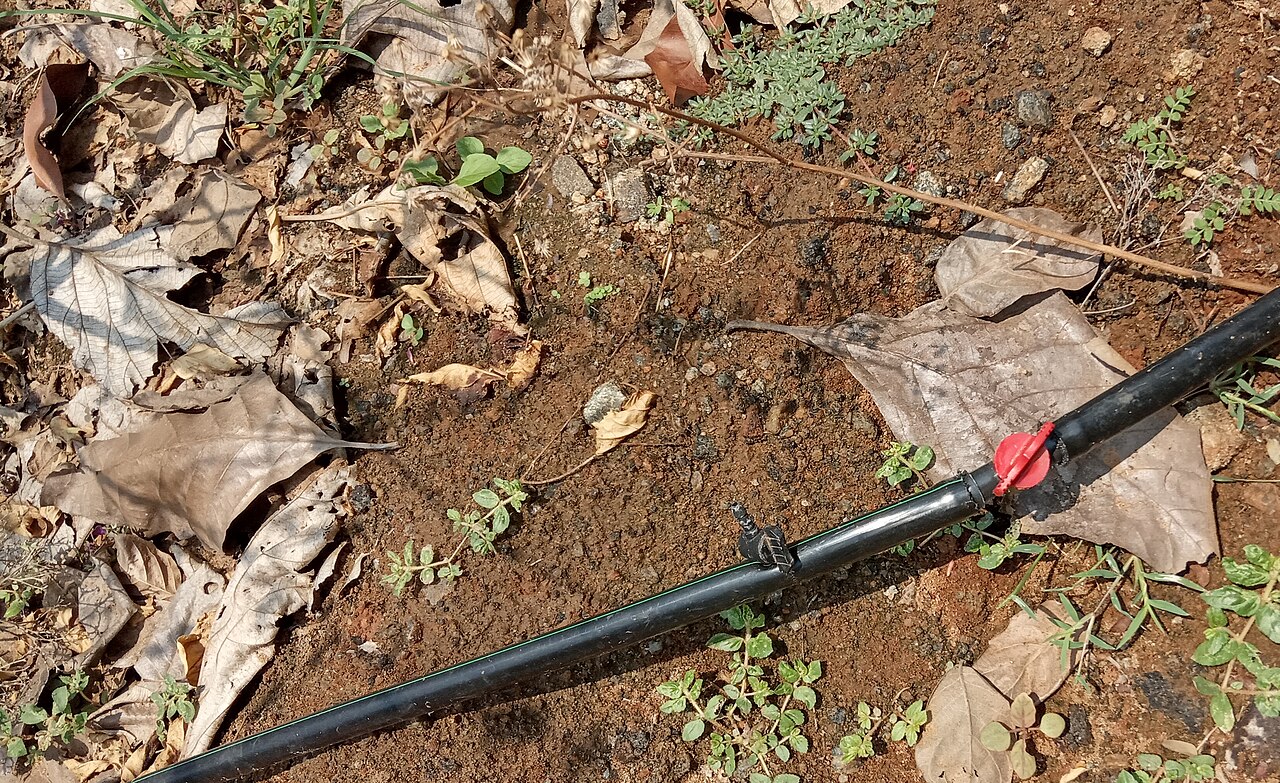
Drip systems use a small pump or gravity-fed reservoir connected to a network of thin tubing, delivering a slow, steady trickle of water to each pot through an emitter or stake. They’re the most precise option for larger collections because you can adjust flow rate per plant, and they work well for a wide range of pot sizes. The tradeoff is setup time — running tubing to a dozen pots takes real effort — and emitters can clog with mineral deposits or algae if not flushed periodically. Best suited for larger collections, patios, or greenhouse shelving where plants stay in fixed positions.
Wicking Systems
Wicking relies on capillary action: a cord or strip of absorbent material runs from a water reservoir into the potting mix, drawing moisture upward as the soil dries. It’s passive, requires no power, and self-regulates reasonably well since drier soil pulls more water than damp soil. The main limitation is capacity — a wick can only move so much water, so it suits small-to-medium pots better than large ones, and works best with mixes that hold moisture evenly (a very chunky, fast-draining mix can wick unevenly).
Self-Watering Pots
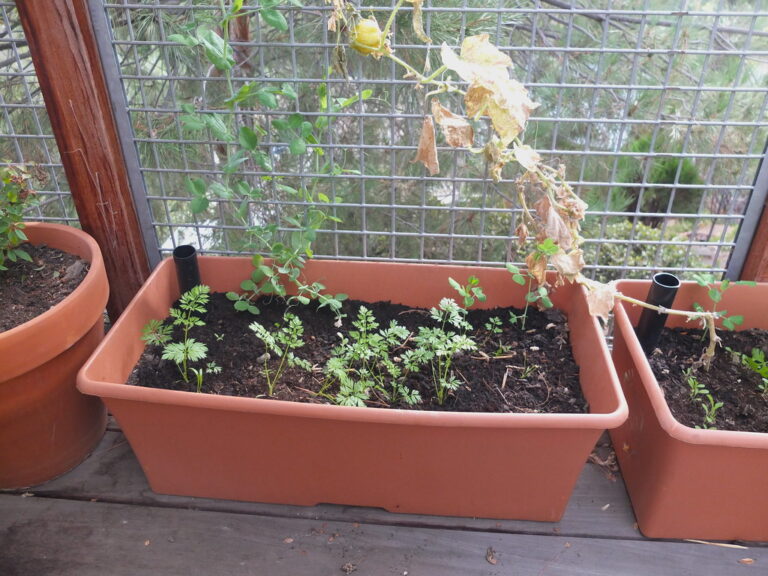
These pots have a built-in reservoir at the base, usually accessed via a fill tube, with a wicking mechanism or capillary matting connecting the water to the soil above. They’re convenient and tidy — no visible tubing — and many can go one to three weeks between refills depending on plant size and season. The risk is overwatering plants that prefer to dry out between waterings, like succulents, so self-watering pots suit moisture-loving plants (peace lilies, ferns, calatheas) far better than drought-adapted ones.
Smart Sensor Systems
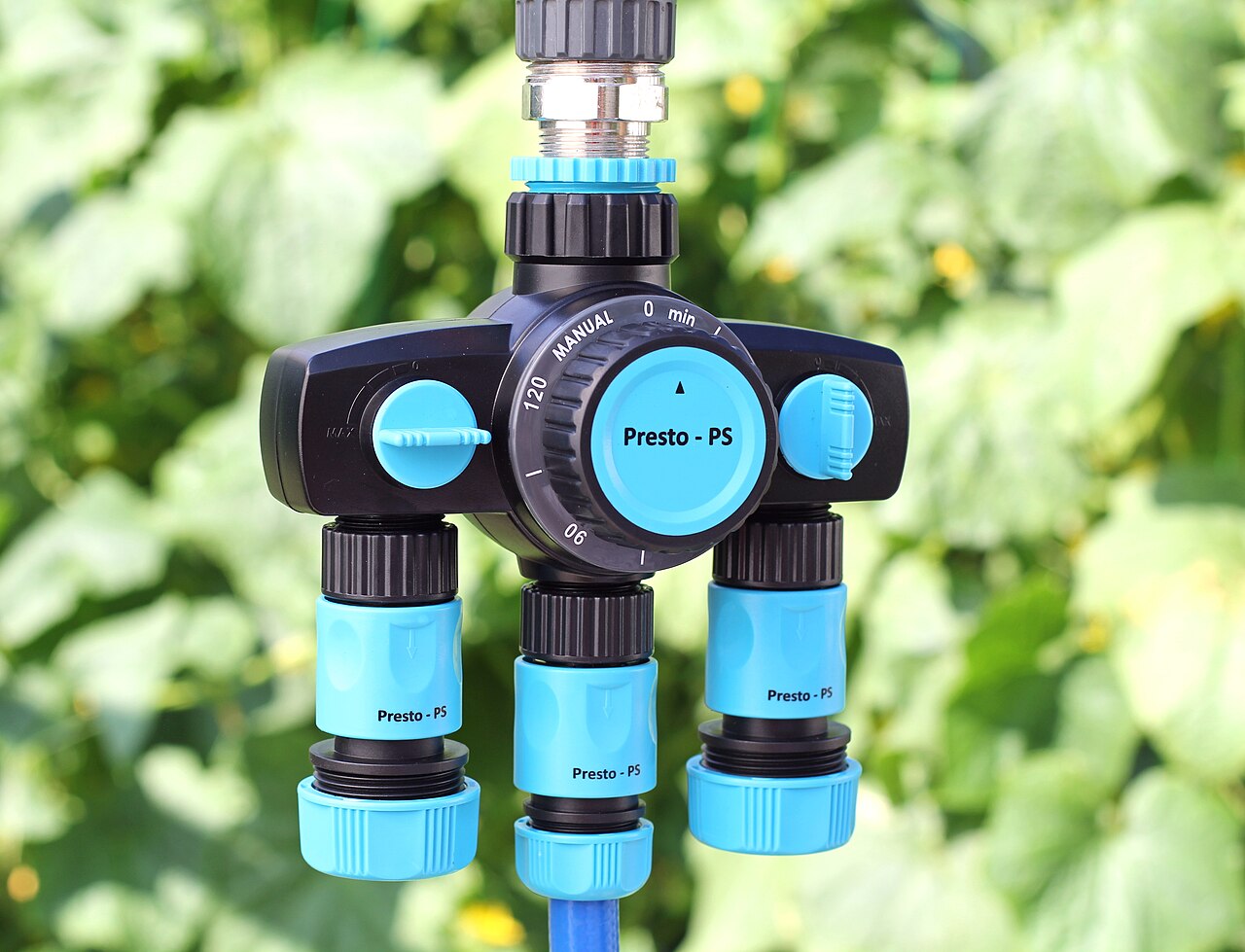
These combine a soil moisture probe with a small pump and app or timer control, watering only when the sensor detects the soil has dried past a set threshold rather than on a fixed schedule. This is the most responsive option, adjusting automatically for humidity, season, and plant size, and many let you monitor multiple zones remotely. They cost more, need a power source and occasionally Wi-Fi, and the probes require occasional cleaning or recalibration as mineral deposits build up. Worth it for valuable or sensitive collections, or anyone who travels often enough that peace of mind matters.
Real Systems by Category
Here’s a real product to look at for each category discussed above:
| Product | Category | Price Tier | Best For |
|---|---|---|---|
| Rain Bird Drip Irrigation Kit | Drip irrigation | Mid-range | Larger, mixed plant collections needing per-plant flow control |
| Blumat Classic Automatic Watering Stakes | Wicking | Mid-range | Passive, no-power watering for small-to-medium pots |
| Raindrip R560DP Automatic Watering Kit | Drip/self-watering | Budget | Patio containers and vacations of a week or two |
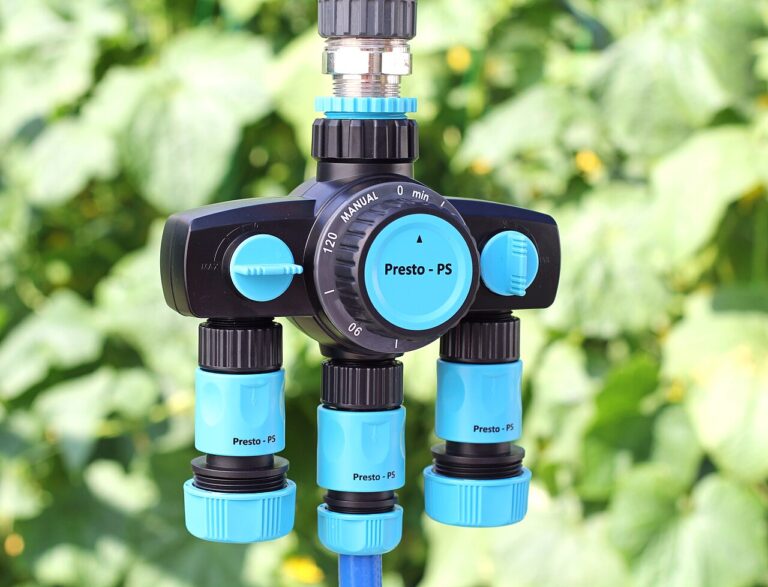
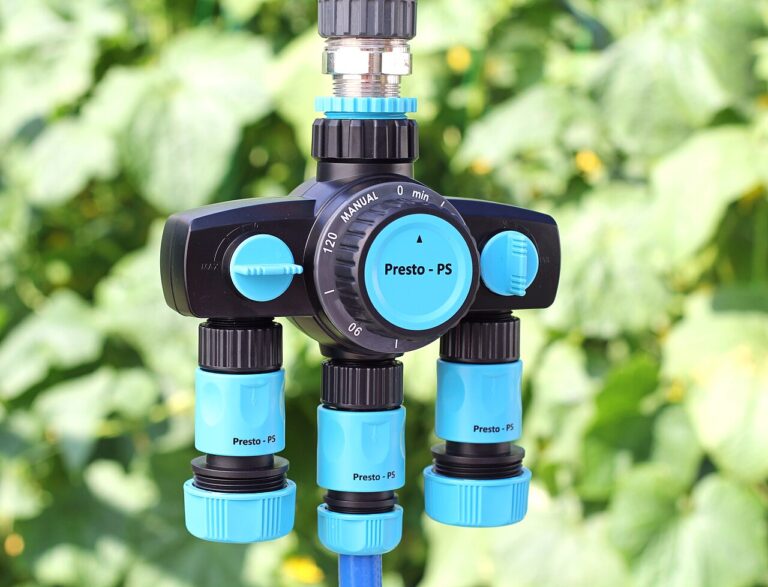
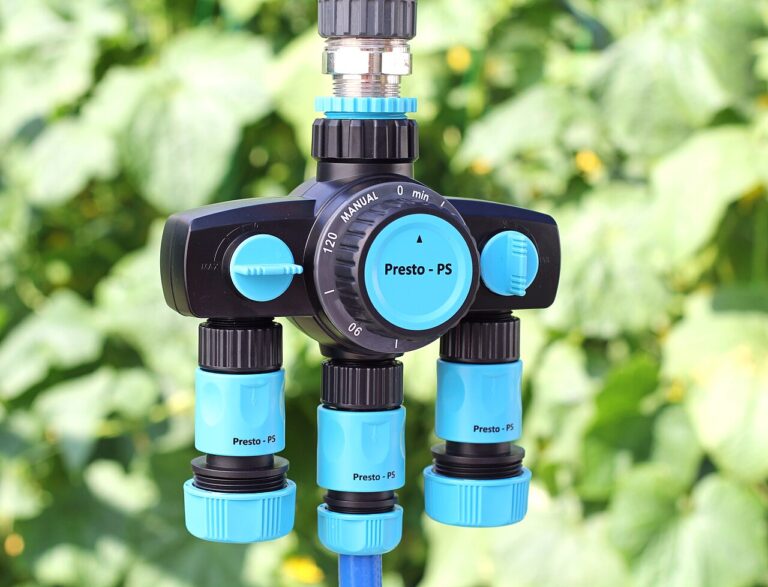
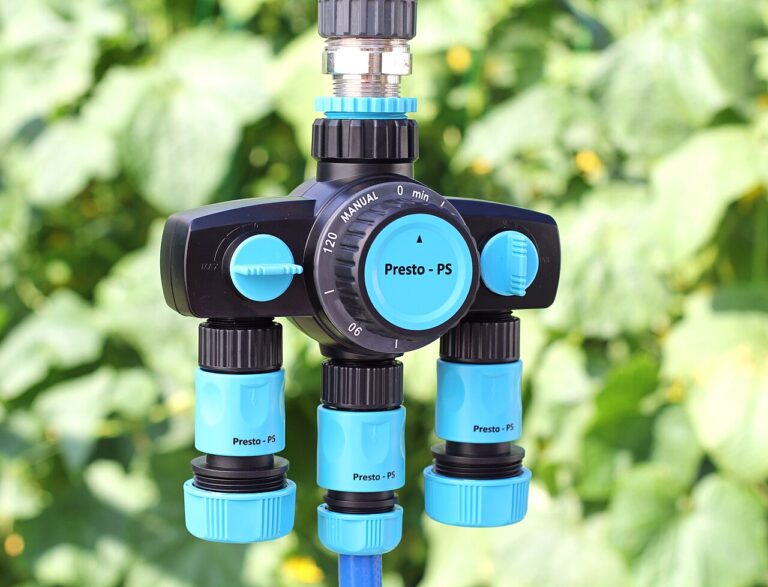
| Orbit B-hyve Smart Hose Watering Timer | Smart sensor/timer | Premium | App-based scheduling and remote monitoring for larger collections |
Choosing the Right System
- A handful of plants, occasional short trips: self-watering pots or water globes are simplest.
- A large, mixed collection: drip irrigation gives the most control over individual plant needs.
- Plants with different watering needs in the same space: smart sensors let you set different thresholds per zone.
- No access to power outlets: wicking systems are fully passive.
None of these systems fully replace observation — check on any new setup for the first week or two to confirm it’s delivering the right amount of water before trusting it unsupervised. A system that’s slightly under-watering is usually easier to fix than one that’s silently oversaturating roots.
This article may contain affiliate links. If you purchase a product through one of these links, Plantgecko may earn a commission at no extra cost to you. This never influences our editorial independence or which products we recommend.